Details
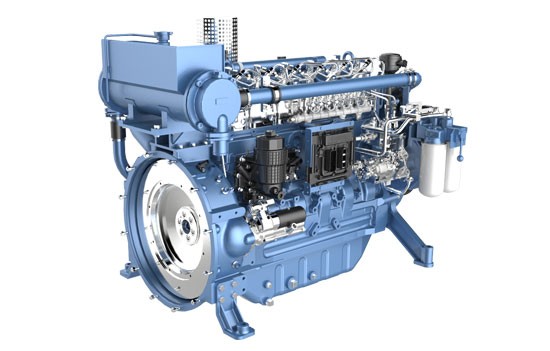
Weichai WP6C250-23E220 Marine Propulsion Engine (250HP / 184kW)
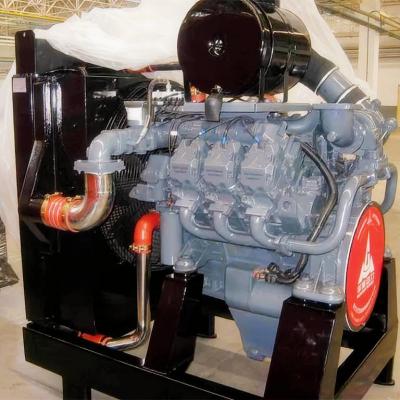
The Weichai WP6C250-23E220 stands out as a highly reliable 6-cylinder marine engine within the globally recognized Weichai WP6 series marine engine family. Designed specifically to meet the strict demands of modern commercial vessel operations, this 250HP marine diesel engine delivers a rated power of 184kW (often designated in specific regional compliance sheets as a turbocharged intercooled 168kw marine propulsion system depending on local continuous vs intermittent duty matching). Built on an in-line configuration with a displacement of 6.75 liters, this 6 cylinder marine engine balances a compact physical footprint with high torque density.
Engineers looking over the Weichai WP6C250-23E220 datasheet will note the 105mm bore and 130mm stroke, which allows the engine to achieve its rated speed of 2200 RPM smoothly. It features a reliable mechanical fuel injection system, though modern variants also incorporate the advanced Weichai common rail marine diesel architecture for operators requiring tighter electronic controls over emissions and fuel optimization. The physical Weichai WP6C250 marine engine dimensions roughly measure 1360mm in length, 890mm in width, and 1054mm in height. This makes it an ideal drop-in replacement for aging machinery spaces. With a net dry weight of approximately 750kg, it delivers an excellent power-to-weight ratio for mid-sized vessels.
Tech Specs of Weichai WP6C250-23E220
General Engine Data
Engine Model: Weichai WP6C250-23E220
Cylinder Count: 6 Cylinders in Line
Engine Type: 4-stroke, water cooled, in-line, turbocharged and aftercooled
Total Engine Displacement: 6.75 L
Bore * Stroke: 105×130 (mm)
Net weight: 750 kg
Overall Dimension: 1360×890×1054 (mm)
Key Performance Data
Rated Power: 168 kW / 228 HP
Rated Speed: 2230 RPM
Idle Speed: 650±30 RPM
Minimum fuel consumption rate: 212 g/kW·h
Oil consumption rate: ≤0.2 g/kW·h
More Technical Data
Certification: IMO Tier II / China Stage II Inland Marine
Aspiration: turbocharged and aftercooled
Starting system: Electrical
Rotation(facing the flywheel) : Counter-clockwise
Fuel system: HPCR
Power rating: P1
Noise: ≤98dB(A)
Technical Performance Comparisons in the 250HP Class
Weichai WP6C250 vs Cummins Marine Engine Alternatives
When marine architects evaluate the Weichai WP6C250 vs Cummins marine engine models in the same horsepower bracket, several distinct mechanical advantages emerge. The Cummins 6BTA series is a common benchmark in this power range, but the Weichai WP6C250-23 propulsion engine offers a larger displacement framework that inherently reduces internal thermal stress during long-running operations. The Weichai WP6 common rail marine diesel engine configuration provides superior low-end torque responsiveness compared to older mechanical competitor engines, allowing vessels to get on plane faster under heavy loads.
From an acquisition and operational cost perspective, the Weichai WP6C250-23E220 price provides a significantly faster return on investment for commercial fleet operators. While Western brands often carry heavy premium markups on both initial purchase and replacement components, HekoPower supplies the complete Weichai package alongside more accessible maintenance logistics. Furthermore, the specialized water-jacketed exhaust manifold design on the Weichai WP6 series minimizes engine room ambient temperatures more effectively than many standard competitor configurations.
Evaluating the Best 250HP Marine Diesel Engine for Commercial Use
Determining the best 250HP marine diesel engine requires analyzing real-world fuel maps and structural longevity. The Weichai WP6C250 fuel consumption curve remains impressively flat across the mid-to-high RPM range, dipping to an efficient minimum fuel consumption rate of ≤195 g/kW·h. This economy is achieved via an optimized combustion chamber shape that ensures complete fuel atomization.
As a dedicated China marine engine supplier, HekoPower identifies this model as a market leader due to its structural gantry-type engine block design. The single-piece forged crankshaft and wet cylinder liners ensure that the engine block withstands high explosion pressures without warping. This provides a clear structural advantage over light-duty block designs often modified from automotive platforms by alternative manufacturers.
Real-World Commercial Application Scenarios
Performance as a Fishing Boat Diesel Engine
In the commercial fishing sector, a reliable commercial fishing boat propulsion engine must handle highly erratic operational cycles. The Weichai WP6 intermittent duty commercial boat engine excels in this environment because it transitions smoothly from hours of low-speed idling or trawling to sudden bursts of wide-open throttle when returning to port with a perishable catch.
For aquaculture vessels that operate in shallow coastal waters or rugged bay environments, the engine delivers steady power to hydraulic winches and onboard pumps without bogging down. The high torque reserve prevents stalling when hauling heavy nets or lifting cages, making it the preferred marine engine for fishing boats across regional fisheries.
Operational Profiles for Patrol Vessels and Workboats
For security, transport, and administrative operations, authorities require a dependable marine engine for patrol vessels that can guarantee rapid deployment speeds. The Weichai WP6C250-23E220 marine propulsion engine reaches its peak torque rapidly, giving patrol crafts the acceleration profile needed for intercept operations.
In industrial harbors, the engine serves as a rugged marine engine for workboats, including small tugs, pilot boats, and supply tenders. These vessels require constant uptime and reliable structural mounts to endure the constant vibrations of pushing and towing. The dampening layout of the WP6 series limits noise and vibration transmission into the hull, protecting crew comfort during long shifts.
Maintenance Lifecycle and Replacement Strategies
Achieving a Weichai WP6 12000 Hours Overhaul Marine Diesel Milestone
The true value of a commercial marine engine lies in its longevity. To successfully guide a unit toward the coveted Weichai WP6 12000 hours overhaul marine diesel milestone, operators must adhere to a strict preventative maintenance schedule. Regular oil sampling should occur every 250 operational hours to detect trace metals or fuel dilution early.
The cooling system requires diligent care. Clean the zinc anodes every 100 hours or monthly when operating in high-salinity seawater environments to prevent galvanic corrosion within the heat exchanger. The air filtration elements and raw water pump impellers should be inspected quarterly to avoid sudden thermal spikes that degrade valve guides and piston rings prematurely.
Sourcing Components from a Genuine Weichai Marine Engine Exporter
When wear components eventually require replacement, utilizing unverified aftermarket parts can cause catastrophic mechanical failure. As an established genuine Weichai marine engine exporter, HekoPower ensures that fleet owners receive components built to identical factory tolerances. Knowing where to buy genuine Weichai WP6C250 parts is critical for maintaining class certifications and emissions compliance.
When performing mid-life top-end overhauls around the 6,000-hour mark, always replace cylinder head gaskets, injector nozzles, and valve seals with verified parts. Replacing these parts preserves the 250hp marine diesel engine with IMO Tier II compliance standards, preventing excessive exhaust smoke and maintaining the factory fuel economy profile.
Comprehensive Procurement Options from HekoPower
As a global wholesale Weichai WP6 marine engine supplier and trusted marine diesel engine exporter, HekoPower simplifies the entire international sourcing process. We provide direct access to the complete factory documentation including the official Weichai WP6C250-23 specification sheet PDF, precise physical installation blueprints, and customized gearbox matching parameters.
Whether you intend to buy Weichai WP6C250 marine engine units for a new vessel construction project or require a bulk logistics quote as a regional shipyard, our engineering team manages the complete verification pipeline. Every Weichai WP6C250 supplier relationship we maintain is backed by rigorous quality control inspections prior to seaport export packing, ensuring your propulsion asset arrives ready for immediate alignment and installation.
Weichai WP6 series marine diesel engine, original products from Weichai. This series mainly includes WP6C122-15, WP6C140-23, WP6C142-18, WP6C150-15, WP6C156-21, WP6C163-23, WP6C165-18, WP6C185-21, WP6C198-23, WP6C220-23, WP6C250-23, WP6C122-15E220, WP6C140-23E220, WP6C142-18E220, WP6C150-15E220, WP6C156-21E220, WP6C163-23E220, WP6C165-18E220, WP6C185-21E220, WP6C198-23E220, WP6C220-23E220, WP6C250-23E220.
Frequently Asked Questions (FAQ)
What exact emission certifications does the Weichai WP6C250-23E220 hold?
The engine fully complies with IMO Tier II marine emission standards and meets China Stage I and Stage II marine environmental regulations. This ensures the vessel can legally operate within international coastal boundaries and standard commercial ports without facing regulatory penalties or access restrictions.
Can this engine be paired with existing marine gearboxes during a refit?
Yes, the engine uses a standard SAE 1 flywheel housing configuration with an SAE 14 flywheel. This universal sizing allows it to interface seamlessly with popular marine gearboxes from manufacturers like Advance, Twin Disc, or ZF, simplifying retrofits on older vessels.
What is the standard warranty coverage when sourcing through HekoPower?
HekoPower provides standard factory-backed warranty coverage for all genuine Weichai propulsion systems. This typically covers 12 months from the date of vessel commissioning or up to 1,500 operational hours, backed by our extensive supply chain for replacement parts and technical troubleshooting.
How does the common rail version differ in maintenance from the mechanical version?
The Weichai common rail marine diesel engine variant requires much stricter fuel filtration management. Operators must utilize high-efficiency fuel-water separators and replace fuel filters more frequently to protect the high-pressure injectors from microscopic particulate damage, whereas the mechanical pump version is slightly more tolerant of varied fuel qualities.