Details
Weichai WP6C220-23E220 Marine Diesel Engine: Heavy-Duty 220HP Propulsion
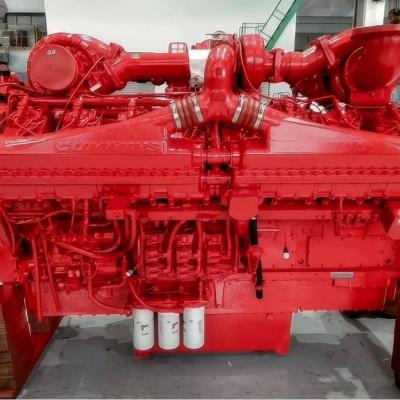
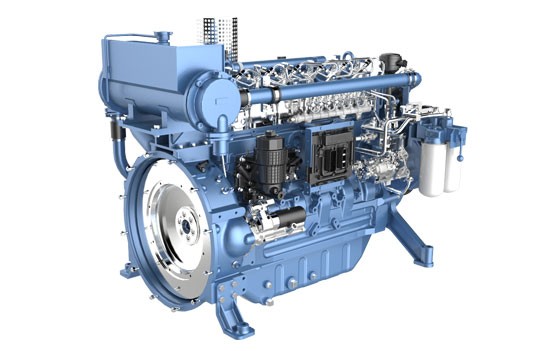
The Weichai WP6C220-23E220 marine diesel engine represents a foundational power platform for mid-sized commercial vessels requiring reliable inboard propulsion. As a dedicated marine propulsion engine manufacturer, Weichai built this series to deliver a rated output of 162kW, which translates directly to a robust 220HP Weichai marine diesel engine rating at 2300 RPM. This four-stroke, water cooled marine diesel engine relies on an inline 6 cylinder marine diesel engine layout, utilizing a total displacement of 6.75 liters to maintain constant power delivery under challenging marine conditions.
Architectural Attributes and Engine Footprint
For fleet operators managing physical spatial limits in a vessel hull, understanding the exact Weichai WP6C220-23E220 engine dimensions is a critical installation factor. The outer structural footprint measures approximately 1366 mm in length, 904 mm in width, and 1061 mm in height. This profile allows marine architects to maximize cargo holds or vessel storage lines without compromising power plant accessibility.
The standard Weichai WP6C220-23E220 weight sits at a dry baseline of 750 kg, which delivers a highly favorable power-to-weight ratio for a medium-speed commercial diesel unit. Built with a rigid engine block structure, the cylinder liner, piston, and bearing bush configurations are strengthened to handle elevated internal combustion pressures over extended operating timelines. The flywheel connection uses standardized SAE 1/14 or SAE 3/11.5 configurations, easing mechanical integration with standard gearboxes during vessel construction or when sourcing a replacement engine for fishing vessel configurations.
Fuel Consumption Economy and Emission Compliance
The Weichai WP6C220-23E220 fuel consumption metrics highlight the mechanical efficiency of this platform. The optimized internal fuel injection laws yield an excellent Weichai WP6C220 fuel consumption rate that drops as low as 192 g/kW·h under steady loads. This structural efficiency stems from precise air-to-fuel ratios achieved through a matched turbocharger and intercooler network that ensures complete fuel oxidation.
This thermodynamic control ensures the platform performs as an IMO II marine diesel engine, meeting international maritime pollution guidelines alongside China Stage II requirements. By lowering the daily fuel burn while satisfying regional emission caps, commercial operators protect their profit margins from volatile open-market fuel expenses while securing access to strictly regulated coastal ports.
Tech Specs of Weichai WP6C220-23E220
General Engine Data
Engine Model: Weichai WP6C220-23E220
Cylinder Count: 6 Cylinders in Line
Engine Type: 4-stroke, water cooled, in-line, turbocharged and aftercooled
Total Engine Displacement: 6.75 L
Bore * Stroke: 105×130 (mm)
Net weight: 750 kg
Overall Dimension: 1360×890×1054 (mm)
Key Performance Data
Rated Power: 162 kW / 220 HP
Rated Speed: 2300 RPM
Idle Speed: 650±30 RPM
Minimum fuel consumption rate: 212 g/kW·h
Oil consumption rate: ≤0.2 g/kW·h
More Technical Data
Certification: IMO Tier II / China Stage II Inland Marine
Aspiration: turbocharged and aftercooled
Starting system: Electrical
Rotation(facing the flywheel) : Counter-clockwise
Fuel system: HPCR
Power rating: P1
Noise: ≤98dB(A)
Technical Comparisons & Engineering Differentiation
Evaluating Mechanical vs. Common Rail Marine Engines
When reviewing options from a commercial Weichai marine engine dealer, vessel owners often compare legacy mechanical fuel systems with modern electronic common rail marine propulsion engine configurations. Traditional mechanical distribution setups utilize basic fuel lines that scale injection pressures directly with engine shaft speeds. This method often results in incomplete atomization, reduced torque response, and excessive black exhaust smoke when running at low idle speeds or shifting heavily into ahead gear.
The modern Weichai common rail marine engine decouples injection pressure from the current mechanical crankshaft speed. By maintaining constant pressure parameters up to 2200 bar directly at the fuel rail, the electronic control system meters fuel delivery with extreme precision across multiple injection phases. This micro-metering includes pre-injection and post-injection phases, minimizing internal combustion knock and smoothing out vibration levels by 20% compared to legacy mechanical pumps.
Comparative Operational Benefits of the WP6 Series
- Torque Curve Capabilities: The design provides a high torque reserve ranging from 20% to 35%, ensuring rapid hull acceleration under varying drag coefficients.
- Structural Lifespan: While automotive conversions often wear down inside 5,000 marine operating hours, the WP6 frame delivers a verified factory overhaul cycle exceeding 12,000 to 20,000 hours.
- Component Reduction: The integrated cooling and lubrication pathways reduce individual part counts by up to 40% compared to equivalent engines, lowering point-of-failure vulnerabilities.
Real-World Application Scenarios
Heavy Duty Marine Propulsion Engine for Fishing Boats
Commercial fishing operations require an engine that transitions between drastically different operating states without experiencing cylinder glazing or exhaust soot fouling. The Weichai 6 cylinder marine engine for fishing boats excels here, proving itself a reliable choice as a primary marine engine for fishing boat operations globally. These applications require long hours of low-speed trolling while driving high-load auxiliary hydraulic winches, followed immediately by high-speed sprints back to coastal docks to sell the daily catch.
The high torque reserve built into the Weichai WP6C220-23 Marine Engine line allows skippers to keep traction steady on heavily loaded nets when navigating strong crosscurrents or facing choppy weather. The engine block handles continuous thermal variations without dropping out of its peak efficiency curve, providing fishermen with a reliable power plant that maintains steady hull propulsion over long voyages.
Dependable Power for Passenger Ferries and Cargo Vessels
Public ferry services and coastal cargo shipping lines rely on predictable schedules, which requires high machinery uptime. The WP6 series serves reliably as a primary marine engine for passenger ferry operations, where frequent docking requires swift changes between ahead, neutral, and astern propulsion states. The balanced 6-cylinder crankshaft configuration manages these quick transmission reversals easily, protecting the engine's internal journal bearings from high kinetic stresses.
For cargo transport, utilizing a 162kW marine diesel for cargo vessel routes provides a steady cruise profile when managing high hull displacements. The compact physical footprint allows shipyard engineers to install dual-engine configurations within wider hull baselines, delivering built-in propulsion redundancy without taking up valuable cargo holds or lower deck volumes.
Operational Reliability for Workboats and Public Service Hulls
Offshore support crafts, pilot boats, and harbor tugs represent demanding work environments that routinely push propulsion systems to their mechanical limits. The utility of a marine propulsion engine for workboat operations depends heavily on its throttle responsiveness and mechanical endurance. The automated governor systems inside the WP6 series stabilize shaft output speeds within narrow margins, allowing operators to execute precise maneuvers when working alongside larger ocean vessels or fixed marine platforms.
Maintenance, Longevity, & Replacement Strategies
Commercial Marine Engine with Non-Stop Filter Replacement
A key operational feature of this commercial marine power plant is the duplex parallel filtration system. This layout functions as a commercial marine engine with non stop filter replacement assembly for both the primary lubricating oil and fuel supply networks. When a pressure indicator reveals that a running filter element is accumulating debris, the operator uses an integrated changeover valve to divert fluid flow to an adjacent clean filter chamber.
This mechanical isolation allows the vessel crew to unscrew, clean, or replace the spent filter element safely while the engine continues to run under full load. This capability eliminates the need to cut power in busy shipping lanes or drop anchors during critical commercial operations, protecting your vessel's propulsion stability and avoiding unexpected downtime.
Thermal Heat Management for Low Engine Room Temperatures
High ambient engine room temperatures accelerate the aging of rubber seals, degrade wiring harnesses, and reduce the overall efficiency of engine air intakes. The low cabin temperature marine diesel engine 220HP engineering handles this issue by using liquid-cooled water jackets around both the exhaust manifold and the exhaust tailpipe sections.
By circulating cooling water directly around these high-temperature exhaust sections, the engine traps radiant heat before it escapes into the vessel's interior spaces. This design keeps the surrounding machinery spaces significantly cooler, creating a safer environment for routine crew checks and preventing performance drops in sensitive shipboard electronics.
Strategic Retrofitting and Replacing Outdated 2300 RPM Engines
Many older commercial hulls operate with legacy engines that are becoming increasingly difficult to source parts for and maintain. The WP6 series is an excellent choice for operators seeking direct replacements for 2300 RPM marine propulsion engines. Because it shares standard SAE dimensions, adapting this engine to existing engine beds requires minimal structural alterations. Upgrading an older hull with a modern Weichai engine improves overall fuel efficiency and introduces electronic diagnostic capabilities to your older vessel assets.
Procurement Options and Supplier Support
Sourcing Equipment from an Established Engine Supplier
When purchasing heavy marine machinery, working with a direct China Weichai marine engine exporter like HekoPower ensures you receive genuine factory hardware. Procurement managers looking for a Weichai WP6C220-23E220 for sale receive fully verified propulsion kits, complete with original manufacturer performance certifications. Buying equipment from a dedicated Weichai marine diesel engine supplier guarantees that all structural modifications, auxiliary control panels, and specialized marine gearboxes are calibrated to match the factory specifications of the power plant.
Evaluating Total Cost of Ownership and Wholesale Sourcing Options
For shipyard builders and fleet maintenance supervisors, sourcing equipment via a direct Weichai marine diesel engine wholesale price framework lowers the capital costs of multi-vessel refits. Beyond the upfront Weichai WP6C220-23E220 price considerations, the widespread availability of factory parts ensures long-term operational savings. Choosing a recognized Weichai propulsion engine manufacturer platform means spare parts remain highly accessible across international ports, preventing extended downtime when scheduled maintenance intervals arrive.
Weichai WP6 series marine diesel engine, original products from Weichai. This series mainly includes WP6C122-15, WP6C140-23, WP6C142-18, WP6C150-15, WP6C156-21, WP6C163-23, WP6C165-18, WP6C185-21, WP6C198-23, WP6C220-23, WP6C250-23, WP6C122-15E220, WP6C140-23E220, WP6C142-18E220, WP6C150-15E220, WP6C156-21E220, WP6C163-23E220, WP6C165-18E220, WP6C185-21E220, WP6C198-23E220, WP6C220-23E220, WP6C250-23E220.
Frequently Asked Questions (FAQ)
What specific maintenance access is required for the WP6C220-23E220 engine?
The routine maintenance points, such as oil dipsticks, duplex filter housings, and raw water pump impellers, are positioned on the accessible sides of the engine block. This layout allows for straightforward servicing even when the engine is installed in narrow hulls or tight engine rooms.
Can this marine engine run continuously at full rated power?
Yes, the engine can be configured under the P1 Continuous Duty classification, which allows for uninterrupted operation at full load. This rating is ideal for commercial vessels that log between 5,000 and 8,000 operational hours per year under steady load factors.
How does the electronic instrument panel assist with onboard troubleshooting?
The optional LCD internet instrument panel links directly with the onboard electronic control sensors, monitoring core parameters such as oil pressure, cooling water temperature, and engine speed in real time. It features automated alarm protocols and emergency protection stops to prevent mechanical damage if a line block or fluid loss occurs.
What are the fuel quality requirements for the Weichai common rail marine platform?
The engine performs optimally using standard international marine diesel fuel oils. Because global fuel qualities can vary, the integrated high-efficiency primary fuel filter includes a water-separation chamber that prevents water contamination from reaching the high-pressure fuel injectors.
Is the water cooling system designed for direct sea water circulation?
The engine uses an indirect cooling configuration with an integrated heat exchanger. The inner engine passages circulate treated freshwater jacket liquid, while a heavy-duty sea water pump moves raw saltwater through a corrosion-resistant heat exchanger core to manage thermal levels safely without exposing internal engine castings to salt scale or rust.