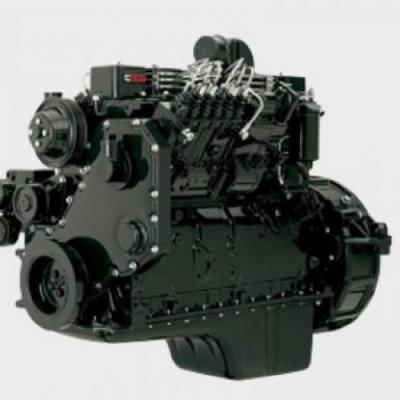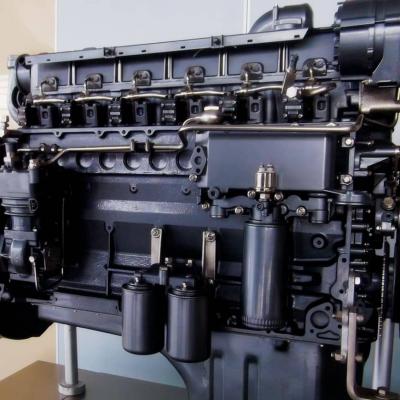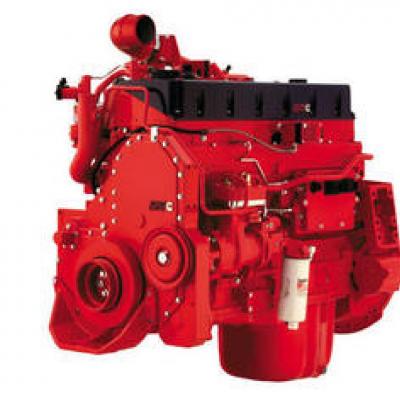
Details
Distinctive Engineering Identity and Real Application Scenarios for the Deutz F6L913
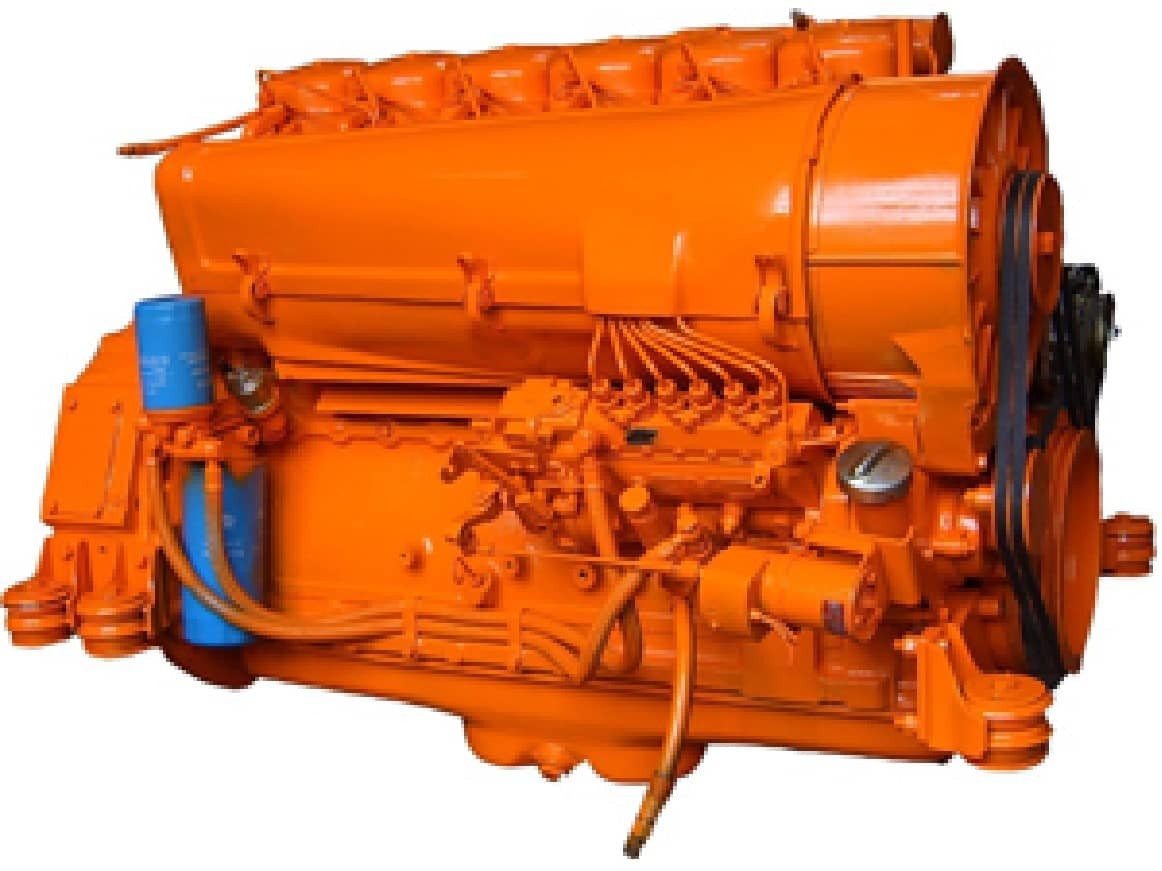
The Deutz F6L913 construction diesel engine occupies a critical tier in off-highway heavy machinery. Unlike liquid-cooled powerplants that depend on radiators, water pumps, hoses, and coolant fluids, the F6L913 relies on an advanced integrated axial blower and engineered cylinder cooling fins. This design delivers distinct performance advantages on remote or rugged job sites.
In real-world construction applications, this 6-cylinder powerplant excels inside medium-to-heavy wheel loaders. When bucket loads of aggregate or heavy soil place sudden strain on the powertrain, the mechanical direct injection system responds immediately. It maintains stable torque delivery without electronic control units that can fail in high-vibration environments.
Road rollers represent another primary operational domain for the F6L913. Compaction equipment frequently operates in confined, dusty spaces where ambient temperatures soar and radiator clogging halts standard diesel engines. The air-cooled architecture of the F6L913 completely eliminates radiator boiling risks, ensuring uninterrupted duty cycles during multi-shift highway construction.
Furthermore, this engine assembly is widely utilized as a direct replacement option for heavy excavators, crawler bulldozers, and mobile air compressors. Its robust structural block, mechanical robustness, and high reliability under dusty atmospheric conditions make it a preferred choice for contractors operating in arid or remote infrastructure zones.
Tech Specs of Deutz F6L913 Construction Diesel Engine
General Engine Data
Engine Model: Deutz F6L913-Construction Diesel Engine
Type: 6 Cylinders in Line
Displacement: 6.128 L
Bore * Stroke: 100 * 120
Overall Dimension: 1120mm*673mm*820mm
Net Weight (with flywheel & alternator): 445 Kg
Key Performance Data
Continue Power as per DIN170020: 96 kW/2800 rpm
Net Break Fuel Stop Power As Per ISO30046/1(IFN): 96 kW/2800 rpm
Max. Power Output(1500 RPM): 348 N.m @ 1600 rpm
Min Fuel Consumption @ Full Load: 214 g/Kw.h
Highly Intermittent: 85 kW/2500 rpm
More Technical Data
Certification: Euro II
Aspiration: Natural Intake
Fuel System: Direct Injection Pump
Cooling Method: Air Cooling
Electrical System (Starter Motor/Alternator): Electronic Starting (12V/24V)
Compression Ratio: 17:1
Governor Type: Mechanical/Electronic Governor
Comprehensive Technical Comparisons
Understanding how the F6L913 stacks up against related models helps buyers select the correct configuration for specific machinery replacements.
When comparing the Deutz F6L913 to its predecessor, the F6L912, the primary differences lie in displacement, bore size, and thermal efficiency output. While both feature six air-cooled cylinders arranged in-line, the F6L913 increases displacement to 6.128 liters through a modified stroke configuration of 125mm paired with a 102mm bore. This adjustment elevates the rated output to 96kW (130HP) at 2800 RPM. It provides higher peak torque and better reserve power for heavy hydraulic loading compared to the older 912 series.
Moving to comparisons within the turbocharged family, the naturally aspirated F6L913 differs significantly from the BF6L913. The BF6L913 incorporates a turbocharger to boost power output for applications requiring higher altitude performance or greater continuous loads. However, the naturally aspirated F6L913 remains favored by many equipment operators due to its simpler auxiliary setup, lower thermal stress on internal components, and reduced sensitivity to fuel quality in developing markets.
When evaluating the F6L913 against the higher-tier BF6L913C (which features both a turbocharger and charge-air cooling), the standard F6L913 is an ideal drop-in mechanical replacement for older unboosted chassis designs. It avoids the complex intake piping and intercooler retrofitting required when upgrading machinery to intercooled turbocharged specifications.
Maintenance, Replacement Tips, and Common Misconceptions
Maintaining an air-cooled diesel engine requires specific operational habits that differ from standard liquid-cooled units.
Cooling fin maintenance stands as the most critical service requirement for the F6L913. Because the engine relies entirely on airflow channeled across individual cast-iron cylinder barrels and heads, accumulation of dust, oil residue, or construction debris on the fins directly impairs thermal dissipation. Operators must inspect and clean the cooling fins and the belt-driven axial blower regularly using compressed air or approved solvents. Neglecting this routine leads to localized overheating, piston scuffing, and premature component wear.
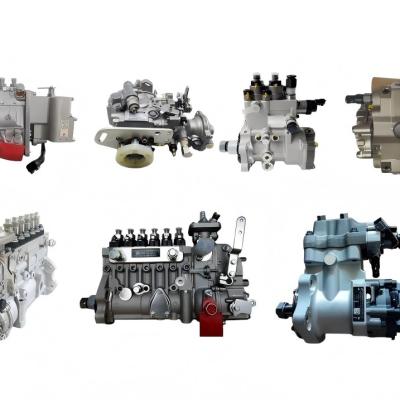
Fuel injection pump troubleshooting requires careful attention to the mechanical direct injection setup. If the engine experiences power loss or uneven idling under load, technicians should inspect the inline fuel injection pump and mechanical governor rather than searching for sensor faults. Clean fuel filtration is essential, as mechanical injectors operate under high pressure and are sensitive to particulate contamination common in remote construction environments.
When executing an engine replacement, verifying physical mounting dimensions and flywheel housing compatibility is mandatory. The F6L913 mounting feet, bell housing interface, and power take-off points must align perfectly with the target machinery frame to prevent alignment torsion. Technicians should always perform a comprehensive inspection checklist covering compression pressures, oil pressure at idle, and belt tension before releasing retrofitted machinery back into service.
A common misconception among equipment buyers is that air-cooled diesel engines run hotter and wear out faster than liquid-cooled alternatives. In reality, the combustion chambers of air-cooled engines reach operating temperature much faster. This reduces cold-start wear cycles and prevents over-cooling issues frequently encountered by liquid-cooled engines operating in sub-zero environments. Another frequent myth is that air-cooled engines lack modern emissions capability; the F6L913 series complies cleanly with appropriate Euro II off-highway standards while delivering unmatched mechanical longevity.
Series Integration and Availability from HekoPower
As a specialized global supplier of heavy-duty industrial power units, HekoPower provides complete engine assemblies, short blocks, and matched components tailored to your exact equipment specifications.
Deutz F2L912/FL913-Generator Engine Series, original products from Beinei Deutz Engine Plant. This series mainly includes Deutz F2L912, Deutz F3L912W, Deutz F3L912, Deutz F4L92W, Deutz F4L912T, Deutz F4L912, Deutz F6L912W, Deutz F6L912T, Deutz F6L912, Deutz F3L913, Deutz F4L913, Deutz BF4L913, Deutz F6L913, Deutz F6L913T, Deutz BF6L913, Deutz BF6L913C.
FAQ: Sourcing and Global Procurement Information
Can this engine directly replace an older European-built F6L913 engine?
Yes. Our Deutz F6L913 OEM replacement assemblies follow the exact footprint, mounting point specs, and flywheel housing configurations as original European air-cooled lines. This allows for direct installation into your existing machinery without frame modifications.
Is the Deutz F6L913 suitable for dusty construction environments?
Yes. Its robust air-cooled design removes radiator vulnerabilities, making it highly reliable in sandy, dusty, and arid job sites where water cooling systems frequently fail.
Can the F6L913 replace an older F6L912 engine directly?
In many chassis configurations, yes, though minor adjustments to intake and exhaust connections may be required due to the slightly larger displacement and physical envelope of the 913 series.