Details
Engineering Excellence of the DCEC BGe 150-30 Gas Powertrain
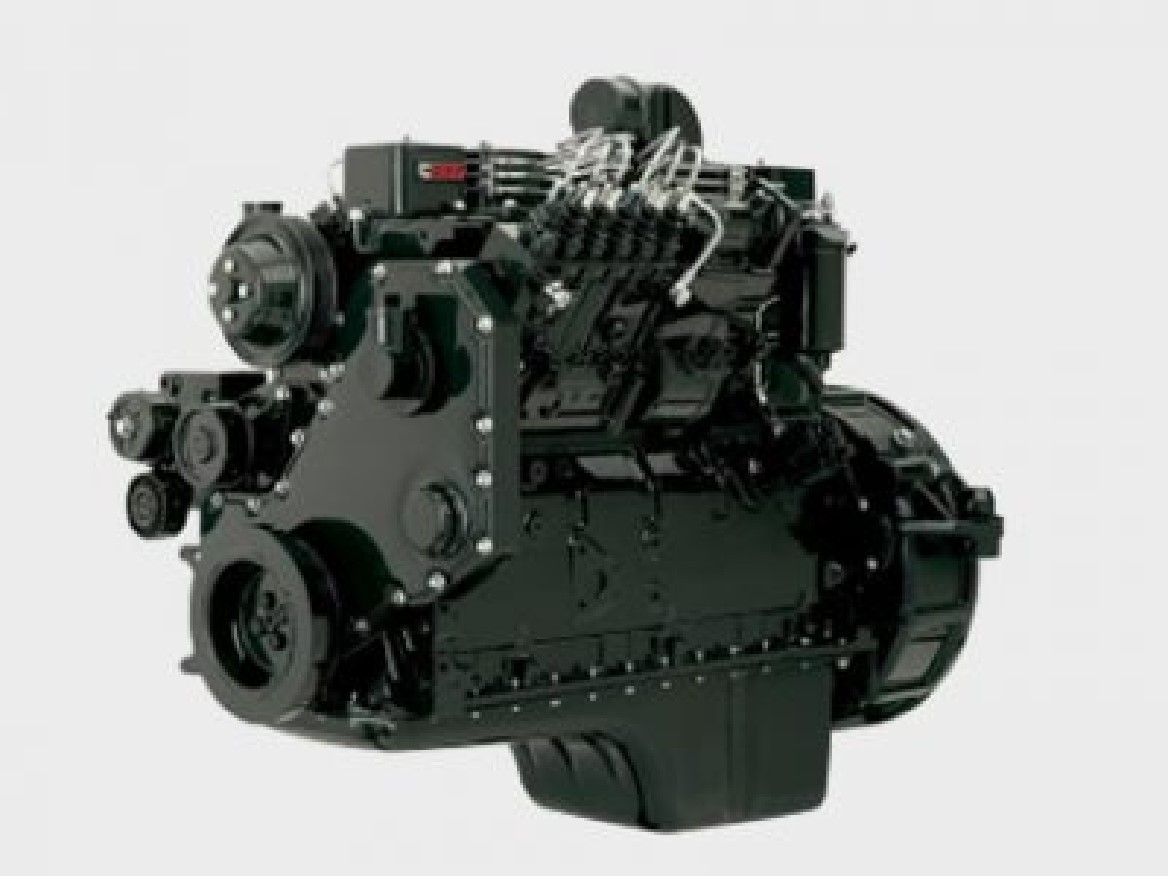
As a trusted global engine supplier, HekoPower provides specialized commercial powertrain solutions designed to meet stringent modern emission standards without sacrificing heavy-duty durability. The Cummins BGe 150-30 engine stands out in the Dongfeng Cummins (DCEC) lineup as a robust 5.9-liter, 6-cylinder natural gas engine built specifically for commercial transport applications. Delivering a rated power of 112kW (150 HP) at 2500 RPM, this turbocharged and charge-air cooled power plant bridges the gap between urban environmental compliance and commercial-grade hauling reliability.
A common misconception in fleet maintenance is that gas-powered commercial vehicle blocks share identical internal component wear patterns with standard diesel counterparts. In reality, the BGe 150-30 features specialized combustion chamber geometry, hardened valve seats, and high-energy ignition management designed to handle the higher thermal loads inherent in stoichiometric gas combustion. Understanding these architectural distinctions ensures that maintenance personnel select the correct genuine replacement components when servicing the cylinder head, fuel mixing system, or turbocharger assemblies.
Tech Specs of BGe 150-30 Gas Engine
General Engine Data
General Engine Data
Engine Model: Cummins BGe 150-30
Type: 6 Cylinders in Line
Displacement: 5.9 L
Bore * Stroke: 102 * 120
Net Weight (with flywheel & alternator): 461 Kg
Overall Dimension: 1026mm*699mm*912mm
Key Performance Data
Rated Power: 112 kW/150 HP
Rated Speed: 2500 rpm
Max Torque/Speed: 508 N.m @ 1500 rpm
Fuel Consumption @ Rated Power: 232 g/Kw.h
Torque Available @ Clutch Engagement: 386 N.m
Max. Altitude for Continuous Opera: 2700 m
More Technical Data
Certification: U.S.EPA 2004, Euro II
Aspiration: Turbocharged & Air-Air Intercooled
Fuel System: Cummins Fuel System
Compression Radio: 10.5:1
Starting System: Electrical Starting Motor 24V(510A)
Lowest Starting Temp Without auxiliary system: -10℃/-25℃
Cooling Method: Water cooled
Engine Cooling Fluid Volume: 9.9 L
Real Application Scenarios in Urban and Municipal Fleets
The operational profile of the Cummins BGe 150-30 natural gas engine makes it exceptionally well-suited for stop-and-start urban environments where diesel soot and particulate emissions face strict municipal restrictions. City public transport buses, municipal sanitation trucks, and regional delivery medium-duty trucks frequently utilize this specific 150HP configuration.
Because urban delivery vehicles and municipal transport fleets require consistent low-end torque coupled with smooth throttle response during frequent acceleration cycles, the 5.9L displacement configuration provides an optimal balance. Fleet operators transitioning from older diesel units to the Dongfeng Cummins BGe engine experience significantly reduced cabin noise, lower particulate matter output, and compliance with regional clean-air mandates while maintaining the pulling power required for daily scheduled routes.
Comparative Analysis of BGe Series Powertrains
When evaluating commercial power options, engineers and fleet managers often weigh the Cummins BGe 150-30 against alternative power ratings within the same family, such as the BGe 195-31 or traditional mechanical B5.9-150G units. While the B5.9 designation historically referred to heavy-duty mechanical diesel or stationary generator variants, the BGe series is explicitly engineered for on-highway vehicle chassis integration.
Unlike higher-output variants in the BGe lineup that are tuned for extended highway cruising at elevated torque bands, the BGe 150-30 is calibrated for medium-duty distribution cycles where throttle responsiveness at mid-range RPMs takes precedence. The turbocharger matching and air-to-air intercooling parameters on the 150-30 model are specifically optimized to prevent thermal saturation during prolonged idling periods common in municipal refuse collection and urban transit schedules.
Essential Maintenance and Replacement Guidelines
Maintaining optimal fuel efficiency and emission control on a Cummins BGe 150-30 complete engine assembly requires strict adherence to specialized service intervals. Unlike diesel engines, natural gas power units demand rigorous inspection of ignition coils, spark plug gap tolerances, and crankcase ventilation systems. Technicians should inspect and service spark plugs at recommended intervals to prevent misfires that can prematurely degrade the catalytic converter and oxygen sensors.
When performing a Cummins BGe 150-30 engine replacement, verifying the engine serial number data plate ensures that electronic control module (ECM) calibration files match the specific transmission and axle ratios of the commercial chassis. Using genuine replacement accessories—ranging from the dedicated gas fuel pressure regulator to specialized exhaust manifolds—guarantees that the thermal expansion characteristics align perfectly with factory specifications, preventing costly downtime and intake manifold cracking.
Series Integration and Related Powertrain Options
Navigating the comprehensive range of commercial power options requires understanding how individual models interconnect within our product catalog. Whether your fleet operations call for light urban distribution units or heavy municipal transport configurations, matching the exact power rating to your chassis requirements is essential for long-term operational success. DCEC Gas Engine Series, original products from Dongfeng Cummins Engine Plant (DCEC), Cummins Joint Venture Plant since 1986, 50% shareholding by Cummins USA. This series mainly includes B5.9-150G, BGe 150-30, B5.9-195G, BGe 195-31, BGe 200-30, B5.9-230G, BGe 230-31.
Frequently Asked Questions (FAQ)
How does the BGe 150-30 differ from stationary generator gas engines?
While both utilize a 5.9-liter 6-cylinder block, the BGe 150-30 vehicle engine features automotive-grade electronic control calibrations, dynamic governor settings optimized for variable vehicle loads, and specialized transmission mounting points distinct from stationary genset configurations.
What is the recommended oil grade for the Cummins BGe 150-30?
This natural gas engine requires low-ash, ash-controlled natural gas engine oils specifically formulated to prevent valve recession and minimize combustion chamber ash deposits, differing from standard diesel engine lubricants.
Can the BGe 150-30 be used as a direct replacement for older B5.9 diesel blocks?
Retrofitting requires a complete fuel delivery system conversion to handle compressed natural gas (CNG) or liquefied natural gas (LNG), along with dedicated ignition wiring harnesses and ECM integration; it cannot be dropped directly into a standard diesel fuel infrastructure without auxiliary modifications.