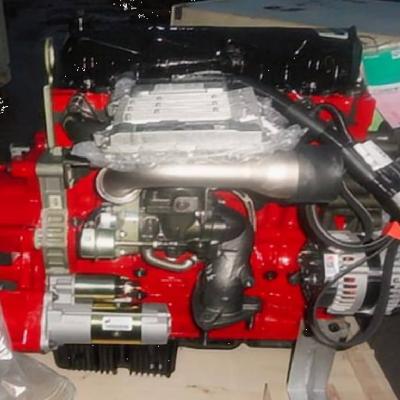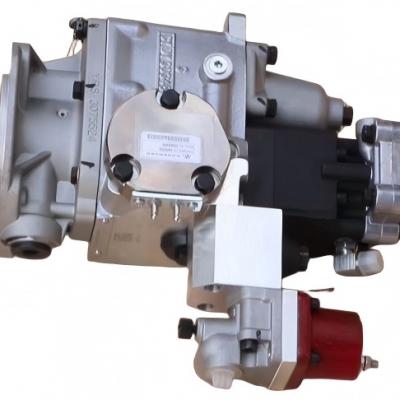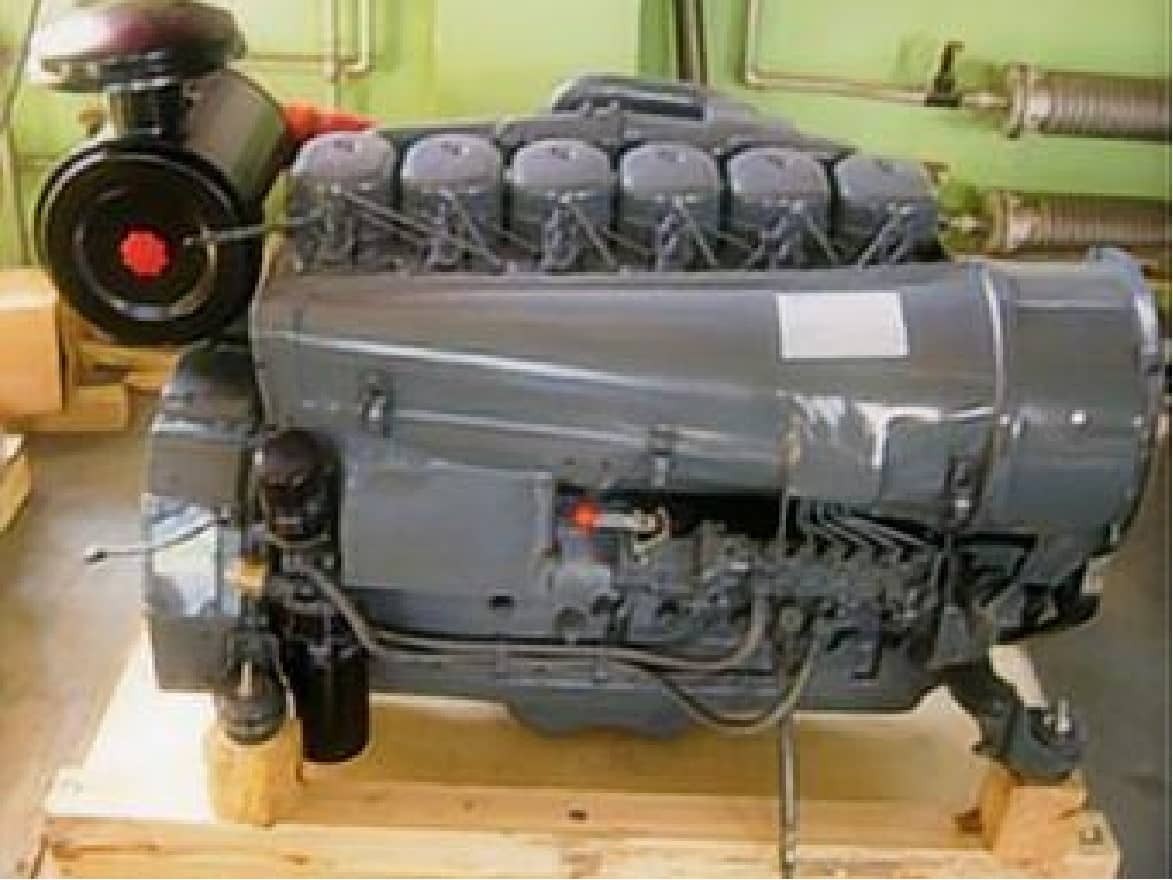
Details
Engineering Distinction of the Deutz F6L913T in Construction Environments
The Deutz F6L913T construction diesel engine represents a proven engineering standard for heavy off-road machinery operating in extreme ambient conditions. Unlike liquid-cooled powerplants that rely on complex radiator loops, vulnerable water pumps, and antifreeze mixtures, this six-cylinder turbocharged air-cooled industrial engine utilizes individual cylinder jugs and optimized cooling blower geometry. This configuration eliminates thermal shock risks in arid, dusty, or freezing work sites.
Operating at a rated output of 96kW (130HP) at 2500 RPM, the F6L913T industrial engine delivers robust torque characteristics reaching 425 Nm at 1600 RPM. This torque backup curve allows heavy machinery to maintain traction and hydraulic pump pressure under sudden shock loads without bogging down.
Tech Specs of Deutz F6L913T Construction Diesel Engine
General Engine Data
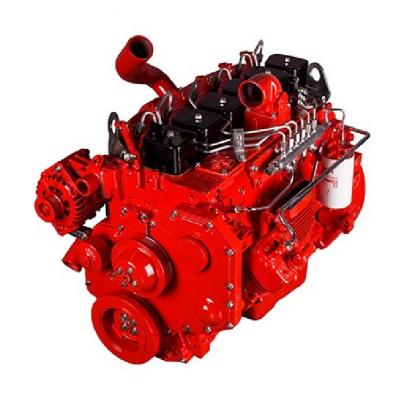
Engine Model: Deutz F6L913T-Construction Diesel Engine
Type: 6 Cylinders in Line
Displacement: 6.128 L
Bore * Stroke: 100 * 120
Overall Dimension: 1123mm*682mm*919mm
Net Weight (with flywheel & alternator): 495 Kg
Key Performance Data
Continue Power as per DIN170020: 96 kW/2500 rpm
Net Break Fuel Stop Power As Per ISO30046/1(IFN): 96 kW/2500 rpm
Max. Power Output(1500 RPM): 425 N.m @ 1600 rpm
Min Fuel Consumption @ Full Load: 214.8 g/Kw.h
Highly Intermittent: 91 kW/2500 rpm
More Technical Data
Certification: Euro II
Aspiration: Turbocharged
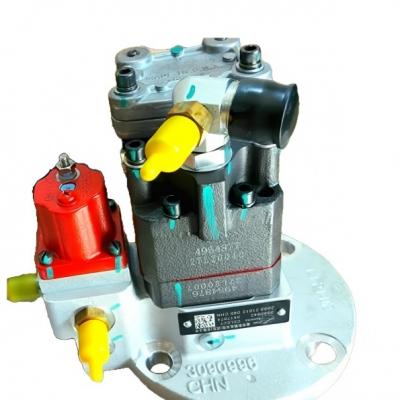
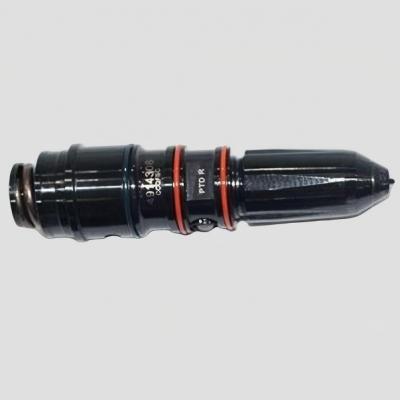
Fuel System: Direct Injection Pump
Cooling Method: Air Cooling
Electrical System (Starter Motor/Alternator): Electronic Starting (12V/24V)
Compression Ratio: 17:1
Governor Type: Mechanical/Electronic Governor
Technical Comparisons Against Alternative Configurations
Evaluating the F6L913T against standard naturally aspirated variants and competitor models reveals distinct mechanical advantages. Standard naturally aspirated units in the FL912 and FL913 families often struggle to maintain volumetric efficiency at elevated altitudes or during continuous heavy draw. In contrast, the F6L913T integrates a matched exhaust-driven turbocharger that compensates for barometric pressure drops up to moderate elevations without requiring derated fuel adjustments.
Compared to competitive liquid-cooled blocks found across various aftermarket supplier portfolios, the air-cooled architecture of the F6L913T reduces parasitic power losses from water pump drives. Furthermore, individual cylinder heads simplify field overhauls, allowing technicians to service a single cylinder assembly without disturbing adjacent blocks or draining coolant systems.
Real-World Application Scenarios and Load Profiles
The F6L913T construction machinery engine is specifically configured for high-demand earthmoving and compaction equipment. In heavy wheel loaders, the engine responds rapidly to sudden hydraulic demand surges during bucket breakout and lifting cycles. The mechanical direct injection fuel system ensures precise fuel atomization, maintaining clean combustion even during cyclic variable-load operations.
Road construction contractors frequently deploy this 6.128L six-cylinder engine in tandem vibratory rollers, pneumatic tire rollers, and soil stabilizers. The continuous high-ambient heat generated during asphalt compaction tests cooling efficiency to its limits. The integrated belt-driven axial blower on the F6L913T draws massive volume airflow directly across finned cylinder barrels, maintaining stable operating temperatures where liquid radiators frequently clog with airborne dust or stone fines. Additional duty deployment includes mobile crushers, trenchers, and crawler-mounted drilling rigs operating on remote infrastructure sites.
Precision Maintenance Protocols and Component Longevity
Maximizing the operational lifespan of a Beinei Deutz F6L913T engine assembly requires strict adherence to specialized maintenance routines. Because air-cooled engines depend entirely on unobstructed cooling fins for thermal dissipation, daily visual inspections must focus on clearing debris, dust cakes, and oil film accumulation from the cylinder cooling fins and the main hydraulic blower housing.
Turbocharger longevity relies heavily on proper idle-down intervals after high-load operations. Operators must allow the turbine shaft to dissipate heat before shutting down the engine to prevent coking in the center housing oil passages. Fuel injection pump timing and valve clearance adjustments must be verified every 500 operating hours to maintain optimal compression ratios across all six cylinders. When performing overhauls, always utilize matched piston and cylinder liner sets to preserve uniform thermal expansion tolerances.
Common Misconceptions Regarding Air-Cooled Turbocharged Diesels
A persistent misconception among equipment operators is that air-cooled diesel engines run significantly hotter than liquid-cooled alternatives. While exterior cylinder wall temperatures are higher by design, internal oil film stability is maintained through high-capacity bypass oil coolers and targeted piston-cooling oil jets. Another frequent error is ignoring the tension and wear state of the blower drive V-belts. A slipping blower belt reduces cooling airflow exponentially, leading to rapid localized overheating even when coolant temperature gauges on liquid systems would read normal.
Series Integration and Regional Machinery Compatibility
Choosing the correct power unit requires proper cross-referencing within the broader industrial ecosystem. Deutz F2L912/FL913-Generator Engine Series, original products from Beinei Deutz Engine Plant. This series mainly includes Deutz F2L912, Deutz F3L912W, Deutz F3L912, Deutz F4L92W, Deutz F4L912T, Deutz F4L912, Deutz F6L912W, Deutz F6L912T, Deutz F6L912, Deutz F3L913, Deutz F4L913, Deutz BF4L913, Deutz F6L913, Deutz F6L913T, Deutz BF6L913, Deutz BF6L913C.
Deutz F6L913T Procurement and Technical FAQ
What causes excessive exhaust smoke under load on a Deutz F6L913T?
Black smoke typically indicates restricted intake airflow through clogged air filters or incorrect fuel injection timing. Blue smoke points toward worn valve stem seals or oil consumption past piston rings due to cylinder bore glazing.
Can the F6L913T replace a naturally aspirated F6L913 in older machinery?
Yes, but the installation requires verifying engine compartment clearance for the turbocharger plumbing, exhaust manifold routing, and ensuring the fuel control linkage matches the turbocharged injection pump governor curve.
What is the recommended oil grade for high-ambient construction duty?
For heavy-duty construction operations in high ambient temperatures, utilize high-detergent heavy-duty diesel engine oils meeting API CI-4 specifications with viscosity ratings matching local seasonal operational parameters.