Details
Engineering Excellence and Core Architecture of the Deutz F4L913
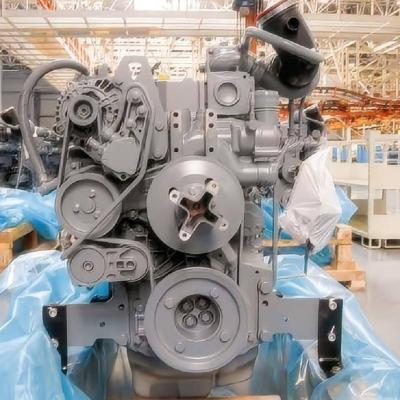
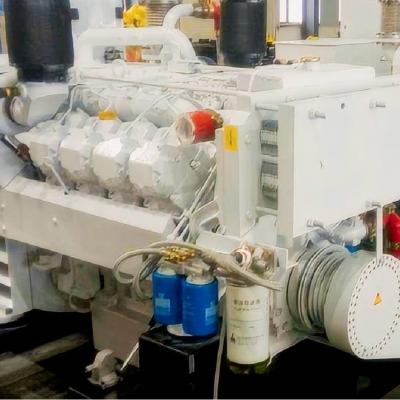
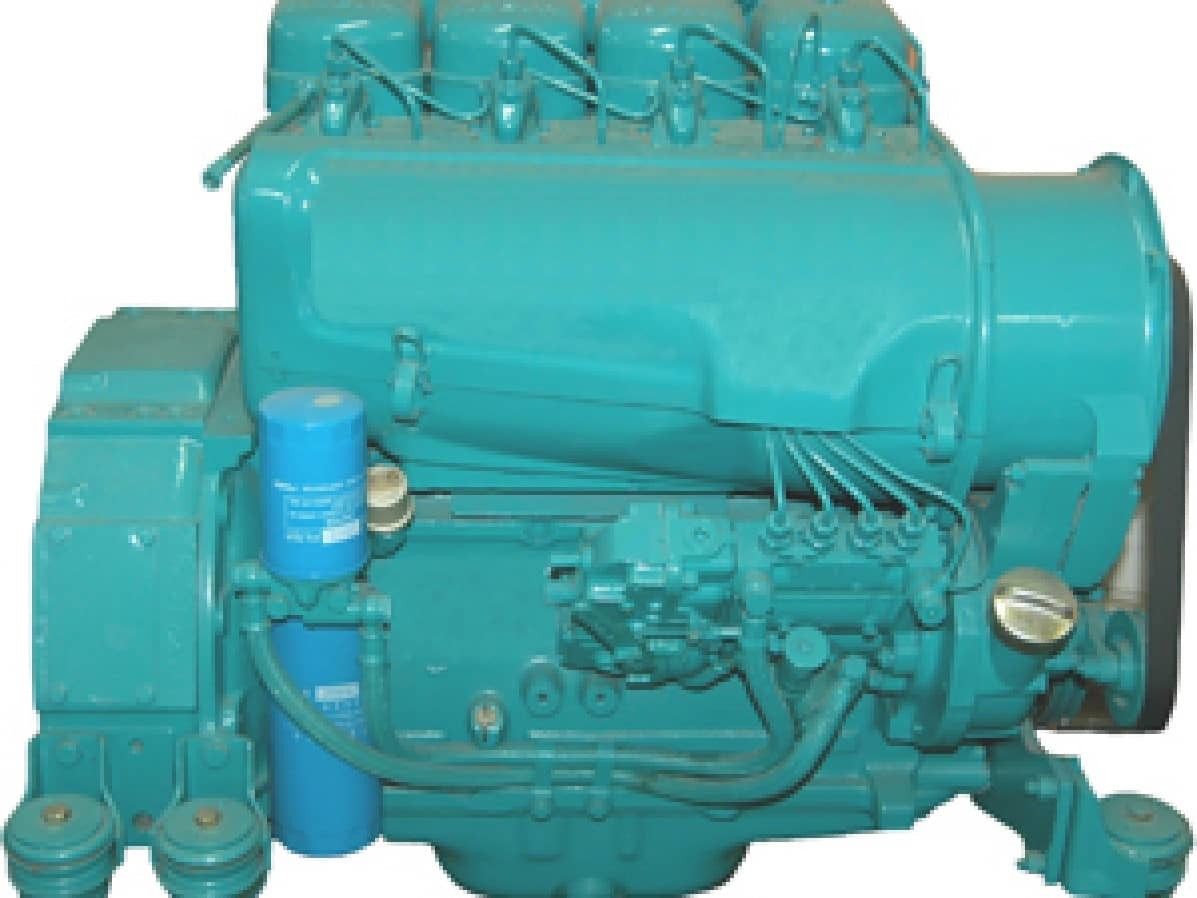
The Deutz F4L913 stands out in modern heavy-duty construction fleets due to its unique air-cooled thermal architecture, eliminating complex liquid cooling circuits while maintaining exceptional thermal stability under harsh operational loads. As a 4-cylinder, naturally aspirated inline diesel engine with a displacement of 4.086 liters, it delivers a rated power output of 64 kW at 2800 RPM alongside a peak torque of 255 Nm at 1600 RPM. This torque backup characteristic allows construction machinery to handle sudden mechanical resistance without stalling, making it an ideal power source for equipment operating in remote areas where water supply for cooling is scarce or unreliable. The direct injection combustion system optimizes fuel atomization, achieving a minimum fuel consumption rate under full load that minimizes operational expenses across prolonged job cycles. HekoPower provides complete engine assemblies configured with precision-matched flywheel housings, robust mechanical governors, and integrated cooling blower fans designed to match OEM mounting dimensions seamlessly.
Tech Specs of Deutz F4L913 Construction Diesel Engine
General Engine Data
Engine Model: Deutz F4L913-Construction Diesel Engine
Type: 4 Cylinders in Line
Displacement: 4.086 L
Bore * Stroke: 100 * 120
Overall Dimension: 860mm*673mm*820mm
Net Weight (with flywheel & alternator): 322 Kg
Key Performance Data
Continue Power as per DIN170020: 64 kW/2800 rpm
Net Break Fuel Stop Power As Per ISO30046/1(IFN): 64 kW/2800 rpm
Max. Power Output(1500 RPM): 255 N.m @ 1600 rpm
Min Fuel Consumption @ Full Load: 214 g/Kw.h
Highly Intermittent: 56 kW/2500 rpm
More Technical Data
Certification: Euro II
Aspiration: Natural Intake
Fuel System: Direct Injection Pump
Cooling Method: Air Cooling
Electrical System (Starter Motor/Alternator): Electronic Starting (12V/24V)
Compression Ratio: 17:1
Governor Type: Mechanical/Electronic Governor
Technical Comparisons with Related Series Models
When evaluating power options within the 913 family, technical differences between the naturally aspirated F4L913, its predecessor the F4L912, and the turbocharged BF4L913 variant dictate proper selection for specific machinery. Compared to the older F4L912, the F4L913 features a larger stroke of 125 millimeters combined with a 102-millimeter bore, resulting in increased displacement and a higher power ceiling while retaining the same modular single-cylinder design philosophy. This structural evolution grants the F4L913 superior thermal tolerance and smoother power delivery at lower RPM ranges. Conversely, when comparing the naturally aspirated F4L913 to the turbocharged BF4L913, the primary distinction lies in forced induction versus atmospheric breathing. While the BF4L913 utilizes a turbocharger to extract higher power outputs exceeding 78 kilowatts for demanding high-altitude or heavy-load applications, the naturally aspirated F4L913 relies purely on ambient air induction. This mechanical simplicity reduces component complexity, lowers initial maintenance overhead, and ensures higher reliability in dusty, particulate-heavy construction environments where turbocharger seals can experience accelerated wear from debris ingestion.
Real-World Application Scenarios in Construction Machinery
Heavy-duty construction sites demand power units capable of enduring continuous vibration, high ambient temperatures, and heavy dust loads without performance degradation. The Deutz F4L913 finds its primary niche across a wide variety of mobile machinery, including tandem road rollers, soil compactors, wheel loaders, and mid-sized excavators. In road rollers and compaction equipment, the engine's ability to maintain steady torque at low speeds ensures uniform compaction passes without engine lugging. For wheel loaders working in sand and gravel pits, the air-cooled configuration prevents the common radiator clogging issues that plague water-cooled engines in dusty atmospheres. Furthermore, concrete mixers and mobile screening plants utilize the F4L913 for its compact installation envelope and straightforward PTO integration via crankshaft or V-belt arrangements, allowing secondary hydraulic pumps to be driven directly without complex auxiliary gearbox modifications.
Practical Maintenance and Replacement Strategies
Cooling Fin and Airflow Management
Maintaining the air-cooled integrity of the F4L913 requires regular inspection of individual cylinder cooling fins and the belt-driven axial blower. Accumulated dirt, oil residue, or asphalt dust between the cooling fins creates an insulating barrier that hinders heat dissipation, potentially leading to localized overheating and cylinder scoring. Technicians must routinely clean the fin channels using compressed air or approved solvent washes, verifying that the integrated temperature sensors and fan belt tension remain within factory tolerances to ensure proper cooling airflow across all four cylinders.
Fuel Injection System Maintenance
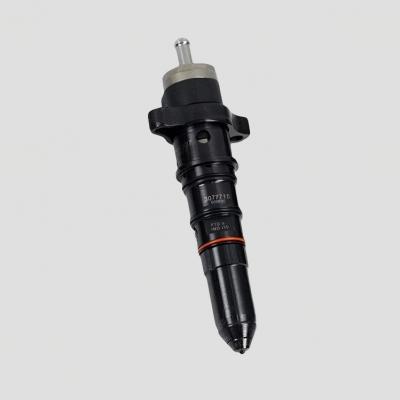
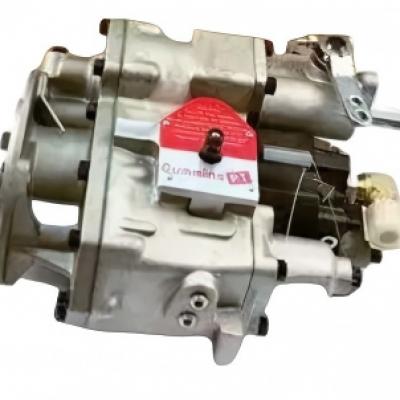
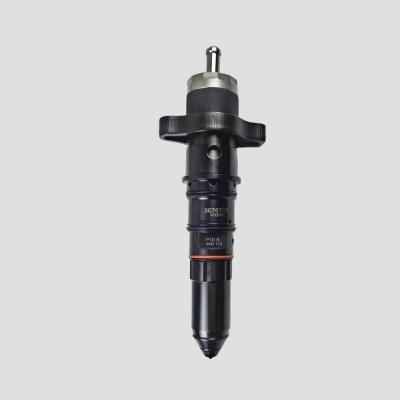
The mechanical fuel injection pump system fitted to the F4L913 relies on clean diesel to protect precision plungers and injection nozzles from premature wear. Field maintenance protocols dictate regular draining of water separators and timely replacement of primary and secondary fuel filters. Operators should periodically inspect the mechanical governor linkage and calibrate the fuel rack settings to prevent uneven fueling across cylinders, which can cause exhaust smoke and erratic idle speeds during cold starts.
Engine Replacement and Serial Number Verification
Replacing a legacy construction engine requires rigorous verification of the engine serial number, stamped on the crankcase block near the starter flange. HekoPower assists technicians in cross-referencing these serial numbers to confirm exact compatibility regarding SAE flywheel housing sizes, starter motor voltage specifications, and hydraulic pump mounting pads. Proper alignment during installation prevents torsional stress on the crankshaft and ensures long-term operational durability.
Clarifying Common Misconceptions About Air-Cooled Diesel Engines
A frequent misconception among equipment operators is that air-cooled diesel engines are inherently louder and less thermally stable than liquid-cooled alternatives. In practice, modern acoustic optimization of the F4L913 crankcase and individual cylinder cowlings effectively dampens mechanical noise emissions, bringing operational sound levels well within acceptable industrial thresholds. Additionally, critics often assume that air-cooled engines run hotter in extreme summer conditions; however, because cylinder head temperatures are directly managed by high-velocity forced air without relying on the boiling point limits of pressurized coolant, the engine maintains consistent operating parameters even in extreme desert job sites.
Series Architecture and Related Model Integration
Navigating the broad spectrum of heavy machinery propulsion requires understanding how specific power plants fit into broader equipment classes. Deutz F2L912/FL913-Generator Engine Series, original products from Beinei Deutz Engine Plant. This series mainly includes Deutz F2L912, Deutz F3L912W, Deutz F3L912, Deutz F4L92W, Deutz F4L912T, Deutz F4L912, Deutz F6L912W, Deutz F6L912T, Deutz F6L912, Deutz F3L913, Deutz F4L913, Deutz BF4L913, Deutz F6L913, Deutz F6L913T, Deutz BF6L913, Deutz BF6L913C.
Frequently Asked Questions
Can the F4L913 be used as a direct replacement for an older Deutz F4L912 engine?
Yes, the F4L913 can replace an F4L912 in many applications due to shared mounting dimensions, though verifying the exact flywheel housing, clutch setup, and overall height clearance is necessary to ensure a drop-in fit.
How does the air-cooled design of the F4L913 benefit dusty construction environments?
By eliminating radiators, water pumps, hoses, and coolant fluids, the engine avoids common failure points such as radiator core clogging from airborne dust and coolant leaks caused by intense machinery vibration.
What causes irregular idling in a Deutz F4L913 engine, and how is it corrected?
Irregular idling is typically caused by worn fuel injection nozzles, air ingress in the fuel supply lines, or improper mechanical governor linkage adjustment, which can be resolved by system bleeding, nozzle calibration, and linkage servicing.