Details
Engineering Superiority and Supply Integrity of the XCEC Cummins ISMe380-30
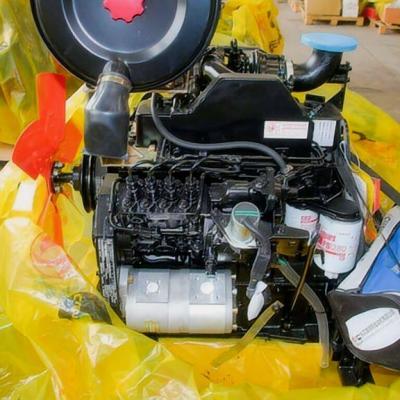
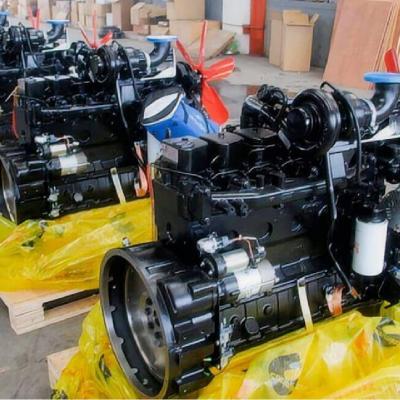
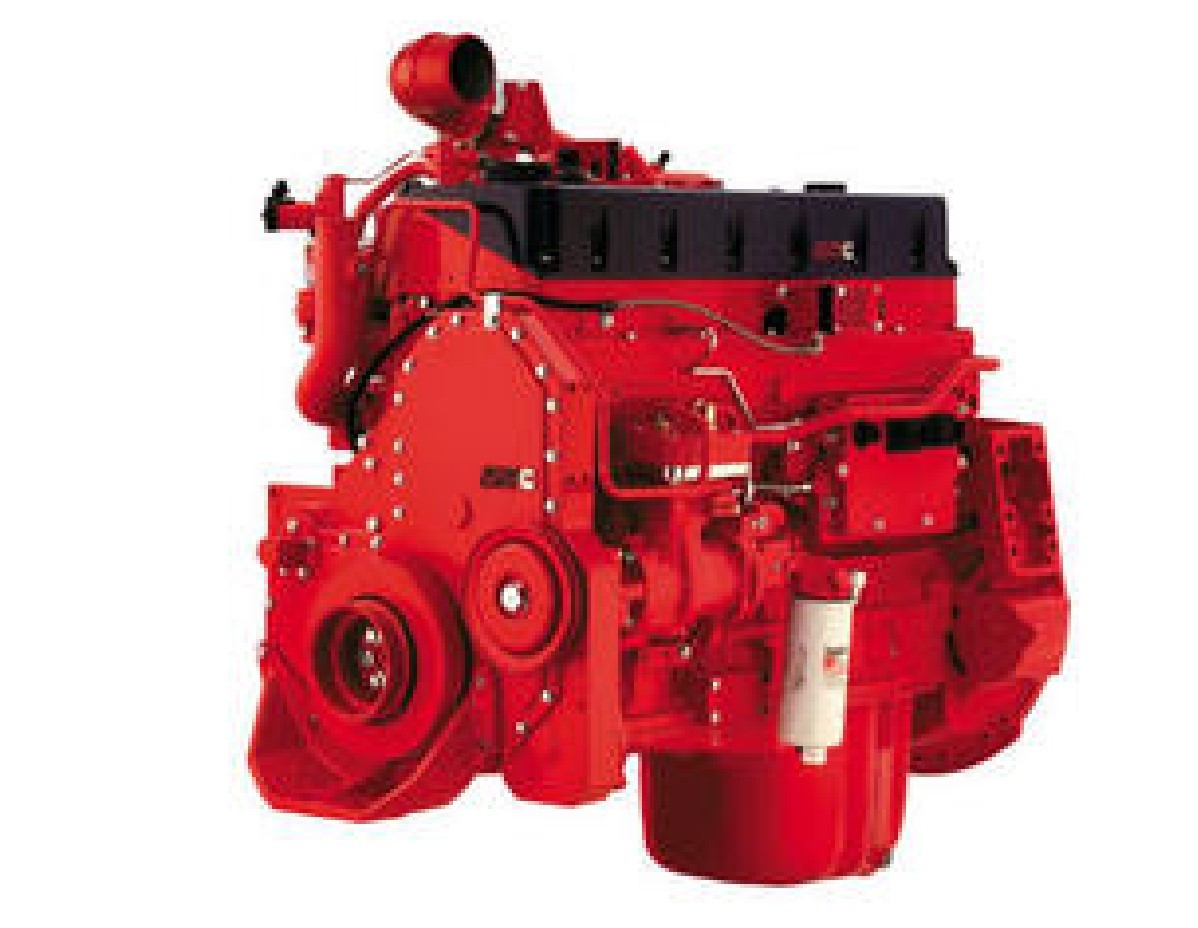
When sourcing a reliable power plant for heavy commercial transport, procurement specialists require absolute clarity regarding manufacturing pedigree and performance durability. Manufactured within the Xi'an Cummins joint venture facility, the XCEC Cummins ISMe380-30 diesel engine represents a pinnacle of heavy-duty propulsion engineering. Designed specifically to endure punishing multi-shift operational cycles, this inline six-cylinder powerplant integrates advanced electronic engine management with rugged mechanical architecture. As an established global supplier of genuine engine assemblies, HekoPower delivers factory-calibrated ISMe380-30 units equipped with the precise Electronic Control Module (ECM) tuning required to maintain optimum thermal efficiency under sustained high-load conditions.
Tech Specs of Cummins ISME380-30
General Engine Data
Engine Model: Cummins ISME 380-30
Type: 6 Cylinders in Line
Displacement: 10.8 L
Bore * Stroke: 114 * 144.5
Net Weight (with flywheel & alternator): 940 Kg
Overall Dimension: 1135mm*825mm*1159mm
Key Performance Data
Rated Power: 280kW/380 HP
Rated Speed: 1900 rpm
Torque/Rated Speed: 1400 N.m @ 1900 rpm
Max. Torque/Speed: 1820 N.m @ 1200 rpm
More Technical Data
Certification: Euro III
Aspiration: Turbocharged & Charge Air Cooled
Fuel System: Cummins Fuel System/EMC876
Compression Radio: 16.2:1
Starting System: Electrical Starting Motor 24V(750A)
Lowest Starting Temp Without auxiliary system: -10℃/-25℃
Cooling Method: Water cooled
Firing Order: 1-5-3-6-2-4
Real-World Operational Scenarios and Fleet Integration
Deploying a commercial vehicle power unit demands precise alignment between output torque characteristics and actual highway or job-site duty cycles. The Cummins ISMe380-30 is primarily configured for demanding long-haul logistics and vocational transport where consistent average speed on extended inclines dictates fleet profitability.
When installed in 6x4 tractor truck chassis operating at gross combined weight ratings between 40 and 44 tons, the 380-horsepower output strikes an ideal balance between cruising velocity and fuel consumption. The engine's broad operating band allows heavy transport vehicles to maintain momentum across rolling terrain with minimal gear shifting, reducing mechanical wear on the transmission driveline.
Beyond standard logistics, vocational operators frequently select the ISMe380-30 power unit for specialized cement mixer chassis and heavy oil tanker applications. These work environments subject the engine to severe auxiliary power takeoff (PTO) loads, prolonged idling, and frequent stop-start maneuvers. The robust wet-sleeve cylinder liner design and high-pressure fuel delivery framework ensure that the engine maintains stable oil pressure and coolant temperatures even when navigating unpaved excavation sites under maximum payloads.
Advanced Technical Comparisons and Calibration Profiles
Selecting the correct engine variant requires evaluating how the ISMe380-30 compares structurally and operationally with adjacent models across the Cummins heavy-duty displacement spectrum.
When evaluating the Cummins ISMe380-30 against the ISME385-30, fleet managers often analyze subtle calibration differences. While the physical displacement remains identical at 10.8 liters across a bore and stroke of 114 by 144.5 millimeters, the ISMe380-30 is specifically calibrated to optimize thermal equilibrium and fuel economy during sustained partial-load operation. This tuning philosophy makes the 380HP variant exceptionally smooth during urban-interstate transit transitions.
In contrast, evaluating the ISMe360-30 against the ISMe380-30 reveals a definitive step in power delivery. The ISMe360-30 delivers 265 kilowatts, whereas the ISMe380-30 scales output to 280 kilowatts at 1900 revolutions per minute. For operators hauling heavier legal payloads where average travel speed on steep mountain grades is critical, upgrading to the 380HP specification prevents thermal overloading and protects transmission synchronizers from excessive heat buildup caused by constant downshifting.
When examining broader platform architectures, comparing the ISMe380-30 with the ISM11E4-385 highlights regional manufacturing adaptations. While both share the core 10.8-liter block, the ISMe series developed by Xi'an Cummins is meticulously optimized for Asian and global heavy commercial vehicle configurations, ensuring seamless integration with local transmission ratios and axle differentials commonly found in heavy-duty vocational trucks.
Professional Maintenance Protocols, Replacement Tips, and Common Misconceptions
Maximizing the operational lifespan of a genuine XCEC ISMe380-30 replacement engine requires strict adherence to scheduled maintenance intervals and a thorough understanding of system sensitivities.
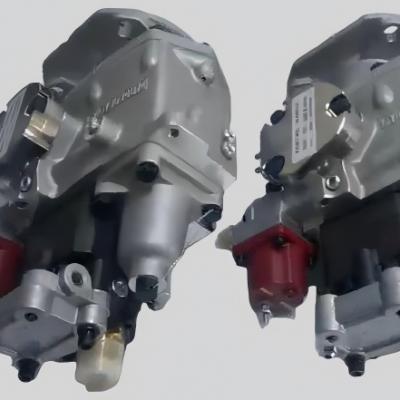
A prevalent misconception among fleet technicians is that electronic common rail and unit injector systems can tolerate lower-grade diesel filtration as long as engine oil changes are performed frequently. In practice, the high-pressure fuel injectors governed by the EMC876 architecture demand absolute fuel purity. Installing secondary water-separating fuel filters with sub-micron rating capabilities prevents premature plunger scoring and maintains proper rail pressure stability.
When executing an engine overhaul, technicians must verify that replacement piston crowns and cylinder kits match the exact compression ratio specifications of the original block. Mixing non-matched components alters the squish clearance, leading to elevated combustion chamber temperatures and premature head gasket fatigue. Furthermore, routine inspection of the turbocharger actuator response time is vital; carbon and soot accumulation in variable geometry or wastegate mechanisms is the leading cause of low power output and black smoke diagnostic codes in high-mileage units.
Verification of engine identity via the Electronic Serial Number (ESN) and Control Parts List (CPL) is mandatory prior to ordering replacement sub-assemblies. This ensures complete compatibility with the vehicle's onboard wiring harness, accelerator pedal sensors, and dashboard communication links.
Xi'an Cummins ISMe Series Architecture & Integration
The Xi'an Cummins Joint Venture Plant has served as a cornerstone of heavy-duty diesel manufacturing since its inception, operating under strict Cummins USA technical standards. The comprehensive ISMe and ISM11 platform family encompasses a wide array of power outputs tailored for diverse global transport requirements.
Cummins ISMe Series, original products from Xi’an Cummins Joint Venture Plant (XCEC), since 1986, 50% owned by Cummins USA, under Cummins Technical & Product Line. This series mainly includes ISME308-30, ISM11E4 308, ISME335-30, ISME345-30, ISM11E4 345, ISM11E5 345, ISME 360-30, ISME 380-30, ISME 385-30, ISM11E4 385, ISM11E5 385, ISM405E-20, ISME 420-30, ISM11E4 420, ISM11E5 420, ISM11E4 440, ISM11E5 440.
Frequently Asked Questions
What transmission models pair best with the Cummins ISMe380-30 in heavy-duty trucks?
The ISMe380-30 pairs exceptionally well with 12-speed or 16-speed fully synchronized manual transmissions, as well as automated mechanical transmissions (AMTs) featuring torque capacities up to 1600 N.m, ensuring the engine operates within its sweet spot between 1200 and 1500 RPM during cruising.
How does the Euro III emission calibration affect the fuel system configuration of the ISMe380-30?
The Euro III configuration utilizes high-pressure mechanical-electronic unit injectors or robust common rail architecture calibrated to handle varying diesel sulfur qualities globally while maintaining precise injection atomization to curb particulate matter generation.
What are the primary diagnostic indicators of a failing fuel injector on an ISMe380-30 engine?
Primary indicators include uneven idle vibration, a noticeable drop in fuel economy, increased exhaust smoke under acceleration, and elevated rail pressure fluctuation codes logged in the ECM.
Can an ISMe380-30 engine assembly be retrofitted into a chassis originally fitted with an older mechanical Cummins engine?
Yes, but because the ISMe380-30 relies heavily on electronic management, retrofitting requires installing compatible wiring harnesses, accelerator pedal position sensors, and ECM communication links with the vehicle dashboard.