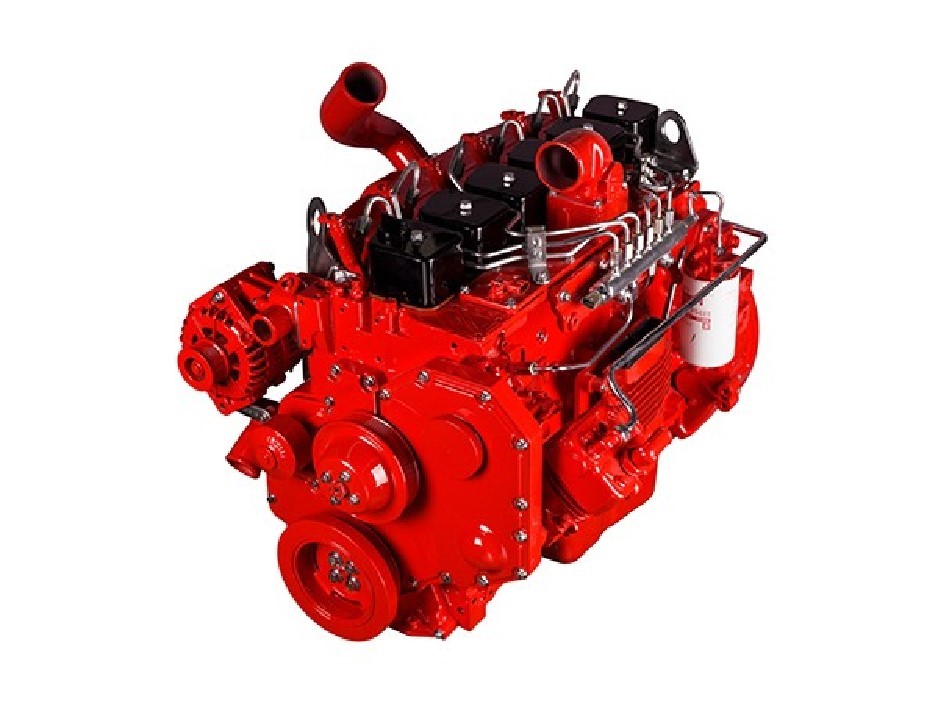
Details
Engineering Identity and Real-World Application Scenarios for the Cummins ISBe 180
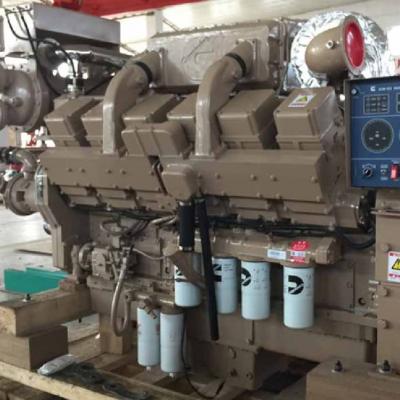
The Dongfeng Cummins ISBe 180 engine stands as a benchmark powerplant within the medium-duty commercial transport sector. Engineered to deliver 132 kilowatts (180 horsepower) at 2,500 RPM, this platform bridges the gap between lightweight urban delivery agility and heavy-duty highway endurance.
In real-world deployment, the ISBe 180 engine powers a wide array of commercial vehicles. Medium-duty cargo trucks operating across regional logistics corridors rely on its flat torque curve to maintain steady cruising speeds on rolling terrain without excessive gear shifting. City and intercity transit buses also utilize this vehicle engine configuration because its low-end torque delivery ensures smooth acceleration from frequent stops while maintaining strict fuel economy standards under heavy passenger loads.
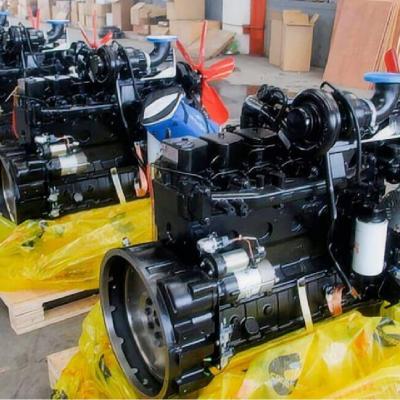
As an established engine supplier, HekoPower provides complete ISBe 180 engine assemblies configured to match original equipment manufacturer specifications. Fleet operators replacing fatigued or worn powerplants find that dropping in a complete DCEC ISBe 180 assembly minimizes vehicle downtime and restores factory-original emission and performance parameters.
Tech Specs of Cummins ISBe180
General Engine Data
Engine Model: Cummins ISBe 180
Type: 6 Cylinders in Line
Displacement: 3.9 L
Bore * Stroke: 102 * 120
Net Weight (with flywheel & alternator): 453 Kg
Overall Dimension: 1095mm*744mm*905mm
Key Performance Data
Rated Power: 132 kW/180 HP
Rated Speed: 2500 rpm
Idle Speed: 600-800 rpm
Fuel Consumption @ Rated Power: 20.8 L/hr
Max. Altitude for Continuous Opera: 2000 m
Max. torque/Speed: 625 N.m @ 1500 rpm
More Technical Data
Certification: Euro III/IV
Aspiration: Turbocharged & Intercooled
Fuel System: DESNO HPCR Pump/ ECM2220
Compression Radio: (17.3±0.5):1
Starting System: Electrical Starting Motor 24V(510A)
Lowest Starting Temp Without auxiliary system: -10℃/-41℃
Cooling Method: Water cooled
Engine Cooling Fluid Volume: 7.0 L
Technical Comparison and Architecture Performance
Evaluating the Cummins ISBe 180 requires looking beyond basic horsepower figures to understand how its internal architecture outperforms older mechanical or poorly optimized electronic alternatives.
When compared to legacy 6B series mechanical engines, the ISBe 180 integrates an advanced High-Pressure Common Rail (HPCR) fuel injection system. This electronic architecture maintains injection pressures exceeding 1,600 bar regardless of engine speed, atomizing diesel fuel much more finely than older rotary or inline pump systems. Consequently, combustion efficiency rises significantly, reducing particulate matter output and smoothing out the harsh combustion noise typical of older medium-duty diesel designs.
Furthermore, when contrasted with higher-horsepower variants in the same displacement family (such as the ISBe 210 or ISBe 220), the 180HP tuning configuration operates at a more conservative thermal and mechanical load threshold. This lower rating places less stress on the cylinder block, pistons, and valve train during continuous high-load operations. For fleet operators prioritizing longevity and reduced overhaul frequency over aggressive top-end speed, the ISBe 180 provides superior durability and extended service intervals.
Professional Maintenance, Overhaul Tips, and Common Misconceptions
Maximizing the operational lifespan of a DCEC ISBe180 diesel engine requires strict adherence to maintenance protocols and an awareness of common service misconceptions.
A frequent misconception among inexperienced technicians is that the HPCR fuel system on the ISBe 180 can tolerate standard secondary fuel filtration levels used on older mechanical engines. In reality, the extremely tight tolerances within modern common rail injectors demand absolute fuel cleanliness. Even microscopic particulate contamination can score injector valves, leading to fuel dilution, white smoke, and power loss. Operators must use OEM-grade multi-stage fuel water separators and replace them strictly according to operating hours.
When performing an engine overhaul or replacing component assemblies, proper turbocharger inspection is vital. The Holset wastegate turbocharger matched to the ISBe 180 relies on clean, pressurized engine oil for both lubrication and heat dissipation. Mechanics should always prime oil feed lines before initial startup following an overhaul to prevent bearing scoring. Additionally, checking the charge air cooler (CAC) piping for oil residue or micro-cracks prevents unmetered air leaks that disrupt air-fuel ratios and elevate exhaust gas temperatures.
Exploring the DCEC ISBe Family Ecosystem
When sourcing replacement powerplants or specific maintenance assemblies, understanding how individual models fit into the broader manufacturing lineage helps streamline procurement decisions. HekoPower maintains a comprehensive inventory covering multiple displacement tiers and vocational configurations to support diverse commercial requirements.
DCEC ISBe Series, original products from Dongfeng Cummins Engine Plant (DCEC), Cummins Joint Venture Plant since 1986, 50% shareholding by Cummins USA. This series mainly includes ISBe 140, ISBe 160, ISBe 180, ISBe 185-30, ISBe 205, ISBe 220, ISBe 250, ISBe 285, ISB6.7E5285, ISBe 300.
Cummins ISBe180 Procurement FAQ
What is the operating injection pressure range for the ISBe 180 common rail fuel system?
The high-pressure common rail system on the Cummins ISBe 180 operates at pressures up to 1,600 bar or higher, managed dynamically by the electronic control module (ECM) to optimize injection timing and atomization across all load ranges.
Which transmission pairings are most compatible with the ISBe 180 commercial truck engine?
The 132kW output and torque characteristics of the ISBe 180 pair effectively with 5-speed or 6-speed medium-duty manual transmissions, as well as specific automated manual transmissions (AMTs) commonly utilized in regional delivery chassis.
How does the ECM handle diagnostic troubleshooting on the ISBe 180?
The engine utilizes a fully integrated Electronic Control Module that monitors sensor inputs including rail pressure, boost pressure, coolant temperature, and crankshaft position, logging specific diagnostic fault codes (DTCs) that can be accessed via standard diagnostic tools for rapid troubleshooting.