Details
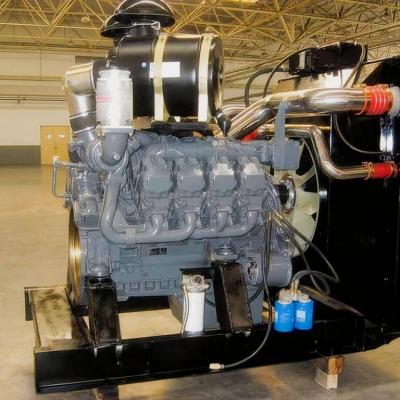
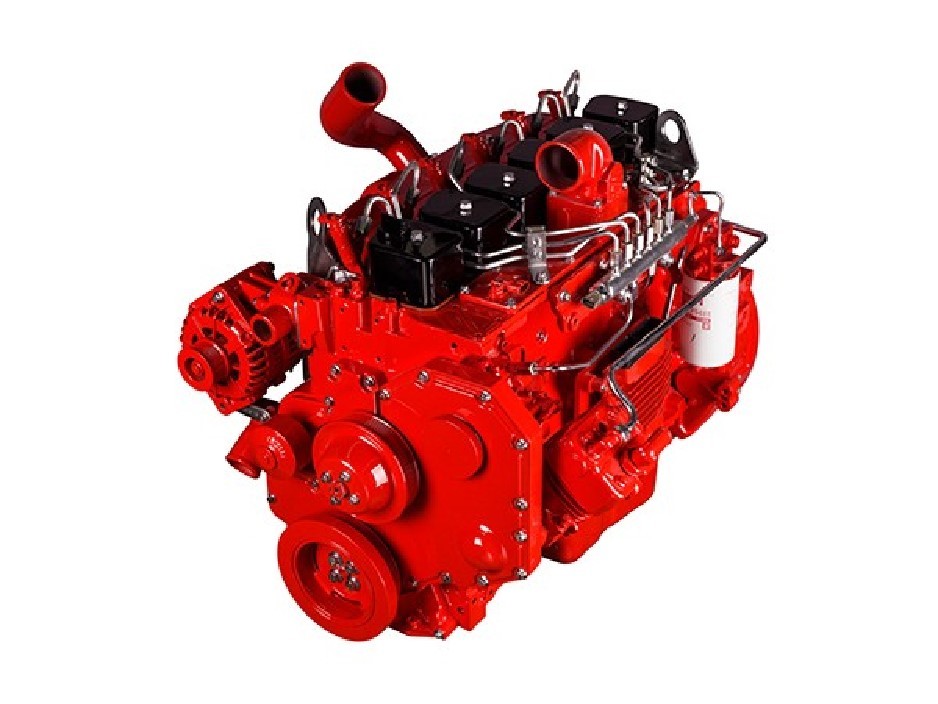
Genuine DCEC Cummins ISBe 300-30 Euro III Engine Assembly (221kW / 300HP)
Commercial fleet operators and OEM builders demand absolute reliability when sourcing powertrain components. The DCEC Cummins ISBe 300-30 diesel engine stands as a benchmark in the 6.7-liter class. Generating 221kW (300HP) at 2500 RPM and a massive 1100Nm of torque, this complete engine assembly is engineered to handle demanding, high-payload duty cycles. At HekoPower, we supply the original DCEC ISBe 300 replacement engine directly to international wholesalers, exporters, and fleet managers seeking authentic OEM quality without compromise.
Tech Specs of Cummins ISBe 300
General Engine Data
Engine Model: Cummins ISBe 300
Type: 6 Cylinders in Line
Displacement: 6.7 L
Bore * Stroke: 102 * 120
Net Weight (with flywheel & alternator): 485 Kg
Overall Dimension: 1050mm*705mm*809mm
Key Performance Data
Rated Power: 221 kW/300 HP
Rated Speed: 2500 rpm
Idle Speed: 600-800 rpm
Fuel Consumption @ Rated Power: 20.8 L/hr
Max. Altitude for Continuous Opera: 2000 m
Max. Torque/Speed: 1100 N.m @ 1200-1800 rpm
More Technical Data
Certification: Euro III/IV
Aspiration: Turbocharged & Intercooled
Fuel System: DESNO HPCR Pump/ ECM2220
Compression Radio: (17.3±0.5):1
Starting System: Electrical Starting Motor 24V(510A)
Lowest Starting Temp Without auxiliary system: -10℃/-41℃
Cooling Method: Water cooled
Engine Cooling Fluid Volume: 7.0 L
Technical Comparisons: Power, Torque, and Emissions Architecture
ISBe 300 vs. ISBe 285: Why Torque and Fuel Curves Matter
When evaluating the 6.7L engine lineup, fleet managers frequently weigh the ISBe 300 against its slightly smaller sibling, the ISBe 285. While both engines share the exact same inline 6-cylinder block architecture, bore, and stroke, the ISBe 300 utilizes an optimized engine control module (the ECM2220) and advanced Denso high-pressure common rail (HPCR) injection calibration. This programming allows the ISBe 300 to sustain its peak 1100Nm torque across a significantly broader RPM band—typically engaging fully between 1200 and 1700 RPM—compared to the narrower torque curve of the 285 model. For operators, this translates directly to fewer gear shifts on steep gradients and superior fuel consumption metrics under maximum payloads.
Euro III Simplicity vs. Euro IV Complexity
Another critical point of comparison for global exporters is the emission standard configuration. The Cummins ISBe 300 Euro III engine offers a distinct operational advantage for regions with less stringent emission mandates, or for fleets operating in harsh environments where ultra-low sulfur diesel is unavailable. Unlike Euro IV or Euro V specifications that require complex Selective Catalytic Reduction (SCR) systems, aftertreatment sensors, and Diesel Exhaust Fluid (DEF), the Euro III ISBe 300 achieves its compliance purely through highly efficient turbocharged intercooler design and precise electronic fuel injection. This mechanical simplicity significantly reduces vehicle downtime, lowers the overall engine weight, and simplifies diagnostic procedures for field technicians.
Real-World Application Scenarios for Commercial Vehicles
Heavy Duty Fitment: 18-25 Ton Rigid Trucks
The 300HP Cummins truck engine is engineered for specific medium to heavy-duty applications. We see the highest demand for the Cummins ISBe 300 6.7L engine assembly from manufacturers and operators of 18 to 25-ton heavy rigid trucks. The engine's exceptional power-to-weight ratio makes it highly responsive in regional haulage and vocational truck setups, including construction tippers, refuse vehicles, and Dongfeng commercial vehicle platforms. The immediate torque delivery ensures these heavy rigid trucks can merge safely into highway traffic even when loaded to maximum gross vehicle weight.
The Industry Standard for 12m City Buses and Coaches
Beyond freight, the Cummins ISBe 300 is an industry-standard bus engine, serving as the go-to power plant for 12-meter city buses and intercity coaches. In urban transit scenarios, a bus requires rapid acceleration from frequent stops while fully loaded with passengers. The HPCR system provides the instant throttle response needed for these exact conditions. Furthermore, passenger comfort is paramount in transit applications. The 6.7L platform utilizes a rear gear train design, moving the timing gears to the back of the block to significantly reduce engine noise and vibration transmission into the passenger cabin. If you are managing a Cummins bus engine replacement project, the ISBe 300 drops seamlessly into standard global bus chassis frames.
Navigating Maintenance and Complete Engine Replacement
The Critical Role of Your CPL Number and OEM Nameplate
Replacing a commercial vehicle engine requires exact component matching. The single most critical step before contacting a Cummins ISBe 300 engine supplier is locating your CPL (Control Parts List) number and OEM serial nameplate. The CPL dictates the exact build specification of your block, including the turbocharger setup, injector sizing, and ECM software calibration. You will find the metal nameplate riveted directly to the engine gear housing or valve cover. Never order a replacement engine based solely on the "ISBe 300" decal on the truck door. Providing HekoPower with your specific CPL number ensures that the replacement engine assembly perfectly integrates with your existing transmission and chassis electronics.
Common Misconceptions During Fleet Repowering
When it comes to maintenance, there are several common misconceptions regarding electronic fuel systems. Mechanics accustomed to older mechanical injection engines sometimes assume the Denso HPCR system is too fragile for rugged environments. In reality, the high-pressure common rail is incredibly durable, provided you strictly adhere to fuel filter replacement intervals. Water contamination is the primary enemy of HPCR injectors. Fleets must ensure they utilize OEM-approved fuel-water separators and drain them daily.
Additionally, operators often underestimate cold weather requirements. The standard ISBe 300 complete engine utilizes a heavy-duty 24V electrical starting motor pulling 510 amps, rated for reliable starts down to minus 10 degrees Celsius. If your fleet operates in extreme winter climates, you must specify the addition of cold-starting auxiliary intake grid heaters, which push the starting threshold safely down to minus 41 degrees Celsius.
Overhaul Kits vs. Complete Replacement Engine Reality
Buyers frequently debate whether to purchase an overhaul kit or buy a complete original DCEC Cummins ISBe 300 engine assembly. While Cummins ISBe 300 engine overhaul kit compatibility and technical data are widely available, a full assembly replacement is frequently the more cost-effective route for high-mileage commercial vehicles. Swapping a complete engine minimizes bay time, sidesteps hidden block fatigue, and provides a factory-fresh ECM2220 and fuel system. This gets the revenue-generating asset back on the road in days rather than weeks, preventing the cascading costs of extended vehicle downtime.
DCEC Automotive Engine Series Overview
Understanding the full spectrum of available powertrains is essential when planning a fleet upgrade or OEM integration. While the 300HP variant offers an ideal balance of power and efficiency for 18-25 ton applications, DCEC manufactures a comprehensive range of outputs within this engine family to suit varying payload requirements and chassis constraints. By exploring the broader lineup, procurement teams can standardize parts across different vehicle classes.
DCEC ISBe Series, original products from Dongfeng Cummins Engine Plant (DCEC), Cummins Joint Venture Plant since 1986, 50% shareholding by Cummins USA. This series mainly includes ISBe 140, ISBe 160, ISBe 180, ISBe 185-30, ISBe 205, ISBe 220, ISBe 250, ISBe 285, ISB6.7E5285, ISBe 300.
Frequently Asked Questions (FAQ)
Are these genuine Cummins ISBe 300 engine assemblies?
Yes. HekoPower operates as a direct wholesale engine supplier in China, sourcing original DCEC (Dongfeng Cummins Engine Company) ISBe 300 units. Every engine includes the official OEM serial nameplate for global verification, ensuring you are receiving authentic commercial-grade hardware.
What is the standard engine lead time and delivery process?
For standard DCEC ISBe 300 replacement engines, our wholesale lead time is typically 15 to 25 days to the port of departure. As an experienced Cummins ISBe 300 engine exporter, we handle all export logistics, securing the complete engine assembly in international shipping-grade wooden crates to prevent any transit damage.
Can this engine replace an older mechanical diesel in my fleet?
Repowering an older mechanical truck or bus with the ISBe 300 electronic fuel system requires an ECM harness and electronic throttle pedal conversion. While it is a highly popular upgrade for extending the life of a fleet vehicle, you must ensure your facility is equipped to route and calibrate the new electronic controls properly.
How do I get an accurate Cummins ISBe 300 wholesale price?
Because international wholesale prices fluctuate based on order volume, export destination, and specific emissions configuration, we provide custom quotes rather than flat catalog pricing. Contact our B2B sourcing team with your target CPL number, and we will return a comprehensive price sheet including shipping logistics.