Details
Cummins ISBe 250 Engine: Complete DCEC 5.9L Diesel Assembly for Commercial Fleet Replacement
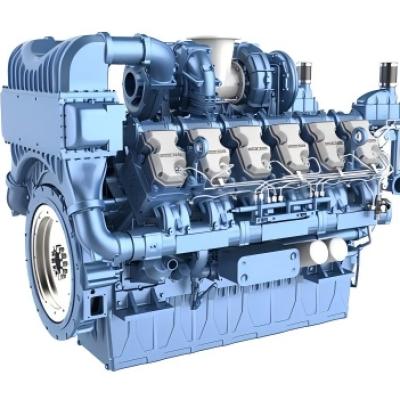
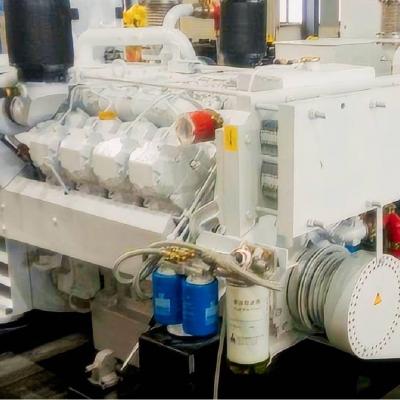
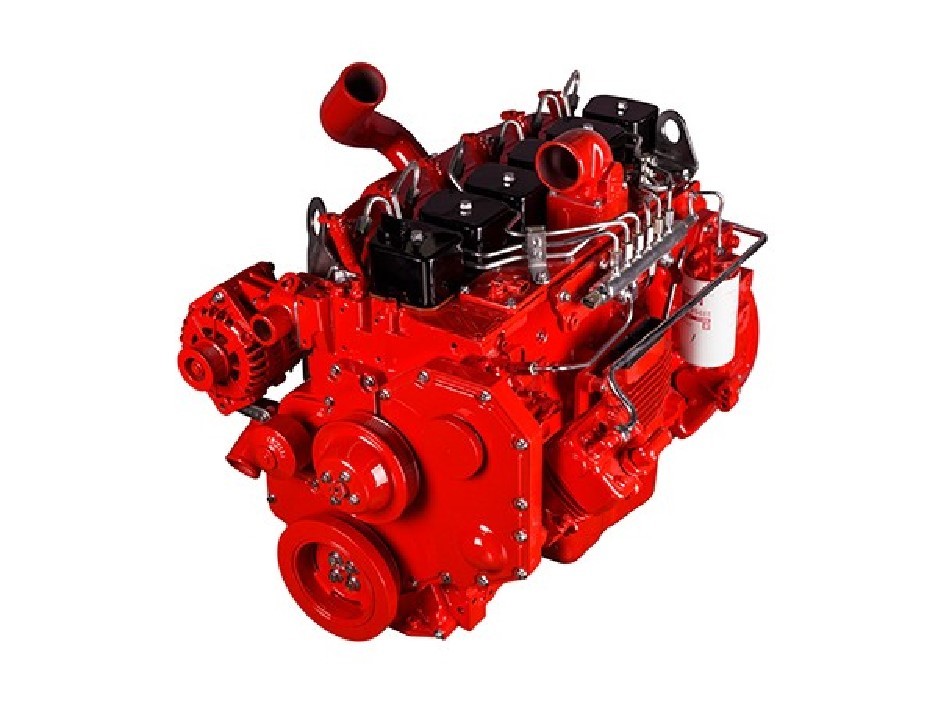
The Dongfeng Cummins ISBe 250 diesel engine provides high-density torque and fuel efficiency for commercial transport. Manufactured by the DCEC joint venture, this 5.9-liter, 6-cylinder inline turbocharged intercooled engine produces 184 kW (250 HP) at 2500 RPM. Designed around a high-pressure common rail (HPCR) fuel system, the engine delivers a peak torque of 951 Nm at 1500 RPM. HekoPower supplies original DCEC ISBe 250 complete engine assemblies configured for medium-duty cargo trucks, 18-ton logistics vehicles, and urban passenger coaches.
Tech Specs of Cummins ISBe 250 Engine
General Engine Data
Engine Model: Cummins ISBe 250
Type: 6 Cylinders in Line
Displacement: 5.9 L
Bore * Stroke: 102 * 120
Net Weight (with flywheel & alternator): 453 Kg
Overall Dimension: 1095mm*744mm*905mm
Key Performance Data
Rated Power: 184 kW/250 HP
Rated Speed: 2500 rpm
Idle Speed: 600-800 rpm
Fuel Consumption @ Rated Power: 20.8 L/hr
Max. Altitude for Continuous Opera: 2000 m
Max. Torque/Speed: 951 N.m @ 1500 rpm
More Technical Data
Certification: Euro III/IV
Aspiration: Turbocharged & Intercooled
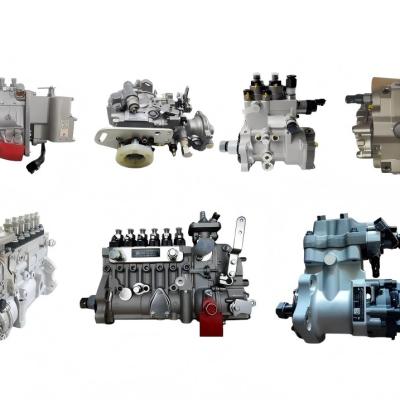
Fuel System: DESNO HPCR Pump/ ECM2220
Compression Radio: (17.3±0.5):1
Starting System: Electrical Starting Motor 24V(510A)
Lowest Starting Temp Without auxiliary system: -10℃/-41℃
Cooling Method: Water cooled
Engine Cooling Fluid Volume: 7.0 L
Technical Comparisons: ISBe 250 Platform Performance
Evaluating the Cummins 5.9L ISBe 250HP diesel engine against mechanical predecessors and larger displacement alternatives reveals key operational trade-offs for fleet operators.
Cummins 5.9L ISBe 250 vs. Classic Mechanical Cummins 6BT 5.9
While both engines share a 5.9-liter displacement with a 102x120 bore stroke, the ISBe 250 relies on a fully integrated electronic control system. The older 6BT utilizes a mechanical inline injection pump, limiting precise fuel metering. The Cummins ISBe 250 HPCR fuel system operates at injection pressures up to 1600 bar, offering cleaner combustion and instant throttle response. Torque output increases significantly from older 6BT limits to 951 Nm on the ISBe 250. Converting an older vehicle from a 6BT to a complete Cummins ISBe 250 engine assembly requires installing an engine wiring harness, electronic accelerator pedal, and ECM interface.
Cummins ISBe 250 (5.9L) vs. Cummins ISDe 250 (6.7L)
Fleet managers often compare the 5.9L ISBe 250 with the 6.7L ISDe 250. The 5.9L ISBe engine maintains a lighter footprint, with a bare engine weight of roughly 453 kg. This lower weight increases overall payload capacity on 18-ton rigid trucks. The 6.7L ISDe platform offers broader low-end torque curves, but the ISBe 250 yields superior fuel economy in stop-and-go urban routes and regional distribution duty cycles. For repowering existing 5.9-liter engine bays, the ISBe 250 allows direct bolt-in mounting without frame cross-member modifications.
Euro 3 (DCEC ISBe250 30) vs. Euro 4 Configuration Differences
The DCEC ISBe250 30 truck engine meets Euro III emission standards without requiring selective catalytic reduction (SCR) or diesel exhaust fluid (DEF). It utilizes an ECM2220 module mapped for high fuel efficiency under variable sulfur fuel conditions. Euro IV rated ISBe 250 variants introduce modified injector spray patterns, adjusted turbocharging profiles, and altered exhaust backpressure limits. Choosing between these versions depends on local environmental regulations and the availability of ultra-low sulfur diesel fuel in your operating region.
Complete Assembly Replacement vs. In-Frame Overhaul
Rebuilding a damaged engine using a localized overhaul kit requires clean-room conditions, precision machining, and extensive shop downtime. A factory-tested Dongfeng Cummins ISBe 250 complete engine replacement arrives fully timed, pressure tested, and calibrated from the factory. Replacing the complete power pack reduces fleet downtime from weeks to a single service shift, eliminating risks associated with improper bearing clearances or contaminated fuel lines during field assembly.
Real Application Scenarios and Operational Demands
The Cummins ISBe 184kW 2500RPM engine balances weight, fuel consumption, and pull power. Different commercial vehicle sectors utilize this power unit to meet distinct performance needs.
18-Ton Rigid Cargo and Regional Delivery Trucks
In mid-duty logistics, 18-ton regional transport trucks operate under frequent gear changes and varying load weights. The ISBe 250 delivers its maximum torque of 951 Nm at 1500 RPM, allowing drivers to maintain highway speed on inclines without dropping gears. This low-RPM torque delivery lowers thermal strain on the cooling package and improves overall fuel economy over long distances.
City Buses, School Buses, and Intercity Coaches
Urban transit demands continuous idling, frequent acceleration, and low cabin noise levels. The Cummins ISBe 250HP engine for city bus and coach applications incorporates pilot injection technology via the HPCR system. Multiple fuel injections per combustion stroke soften peak pressure spikes within the cylinders, resulting in quieter idle performance and reduced chassis vibration for passenger comfort.
Specialized Municipal and Construction Support Vehicles
Medium-duty sweepers, refuse collectors, and airport support trucks demand consistent power take-off (PTO) operation. The ISBe 250 engine controller manages secondary governor routines, maintaining steady auxiliary pump speeds regardless of hydraulic load changes.
Engine Identification, Maintenance, and Replacement Guidelines
How to Identify a Cummins ISBe 250 Engine Correctly
Accurate model identification prevents ordering mismatched service parts or incorrect replacement engine units. Locate the metal data plate attached to the rocker lever cover or the side of the gear housing.
Check the engine serial number (ESN) stamped directly onto the engine block near the oil cooler housing. The label should state the specific model code: ISBe250 30 for Euro III configurations. Confirm the 102x120 bore stroke and 5.9L displacement markers. Verifying the ESN with HekoPower before purchasing ensures complete engine harness, flywheel housing, and turbocharger orientation match your chassis requirements.
Essential Maintenance Practices for HPCR Engines
Maintaining high injection pressures requires clean diesel fuel. Install a primary fuel-water separator alongside a high-efficiency 5-micron secondary fuel filter. Contaminated fuel causes rapid wear on high-pressure pump plungers and fuel injectors, leading to hard starting or cylinder misfires. Change engine oil and filters at designated service intervals using high-grade multi-viscosity lubricants formulated for turbocharged intercooled diesel engines.
Engine Replacement Installation Steps
When installing a replacement engine, inspect the original radiator, charge air cooler, and exhaust piping. Clean out the intercooler to remove residual oil from prior turbocharger failures. Mount the 453kg engine onto main frame dampeners without forcing bell-housing alignments. Inspect all ground straps and ensure the main ECM connection pins are clean, tight, and free of moisture before connecting the battery supply.
Common Misconceptions Regarding the Cummins ISBe 250
Misunderstandings regarding electronic diesel engines often lead to unnecessary downtime or incorrect parts procurement.
Misconception 1: Parts from older 6BT engines fit the ISBe 250 seamlessly
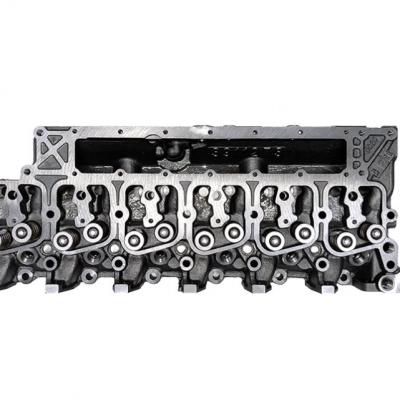
While both engines share a 5.9L displacement and identical cylinder bore measurements, the ISBe platform features a redesigned engine block, distinct cylinder heads, dedicated timing gear covers, and electronic injection hardware. Mechanical 6BT components cannot be substituted into an ISBe 250 engine build.
Misconception 2: Horsepower can be increased simply by flashing the ECM
Upgrading a lower power rating to 250 HP requires more than updating ECM software parameters. The ISBe 250 uses specific injector nozzle spray angles, targeted turbocharger matchings, and internal cooling features designed to handle higher thermal loads. Simply remapping software on a lower-rated ISBe engine without upgrading cooling and fuel hardware risks piston cracking or severe overheating.
Misconception 3: Euro 3 and Euro 4 engines use identical wiring harnesses
Euro 4 variants include extra sensor connections for post-treatment monitoring, different exhaust pressure feedback lines, and alternative ECM pinouts. Swapping a Euro 3 engine into a Euro 4 chassis without replacing the wiring harness and reconfiguring software causes persistent diagnostic trouble codes (DTCs) and engine derating.
Dongfeng Cummins ISBe Engine Series Catalog
To assist fleet managers and repair facilities in sourcing exact replacement engines, HekoPower maintains a comprehensive inventory of genuine DCEC power units. If your vehicle requires a different power output, displacement, or emission configuration within the same engine family, explore our complete product lineup below.
DCEC ISBe Series, original products from Dongfeng Cummins Engine Plant (DCEC), Cummins Joint Venture Plant since 1986, 50% shareholding by Cummins USA. This series mainly includes ISBe 140, ISBe 160, ISBe 180, ISBe 185-30, ISBe 205, ISBe 220, ISBe 250, ISBe 285, ISB6.7E5285, ISBe 300.
Frequently Asked Questions (FAQs)
What is the dry weight and shipping size of a complete Cummins ISBe 250 engine assembly?
The bare engine weighs approximately 453 kg. For international sea or air transport, a fully packaged engine inside an export-grade wooden crate measures approximately 1095 x 744 x 905 mm, with a total gross weight around 500 kg.
Can the DCEC ISBe 250 engine replace lower horsepower ISBe variants?
Yes, the ISBe 250 can replace ISBe 180, 200, or 220 models, provided the chassis cooling system and driveline torque capacity accommodate the 951 Nm output. HekoPower helps verify gear ratios and transmission ratings prior to engine delivery.
How do I resolve an ECM2220 communication error after installing a replacement engine?
Check main battery ground continuity, verify key-on switch signals to the ECM power pins, and inspect CAN-bus wiring resistance. Always clear historic fault codes from the previous engine before initial startup.
What parts are included with a HekoPower complete engine assembly?
A complete engine assembly includes the cylinder block, cylinder head, crankshaft, pistons, connecting rods, fuel pump, fuel injectors, common rail, turbocharger, water pump, alternator, starter motor, engine wiring harness, and ECM module.