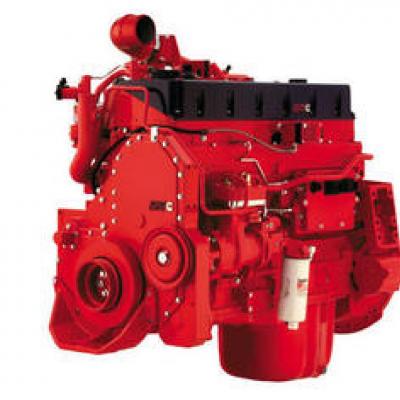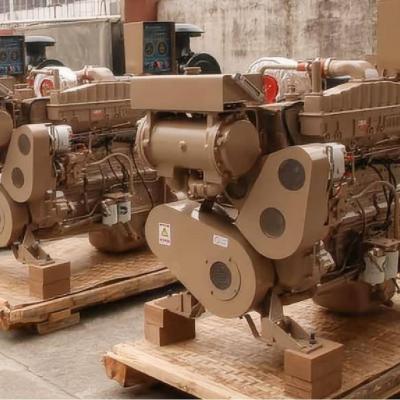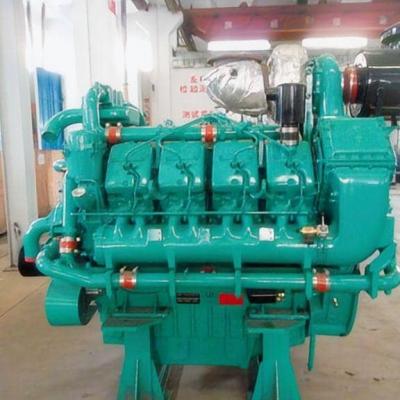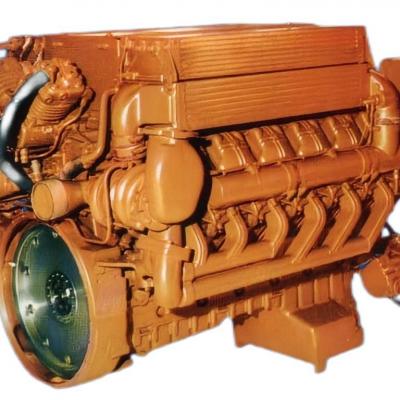
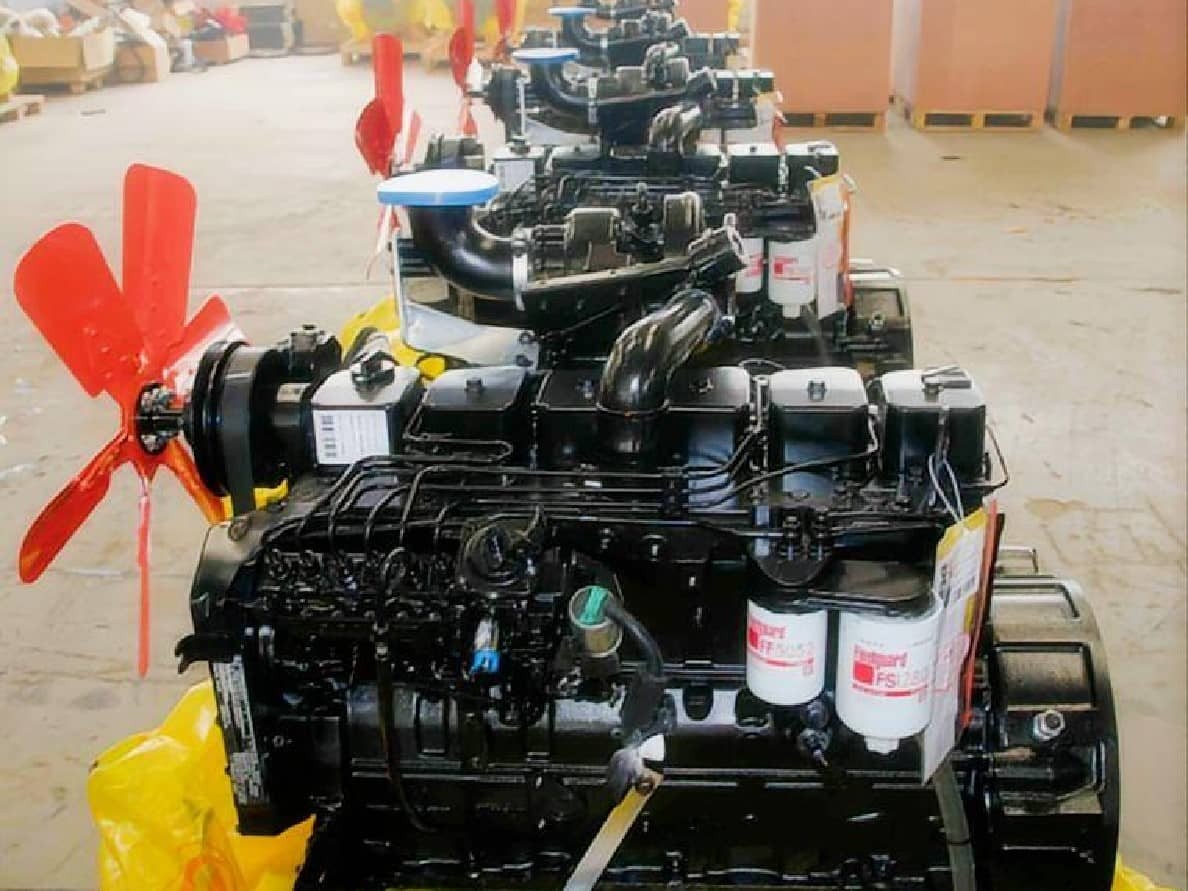
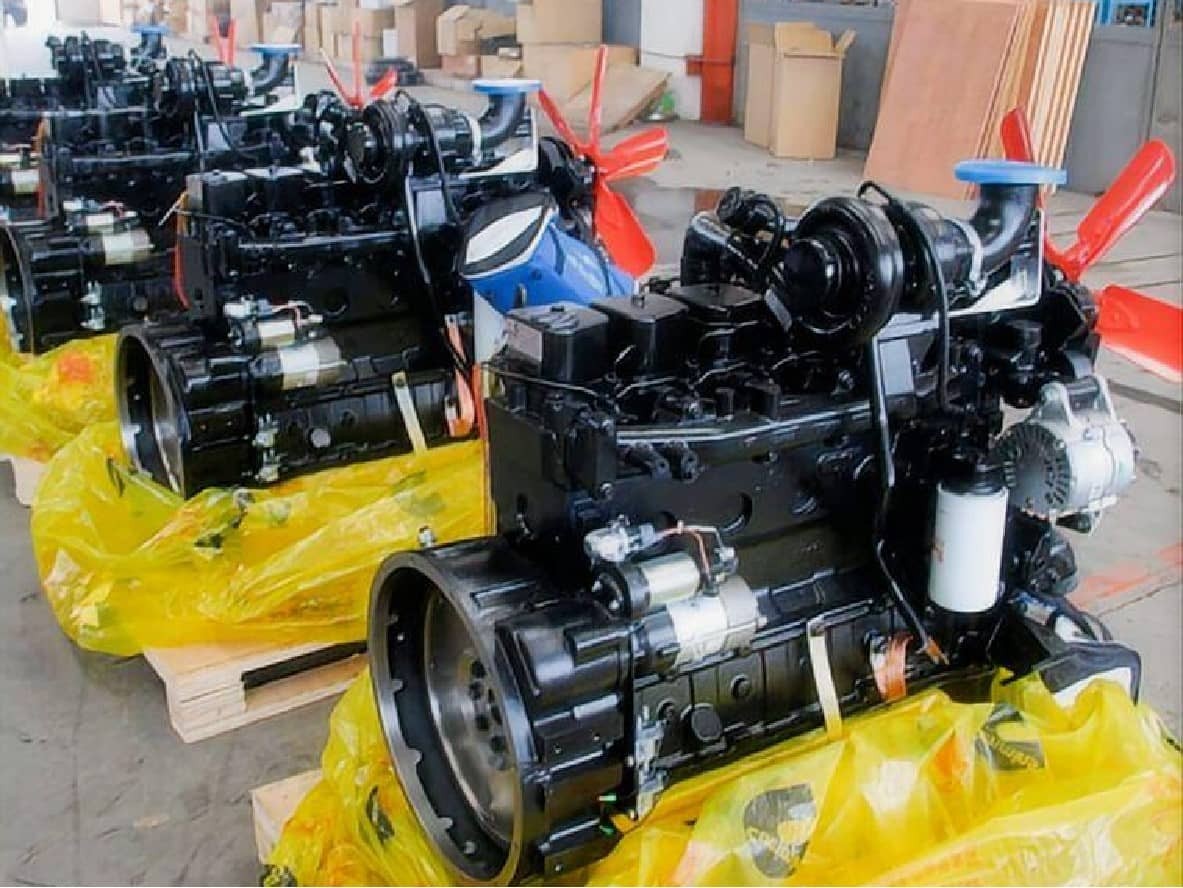
Replacing a dead engine on an active job site requires exact mechanical specs, zero compatibility surprises, and an assembly that drops right onto the engine mounts. At HekoPower, we supply factory-fresh, genuine Dongfeng Cummins (DCEC) 6BTAA5.9-C130 complete engine units built specifically for rugged construction environments.
Delivering 97 kW (130 HP) at 2,200 RPM and a peak torque of 580 Nm at 1,500 RPM, the 6BTAA5.9-C130 represents the high-water mark of purely mechanical 5.9-liter diesel engineering. It offers maximum hydraulic power without sensitive electronics or complex exhaust aftertreatment systems.
Understanding the exact coding on your B-series engine tag prevents costly ordering errors. The "6BTAA5.9-C130" designation breaks down into crucial engineering specifics that dictate cooling, plumbing, and performance.
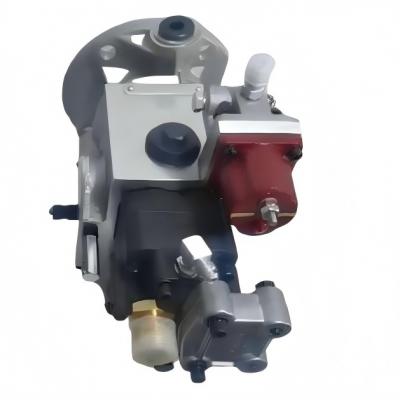
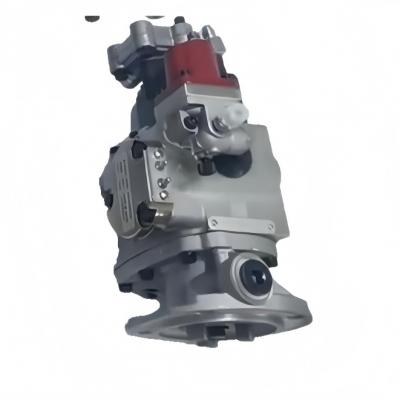
Unlike lighter-duty B-series engines equipped with Lucas CAV or Bosch VE rotary pumps, the 6BTAA5.9-C130 relies on a inline Bosch P7100 fuel injection pump. Driven directly by the engine gear train, the P7100 delivers high injection pressures necessary for clean combustion and instantaneous throttle response under heavy load.
Paired with a mechanical RSV governor, this engine maintains precise RPM control when hydraulic pumps pull full load. The mechanical arrangement means zero sensors to calibrate, zero wire harness degradation from hydraulic oil exposure, and straightforward field tuning anywhere in the world.
The double "A" in 6BTAA signifies Air-to-Air charge air cooling. Intake air compressed by the Holset turbocharger passes through a front-mounted intercooler core before entering the intake manifold.
This lowers intake air temperatures to roughly 50°C, significantly cooler than older jacket-water (water-to-air) aftercooled designs. Lower intake temperatures yield denser air charges, lower exhaust gas temperatures (EGTs), superior fuel economy, and lower thermal strain on the 102 mm pistons during sustained heavy pulls.
Choosing the correct 5.9L variant requires looking closely at cooling design and fuel systems rather than just overall engine size.
The baseline naturally aspirated or standard turbocharged 6BT5.9 engine relies solely on forced intake air without thermal reduction. It typically TOPS out around 115 HP in construction setups.
The single "A" 6BTA5.9 introduces a water-to-air aftercooler mounted inside the intake manifold, plumbed into the engine’s engine coolant circuit. While it boosts power to roughly 120 HP, intake air temperatures remain bound to the coolant operating temperature (around 85°C to 90°C).
The 6BTAA5.9-C130 utilizes a dedicated external air-to-air intercooler radiator. This separation allows the engine to hit 130 HP (97 kW) safely while producing 580 Nm of torque.
Yes, but retrofitting requires structural attention. Because the 6BTAA relies on air routing to an external intercooler core in front of the engine radiator, you must ensure your equipment chassis has space for the additional cooler frame and 3-inch charge air piping.
Physical block dimensions (bore 102 mm, stroke 120 mm) and flywheel housing mounting patterns remain identical across the 5.9L family. However, plumbing modifications are mandatory if migrating from a non-intercooled or jacket-water cooled machine.
The DCEC 6BTAA5.9-C130 is engineered for machinery requiring high low-end torque and sustained mid-range power under severe dust and ambient heat conditions.
This power unit serves as the standard factory repower for mid-sized wheel loaders such as the Liugong CLG836, XCMG LW300FN, SDLG LG936L, and Lonking CDM833. The engine's 580 Nm torque curve matches 3-ton hydraulic bucket breakout forces, allowing operators to heap materials without bogging down the torque converter.
In excavator swaps, the 6BTAA5.9-C130 drives dual main hydraulic variable displacement pumps smoothly. The mechanical RSV governor reacts immediately to pressure spikes during heavy trench digging or hard rock lifting, holding working engine speed steady at 2000–2200 RPM.
Beyond mobile machinery, this engine powers high-volume flood control water pumps, mining dewatering units, and rock crushers. Its continuous power duty profile allows 24/7 operation at steady speeds when maintained with clean diesel fuel and quality filtration.
A successful engine replacement depends on correct installation procedures and rigorous fluid management.
The dry weight of a complete DCEC 6BTAA5.9-C130 assembly is approximately 435 kg (960 lbs), reaching around 475 kg when fully wet with oil and cooling fluids. Shipping dimensions generally measure 1,150 mm in length, 750 mm in width, and 950 mm in height. Always use a minimum 1-ton crane beam secured strictly to the factory engine lifting eyes. Never hoist the engine using straps wrapped around the intake manifold or turbocharger crossover pipes.
When installing a fresh complete engine, flush the equipment's fuel tank completely. Dirt or water contamination is the primary cause of internal plunger scuffing inside the Bosch P7100 injection pump.
Before initial cranking, manually prime the low-pressure fuel system using the lever on the mechanical fuel lift pump until air bubbles clear the fuel return line. Verify that the fuel shutoff solenoid operates smoothly when key switch voltage is applied; improper stroke length on the solenoid linkage can prevent the rack from reaching full fuel delivery.
Due to thin-wall cylinder liner construction in the B-series cast iron block, cavitation erosion can occur over extended operating hours. Always fill the cooling system with a 50/50 ethylene glycol mix treated with Supplemental Coolant Additives (SCA) to protect outer cylinder walls against pitting.
Fact: Many buyers assume any B5.9 pump fits. The 6BTAA5.9-C130 relies specifically on the P7100 pump tuned for industrial curves. Swapping a rotary VE pump onto this engine requires completely changing drive gears, front timing covers, fuel lines, and drive hubs.
Fact: Dongfeng Cummins Engine Co. operates as a direct joint venture executing identical Cummins global engineering standards. Wear parts, bearings, pistons, and gaskets are 100% interchangeable with global Cummins 6BT/6BTA 5.9 parts catalogs.
Fact: Adjusting the P7100 fuel rack without upgrading the turbocharger air supply leads to excessive exhaust gas temperatures, black smoke, and premature thermal cracking of the cylinder head. The factory 130HP calibration provides optimal thermal equilibrium for construction duty.
When choosing a replacement engine, equipment configurations often vary based on regional emissions rules or specific hydraulic torque demands.
Cummins B5.9-C Series, original products from Dongfeng Cummins Engine Plant (DCEC), Cummins Joint Venture Plant since 1986, 50% shareholding by Cummins USA. This series mainly includes 6BT5.9-C115, 6BT5.9-C120, 6BT5.9-C125, 6BT5.9-C130, 6BT5.9-C135, 6BT5.9-C145, 6BT5.9-C150, 6BTA5.9-C125, 6BTA5.9-C130, 6BTA5.9-C150, 6BTA5.9-C155, 6BTA5.9-C170, 6BTA5.9-C175, 6BTA5.9-C180, 6BTAA5.9-C130, 6BTAA5.9-C150, 6BTAA5.9-C160, 6BTAA5.9-C180, 6BTAA5.9-C190, 6BTAA5.9-C195, 6BTAA5.9-C205.
This engine features a classic mechanical fuel system configuration. It is designed to meet Euro II / Tier 2 emissions regulations. This makes it an exceptionally rugged and dependable option for markets outside the US/EU, as well as for stationary applications where simpler, non-electronic engines are preferred.
This model comes fitted with a genuine inline Bosch P7100 mechanical fuel injection pump controlled by an RSV mechanical governor. It offers mechanical reliability without electrical sensors or ECU dependency.
Yes. However, because older mechanical injection pump plungers rely on fuel for lubrication, using ultra-low sulfur diesel (ULSD) in high-ambient environments benefits from high-quality diesel fuel lubricity additives to prolong pump lifespan.
The extra "A" indicates Air-to-Air intercooling. The 6BTA5.9 relies on engine coolant to cool intake air (water-to-air), whereas the 6BTAA5.9 uses an external charge-air cooler mounted in front of the radiator, resulting in cooler intake temperatures and higher combustion efficiency.
HekoPower provides full export warranty protection on genuine DCEC engine assemblies, covering casting defects, internal mechanical structural failures, and major component integrity. Contact our sales engineering team with your serial number for detailed terms.