Details
Cummins ISM11E4-345 Diesel Engine: Engineering Performance for Heavy-Duty Commercial Transport
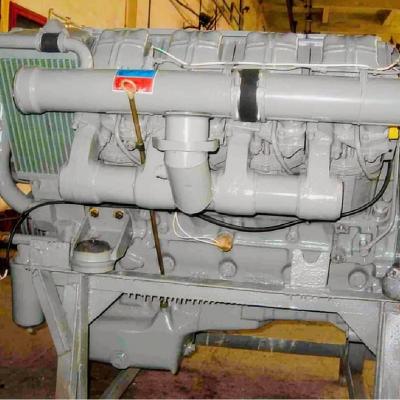
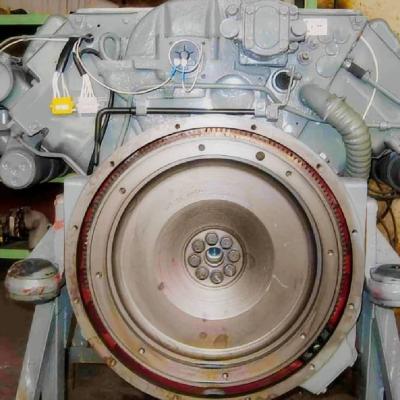
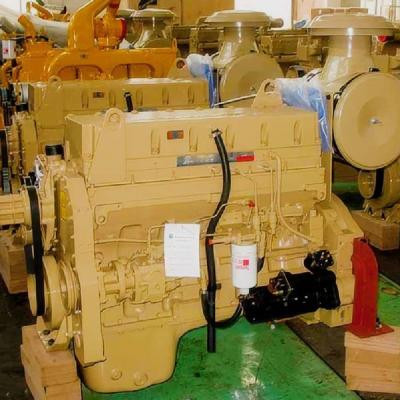
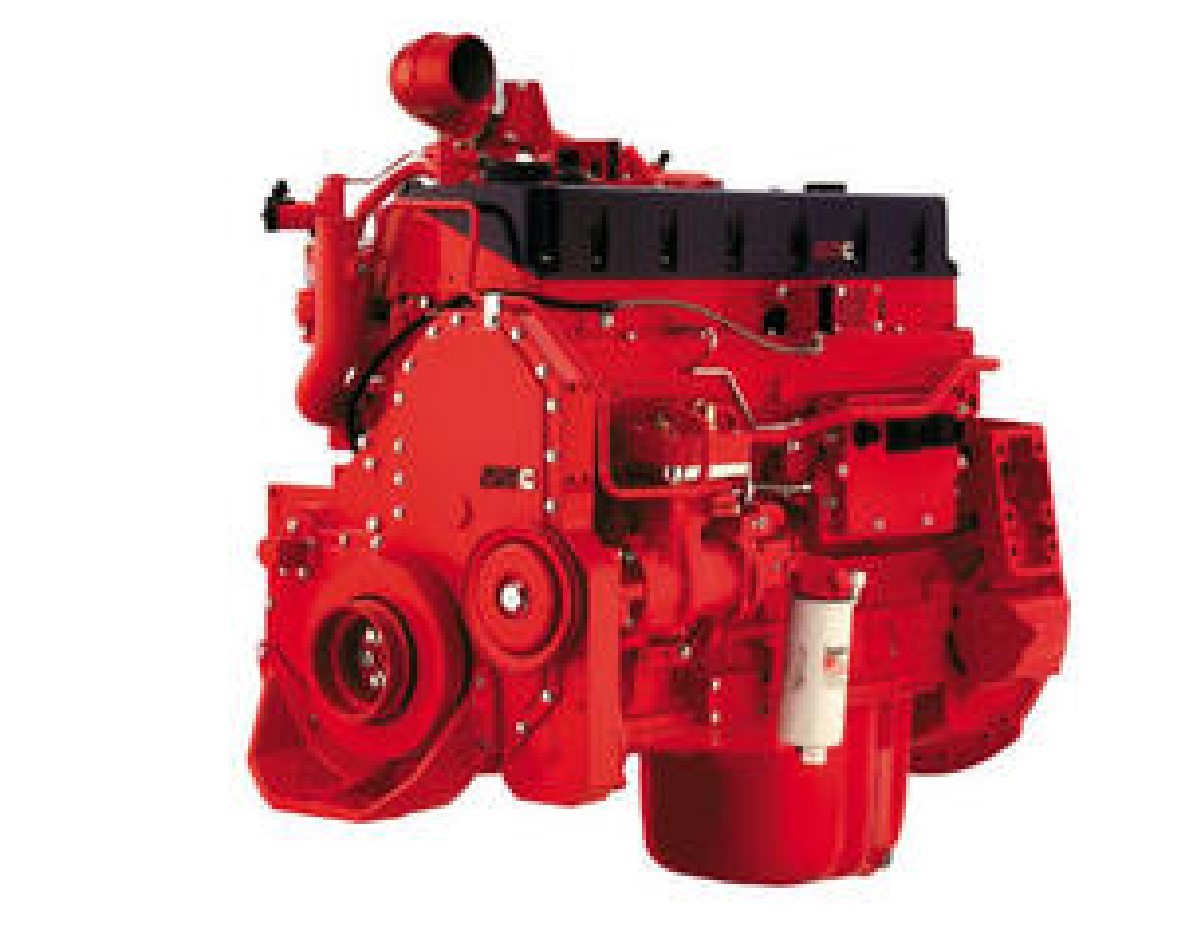
As an established industrial engine supplier and global exporter, HekoPower provides specialized power solutions tailored to the rigorous demands of heavy commercial transport. Among our core vehicle offerings, the XCEC-manufactured Cummins ISM11E4-345 stands out as a premier 10.8-litre inline six-cylinder diesel power plant. Engineered to meet strict Euro IV emission standards while delivering a robust 250 kilowatts (345 horsepower) at 1900 revolutions per minute, this engine provides the mechanical resilience, thermal stability, and precise fuel management required by modern commercial fleet operators. Designed specifically to integrate seamlessly into heavy-duty chassis configurations, the ISM11E4-345 bridges the gap between high power density and long-term operational economy.
Tech Specs of Cummins ISM11E4-345
General Engine Data
Engine Model: Cummins ISM11E4 345
Type: 6 Cylinders in Line
Displacement: 10.8 L
Bore * Stroke: 114 * 144.5
Net Weight (with flywheel & alternator): 940 Kg
Overall Dimension: 1135mm*825mm*1159mm
Key Performance Data
Rated Power: 254 kW/345 HP
Rated Speed: 1900 rpm
Torque/Rated Speed: 1250 N.m @ 1900 rpm
Max. Torque/Speed: 1699 N.m @ 1200 rpm
More Technical Data
Certification: Euro IV
Aspiration: Turbocharged & Charge Air Cooled
Fuel System: Cummins Fuel System/EMC876
Compression Radio: 16.2:1
Starting System: Electrical Starting Motor 24V(750A)
Lowest Starting Temp Without auxiliary system: -10℃/-25℃
Cooling Method: Water cooled
Firing Order: 1-5-3-6-2-4
Real Application Scenarios and Operational Profiles
The Cummins ISM11E4-345 is purpose-built for demanding vocational environments, making it the preferred powerplant for Dongfeng heavy-duty trucks, regional logistics carriers, and multi-axle freight haulers. In long-distance transportation networks where trucks operate continuously across varying terrain, maintaining a steady cruising speed without excessive fuel burn is critical. This 345HP rating is specifically calibrated for highway tractors and heavy tippers operating at gross vehicle weight ratings that demand consistent torque delivery across rolling hills and highway stretches.
When operating in regional distribution fleets, trucks experience frequent stop-and-go cycles, gear shifting under load, and extended idling periods. The ISM11E4-345 handles these duty cycles effectively by utilizing an advanced electronic control module (ECM876) that dynamically adjusts fuel injection timing based on real-time load sensors. This ensures that the engine maintains optimal combustion efficiency whether navigating congested urban freight corridors or sustaining high-speed momentum on interstate highways. Furthermore, its robust cast-iron cylinder block and wet-type cylinder liners provide the structural rigidity necessary to withstand high cylinder pressures during heavy payloads, reducing thermal stress and extending engine overhaul intervals.
Technical Comparisons and Platform Distinctions/span>
Navigating the nuances of heavy-duty diesel designations requires an understanding of how specific horsepower ratings and emission calibrations differ across the ISM architecture. A frequent point of confusion among fleet operators is distinguishing the Cummins ISM11E4-345 from higher-output variants such as the ISM11E4-385. While both share the identical 10.8L displacement and inline six-cylinder architecture, the ISM11E4-345 is tuned to prioritize broader, flatter torque bands at lower RPM ranges, making it exceptionally responsive in medium-to-heavy regional haul applications where frequent gear modulation is required. In contrast, the 385HP variant pushes higher thermal loads and is engineered for heavier gross combinations requiring sustained top-end pull on steep mountain grades.
Another common technical distinction involves comparing the Euro IV ISM11E4-345 with later emission iterations like the ISM11E5-345. The E4 designation incorporates specific exhaust gas recirculation (EGR) and aftertreatment calibration strategies tailored to Euro IV compliance frameworks, whereas Euro V variants often rely on enhanced selective catalytic reduction (SCR) dosing logic and differing turbocharger wastegate configurations. Confusing these emission tiers can lead to electrical harness mismatches or sensor incompatibilities with vehicle-side electronic control units.
A prevalent misconception in aftermarket procurement is assuming that automotive ISM platforms and industrial or marine ISME series are interchangeable. Industrial or marine adaptations utilize distinct governor maps, cooling system capacities, and flywheel housing dimensions designed for steady-state stationary loads or continuous marine propulsion. Directly substituting an automotive ISM11E4-345 into an industrial generator set or marine hull without recalibrating the fuel mapping and cooling parameters will inevitably result in thermal inefficiency, governance hunting, or premature mechanical wear. Always verify the Control Parts List (CPL) and Engine Serial Number (ESN) before sourcing replacement assemblies.
Maintenance, Overhaul, and Replacement Best Practices
Maximizing the operational lifespan of a replacement Cummins ISM11E4-345 engine assembly requires disciplined adherence to preventive maintenance protocols and correct installation procedures. When replacing an end-of-life engine in a commercial truck chassis, technicians must thoroughly flush the cooling system, inspect the intercooler for oil contamination, and replace auxiliary components such as thermostats and fuel filters to prevent particulate ingestion into the new fuel injection system.
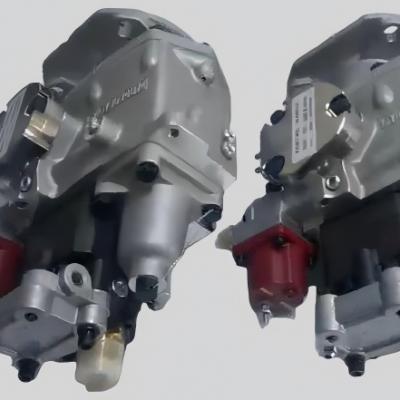
The fuel system on the ISM series relies on high-precision PT (Pressure Time) fuel injection technology or high-pressure common rail architecture depending on the exact sub-tier build. Maintaining clean fuel filtration down to industry-standard micron ratings is paramount to protect injector nozzles and fuel pump plungers from premature erosion. Regular diagnostic scans via the ECM876 interface allow fleet managers to monitor boost pressure, exhaust gas temperatures, and oil pressure trends, catching minor anomalies before they escalate into major mechanical failures. When performing major overhauls, utilizing genuine XCEC overhaul kits—including matched piston rings, liner kits, and OEM-spec head gaskets—ensures that compression ratios and thermal expansion rates remain within factory tolerances.
Integrating the ISM Series Portfolio
Selecting the correct engine configuration is the first step in maintaining fleet efficiency, and understanding how individual models relate to the broader manufacturing ecosystem ensures seamless procurement. HekoPower maintains comprehensive cross-reference data across all major commercial diesel platforms to support your equipment upgrade requirements.
Cummins ISMe Series, original products from Xi’an Cummins Joint Venture Plant (XCEC), since 1986, 50% owned by Cummins USA, under Cummins Technical & Product Line. This series mainly includes ISME308-30, ISM11E4 308, ISME335-30, ISME345-30, ISM11E4 345, ISM11E5 345, ISME 360-30, ISME 380-30, ISME 385-30, ISM11E4 385, ISM11E5 385, ISM405E-20, ISME 420-30, ISM11E4 420, ISM11E5 420, ISM11E4 440, ISM11E5 440.
FAQ
Why is verifying the CPL and ESN critical when sourcing a replacement engine?
The Control Parts List (CPL) and Engine Serial Number (ESN) define the exact engineering configuration of the engine, including fuel pump calibration, injector part numbers, piston designs, and software parameters. Matching these numbers ensures complete compatibility with your truck's transmission, wiring harness, and aftertreatment system.
What are the primary structural differences between the ISM11 block and older NTA855 architectures?
The ISM11 features a more compact, lightweight electronic architecture with a wet-sleeve cylinder design and an integrated gear train at the rear of the engine, reducing overall engine length and weight compared to the older, heavier mechanical NTA855 platform while delivering superior power density.