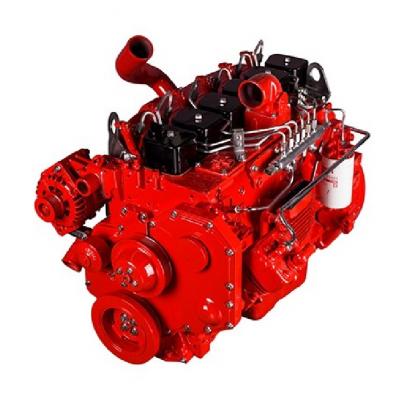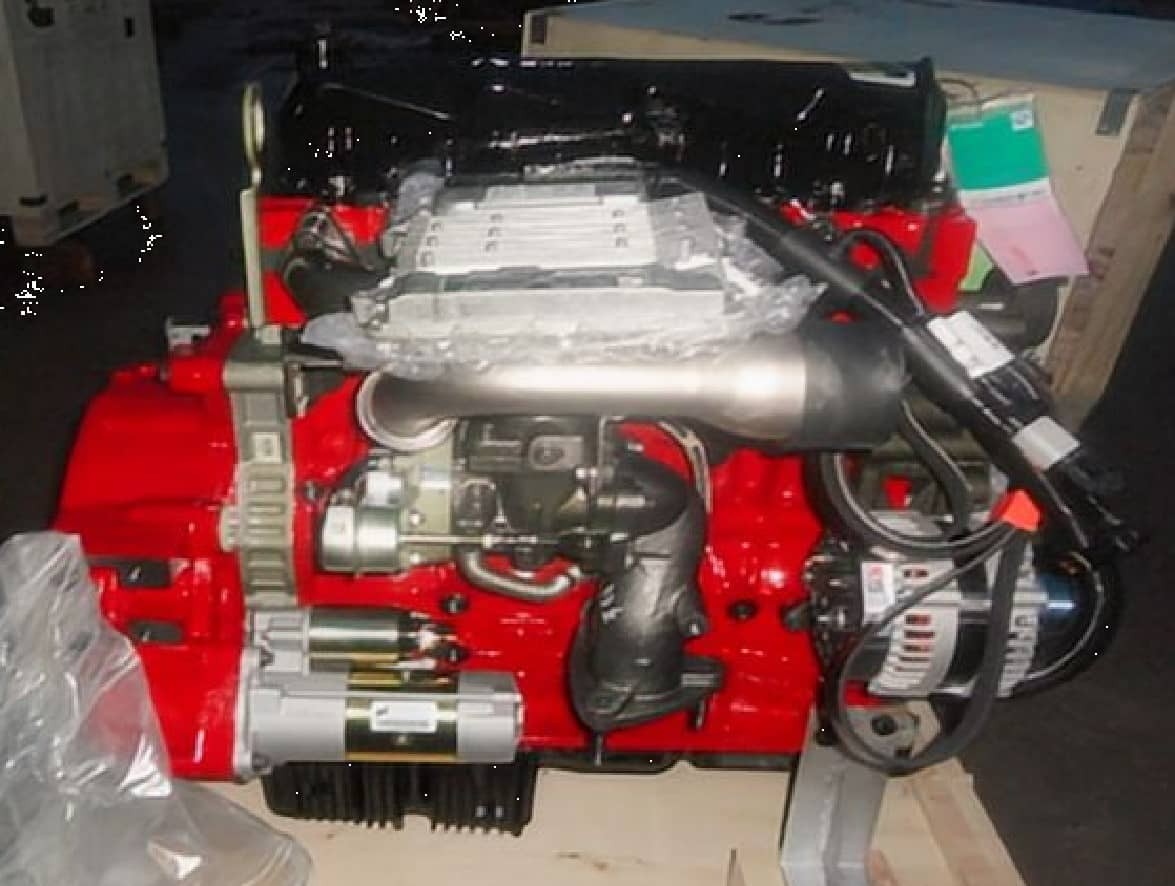
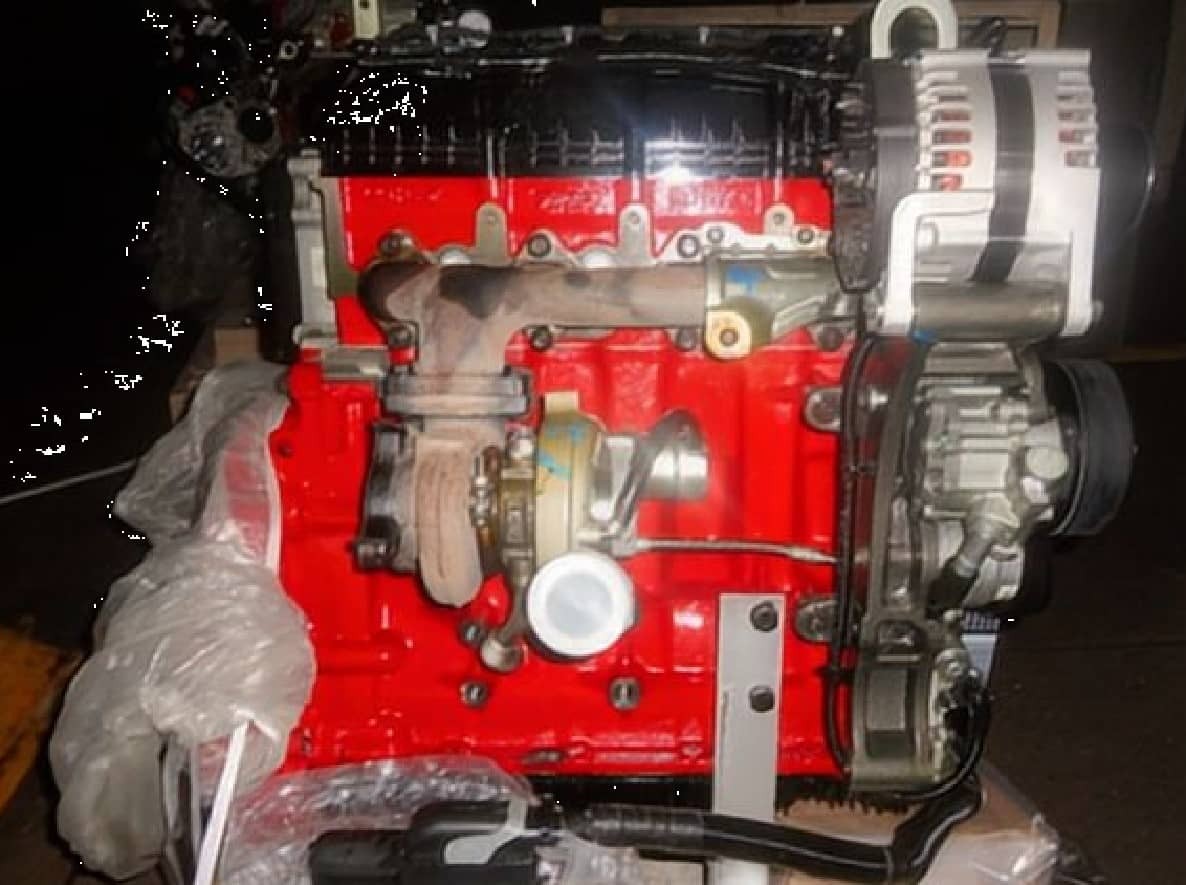
The Cummins ISF2.8s4148T represents a major benchmark in light-duty commercial diesel engineering. Operating at a rated output of 110 kilowatts (148 horsepower) at 3,200 revolutions per minute, this four-cylinder powerplant delivers exceptional power density for weight-sensitive vehicle platforms. As a trusted global engine supplier, HekoPower provides this exact configuration to commercial fleet operators and vehicle manufacturers seeking robust durability, precise electronic integration, and reliable fuel economy across demanding urban and highway driving cycles.
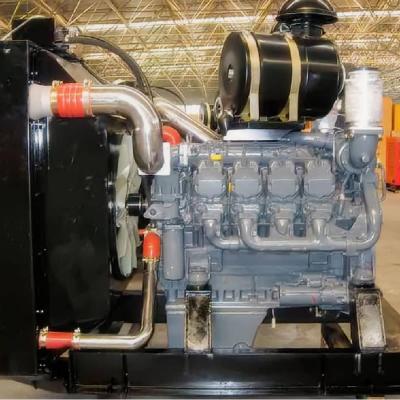
When evaluating light-duty diesel engines in the 2.8-liter displacement class, engineers frequently compare the ISF2.8 architecture against traditional light truck powerplants from competing manufacturers like Deutz and Weichai. Unlike older generation cast-iron blocks that suffer from excessive weight and thermal distortion, the ISF2.8s4148T utilizes a sculptured, high-strength alloy iron block with optimized rib placement. This structural design significantly reduces engine weight down to 214 kilograms with flywheel and alternator while maintaining superior torsional rigidity.
Another critical engineering differentiator lies in the rear gear train layout. Traditional engines place timing gears at the front of the block, which increases overall engine length, amplifies gear noise, and complicates front-end accessory packaging. By positioning the timing chain and gear train on the flywheel side, Cummins achieved a shorter engine envelope, lower vibrational harmonics, and reduced cabin noise levels down to 94 decibels under full load. Furthermore, the absence of bulky external auxiliary brackets allows for single-side servicing access, streamlining routine maintenance routines for commercial fleet mechanics.
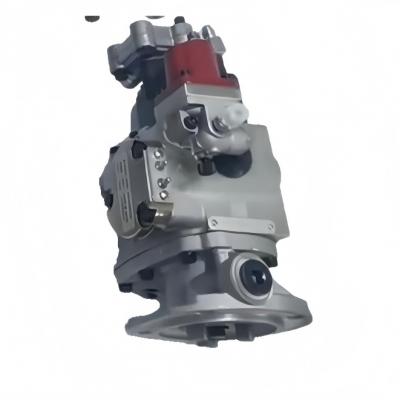
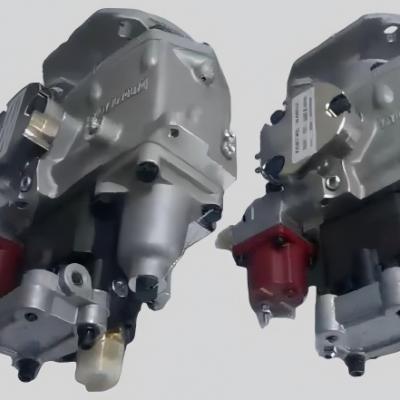
The fuel metering system further separates this model from lower-tier alternatives. Integrated with a high-pressure common rail (HPCR) architecture supplied by Bosch, the fuel system operates at extreme injection pressures to atomize diesel fuel precisely. This eliminates the sluggish throttle response common in mechanical injection pumps and ensures clean combustion across the 1,800 to 2,700 RPM torque plateau where peak torque reaches 360 Newton-meters.
The ISF2.8s4148T is engineered specifically for light commercial vehicle platforms operating below 3.5 tons gross vehicle weight. In real-world urban distribution fleets, delivery vans equipped with this engine frequently experience aggressive stop-and-start duty cycles, frequent idling, and rapid load shifts. The wastegated turbocharger, developed by Cummins Turbo Technologies, provides instantaneous boost pressure at low engine speeds, preventing turbo lag when accelerating heavily loaded vans from a standstill.
In regional passenger transport and light bus applications, the engine maintains consistent cruising speeds on steep highway grades without exceeding thermal thresholds. Advanced thermal engineering features a high top-tank temperature capability, which permits higher coolant operating temperatures. This engineering choice reduces the physical dimensions and manufacturing cost of the vehicle cooling package while preventing overheating during prolonged high-altitude operations up to 2,000 meters above sea level without requiring power derating.
Achieving the targeted 500,000-kilometer B10 life requires strict adherence to scheduled preventative maintenance. Because the high-pressure common rail injectors operate with micron-level tolerances, fuel filtration quality is the single most critical factor in preventing premature pump wear. Fleet operators should inspect and replace primary fuel water separators every 10,000 kilometers, especially when operating in regions with variable diesel fuel quality.
When conducting top-end overhauls or replacing cylinder head gaskets, technicians must verify liner protrusion and use calibrated torque-angle procedures for the cylinder head bolts to preserve the 16.5:1 compression ratio. Unlike engines requiring periodic manual adjustment, the rear-mounted timing chain utilizes a hydraulic tensioner designed for the lifetime of the engine; however, inspection ports should be checked during major vehicle overhauls for any sign of guide wear or chain elongation. When replacing ancillary units such as the 24-volt electrical starting motor or the water pump module, ensure that mating gasket surfaces are thoroughly cleaned to maintain proper coolant flow dynamics through the block.
A frequent misconception among buyers is that light-duty diesel engines designed for high-RPM operation at 3,200 RPM sacrifice low-end torque compared to larger displacement inline-six engines. In practice, the ISF2.8s4148T refutes this by delivering its maximum torque plateau across a broad 900 RPM band from 1,800 to 2,700 RPM. This broad torque curve grants drivers exceptional flexibility, reducing the frequency of gear shifts in manual or automated transmissions during city driving.
Another misunderstanding involves oil selection. Some operators mistakenly use conventional mineral oils designed for older legacy engines. The advanced metallurgy, high cylinder pressures, and strict emissions controls of the ISF2.8 require high-performance synthetic diesel engine oils meeting specific Cummins engineering standards to prevent ring sticking, varnish formation, and premature wear on the valve train components.
HekoPower maintains a comprehensive inventory of genuine sub-assemblies and complete drop-in replacement units for light commercial vehicle applications. The Beijing Foton Cummins Engine Company joint venture manufactures these advanced power units to rigorous global quality standards. BFCEC ISF Series, original products from Beijing Foton Cummins Engine Company Limited (BFCEC), a 50/50 joint venture between Cummins Inc. and China's Beiqi Foton Motor Company (Foton Motor). BFCEC produces Cummins light-duty, high-performance ISF diesel engines. This series mainly includes ISF2.8s3129T, ISF2.8s3148T, ISF2.8s4129P, ISF2.8s4129T, ISF2.8s5129T, ISF2.8s4148T, ISF2.8s4161P, ISF3.8s3141, ISF3.8s3154, ISF3.8s3168, ISF3.8s4141, ISF3.8s4154, ISF3.8s4168, ISF2.8s4107P.
This specific configuration is optimized for light commercial vehicles under 3.5 tons, including delivery vans, light trucks, minibuses, and utility vehicles requiring 110 kW of continuous power.
Placing the timing gear train and chain on the flywheel side minimizes torsional vibration, reduces overall engine length, and significantly lowers cabin noise transmission compared to front-geared engines.
The High-Pressure Common Rail system delivers ultra-high injection pressures that optimize combustion efficiency, lower exhaust emissions to Euro III/IV standards, and provide smooth power delivery.