Details
Engineering Identity and Core Performance of the Cummins QSK38-G1
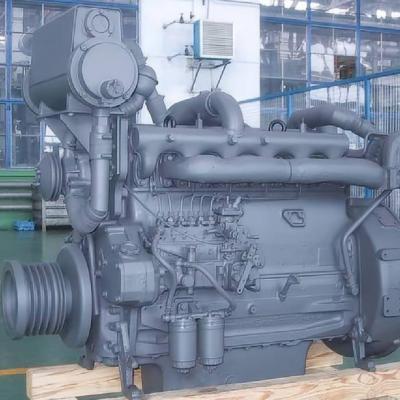
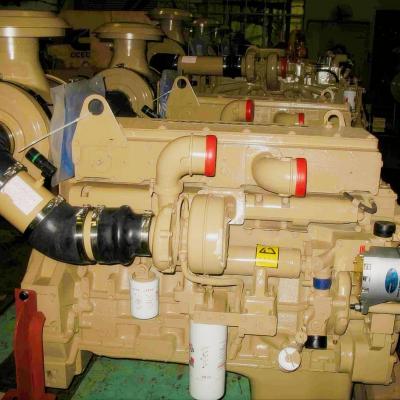
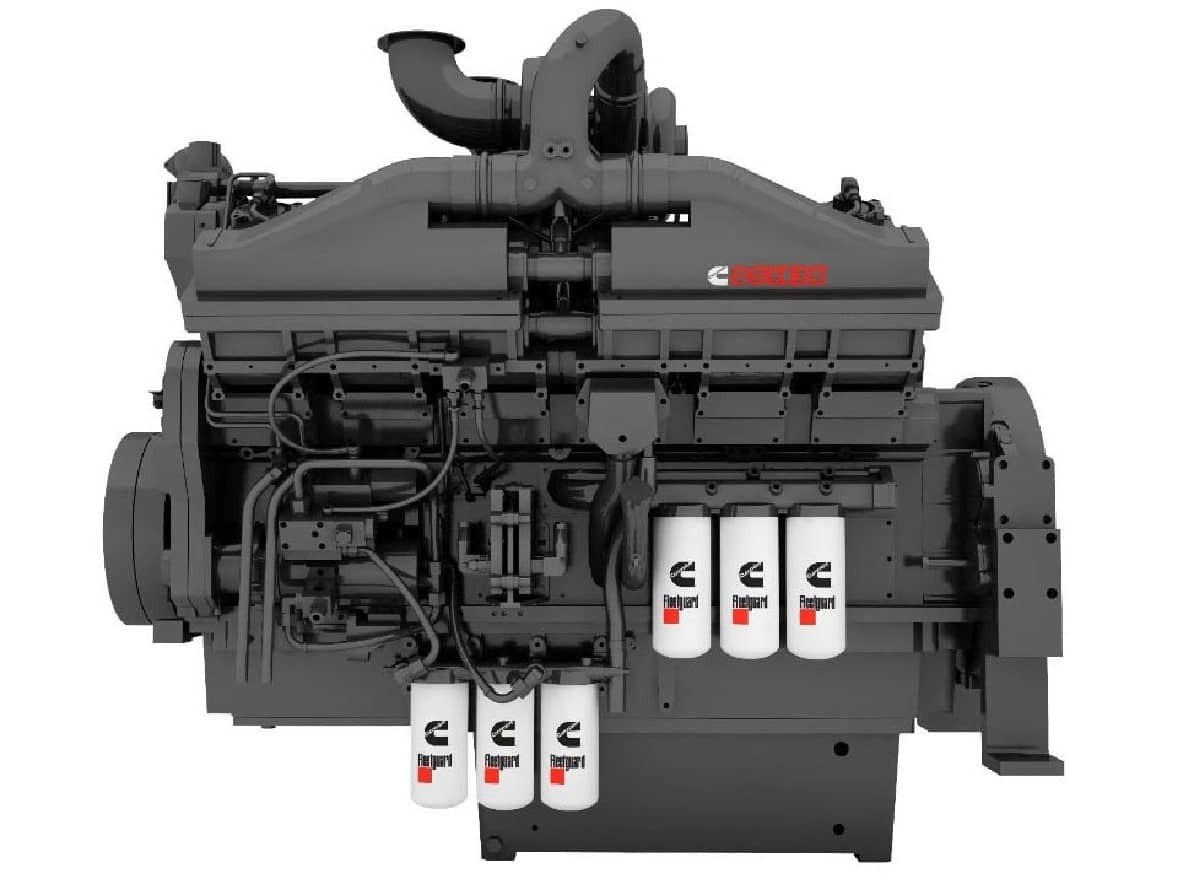
As a premier engine supplier, HekoPower recognizes that heavy industrial operations demand prime movers capable of sustaining punishing duty cycles without thermal degradation or power throttling. The CCEC Cummins QSK38-G1 stands out in the upper echelon of heavy-duty power generation by combining a massive 37.7-liter displacement with a robust V12 architecture. Designed specifically as a high-performance G-Drive engine, this power unit delivers a reliable prime output of 876 kW (1175 HP) and a robust standby rating of 970 kW at 1500 RPM for 50 Hz operations.
The structural integrity of the QSK38 platform stems from its high-strength cast iron block, precision-honed cylinder liners, and a balanced forged steel crankshaft engineered to absorb torsional stresses under peak load conditions. Unlike smaller displacement engines forced to operate near their mechanical limits, the QSK38-G1 coasts comfortably within its optimal thermal window, ensuring extended overhaul intervals and lower lifecycle operating costs for mission-critical facilities.
Tech Specs of Cummins QSK38-G1
General Engine Data
Engine Model: Cummins QSK38-G1
Type: 12 Cylinders
Displacement: 37.7 L
Bore * Stroke: 159 * 159
Net Weight: 3825 Kg
Overall Dimension: 2081mm*1492mm*1866mm
Key Performance Data
Rated Power/Standby Output: 876 kW/1175 HP, 970 kW/1300 HP
Rated Speed: 1500 rpm
Low Idle Speed: 700-800 rpm
Fuel Consumption: 56 g/kWh
More Technical Data
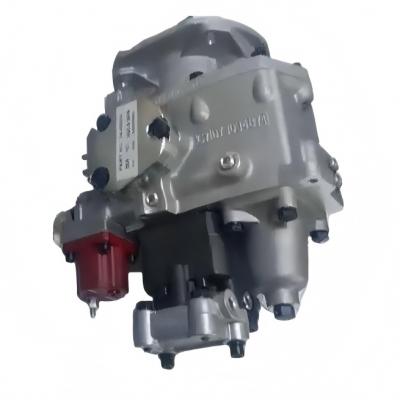
Fuel System: Cummins Direct Injection MCRS
Aspiration: Turbocharged, After-cooled
Electrical System (Starter Motor/Alternator): 24V
Cooling System Design: 2 pump- 2 loop
Real Application Scenarios for High-Demand Industrial Facilities
Selecting the correct generator drive engine requires matching thermodynamic output with facility load profiles. The Cummins QSK38-G1 generator engine is deployed extensively across environments where grid failure carries catastrophic financial or operational consequences.
In large-scale data center facilities, uninterrupted continuous power is non-negotiable. The QSK38-G1 excels in data center backup power configurations, offering rapid block-load acceptance and exceptional frequency stability during sudden server rack activation. Similarly, in remote mining operations and continuous manufacturing plants, this engine serves as the primary base-load power source, driving large alternators to supply stable electricity for heavy crushing machinery, ventilation shafts, and processing mills. Its ability to maintain stable combustion parameters under fluctuating ambient temperatures makes it a preferred choice for municipal backup power stations and large commercial infrastructure projects.
Technical Comparisons and Engineering Realities
Evaluating heavy industrial engines requires looking beyond nominal horsepower ratings to understand how fuel delivery and air handling systems behave under load. When compared to older mechanical injection platforms like the legacy KTA38 series, the QSK38-G1 represents a generational leap forward through its incorporation of the Modular Common Rail System (MCRS).
A common misconception among procurement teams is that electronic fuel injection systems are overly sensitive for remote or harsh operating environments. In practice, the high-pressure multi-injection capability of the MCRS architecture allows the QSK38-G1 to optimize fuel atomization across variable load steps, drastically reducing particulate emissions and smoke output during cold starts compared to older mechanical pumps.
When contrasted against higher-rated variants within the same family, such as the QSK38-G2 or G4 models, the G1 variant is specifically tuned for optimized fuel economy and thermal longevity at standard 1500 RPM utility speeds rather than aggressive high-output intermittent duty. Furthermore, pairing this engine with the correct alternator requires careful calculation of transient reactance and harmonic distortion limits, ensuring that the rotating mass of the V12 crankshaft synchronizes smoothly with the connected electrical end.
Maintenance, CPL Verification, and Component Replacement Guidelines
Maximizing the operational lifespan of a heavy-duty industrial engine requires strict adherence to manufacturer specifications and proactive component monitoring. Every QSK38-G1 unit is tied to a specific Control Parts List (CPL) designation—specifically CPL 3570—which serves as the definitive fingerprint for ordering internal components, cylinder kits, and gasket sets. Technicians must always verify the engine serial number and CPL before sourcing replacement parts to avoid compatibility issues with fuel injectors or turbocharger trims.
Routine maintenance protocols for this platform focus heavily on the Low Temperature Aftercooling (LTA) circuit and the primary fuel filtration assemblies. Because the QSK38-G1 utilizes advanced turbocharging and aftercooling to pack dense air into the combustion chambers, cooling system integrity directly influences fuel efficiency and exhaust gas temperatures. Inspecting the raw water and jacket water heat exchangers, cleaning core fins, and monitoring fuel water separators prevent premature wear on high-pressure common rail injectors. During major overhaul intervals, inspecting the camshaft lobes, main bearing clearances, and valve train geometry ensures the engine continues to operate at peak volumetric efficiency.
Expanding Your Power Infrastructure
Building out a reliable energy ecosystem often requires exploring complementary models within the same heavy industrial series. Cummins QSK-G Series, original products from Chongqing Cummins Engine Plant(CCEC). This series mainly includes QSNT-G, QSK19-G4, QSK19-G5, QSKTAA19-G3, QSK38-G1, QSK38-G2, QSK38-G3, QSK38-G4, QSK38-G5, QSK50-G2, QSK50-G3, QSK50-G4, QSK50-G6, QSK50-G7.
Procurement FAQ for International Buyers
How does the MCRS fuel injection system affect load acceptance in critical facilities?
The Modular Common Rail System provides precise, high-pressure fuel metering and multiple injection events per cycle, allowing the engine to accept large block loads rapidly while maintaining tight frequency regulation.
Why is verifying CPL 3570 critical during engine maintenance?
CPL 3570 identifies the precise calibration and component configuration for this specific engine build, ensuring exact compatibility when replacing fuel system components, turbochargers, and internal overhaul parts.
What are the primary cooling considerations for maintaining 1500 RPM continuous operation?
Operators must maintain both the jacket water cooling circuit and the Low Temperature Aftercooling (LTA) circuit to ensure optimal charge-air density and prevent thermal stress during sustained heavy loads.