Details
Cummins QSK19-G5 Generator Engine: Advanced Engineering and Performance Insights
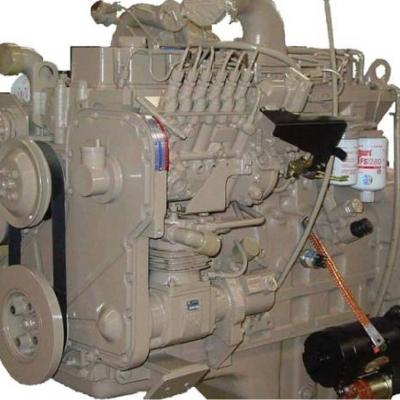
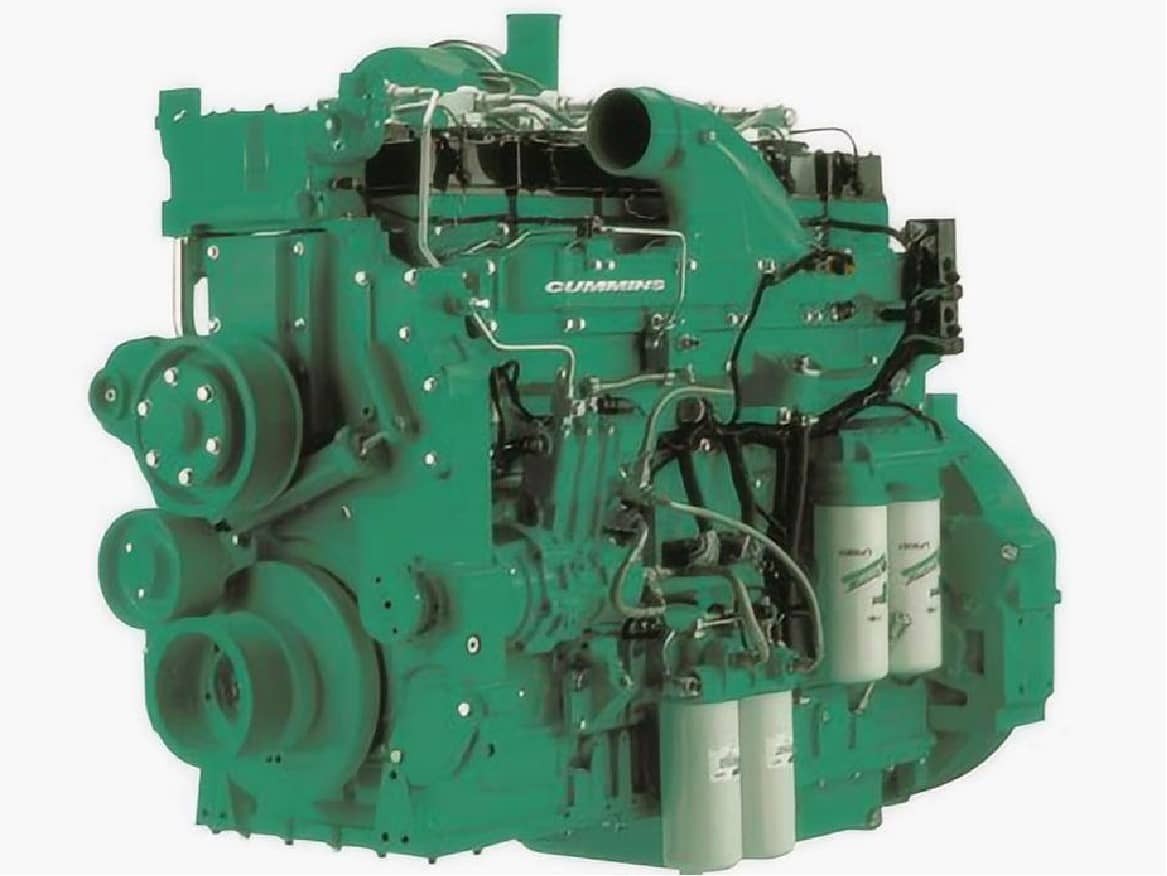
When engineering procurement managers look for heavy-duty power solutions, selecting the right prime mover dictates the reliability of the entire electrical infrastructure. As a specialized Cummins QSK19-G5 engine supplier, HekoPower encounters numerous inquiries regarding what makes this specific power unit distinct in high-demand industrial sectors. Manufactured by Chongqing Cummins Engine Co. (CCEC), the Cummins QSK19-G5 is an 18.9-liter inline six-cylinder diesel engine engineered specifically for heavy-duty 60 Hz generator drive applications. Unlike smaller displacement platforms, this engine utilizes advanced thermodynamic design and high-pressure fuel control to maintain steady frequency regulation under severe electrical loads.
The architecture of the Cummins QSK19 series relies on a robust block design, precision-machined 159 mm bore and stroke dimensions, and sophisticated air-handling systems. When deployed as a Cummins QSK19-G5 generator engine, it delivers a dependable prime power output of 608 kW at 1800 RPM, translating to roughly 815 horsepower. For emergency backup scenarios, the engine scales up to a 669 kW standby power specification. This flexibility allows project engineers to size generator sets precisely without over-specifying or risking thermal overload during peak operational cycles.
Tech Specs of QSK19-G5
General Engine Data
Engine Model: Cummins QSK19-G5
Type: 6 Cylinders in Line
Displacement: 19 L
Bore * Stroke: 159 * 159
Net Weight: 1900 Kg
Overall Dimension: 1695mm*985mm*1723mm
Key Performance Data
Rated Power/Standby Output: 608 kW/815HP, 669 kW/897HP
Rated Speed: 1800 rpm
Low Idle Speed: 700-800 rpm
Fuel Consumption: 40.5 g/kWh
More Technical Data
Fuel System: Cummins Direct Injection MCRS
Aspiration: Turbocharged
Cooling Method: Air-air charge cooled
Electrical System (Starter Motor/Alternator): 24V
Real Application Scenarios for the 608kW Diesel Generator Engine
Deploying a high-capacity power unit requires matching its output characteristics to real-world operational demands. The CCEC Chongqing Cummins QSK19-G5 1800RPM engine frequently serves as the heartbeat for mission-critical facilities where grid stability cannot be guaranteed. Telecommunication hubs, regional data processing centers, and large-scale manufacturing plants rely on this platform because it sustains heavy block loads without significant voltage sag or frequency recovery delays.
In commercial real estate and hospital complexes, this engine acts as a primary emergency safeguard. Hospitals, for instance, demand rapid-start capabilities and strict compliance with emergency power regulations. The QSK19-G5 industrial diesel generator drive engine specs allow it to accept full-rated load steps swiftly, ensuring that life-safety systems and operating theaters remain energized within seconds of a primary grid failure. Furthermore, large mining operations in remote regions utilize this engine for continuous primary power generation, pairing it with heavy-duty alternators to form resilient 760 kVA generator sets capable of operating in adverse ambient temperatures and high altitudes.
Technical Comparisons: QSK19-G5 Versus Previous Generations
Evaluating the QSK19-G5 requires understanding how it improves upon earlier iterations like the QSK19-G4 or traditional mechanical KTA19 series engines. Older mechanical engines relied on traditional fuel pumps that lacked the millisecond-precise dosing control required by modern grid codes. In contrast, the Cummins QSK19-G5 incorporates the Modular Common Rail Fuel System (MCRS). This electronic fuel injection technology operates at exceptionally high pressures, optimizing combustion efficiency across varying load profiles.
Without relying on rigid tabular data, the functional difference between the G4 and G5 variants lies primarily in emissions compliance, transient response, and fuel optimization. While a G4 model might satisfy baseline industrial power needs, the QSK19-G5 engine configuration incorporates refined turbocharger matching and advanced electronic control modules (ECMs). This results in lower particulate matter generation, smoother idle characteristics, and superior fuel consumption at fractional loads such as 50% and 75% operational thresholds. For operators managing fuel overhead across a fleet of generators, these efficiency gains translate to measurable operational cost reductions over the lifespan of the equipment.
Maintenance Best Practices and Common Product Misconceptions
Proper upkeep preserves the long-term reliability of heavy industrial machinery. When sourcing genuine parts and maintenance kits for Cummins QSK19-G5 units, operators must pay strict attention to CPL designations—specifically CPL 3866 configurations. Using unverified aftermarket filtration or incorrect fuel injector components can disrupt the delicate balance of the MCRS system, leading to premature wear on high-pressure pumps. Routine oil sampling, timely replacement of coolant corrosion resistors, and monitoring turbocharger boost pressures are essential practices for avoiding unscheduled downtime.
A widespread misconception in the generator market is that prime power engines can be run indefinitely at their maximum standby rating simply because the displacement is large. The Cummins QSK19-G5 608 kW prime power rating is specifically calculated for variable loads with unlimited annual operating hours, whereas the 669 kW standby rating is strictly restricted to emergency backup use with limited annual run-time hours. Confusing these two operating modes compromises engine durability and can void factory warranty coverage. Another common myth is that all 19-liter Cummins blocks share identical internal components regardless of their suffix letter; however, camshaft profiles, compression ratios, and software calibrations vary significantly between marine, industrial, and generator drive specifications.
Cummins QSK-Series Generator Engine Portfolio
When planning multi-unit power generation projects or expanding an existing fleet of industrial standby assets, evaluating alternative displacement classes or complementary models ensures optimal system scaling. Cummins QSK-G Series, original products from Chongqing Cummins Engine Plant(CCEC). This series mainly includes QSNT-G, QSK19-G4, QSK19-G5, QSKTAA19-G3, QSK38-G1, QSK38-G2, QSK38-G3, QSK38-G4, QSK38-G5, QSK50-G2, QSK50-G3, QSK50-G4, QSK50-G6, QSK50-G7.
Frequently Asked Questions Regarding the Cummins QSK19-G5
Navigating international procurement involves understanding logistics, availability, and technical verification. Buyers frequently inquire about the typical export and shipping lead time for a genuine Cummins QSK19-G5 replacement engine. Standard configurations, when ordered through an established wholesale supplier like HekoPower, generally require a turnaround window of 15 to 30 business days for crating, export documentation, and port dispatch.
Another common inquiry centers on engine output versus total generator-set output. Purchasers must recognize that the engine rating of 608 kW represents mechanical shaft output; factoring in alternator efficiency (typically around 93% to 95%), the resulting electrical output for the complete generator set will align close to a 550 kWe prime or 600 kWe standby rating. For exact replacement projects, verifying the engine serial number and CPL number ensures that mounting dimensions, flywheel housing sizes, and electrical wiring harnesses match the existing skid arrangement seamlessly.