Details
Cummins QSK38-G5 1107 kW G-Drive Generator Engine
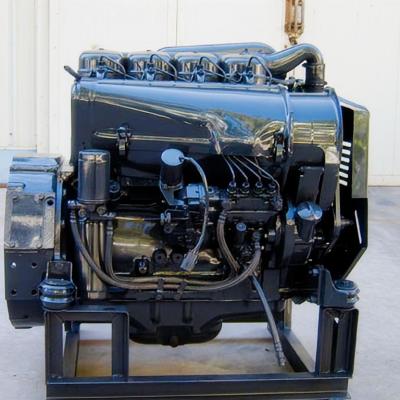
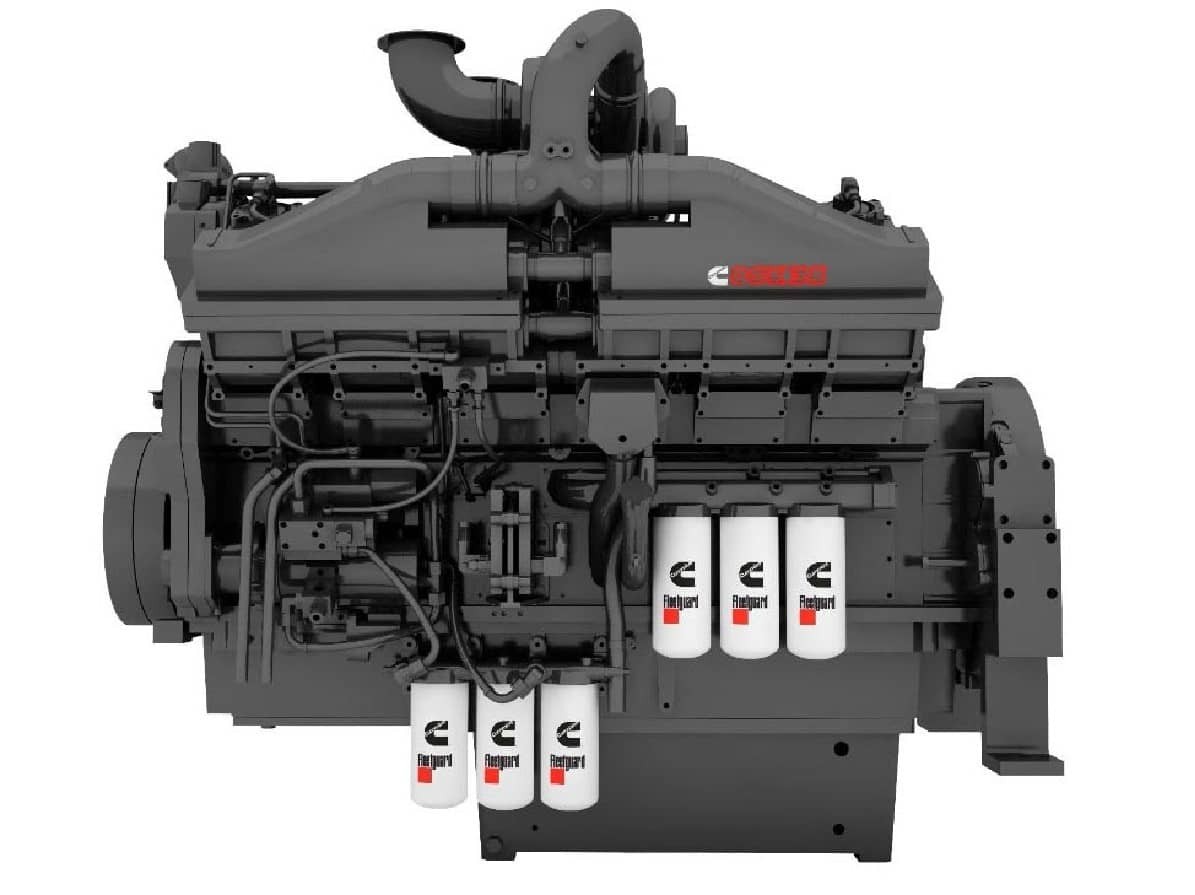
The Cummins QSK38-G5 generator engine is a heavy-duty, 37.7 L displacement V12 Cummins engine engineered specifically for high-demand electrical power generation. Delivering an impressive QSK38-G5 prime power rating alongside a robust QSK38-G5 1224 kW standby capacity, this platform is built to sustain critical infrastructure. As a dedicated engine supplier, we provide this specific G-Drive model to manufacturers and operators who require uncompromised load acceptance and precise frequency control under extreme environmental conditions. The engine block utilizes a 15:1 compression ratio and FCD (ferrous cast ductile) pistons to handle the immense cylinder pressures required for continuous high-kilowatt output.
Tech Specs of Cummins QSK38-G5
General Engine Data
Engine Model: Cummins QSK38-G5
Type: 12 Cylinders, 60° V Type, 4 Stroke Diesel
Displacement: 37.8 L
Bore * Stroke: 159 * 159
Net Weight: 3954 Kg
Overall Dimension: 2341mm*1360mm*1653mm
Key Performance Data
Rated Power/Standby Output: 1107 kW/1484HP, 1224 kW/1641HP
Rated Speed: 1500 rpm
Low Idle Speed: 700-900 rpm
Fuel Consumption: 274 L/Kw.h
More Technical Data
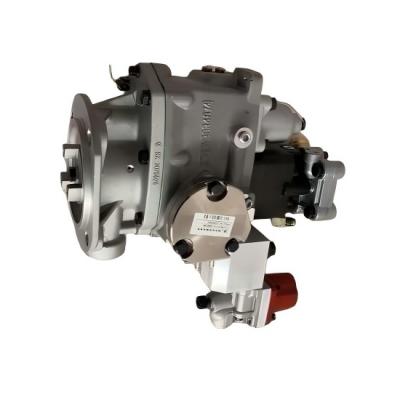
Fuel System: Cummins PT Pump, Direct Injection
Intake Method: Natural Aspiration
Electrical System (Starter Motor/Alternator): 24V
Governor Type: Electrical Control, ≤ 5%
Compression Ratio: 13.9:1
Lowest Starting Temp (Without auxiliary system): -12℃
Engine Exhaust Manifold: Optional for Wet Exhaust manifold Heat exchanger
Cooling Method: Water Cooled
Technical Comparisons: QSK38-G5 Against Alternative Platforms
Evaluating the QSK38-G5 generator engine comparison against legacy models reveals significant generational leaps in technology. When looking at the QSK38-G5 vs KTA38-G5, the most profound difference lies in fuel delivery. The KTA38 relies on the traditional PT fuel system, whereas the QSK38-G5 MCRS vs KTA38 PT fuel system debate heavily favors the QSK38 for its electronic precision, better cold-start capabilities, and stricter emissions compliance. Furthermore, comparing the QSK38-G5 1107 kW vs KTA38 1000 kW outputs highlights a roughly ten percent increase in power density within the same fundamental footprint.
For facilities deciding between the QSK38-G5 vs KTA38-G9, the QSK38 offers superior transient response thanks to its ECM integration, which interacts seamlessly with modern digital alternator regulators. When assessing the QSK38-G5 vs QSK38-G4, the G5 variant provides a higher QSK38-G5 standby power rating, jumping to 1224 kW standby compared to the slightly lower threshold of the G4. Finally, in a QSK38-G5 vs QSK50 generator engine comparison, the QSK38 delivers a highly competitive power-to-weight ratio for the 1250 kVA node, allowing operators to avoid the larger physical footprint and higher fluid capacities associated with the 50-liter block unless they explicitly require 1500 kVA or above.
Real Application Scenarios
The QSK38-G5 heavy duty power generation engine is trusted across sectors where power loss results in catastrophic financial or safety consequences.
Data Center Critical Backup Power
In the digital infrastructure sector, the QSK38-G5 data center standby generator is heavily utilized due to its Uptime Institute compliance capabilities. A Cummins QSK38-G5 data center generator engine can accept 100% block loads in a single step, ensuring server racks never experience voltage drops during grid transitions.
Remote Mining and Industrial Power
Mines operating entirely off-grid rely on the QSK38-G5 prime power industrial engine for continuous duty. The QSK38-G5 mining generator engine excels in high-dust, high-altitude environments because the low-temperature aftercooling system prevents the thermal derating commonly seen in older engines. It acts as a reliable QSK38-G5 remote mine power generator for crushing equipment and ventilation shafts.
Hospital Emergency Generators
Healthcare facilities require Tier-compliant, ultra-reliable start capabilities. The QSK38-G5 hospital standby generator provides immediate emergency power. As a critical backup power generator, its ECM control interfaces perfectly with hospital paralleling switchgear to synchronize multiple units in under ten seconds.
Maintenance and Genuine Parts Replacement Tips
Maximizing the lifespan of the QSK38-G5 engine weight and block requires strict adherence to Cummins service intervals. Because of the extreme pressures generated by the 15:1 compression ratio, utilizing genuine Cummins QSK38-G5 engine parts is non-negotiable. The MCRS injectors are highly sensitive to fuel contamination; therefore, primary fuel-water separators and secondary micron filters must be replaced simultaneously at every interval. Additionally, the 2P2L cooling system requires regular coolant testing to prevent cavitation around the cylinder liners. Operators should never mix different coolant chemistries in the distinct high-temperature and low-temperature loops.
Common Misconceptions
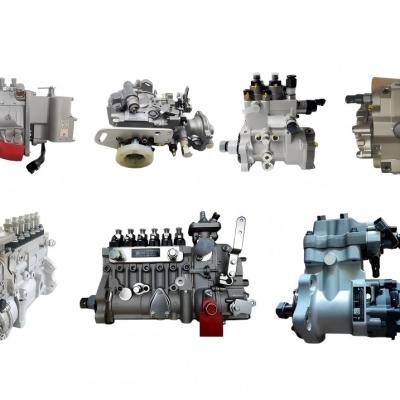
A frequent misconception we encounter as a QSK38-G5 engine supplier involves the fuel system. Buyers familiar with older Cummins models often ask how to tune the PT pump on this engine. The QSK38-G5 does not have a PT fuel pump; it utilizes a fully electronic MCRS fuel system, meaning all timing and fueling adjustments are handled autonomously by the ECM and cannot be mechanically tuned with hand tools.
Another point of confusion is the difference between engine output and genset output. Customers often search for a 1250 kW generator engine when they actually need a Cummins QSK38-G5 1250 kVA genset engine. The engine provides 1107 kW of mechanical power, which an alternator converts into 1000 kW of electrical power (which equates to 1250 kVA at a 0.8 power factor). Understanding your QSK38-G5 engine specifications ensures you do not undersize your facility's power requirements.
Extending Your Options Across the Fleet
While the QSK38-G5 is an exceptional power plant for the 1250 kVA tier, different operational profiles sometimes require alternative configurations from the same engine family. For those assessing broader power generation requirements, evaluating the entire lineage of Cummins heavy-duty models ensures exact alignment with your project's mechanical and electrical demands.
Cummins QSK-G Series, original products from Chongqing Cummins Engine Plant(CCEC). This series mainly includes QSNT-G, QSK19-G4, QSK19-G5, QSKTAA19-G3, QSK38-G1, QSK38-G2, QSK38-G3, QSK38-G4, QSK38-G5, QSK50-G2, QSK50-G3, QSK50-G4, QSK50-G6, QSK50-G7.
Frequently Asked Questions Regarding the QSK38-G5 Engine
Is the QSK38-G5 engine supplied by HekoPower an original Cummins product?
Yes, every engine we deliver is a 100% genuine product built by the Chongqing Cummins Engine Plant (CCEC) in China. This is an official joint-venture production facility operated with Cummins USA. Each engine carries an individual factory nameplate alongside a unique serial number that can be cross-verified through global service networks.
Can this engine be integrated into a containerized silent generator set?
The design of this engine makes it well-suited for a containerized silent generator set. The high power density of the V12 configuration fits neatly into standard 40-foot high-cube acoustic enclosures. Its structural cooling capacity allows for proper air handling even when surrounded by heavy sound-attenuation baffles.
What emissions standard does the CCEC QSK38-G5 engine satisfy?
In its standard G-Drive configuration, the QSK38-G5 complies with U.S. EPA Tier 2 and CARB Tier 2 exhaust emission levels for stationary emergency applications. This regulatory compliance is achieved naturally via refined in-cylinder combustion management without requiring complex aftertreatment accessories.
How does HekoPower handle international warranty claims?
Every genuine engine we sell is backed by the standard international CCEC warranty coverage policy. This typically protects your investment for one full year or 1500 operational hours, whichever milestone occurs first. If a component failure occurs due to a factory material defect, replacement parts can be sourced and processed through standard global verification channels.