Details
Engineering Superiority of the Deutz TBD226B-6IIC Vehicle Diesel Engine
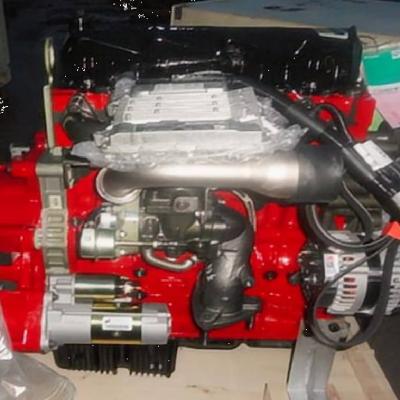
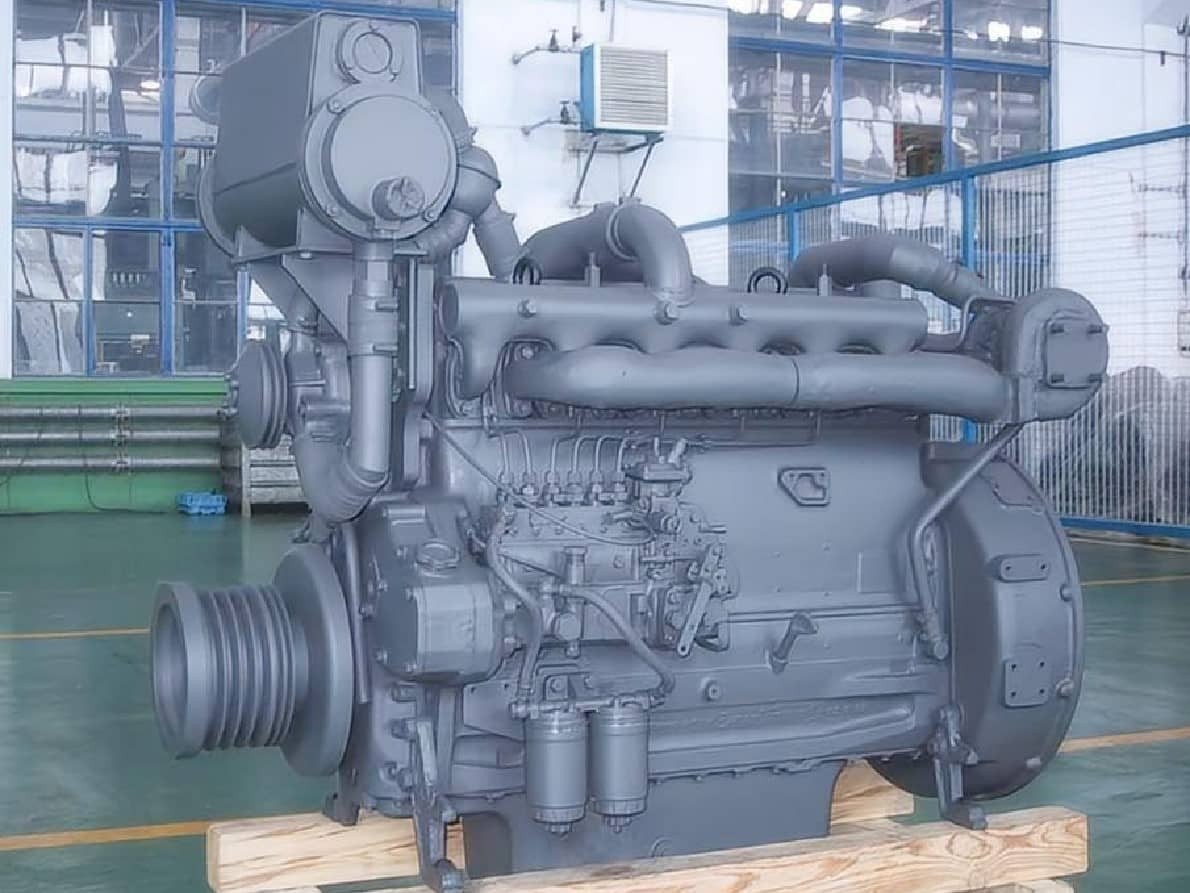
The Deutz TBD226B-6IIC vehicle diesel engine stands out in the commercial vehicle sector due to its robust 6-cylinder inline architecture, engineered specifically to endure the demanding stop-and-go cycles of heavy-duty transport. With a displacement of 6.23 liters, a 105mm bore, and a 120mm stroke, this engine achieves an optimal balance between displacement and thermal efficiency.
Unlike light-duty powerplants that experience premature wear under heavy payloads, the TBD226B platform utilizes a reinforced crankcase and heavy-duty wet cylinder liners. This design ensures superior cooling distribution across all six cylinders. When paired with its factory-calibrated turbocharger and intercooler system, the engine delivers a clean, responsive power curve that peaks at 176kW (239HP) at 2500rpm. Fleet operators benefit from a strong maximum torque output of 810Nm, which provides the necessary pulling power for heavy cargo trucks and intercity passenger buses navigating steep highway grades.
Tech Specs of Deutz TBD226B-6IIC Vehicle Diesel Engine
General Engine Data
Engine Model: Deutz TBD226B-6IIC
Type: 6 Cylinders, in Line
Displacement: 6.23 L
Bore * Stroke: 105 * 120
Key Performance Data
Adversed Power/Speed: 176 kW/2500 rpm
Max. Torque/Speed: 810 N.m @ 1400-1600 rpm
Idle Speed: 750 ± 50 rpm
Min. Fuel Consumption @ Full-load: 196 g/Kw.h
More Technical Data
Certification: Euro II
Aspiration: Turbocharged & Aftercooled
Ignition Sequence: 1-5-3-6-2-4
Flywheel Casing: SAE1, SAE3
Technical Comparison: Automotive vs. Generator 226B Configurations
A common point of confusion among buyers is assuming that all Deutz 226B series engines are identical regardless of their application. In practice, vehicle-spec engines like the TBD226B-6IIC differ fundamentally from their stationary generator or marine counterparts.
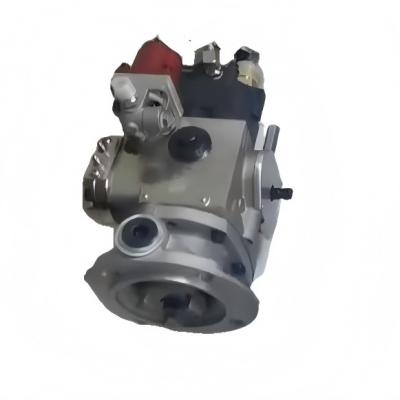
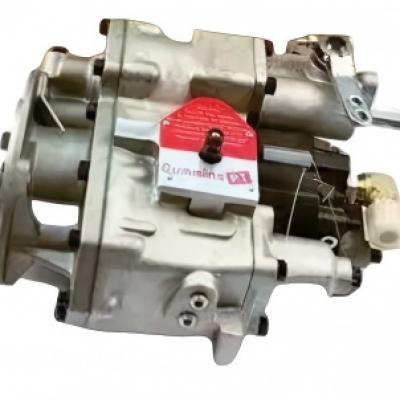
Generator engines are engineered for constant-speed operation at fixed RPMs (typically 1500 or 1800 rpm) under steady electrical loads. In contrast, the TBD226B-6IIC is tuned for dynamic automotive duty cycles requiring variable RPM responses and high transient torque delivery. Its mechanical fuel injection pump and automotive governor are mapped to handle sudden throttle inputs without stalling or excessive smoke emissions. Furthermore, the thermal management system, water pump flow rates, and oil pan configurations are tailored to fit standard commercial chassis layouts rather than enclosed sound-attenuated generator canopies. Understanding these distinctions prevents costly mismatching when sourcing replacement power units for commercial fleets.
Real Application Scenarios in Commercial Fleets
Engine versatility dictates its value in the commercial aftermarket. The Deutz TBD226B-6IIC is engineered to integrate seamlessly into a wide range of medium-to-heavy commercial vehicles.
In heavy-duty cargo and dump truck applications, the engine excels in high-torque demand environments. Construction trucks operating on unpaved terrain benefit from the engine's low-end torque responsiveness, which reduces gear-shifting frequency and clutch wear. Similarly, in passenger bus retrofitting and transit coach maintenance, the six-cylinder inline configuration provides a narrow profile that fits comfortably within standard engine compartments while maintaining low interior cabin noise and vibration levels. Because HekoPower supplies these units with standardized SAE1 and SAE3 flywheel housing compatibility, mechanics can complete engine swaps and chassis integration with minimal structural modifications.
Maintenance Best Practices and Common Misconceptions
Dispelling Common Maintenance Misconceptions
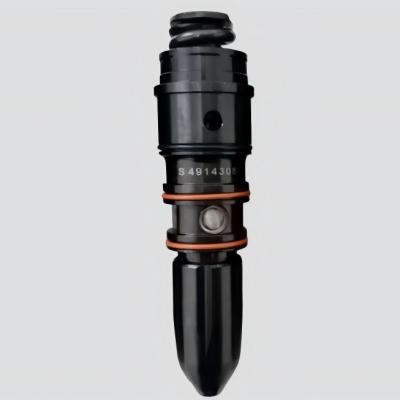
A widespread misconception in fleet workshops is that vehicle-spec diesel engines can safely operate on the same extended oil-change intervals recommended for stationary industrial units. Because commercial vehicles encounter severe dust, high idling times, and frequent load shifts, engine oil undergoes significantly higher thermal and particulate stress. Adhering to strict oil and filter replacement schedules is essential to protect the turbocharger bearings and precision fuel injectors.
Practical Replacement and Installation Tips
When installing a replacement Deutz TBD226B-6IIC engine assembly, technicians should perform a thorough alignment check of the transmission bell housing and flywheel runout to prevent premature rear crankshaft seal failure. Additionally, always prime the oil gallery and turbocharger feed lines prior to initial startup to eliminate dry-start friction. Regularly inspecting the intercooler piping for oil residue helps catch early signs of turbo wear before it impacts fuel efficiency, which should ideally hover around the optimal 196 g/kWh consumption benchmark.
Series Integration
The engines for truck mainly include Deutz TBD226B-3II, Deutz TBD226B-4II, Deutz TBD226B-4IIA, Deutz TBD226B-4IIC, Deutz TBD226B-6IIA, Deutz TBD226B-6IIB, Deutz TBD226B-6IIC.
The engines for coach mainly include TBD226B-4IIA, TBD226B-6IIC, TBD226B-6IID.
The engines for bus mainly include TBD226B-4IIA, TBD226B-6IIC, TBD226B-6IID.
Frequently Asked Questions (FAQs)
What is the maximum engine speed of this model?
This is a Deutz TBD226B-6IIC 176kW 2500rpm diesel engine. The governor is set to allow a maximum continuous operating speed of 2500 rpm, which provides excellent highway cruising speeds for trucks and buses.
How does the Deutz TBD226B-6IIC torque curve behave under load?
The Deutz TBD226B-6IIC torque curve is broad and flat. This means the engine reaches its maximum twisting force early in the RPM range and holds it steady. Drivers do not have to constantly downshift when encountering hills, which reduces transmission wear and driver fatigue.
What makes the Deutz TBD226B-6IIC ideal for commercial bus retrofitting?
The engine offers a compact six-cylinder inline footprint, high torque at lower RPMs, and smooth power delivery that minimizes passenger cabin vibration. Its standardized mounting interfaces also simplify alignment with existing transmission systems.
How does the 176kW power rating handle steep grade climbs under full payload?
The factory-tuned turbocharger and intercooler system maintain forced induction pressure across a wide operational band, producing an 810Nm torque curve that sustains vehicle momentum on steep inclines without overheating.