Details
Advanced Engineering Architecture of the Cummins QSK50-G7 Generator Engine
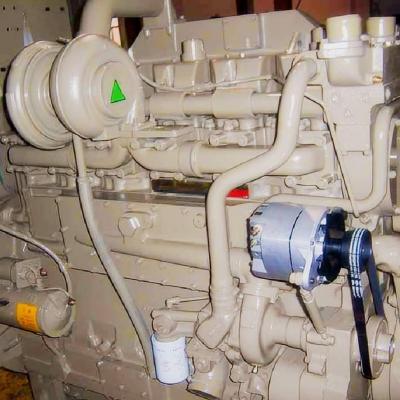
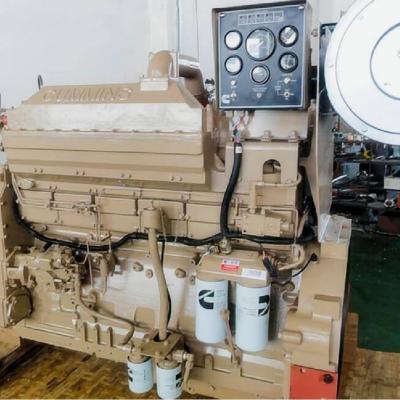
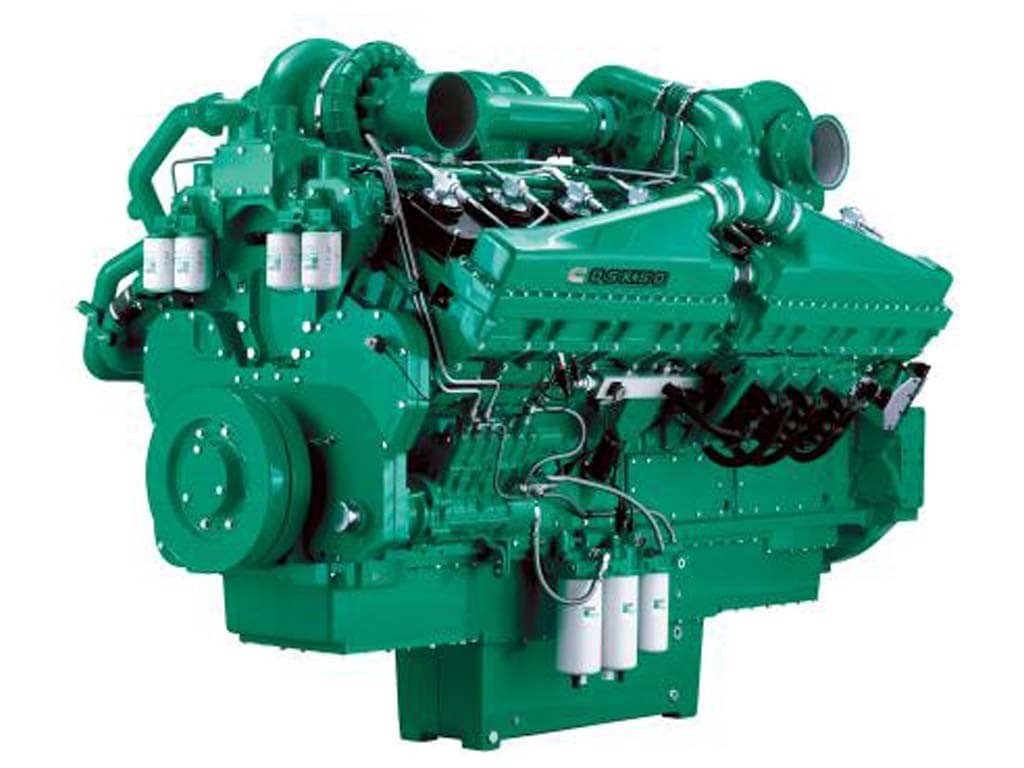
The Cummins QSK50-G7 generator engine represents a pinnacle of heavy-duty industrial power engineering. Operating at 1500 RPM for 50 Hz power generation, this V16 powerhouse delivers a prime rating of 1421 kW and a standby output reaching 1905 HP. At HekoPower, we recognize that deploying an engine of this scale requires a thorough understanding of its internal mechanics. The architecture relies on a robust 50.3-liter displacement platform designed to withstand continuous heavy loads without compromising thermal efficiency.
The structural foundation utilizes a high-strength cast iron block that effectively dampens combustion vibrations. This rigidity is essential for maintaining strict alignment across the massive crankshaft journal bearings during prolonged operation. Furthermore, the integration of the Modular Common Rail System (MCRS) fuel injection technology allows the QSK50-G7 to achieve precise fuel atomization. This precision directly translates into optimized combustion cycles, reduced particulate emissions, and compliance with EPA Tier 2 stationary emergency and prime standards.
Tech Specs of Cummins QSK50-G7
General Engine Data
Engine Model: Cummins QSK50-G7
Type: 16 Cylinders
Displacement: 50.3 L
Bore * Stroke: 159 * 159
Net Weight: 7492 Kg
Overall Dimension: 4674mm*2468mm*3100mm
Key Performance Data
Rated Power/Standby Output: 1421 kW(1905HP), 1581 kW(2120HP)
Rated Speed: 1500 rpm
Low Idle Speed: 700-800 rpm
Fuel Consumption: 92.0 g/kWh @ 1500 rpm
More Technical Data
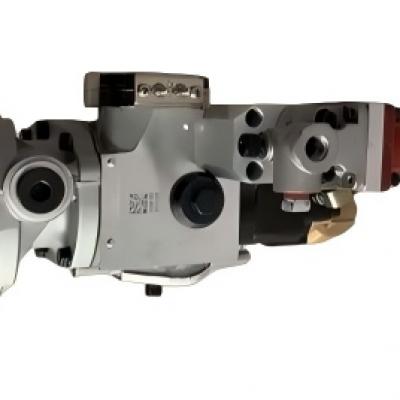
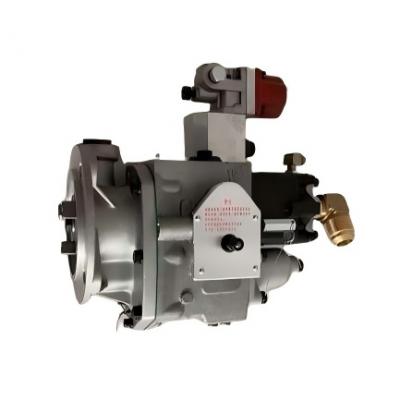
Fuel System: Cummins Direct Injection MCRS
Aspiration: Turbocharged, After-cooled
Electrical System (Starter Motor/Alternator): 24V
Cooling System Design: 2 pump- 2 loop
Technical Comparisons with Alternative High-Capacity Power Units
When evaluating high-capacity industrial power solutions, engineers frequently weigh the QSK50-G7 against older mechanical injection platforms or lower-displacement V12 alternatives like the KTA50 series. Traditional mechanical systems, while mechanically simple, often struggle with transient response times under sudden load steps. In contrast, the electronic control module (ECM) of the QSK50-G7 constantly monitors engine parameters, adjusting fuel delivery in milliseconds to minimize frequency dip.
When compared to competitive 50-liter engines in the marketplace, this CCEC-built variant distinguishes itself through its two-pump, two-loop low-temperature aftercooling configuration. While many standard engines utilize a single cooling circuit that forces compromise between jacket water and charge air temperatures, the dual-loop setup on the QSK50-G7 separates high-temperature and low-temperature fluids. This ensures that intake air density remains consistently high, maximizing power output even in high-ambient tropical operating environments where lesser engines suffer from thermal derating.
Real Application Scenarios for the QSK50-G7 Generator Engine
The true capability of the Cummins QSK50-G7 generator engine is best understood through its deployment in mission-critical environments. Data centers, which demand absolute uptime and instantaneous load-acceptance capabilities, frequently rely on this specific V16 model for emergency backup power. Because a data center cannot afford a microsecond of voltage instability, the combination of the heavy flywheel inertia and advanced ECM governance ensures seamless transition from grid power to generator prime power.
Beyond digital infrastructure, heavy mining operations and remote industrial processing plants utilize the QSK50-G7 for continuous baseload generation. In these isolated sectors, maintenance accessibility is just wet-weather survival. The rugged build quality of the CCEC manufacturing line ensures that auxiliary systems, such as the lubrication and filtration modules, withstand abrasive dust and continuous heavy-load profiles without premature component degradation.
Essential Maintenance and Replacement Tips for Long-Term Reliability
Maximizing the operational lifespan of a 1905 HP industrial engine requires strict adherence to preventative maintenance schedules. Oil analysis should be performed at regular intervals to monitor microscopic wear metals, providing early warning signs of bearing or liner friction before catastrophic failure occurs. Because the MCRS fuel system operates under extreme injection pressures, fuel filtration cleanliness is non-negotiable. Operators must ensure that primary water separators and secondary fuel filters are replaced using genuine CCEC components to prevent microscopic contaminants from scoring injector nozzles.
When executing a replacement or engine overhaul, technicians must pay meticulous attention to the torque sequencing of the cylinder head bolts and the calibration of the valve bridge clearances. Neglecting thermal expansion tolerances on a V16 engine of this magnitude can lead to uneven compression and localized overheating. Sourcing certified replacement blocks, turbocharger assemblies, and water pumps from an experienced supplier like HekoPower ensures that metallurgical compatibility is maintained across all moving parts.
Exploring the Broader CCEC QSK50 Generation Family
Selecting the exact power unit for a complex industrial installation often requires evaluating neighboring specifications within the same engine family to match precise project engineering constraints.
Cummins QSK-G Series, original products from Chongqing Cummins Engine Plant(CCEC). This series mainly includes QSNT-G, QSK19-G4, QSK19-G5, QSKTAA19-G3, QSK38-G1, QSK38-G2, QSK38-G3, QSK38-G4, QSK38-G5, QSK50-G2, QSK50-G3, QSK50-G4, QSK50-G6, QSK50-G7.
Frequently Asked Questions Regarding the QSK50-G7 Engine
What is the precise QSK50-G7 fuel consumption rate at 75 percent prime load?
At a 75% prime power application running at 1500 RPM, the engine burns approximately 260 to 275 liters of diesel fuel per hour. This consumption curve optimizes thermal efficiency, making it an excellent choice for a QSK50-G7 industrial continuous power engine.
Where is the best place to buy original QSK50-G7 for 1500kw generator build?
The engine should be sourced through an authorized supply partner like HekoPower who can verify the CCEC manufacturing origin. This avoids counterfeit or refurbished components being sold as new factory inventory.
Is the Cummins QSK50-G7 compliant with EPA Tier 2 Stationary Emergency standards?
Yes, the engine configuration meets the required emission limits for Cummins QSK50-G7 emissions compliant engine status under the EPA Tier 2 rules for stationary emergency standby applications. Always specify your local emission requirements when requesting your initial quote.