Details
Engineering Excellence and Operational Profile of the DCEC 4BT3.9-C80
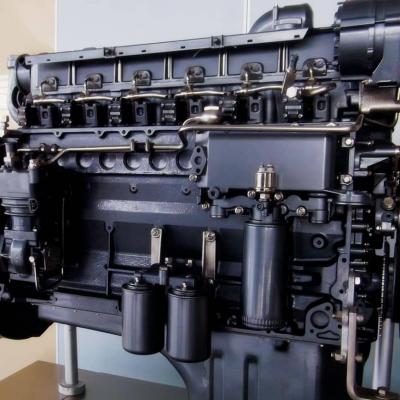
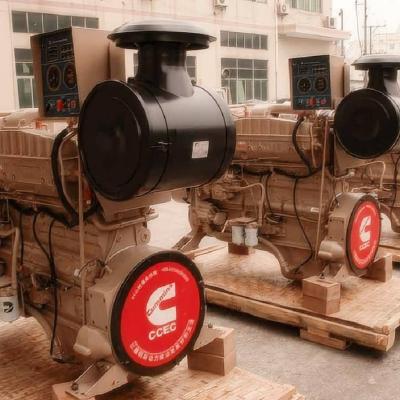
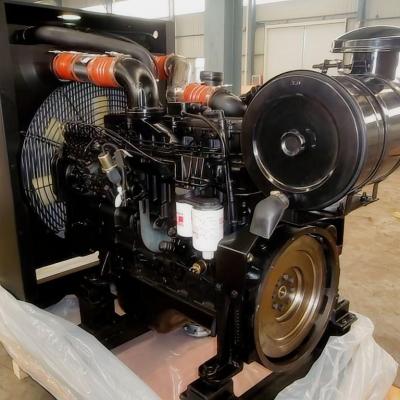
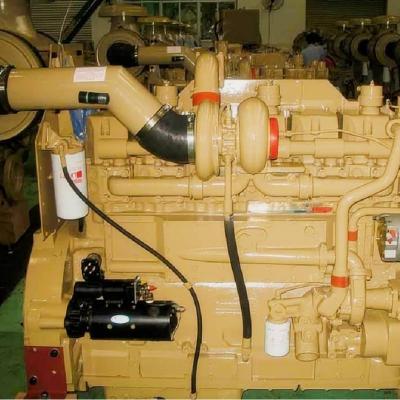
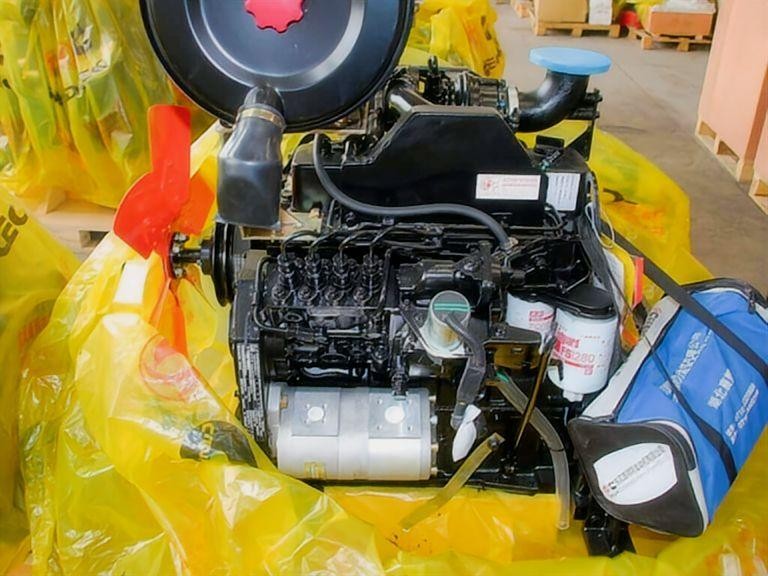
The Dongfeng Cummins 4BT3.9-C80 is a heavy-duty industrial power unit engineered to deliver dependable performance in demanding operational environments. Manufactured under rigorous quality standards, this 3.9-liter, four-cylinder in-line diesel engine provides robust torque delivery and exceptional mechanical durability. For fleet operators, equipment manufacturers, and contractors requiring a reliable Cummins 4BT3.9-C80 engine assembly, understanding its structural integrity is essential for successful machinery integration.
Unlike lighter automotive variants, the industrial 'C' series is specifically calibrated for continuous heavy loads. The robust cast-iron cylinder block and head are designed to withstand high cylinder pressures without thermal distortion. Mechanical fuel injection systems utilized on the Cummins 4BT3.9-C80 mechanical fuel injection engine ensure high reliability in remote job sites where electronic diagnostic infrastructure may be limited. This mechanical simplicity reduces field maintenance complexities and guarantees consistent fuel delivery under dusty, high-vibration conditions typical of earthmoving projects.
Tech Specs of Cummins 4BT3.9-C80
General Engine Data
Engine Model: Cummins 4BT3.9-C80
Type: 4 Cylinders in Line
Displacement: 3.9 L
Bore * Stroke: 102 * 120
Overall Dimension: 867mm*544mm*988mm
Key Performance Data
Rated Power: 60 kW/80HP
Rated Speed: 2000 rpm
Max Torque/Speed: 330 N.m @ 1500 rpm
Fuel Consumption @ Rated Power: 249g/Kw.h
Max Continuous Running Altitude: 2000 m
More Technical Data
Certification: Euro I
Aspiration: Turbocharged-Intercooled
Fuel System: Weifu PW/RSV
Compression Ratio: 16.5:1
Electrical System (Starter Motor/Alternator): 12V/24V
Lowest Starting Temp Without auxiliary system: -12℃
Cooling Method: Water cooled
Engine Cooling Fluid Volume: 7.9 L
Real Application Scenarios in Heavy-Duty Construction Machinery
Deploying the Cummins 4BT3.9-C80 60kW 80HP diesel engine requires careful alignment with machinery hydraulic and transmission loads. This power unit is factory-optimized for construction equipment where low-end torque responsiveness matters more than high-rpm horsepower. Contractors frequently utilize this engine in medium-sized wheel loaders, single-drum vibratory road rollers, rough-terrain forklifts, and hydraulic excavators.
In daily operation, construction machinery undergoes sudden load spikes when buckets engage dense earth or rollers compact high-density sub-bases. The torque curve of the Cummins 4BT3.9-C80 rated speed 2000 RPM configuration ensures that the engine recovers quickly from lugging conditions. Operators benefit from steady hydraulic pump output and minimized stalling risks during aggressive trenching or lifting cycles. Furthermore, the compact footprint of the 4BT3.9-C80 engine dimensions and wet weight allows seamless retrofitting into older equipment chassis during repowering projects.
Technical Comparisons and Performance Nuances
When evaluating power options, equipment engineers often debate the differences between the base 80HP variant and higher-output iterations within the family. Unlike the Cummins 4BT3.9-C80 vs 4BT3.9-C100 rated power comparison, where higher horsepower ratings sacrifice low-end torque longevity for top-end speed, the C80 model emphasizes sustained torque at lower rotational speeds. This makes the 4BT3.9-C80 engine for industrial equipment repowering an ideal drop-in replacement for worn-out powerplants in legacy machinery.
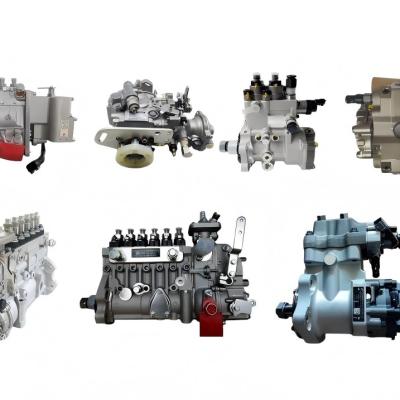
Another frequent technical inquiry involves the Cummins 4BT3.9-C80 vs 4BTA3.9-C80 engine distinction. While both share the core 3.9L displacement and robust architecture, the 'A' designation indicates the presence of an air-to-air aftercooler. The non-aftercooled C80 configuration relies on straightforward intake manifold routing, reducing auxiliary component wear and simplifying installation plumbing in tight machinery engine bays. The DCEC 4BT3.9-C80 fuel pump and governor specifications are precisely tuned to govern fuel delivery strictly according to load demands, preventing thermal overload during prolonged grading operations.
Maintenance, Troubleshooting, and Common Misconceptions
Maximizing the operational lifespan of a DCEC 4BT3.9-C80 industrial engine requires adherence to preventive maintenance schedules, particularly regarding filtration and cooling integrity. A widespread misconception in the field is that industrial mechanical diesel engines can operate indefinitely on substandard filtration. Because the fuel injection pump relies on precise plunger tolerances, using secondary fuel filters rated below OEM micron standards leads to premature wear.
When inspecting a 4BT3.9-C80 engine configuration number and serial number identification plate, technicians must verify that replacement components match the specific CPL (Control Parts List) code. Installing generic aftermarket overhaul kits without verifying injector spray angles or piston combustion bowl geometry can drastically increase Cummins 4BT3.9-C80 fuel consumption at rated power and elevate exhaust gas temperatures. Regular inspection of the torsional vibration damper and belt-driven water pump prevents unexpected catastrophic failures during peak seasonal construction work.
Cummins B3.9 Series Ecosystem and Model Integration
Navigating industrial powertrain options requires an understanding of broader engine families and their associated spare parts ecosystem. When evaluating procurement choices for complete power units or replacement assemblies, buyers often examine multiple tiers of equipment availability.
Cummins B3.9-C Series, original products from Dongfeng Cummins Engine Plant (DCEC), Cummins Joint Venture Plant since 1986, 50% shareholding by Cummins USA. This series mainly includes 4BT3.9-C80, 4BT3.9-C100, 4BT3.9-C105, 4BT3.9-C110, 4BTA3.9-C80, 4BTA3.9-C100, 4BTA3.9-C110, 4BTA3.9-C120, 4BTA3.9-C125, 4BTA3.9-C130, 4BTAA3.9-C80, 4BTAA3.9-C100, 4BTAA3.9-C110, 4BTAA3.9-C115, 4BTAA3.9-C125, 4BTAA3.9-C130.
Frequently Asked Questions (FAQ)
What is the primary difference between the Cummins 4BT3.9-C80 and higher-horsepower 4BT models?
The C80 model is specifically tuned to deliver 60kW at 2000 RPM with an emphasis on high torque backup at lower speeds. Higher-output models sacrifice low-end lugging capacity for increased top-end power, making the C80 superior for heavy construction duty cycles.
Can I replace a 4BT3.9-C100 with a 4BT3.9-C80?
Yes, but you will notice a drop in hydraulic speed. The C80 is tuned for 80HP. If your equipment requires the higher 100HP output for heavy lifting, we recommend sticking to the C100 variant to avoid straining the Cummins 4BT3.9-C80 assembly for construction machinery.
Can the Cummins 4BT3.9-C80 be used to repower older imported construction machinery?
Yes, its standardized mounting dimensions and compact block architecture make it an ideal replacement engine for various legacy wheel loaders, excavators, and rollers originally equipped with mechanical B-series powerplants.
What spare parts are most critical for this engine?
To ensure easy maintenance mechanical diesel engine operation, always keep a stock of Cummins 4BT diesel engine spare parts such as fuel injectors, lift pumps, and fan belts. These are the most common wear items in high-dust environments.