Details
Engineering Excellence and Vehicle Integration of the Deutz TBD226B-6IIB Diesel Engine
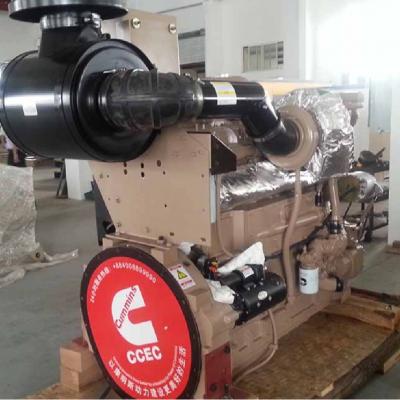
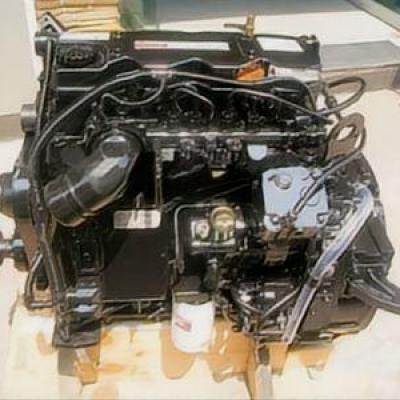
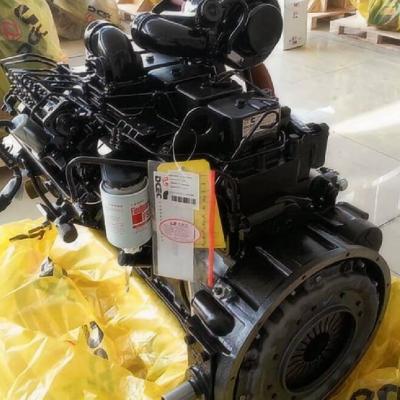
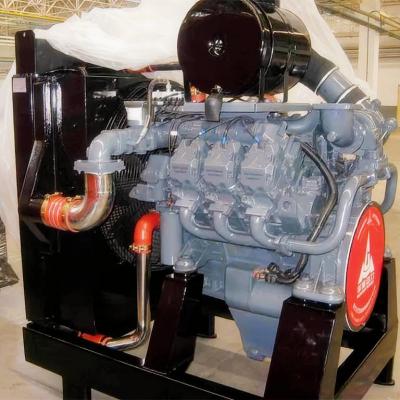
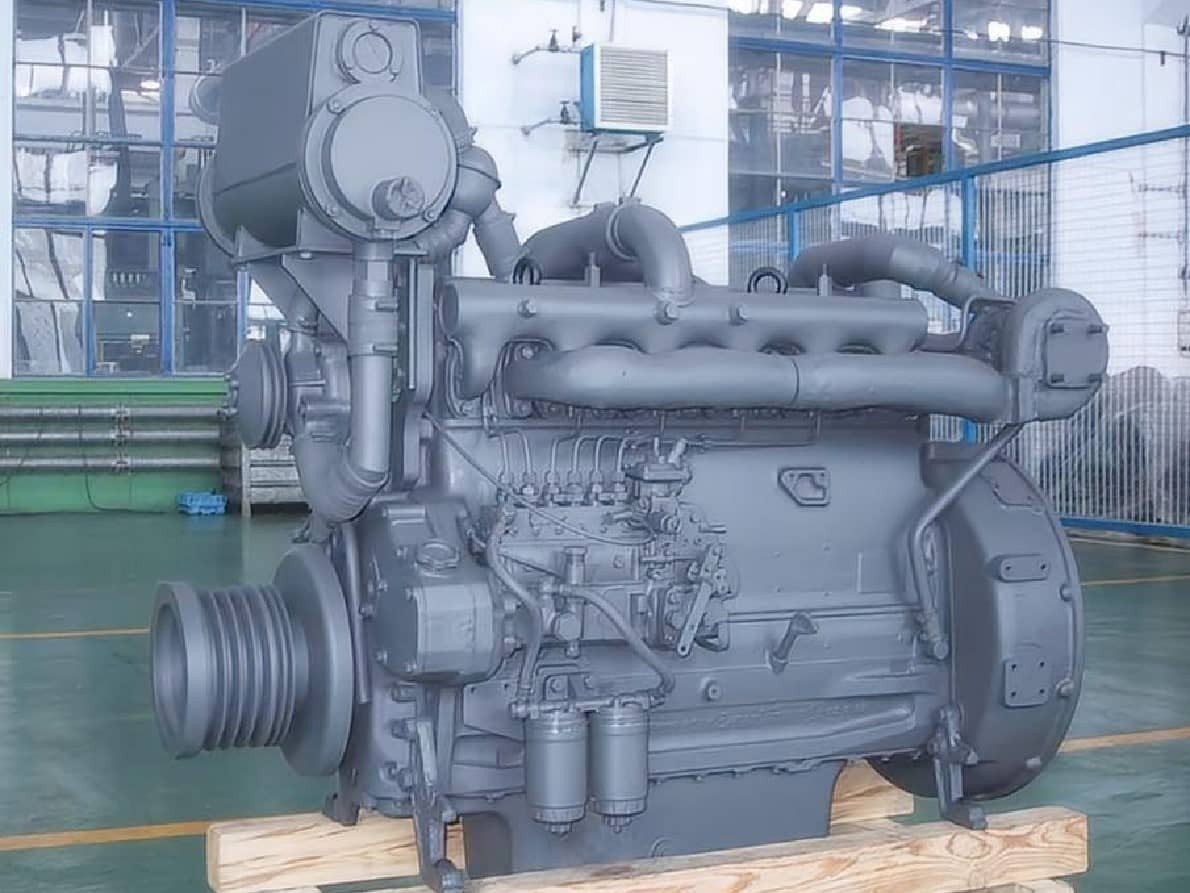
The commercial transport sector demands power units that balance robust mechanical endurance with responsive thermal efficiency. As an established global engine supplier, HekoPower provides complete assemblies designed to meet these exact operational standards. The Deutz TBD226B-6IIB vehicle diesel engine represents a specialized evolution within the renowned 226B series, engineered specifically to address the demanding duty cycles of commercial trucks and heavy-duty transport vehicles. With a displacement of 6.23 liters distributed across six inline cylinders, this turbocharged power plant delivers a rated output of 155 kilowatts, equivalent to 210 horsepower, at a governed speed of 2300 revolutions per minute.
Understanding how this assembly integrates into existing vehicle chassis requires looking beyond basic datasheets. Commercial operators operating medium-duty truck fleets require power plants capable of sustaining high torque outputs across extended operational shifts without experiencing thermal degradation. The TBD226B-6IIB achieves this through optimized combustion chamber geometry and precise turbocharger matching, yielding a maximum torque of 730 Newton-meters delivered consistently between 1400 and 1600 revolutions per minute. This broad torque band ensures that vehicles equipped with this engine maintain optimal momentum on steep inclines and during frequent stop-and-go urban-rural transport cycles, minimizing the need for constant gear shifting and reducing overall drivetrain wear.
Tech Specs of Deutz TBD226B-6IIB
General Engine Data
Engine Model: Deutz TBD226B-6IIB
Type: 6 Cylinders, in Line
Displacement: 6.23 L
Bore * Stroke: 105 * 120
Key Performance Data
Adversed Power/Speed: 155 kW/2300 rpm
Max. Torque/Speed: 730 N.m @ 1400-1600 rpm
Idle Speed: 750 ± 50 rpm
Min. Fuel Consumption @ Full-load: 196 g/Kw.h
More Technical Data
Certification: Euro II
Aspiration: Turbocharged & Aftercooled
Ignition Sequence: 1-5-3-6-2-4
Flywheel Casing: SAE1, SAE3
Technical Comparisons and Evolutionary Context within the 226B Series
Evaluating the Deutz TBD226B-6IIB requires distinguishing its performance characteristics from neighboring variants within the broader Deutz and Weichai 226B family, such as the 6IIA and 6IIC configurations, without relying on rigid data tables. While all three models share the foundational 105 millimeter bore and 120 millimeter stroke dimensions, their internal calibration and fuel mapping differ significantly to suit varying vehicle weight classes.
The lighter 6IIA variant is typically tuned for lower power thresholds, prioritizing fuel economy in lighter transport trucks where maximum payload capacity is modest. Conversely, the heavier-duty 6IIC pushes thermal and mechanical thresholds higher, often requiring specialized cooling infrastructure. The TBD226B-6IIB occupies the optimal middle tier, engineered as a balanced bridge between fuel economy and high load-bearing capacity. Its turbocharger is calibrated to engage earlier in the RPM band compared to the 6IIA, providing a steeper torque rise that assists heavy trucks during initial launch. Additionally, the thermal management system on the 6IIB features enhanced coolant flow galleries around the valve bridges, mitigating localized hot spots that commonly affect engines operating continuously at 730 N.m torque loads. When retrofitting or replacing an older power plant, understanding these subtle internal calibration differences ensures that fleet operators select an assembly that matches their transmission gear ratios and rear axle differentials.
Comprehensive Maintenance, Replacement Tips, and Common Misconceptions
Securing maximum operational lifespan from a Deutz TBD226B-6IIB engine assembly demands adherence to structured maintenance protocols and the avoidance of common servicing misconceptions. One frequent misconception among fleet technicians is that heavy-duty diesel engines can tolerate extended oil drain intervals simply because oil capacities are large. In practice, the high soot loading generated during heavy-duty truck transport accelerates lubricant shearing. Operators should utilize high-grade diesel engine oils meeting strict viscosity standards and adhere strictly to scheduled filter replacements to protect precision fuel injection components.
When performing a complete engine replacement, verifying the exact flywheel housing configuration—such as SAE 1 or SAE 3 standards—is paramount before dropping the assembly into the vehicle chassis. Mismatched bell housings create angular misalignment between the crankshaft and transmission input shaft, leading to premature pilot bearing failure and destructive vibration harmonics. Another critical installation tip involves flushing the vehicle radiator and charge air cooler (intercooler) prior to mounting the new engine. Debris left in the intake tract from a previous engine failure can instantly damage the new turbocharger compressor wheel. Technicians must also verify that the fuel supply pressure from the lift pump meets factory specifications to prevent cavitational wear on the high-pressure fuel injection pump during initial startup.
Series Overview and Available Configurations
When planning comprehensive fleet upgrades or sourcing specialized power units, exploring related assemblies ensures complete compatibility across all operational tiers. As a trusted international engine supplier, HekoPower maintains a comprehensive inventory of marine, generator, construction, and vehicle-spec power plants. The engines for truck mainly include Deutz TBD226B-3II, Deutz TBD226B-4II, Deutz TBD226B-4IIA, Deutz TBD226B-4IIC, Deutz TBD226B-6IIA, Deutz TBD226B-6IIB, Deutz TBD226B-6IIC.
The engines for coach mainly include TBD226B-4IIA, TBD226B-6IIC, TBD226B-6IID.
The engines for bus mainly include TBD226B-4IIA, TBD226B-6IIC, TBD226B-6IID.
Frequently Asked Questions Regarding Supply, Warranty, and Specifications
What is the rated fuel consumption of the Deutz TBD226B-6IIB engine under full load?
The engine features an optimized full-load fuel consumption rate of approximately 196 grams per kilowatt-hour, ensuring high thermal efficiency and reduced operational costs for commercial fleet operators over extended mileage cycles.
Can the TBD226B-6IIB be used as a direct replacement for older Deutz or Weichai 226B vehicle engines?
Yes, provided that the dimensional envelope, cooling connections, and flywheel housing standards (such as SAE 1 or SAE 3) are cross-referenced with your existing chassis specifications. HekoPower provides complete configuration verification support for international buyers.
What warranty and lead times apply when purchasing a complete engine assembly from HekoPower?
HekoPower supplies brand-new and fully tested complete engine assemblies backed by a standard 12-month operational warranty. Standard export lead times range between 15 and 20 business days, supported by secure crating and global shipping logistics.