Details
Understanding the Engineering Foundation of the Cummins B160-33
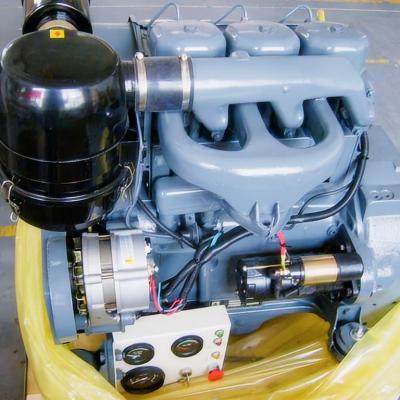
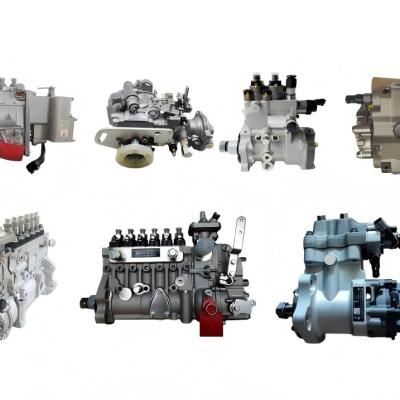
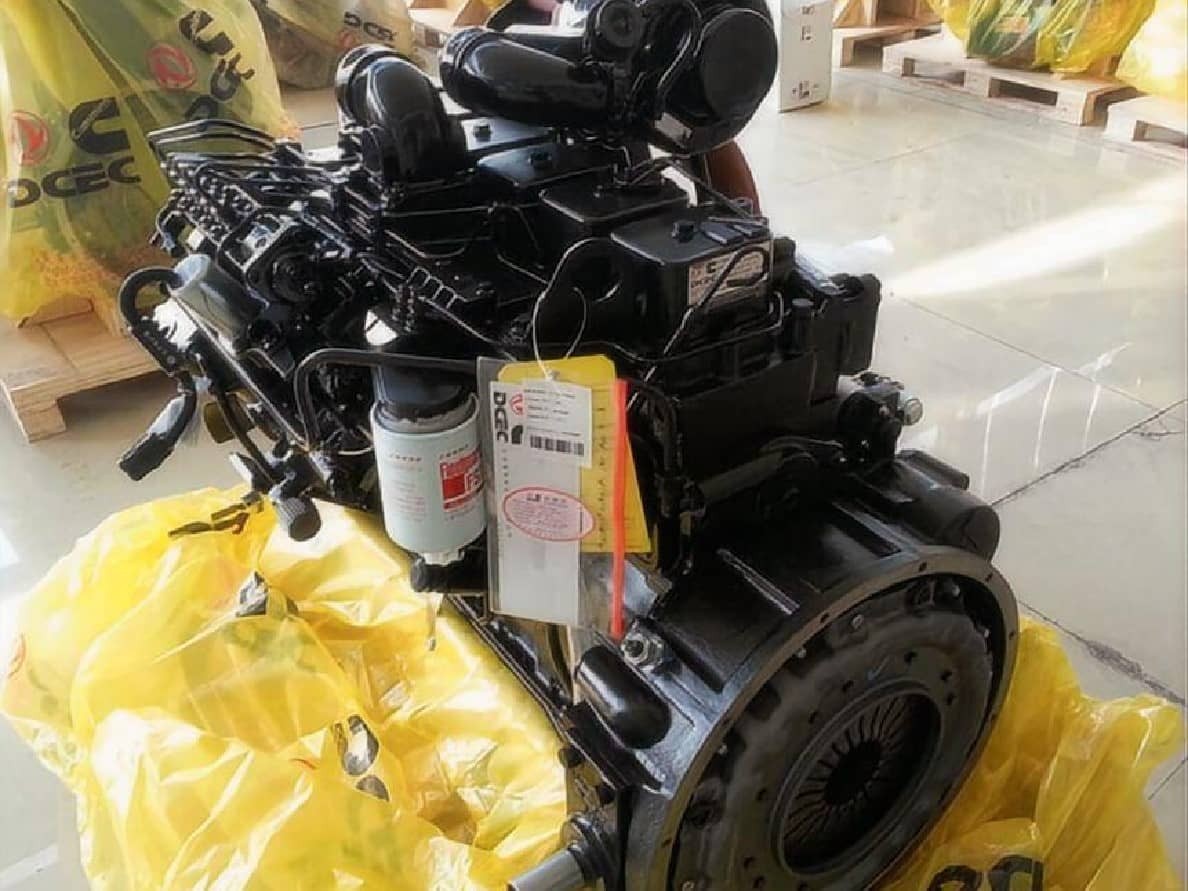
The Cummins B160-33 stands as a robust mechanical-fuel-injection milestone within Dongfeng Cummins Engine Co., Ltd. (DCEC) lineup, specifically engineered for commercial transport and vocational vehicle duties. Displacing 5.9 liters across six inline cylinders, this engine utilizes a proven 102mm bore and 120mm stroke architecture that maximizes low-end torque delivery. Unlike modern high-pressure common rail (HPCR) systems that demand ultra-sensitive fuel cleanliness, the B160-33 relies on a precision-calibrated Wuxi Weifu mechanical fuel injection pump. This mechanical configuration provides fleet operators and regional transport companies across developing infrastructure corridors with exceptional resilience against variable diesel fuel quality.
When evaluating replacement power units for medium-duty cargo trucks, construction support vehicles, and passenger coaches, fleet managers frequently look for high reliability coupled with straightforward servicing requirements. The B160-33 achieves this balance by maintaining a direct gear train layout at the rear/front of the block, minimizing parasitic power losses and ensuring precise valve and injection timing over hundreds of thousands of operating kilometers. The turbocharged and intercooled induction setup forces dense ambient air into the combustion chambers, allowing the engine to sustain its 118kW rated output at 2500 to 2600 rpm without excessive exhaust gas temperatures.
Tech Specs of Cummins B160-33
General Engine Data
Engine Model: Cummins B160-33
Type: 6 Cylinders in Line
Displacement: 5.9 L
Bore * Stroke: 102 * 120
Net Weight (with flywheel & alternator): 413 Kg
Overall Dimension: 1026mm*699mm*912mm
Key Performance Data
Rated Power: 118 kW/160HP
Rated Speed: 2500/2600 rpm
Max Torque/Speed: 570 N.m @ 1500-1600 rpm
Torque/Rated Speed: 550 N.m @ 1600 rpm
Fuel Consumption @ Rated Power: 242 g/Kw.h
Max. No-load Governed Speed: 2750±50 rpm
Idle-Speed: 750±100 rpm
Max Continuous Running Altitude: 3000 m
More Technical Data
Certification: Euro II
Aspiration: Turbocharged & Intercooled
Fuel System: Wuxi Weifu Pump
Compression Radio: 17.3:1
Electrical System (Starter Motor/Alternator): 12V (500A)/24V (250A)
Lowest Starting Temp Without auxiliary system: -10℃/-25℃
Cooling Method: Water cooled
Engine Cooling Fluid Volume: 9.0 L
Detailed Technical Comparisons: B160-33 vs. Variant Series
Navigating the nuances of the Cummins B-series family requires understanding how power ratings and emissions calibrations shift across engineering generations. When compared against the older Euro II-compliant EQB160-20, the B160-33 incorporates refined internal EGR pathways and optimized injector nozzle hole geometries to meet Euro III standards while retaining the same fundamental block casting and mounting footprints. This makes upgrading or replacing an older chassis power plant seamless without requiring custom engine mount fabrication.
Looking upward within the same displacement class, comparisons often arise between the B160-33 and higher-output mechanical siblings like the B170-33 or B180-33. While all three models share the identical 5.9-liter displacement and 102mm by 120mm cylinder dimensions, the B160-33 is specifically tuned for sustained high-torque operation at lower engine speeds, prioritizing fuel economy in heavy stop-and-go regional logistics. In contrast, the B170 and B180 variants push fuel delivery rates higher, which can shorten injector life spans in severe duty cycles unless coupled with upgraded cooling and transmission gear ratios. Furthermore, when contrasted with electronic ISBe common-rail engines, the DCEC B160-33 eliminates complex electronic control modules (ECMs), wiring harness failure points, and sensor-induced derates, offering a completely mechanical alternative that local diesel mechanics can service with standard hand tools.
Real-World Application Scenarios and Operational Environments
In commercial transport operations, the Cummins B160-33 finds its primary home powering 4x2 and 6x2 medium-duty cargo trucks operating in regional distribution, agricultural transport, and municipal utility fleets. Fleet operators hauling payload weights between 8 to 15 tons rely on the 500 N.m peak torque curve to pull cleanly away from traffic lights and navigate steep incline grades without excessive gear shifting.
Another prominent application environment for the B160-33 assembly is medium-sized passenger transit buses and staff transport coaches. In bus chassis configurations, smooth power delivery and low cabin noise vibration harshness (NVH) are paramount. The inline-six cylinder balance naturally dampens secondary harmonic vibrations better than four-cylinder alternatives, providing a smoother ride for passengers. Moreover, because regional buses frequently idle for extended periods during passenger boarding, the mechanical Wuxi Weifu pump resists fouling and coking under prolonged low-load idling conditions far better than sensitive electronic injectors. HekoPower regularly supplies these complete engine assemblies to international importers managing municipal transport fleets that require direct drop-in replacement units with zero electronic reprogramming hurdles.
Maintenance Best Practices and Engine Replacement Guidelines
Maximizing the operational lifespan of a replacement Cummins B160-33 engine assembly begins with proper commissioning and cooling system preparation. During installation, technicians must flush the vehicle's existing radiator core and intercooler piping to eliminate residual debris or metal shavings from a previous engine failure. Because the B160-33 relies on an intercooled turbocharged induction layout, even minor restrictions in the charge air cooler can cause thermal overload and premature turbocharger thrust bearing wear.
Routine maintenance should focus strictly on fuel filtration and oil quality intervals. Operators operating in high-dust environments should install a secondary water-separating fuel pre-filter to protect the Wuxi Weifu injection pump plungers and delivery valves from abrasive particulate contamination. Oil changes using high-grade 15W-40 CI-4 or CH-4 diesel engine oils must be performed strictly adhering to operating hours or mileage thresholds. When performing a complete engine replacement, always inspect the flywheel housing alignment and torsional vibration damper condition; a worn damper can induce micro-cracks in the crankshaft snout over extended highway running.
Common Product Misconceptions and Technical Clarifications
A frequent misconception among buyers sourcing replacement engines online is that all 5.9L Cummins blocks share identical accessory mounting locations and oil pan configurations. In reality, automotive applications (such as Dongfeng trucks) utilize specific rear-housing bell configurations, oil pan sumps, and front gear cover bracketry that differ significantly from industrial generator drive or marine propulsion specifications. Sourcing a generic B-series block without verifying the specific automotive suffix (-33 for Euro III vehicle specification) can result in severe installation incompatibilities with transmission bellhousings and chassis steering shafts.
Another widespread myth is that mechanical fuel injection engines like the B160-33 cannot achieve acceptable fuel economy compared to modern electronic engines. While electronic management offers microscopic injection timing adjustments, a properly calibrated Wuxi Weifu mechanical pump matched with healthy mechanical injectors often equals or exceeds real-world fuel economy in fleets where drivers operate in remote regions lacking precise diagnostic scanning tools. The key lies in periodic calibration testing of the injection pump on a test bench every 100,000 kilometers to ensure spray patterns and opening pressures remain within factory specifications.
Series Integration
When planning fleet modernizations or looking for alternative power ratings within the same equipment family, procurement specialists must also evaluate neighboring models that share identical chassis footprints. HekoPower maintains comprehensive inventory across the wider powertrain spectrum. DCEC B Series, original products from Dongfeng Cummins Engine Plant (DCEC), Cummins Joint Venture Plant since 1986, 50% shareholding by Cummins USA. This series mainly includes B125-33, B140-33, B160-33, B170-33, B180-33, B190-33, B210-33.
Frequently Asked Questions (FAQs)
Can the B160-33 replace an older Euro II EQB160-20 engine without modifying chassis mounts?
Yes. Because both engines share the identical 5.9L displacement, cylinder block casting, and mounting dimensions, the B160-33 serves as a direct drop-in replacement for older Euro II automotive configurations.
Can I use the B160-33 2500 rpm engine for a power generator?
No. The B160-33 5.9L 160HP engine specifications are strictly designed for automotive traction applications. The B160-33 diesel engine utilizes a variable speed governor inside the Wuxi Weifu pump to handle accelerating vehicle loads. Diesel generator sets require engines equipped with a constant-speed governor locked at 1500 rpm or 1800 rpm to maintain stable electrical frequencies.