Details
Engineering Profile of the Deutz TBD226B-3II Vehicle Diesel Engine
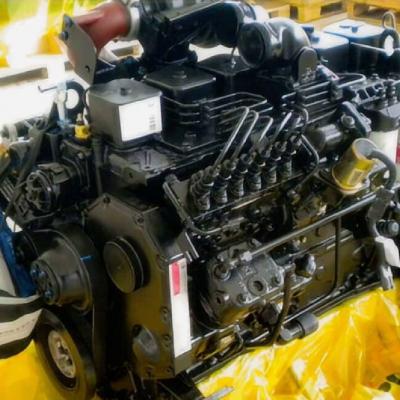
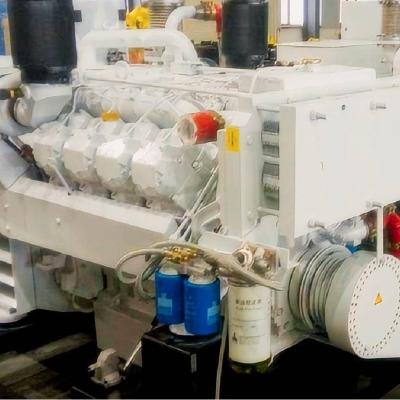
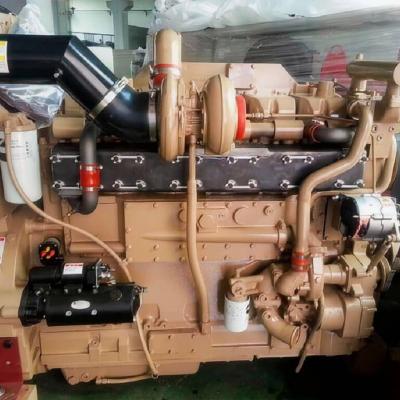
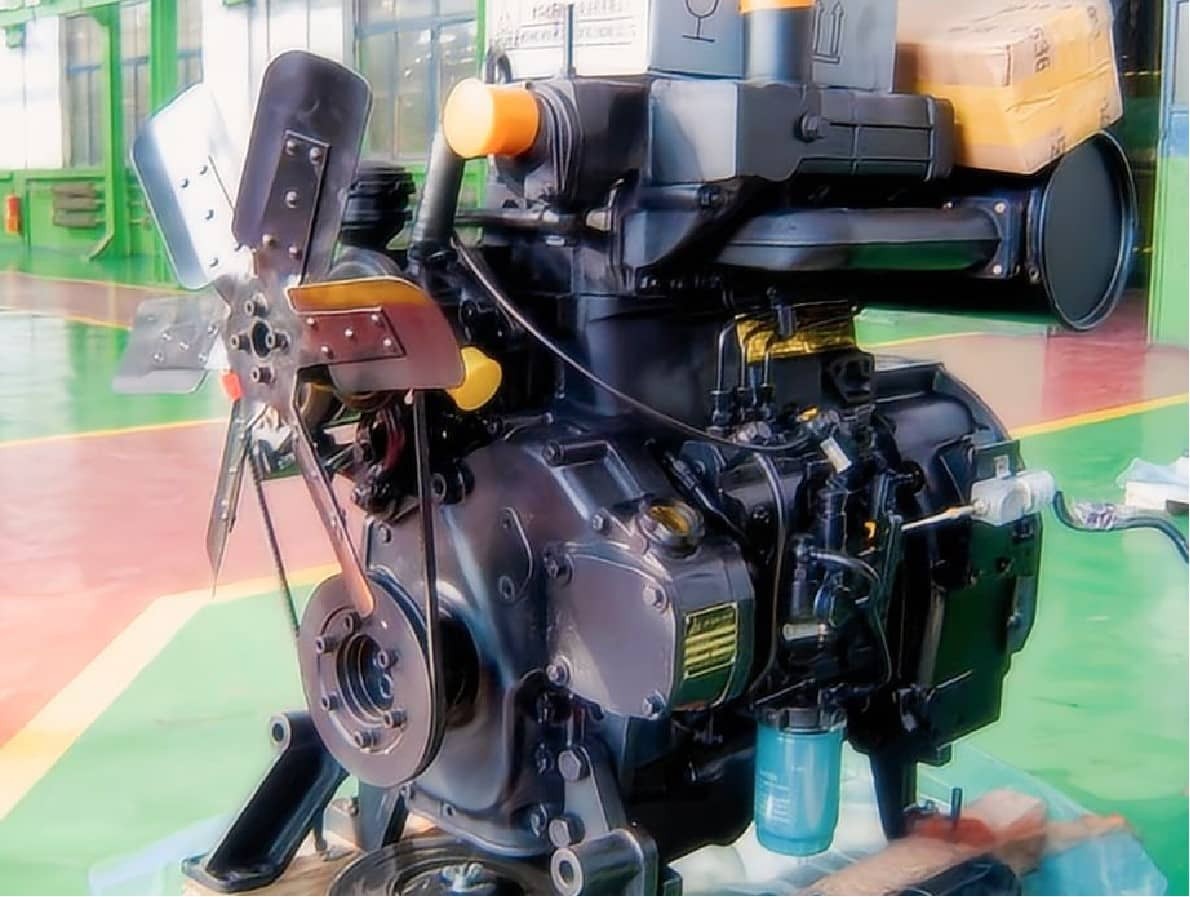
The Deutz TBD226B-3II stands as a benchmark in compact, high-efficiency power generation for light commercial transport. Developed on the robust architecture of the Deutz 226B platform and manufactured to rigorous industrial standards, this three-cylinder inline configuration achieves an optimal balance between weight, displacement, and mechanical output. Delivering a rated power of 70 kW (95 HP) at a governed speed of 2500 rpm, the TBD226B-3II provides the necessary grunt for commercial vehicles that operate under demanding stop-and-go urban and regional transport cycles.
As a specialized engine supplier, HekoPower provides complete TBD226B-3II engine assemblies designed for seamless chassis integration. The unit features a displacement volume of 3.12 liters, utilizing a bore and stroke dimension of 105 mm by 120 mm. This square-stroke design allows for efficient combustion chamber flame propagation, ensuring that fuel energy is translated directly into usable mechanical force rather than lost thermal dissipation.
Tech Specs of Deutz TBD226B-3II Vehicle Diesel Engine
General Engine Data
Engine Model: Deutz TBD226B-3II
Type: 3 Cylinders, in Line
Displacement: 3.12 L
Bore * Stroke: 105 * 120
Key Performance Data
Adversed Power/Speed: 70 kW/2500 rpm
Max. Torque/Speed: 350 N.m @ 1500 rpm
Idle Speed: 750 ± 50 rpm
Min. Fuel Consumption @ Full-load: 192 g/Kw.h
More Technical Data
Certification: Euro II
Aspiration: Turbocharged & Aftercooled
Ignition Sequence: 1-2-3
Flywheel Casing: SAE1, SAE3
Technical Comparisons: Evaluating the TBD226B-3II Within the 226B Series
Understanding the distinct operational advantages of the TBD226B-3II requires examining how it differs from its sibling configurations within the Deutz family. When compared against the non-intercooled TD226B-3II variant, the TBD226B-3II incorporates an advanced turbocharging and aftercooling system. This air-to-air cooling circuit drops the intake manifold temperature, increasing air density inside the cylinders and allowing the engine to sustain higher peak torque—reaching approximately 350 Nm at 1500 rpm—without inducing thermal fatigue or excessive exhaust gas temperatures.
When stacked against the larger four-cylinder TBD226B-4II variant, the three-cylinder 3II model offers a much shorter overall block length and reduced dry weight. For light-duty vehicle builders and fleet operators retrofitting older chassis, this footprint reduction solves severe engine compartment spatial constraints. While the 4II provides higher total horsepower for heavier medium-duty applications, the TBD226B-3II optimizes fuel burn in lighter payload classes where carrying dead engine weight erodes operational profitability.
Real Application Scenarios in Commercial Fleet Operations
In practical field deployments, the Deutz TBD226B-3II is engineered primarily for light-duty commercial trucks, urban transit minibuses, and utility support vehicles. Its low-end torque delivery at 1500 rpm allows commercial drivers to pull away smoothly from complete stops under heavy cargo loads without slipping the clutch prematurely.
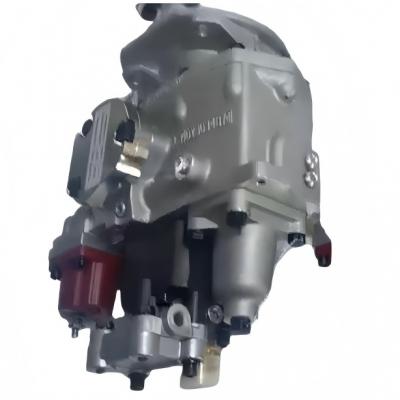
Furthermore, the mechanical fuel injection pump utilized on the TBD226B-3II offers distinct advantages in regions with variable fuel quality. Unlike hypersensitive common-rail electronic injection systems that suffer injector failure when exposed to micro-contaminants, the robust plunger-and-barrel mechanical design of this engine ensures consistent fuel metering, simpler field diagnostics, and lower overall maintenance overhead for fleet managers operating outside major metropolitan service centers.
Maintenance Guidelines and Technical Misconceptions
Proper upkeep of the TBD226B-3II ensures multi-year service life under harsh operating conditions. A frequent misconception among technicians is that three-cylinder inline engines inherently require complex external balancing shafts to manage primary vibration forces. In reality, the TBD226B-3II relies on precisely optimized internal reciprocating mass geometry and robust engine mounting dampening, meaning operators should never alter or remove factory flywheel damping elements during clutch replacements.
Maintenance protocols should focus heavily on the lubrication circuit and cooling system integrity. Because the turbocharger operates at high rotational speeds, operators must allow a brief idle period before shutting down the engine after high-load operations, preventing coking inside the center housing rotating assembly. Routine oil changes utilizing high-grade heavy-duty diesel engine oil matching API CI-4 specifications will protect the precision clearances of the gear train and camshaft bearings.
Complete Series Integration & Configuration Overview
When sourcing replacement power units or upgrading vehicle fleets, understanding the wider ecosystem of available configurations is critical for engineers and procurement teams. The engines for truck mainly include Deutz TBD226B-3II, Deutz TBD226B-4II, Deutz TBD226B-4IIA, Deutz TBD226B-4IIC, Deutz TBD226B-6IIA, Deutz TBD226B-6IIB, Deutz TBD226B-6IIC.
The engines for coach mainly include TBD226B-4IIA, TBD226B-6IIC, TBD226B-6IID.
The engines for bus mainly include TBD226B-4IIA, TBD226B-6IIC, TBD226B-6IID.
Frequently Asked Questions
What is the recommended operating oil pressure range for the Deutz TBD226B-3II?
Under normal operating temperatures (85°C to 95°C coolant temp) and rated engine speed, the oil pressure should reliably maintain between 0.3 MPa and 0.5 MPa. At low idle, oil pressure should not drop below 0.15 MPa.
Can the TBD226B-3II be retrofitted into a chassis previously fitted with older naturally aspirated Deutz engines?
Yes, due to its standardized bell housing and mounting foot configurations shared across the 226B family, the TBD226B-3II serves as an effective power upgrade, provided the cooling radiator is upgraded to handle the higher thermal rejection of the turbocharged and aftercooled system.
What is the factory-set injection timing for this three-cylinder variant?
The static injection timing is calibrated to a specific degree before top dead center (BTDC), corresponding to the precise fuel pump calibration data plate affixed to the gear chamber housing. Professional alignment using a spill-timing method or dial gauge is recommended during pump replacement.