Details
Engineering Distinction of the Deutz TBD226B-6IIA Vehicle Powertrain
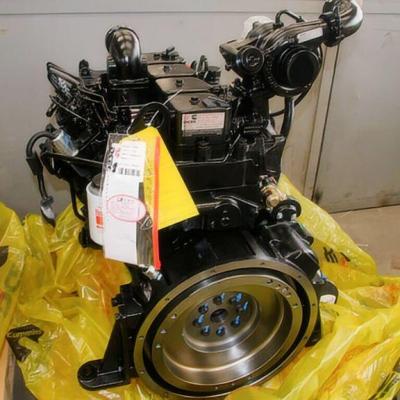
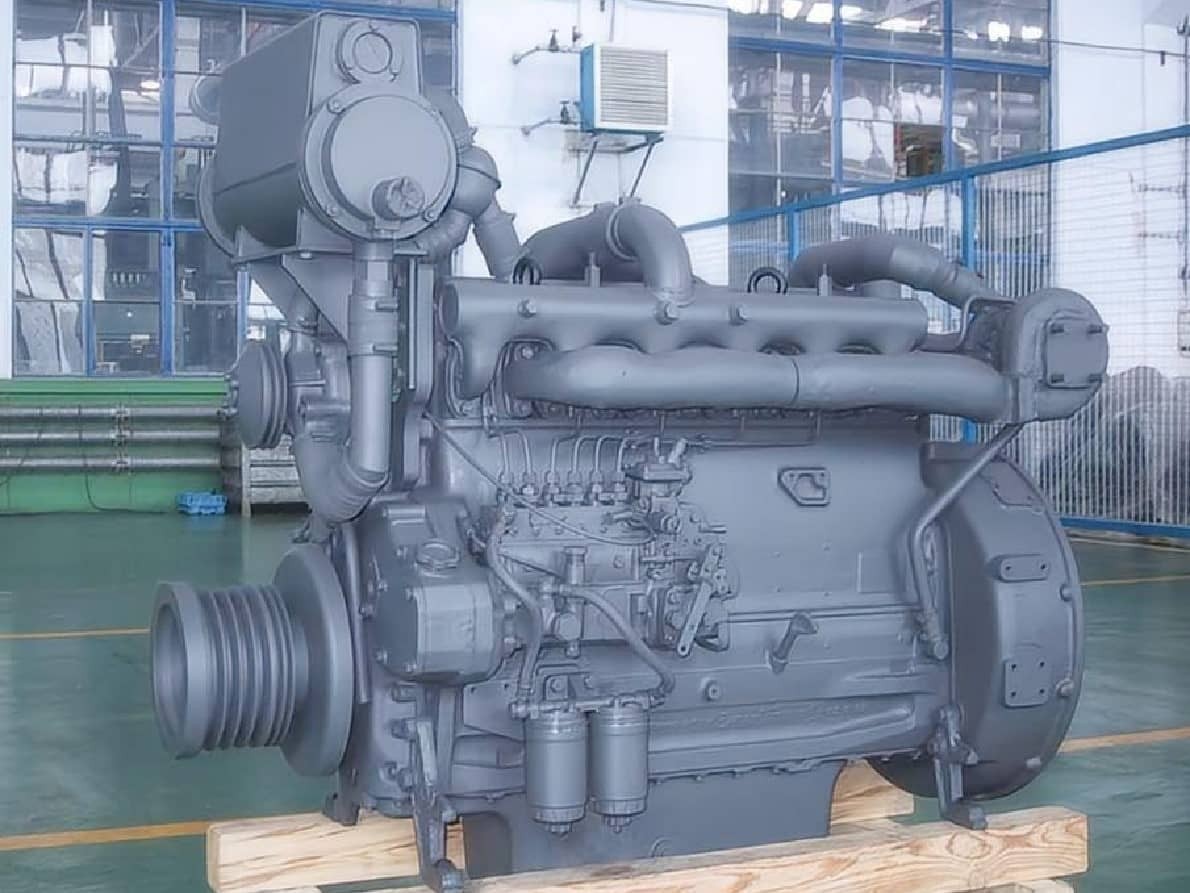
The Deutz TBD226B-6IIA is engineered specifically to meet the rigorous transient response and torque demands of commercial vehicles, distinguishing it fundamentally from stationary generator or marine variants within the same 226B family. While static generator engines prioritize steady-state governing at fixed speeds, the TBD226B-6IIA is calibrated for variable load profiles, frequent gear shifts, and rapid acceleration curves required in heavy-duty trucks and intercity passenger buses.
Operating with a 6.23-liter displacement across a six-cylinder inline architecture, this model utilizes a 105 mm bore and a 120 mm stroke. The combustion chamber geometry and fuel injection timing are optimized to deliver a rated output of 132 kW (179 HP) at a governed speed of 2300 rpm, generating a robust peak torque of 730 Nm. This high torque-to-displacement ratio ensures that commercial vehicles maintain momentum on steep inclines and during heavy payload operations without excessive thermal stress.
Tech Specs of Deutz TBD226B-6IIA
General Engine Data
Engine Model: Deutz TBD226B-6IIA
Type: 6 Cylinders, in Line
Displacement: 6.23 L
Bore * Stroke: 105 * 120
Key Performance Data
Adversed Power/Speed: 132 kW/2300 rpm
Max. Torque/Speed: 730 N.m @ 1400-1600 rpm
Idle Speed: 750 ± 50 rpm
Min. Fuel Consumption @ Full-load: 198 g/Kw.h
More Technical Data
Certification: Euro II
Aspiration: Turbocharged & Aftercooled
Ignition Sequence: 1-5-3-6-2-4
Flywheel Casing: SAE1, SAE3
Technical Comparison: Vehicle vs. Industrial & Generator Tunings
A common misconception among fleet operators and equipment buyers is that any Deutz 226B engine block can be swapped universally across applications without modification. In practice, substituting an industrial or generator specification engine into a vehicle chassis leads to severe performance inefficiencies.
Unlike generator variants that operate at fixed frequencies (1500 or 1800 rpm), the TBD226B-6IIA vehicle engine features a specialized automotive fuel injection pump and mechanical or electronic governor tuning designed for broad RPM flexibility. Furthermore, the turbocharger matching and exhaust manifold configuration on the vehicle variant are tailored to fit within restricted truck and bus engine bays, whereas industrial variants often feature side-mounted or oversized cooling packages that obstruct vehicle chassis framing. The integration of optimized low-end torque curves means the vehicle engine pulls smoothly from idle speeds, avoiding the turbo-lag issues common in converted stationary power units.
Real-World Application Scenarios and Operational Context
HekoPower supplies complete TBD226B-6IIA engine assemblies built for demanding operating environments. This power unit is predominantly deployed in medium-to-heavy commercial transport trucks, municipal transit buses, and long-distance passenger coaches operating across variable regional road networks.
In urban transit applications, the engine experiences continuous stop-and-go cycles. The robust cast-iron crankcase, wet cylinder liners, and advanced oil cooling gallery design maintain optimal thermal stability, preventing cylinder distortion during prolonged idling and sudden acceleration bursts. For regional cargo trucks, the turbocharged and aftercooled architecture ensures consistent volumetric efficiency even when operating at elevated ambient temperatures or across high-altitude freight routes.
Essential Maintenance, Overhaul, and Replacement Guidance
Maximizing the operational lifespan of the Deutz TBD226B-6IIA requires strict adherence to scheduled maintenance protocols and precise component matching during overhauls.
When conducting routine servicing, technicians must verify valve clearance adjustments every 10,000 to 15,000 kilometers under heavy vehicle operating conditions. Because vehicle engines endure high vibration frequencies transmitted through the transmission housing, checking the flywheel housing alignment and torsional vibration damper integrity is critical to preventing premature crankshaft fatigue.
During complete engine assembly replacements or overhauls, ensure that replacement parts—such as pistons, piston rings, cylinder liners, and fuel injector nozzles—match the specific CPL and serial number identification stamped on the engine nameplate. Using non-compliant generator-spec piston crowns can alter the compression ratio, leading to incomplete combustion, heavy smoke emissions, and accelerated thermal wear on the valve train.
Exploring the Deutz 226B Vehicle Engine Series
To help fleet managers and procurement teams navigate compatible configurations within our inventory, HekoPower provides structured access to the complete family of powertrain options. The engines for truck mainly include Deutz TBD226B-3II, Deutz TBD226B-4II, Deutz TBD226B-4IIA, Deutz TBD226B-4IIC, Deutz TBD226B-6IIA, Deutz TBD226B-6IIB, Deutz TBD226B-6IIC.
The engines for coach mainly include TBD226B-4IIA, TBD226B-6IIC, TBD226B-6IID.
The engines for bus mainly include TBD226B-4IIA, TBD226B-6IIC, TBD226B-6IID.
Frequently Asked Questions (FAQs)
What is the expected Deutz TBD226B-6IIA Euro II fuel consumption?
Fuel consumption is highly dependent on the vehicle load, gearing, and driver behaviour. However, the Deutz TBD226B-6IIA fuel consumption is engineered to be highly competitive for its weight class, largely due to the efficiency of the mechanical injection system paired with the turbocharger. Under standard highway loads, the engine maintains an efficient burn rate that helps fleet managers control their operational fuel budgets.
What is the significance of the 730 Nm torque rating for truck applications?
The 730 Nm peak torque delivered by this six-cylinder engine provides the necessary rotational force to move heavy commercial vehicle payloads from a standstill and maintain cruising speeds on highway gradients without requiring constant downshifting.
Can the TBD226B-6IIA be used as a direct replacement for older naturally aspirated Deutz engines?
While physical block dimensions share similarities within the 226B family, upgrading to the turbocharged and intercooled TBD226B-6IIA requires verifying auxiliary space for intercooler ducting, exhaust routing, and vehicle electrical compatibility before installation.