Details
Engineering Architecture and Core Performance Dynamics of the Cummins C300-33
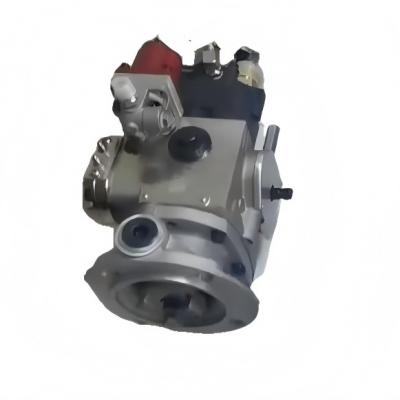
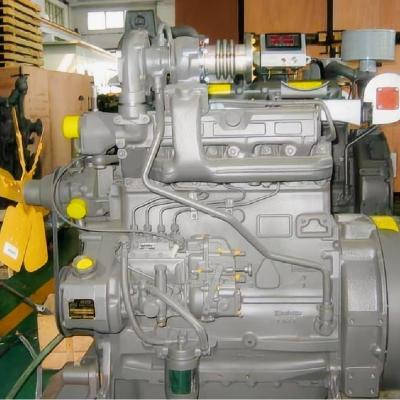
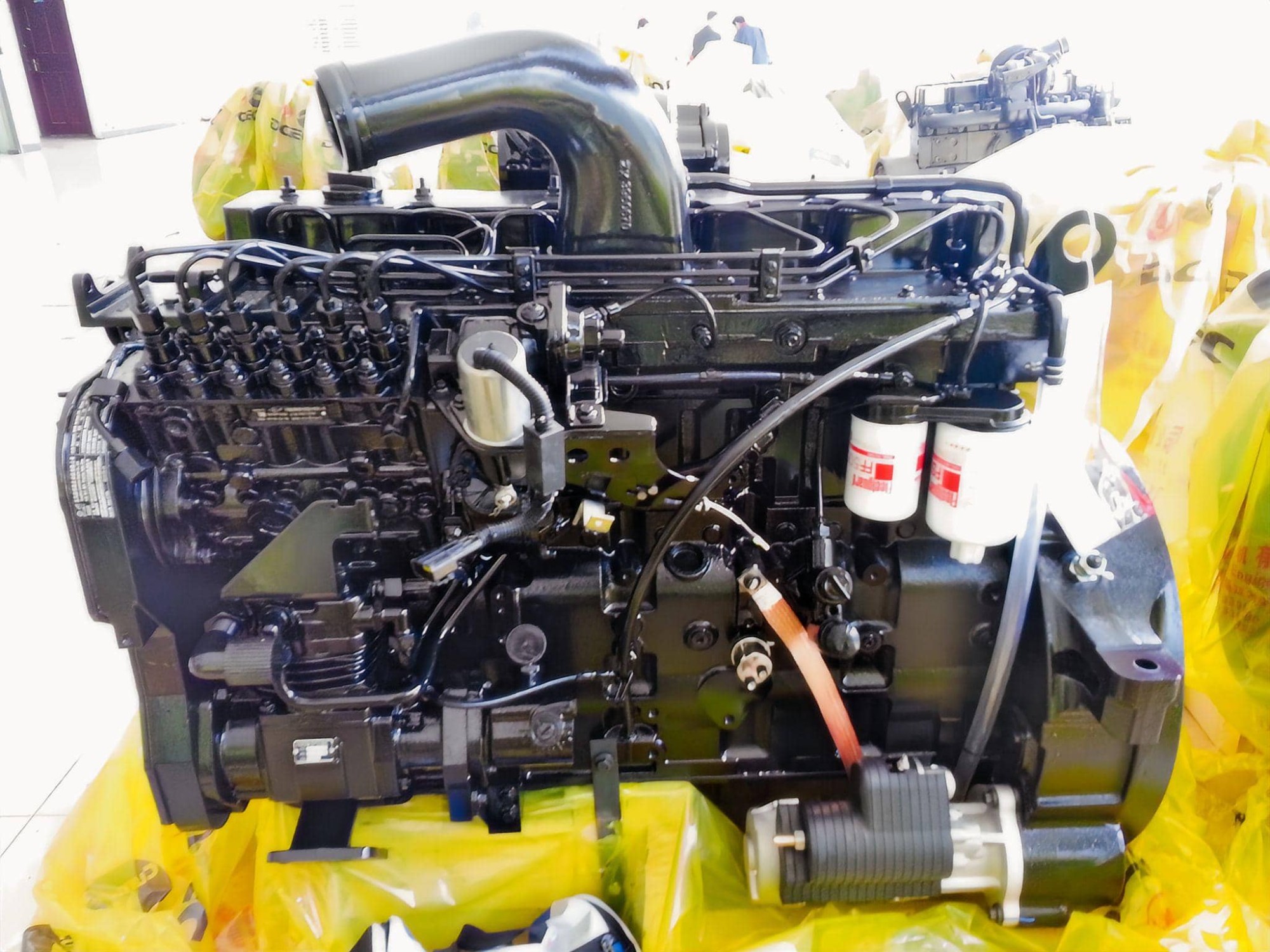
The Dongfeng Cummins C300-33 represents a benchmark in heavy-duty mechanical diesel engineering. Operating at 221kW (300 horsepower) at a governed speed of 2,200 RPM, this 8.3-liter, six-cylinder inline power plant is purpose-built for demanding commercial vehicle environments. Unlike electronic engines that rely heavily on complex sensor networks, the C300-33 utilizes a robust mechanical fuel system centered around the legendary Bosch P7100 injection pump. This mechanical architecture delivers exceptional reliability in remote regions where fuel quality varies and electronic diagnostic tools are unavailable.
The engine's structural integrity is anchored by a rigid cylinder block design featuring a 114mm bore and a 135mm stroke. This geometry optimizes the air-fuel mixing process, ensuring consistent torque delivery across a wide operating range. Turbocharged and air-to-air intercooled, the C300-33 maintains dense air charges into the combustion chambers, directly translating to high thermal efficiency and reduced thermal fatigue under continuous heavy loads. As an established global engine supplier, HekoPower provides fully verified assembly options and genuine replacement parts tailored specifically for this heavy-duty platform.
Tech Specs of Cummins C300-33
General Engine Data
Engine Model: Cummins C300-33
Type: 6 Cylinders in Line
Displacement: 8.3 L
Bore * Stroke: 114 * 135
Net Weight (with flywheel & alternator): 636 Kg
Overall Dimension: 1180mm*920mm*1280
Key Performance Data
Rated Power: 221 kW/300 HP
Rated Speed: 2200 rpm
Max Torque/Speed: 1125 N.m @ 1200 rpm
Fuel Consumption @ Rated Power: 229 g/Kw.h
Max. No-load Governed Speed: 2500 rpm
Idle-Speed: 750±100 rpm
Max Continuous Running Altitude: 2000 m
More Technical Data
Certification: Euro II
Aspiration: Turbocharged & Air-Air Intercooled
Fuel System: BOSCH P7100 Pump
Compression Radio: 17.5:1
Electrical System (Starter Motor/Alternator): 12V (500A)/24V (250A)
Lowest Starting Temp Without auxiliary system: -10℃/-25℃
Cooling Method: Water cooled
Engine Cooling Fluid Volume: 12.3 L
Technical Comparisons: C300-33 Versus Neighboring C-Series Variants
When selecting or replacing a power plant for commercial fleets, understanding the operational boundaries between closely related models is essential. The Cummins C300-33 is frequently compared to the C300-20 and the C280-33, yet each serves distinct regulatory and operational demands.
The primary divergence between the C300-33 and the older C300-20 lies in emissions calibration and fuel injection timing. While both produce 300 horsepower, the C300-33 is engineered to meet stricter Euro III threshold standards through refined injector nozzle geometry and optimized turbocharger match curves. This results in cleaner particulate combustion without sacrificing the low-end torque responsiveness that heavy truck operators depend on.
Compared to the C280-33, which shares the identical 8.3-liter displacement and physical block dimensions, the C300-33 is calibrated to deliver an additional 20 horsepower and a higher peak torque threshold. Achieving this output requires upgraded internal valve train components and calibrated fuel delivery rates through the Bosch injection pump. Fleet operators swapping a lower-rated C-series engine for the C300-33 must verify that cooling capacity and transmission gear ratios match the elevated thermal and torque output of the 300HP configuration.
Real-World Application Scenarios and Fleet Integration
The versatility of the DCEC C300-33 commercial vehicle diesel engine stems from its high torque backup and robust mechanical durability. In long-haul heavy trucks operating across mountainous terrain, the engine maintains steady cruising speeds under gross vehicle weight ratings (GVWR) exceeding standard medium-duty thresholds. Its ability to sustain high torque outputs at lower RPM ranges reduces the frequency of shifting required by drivers, lowering clutch wear and improving fuel economy on rolling highways.
Beyond conventional freight haulage, the C300-33 is widely utilized in heavy-duty intercity and tourist bus applications. In coach operations, passenger comfort demands smooth power delivery and minimal low-frequency vibration. The balanced six-cylinder inline configuration of the 8.3L platform naturally minimizes primary and secondary engine vibrations, while its high-capacity coolant flow design prevents heat soak during prolonged idling in congested urban traffic. HekoPower supports these demanding operational environments by supplying complete engine assemblies, short blocks, and matched peripheral accessories ready for immediate installation.
Maintenance Guidelines, Common Misconceptions, and Overhaul Tips
Maximizing the operational lifespan of the Cummins C300-33 requires strict adherence to preventive maintenance schedules, particularly concerning the mechanical fuel injection and lubrication systems.
A common misconception among fleet mechanics is that mechanical injection pumps like the Bosch P7100 require minimal attention between major overhauls. In reality, contaminated diesel fuel containing microscopic water droplets or particulate matter can rapidly pit the precision plunger barrels inside the pump, leading to uneven idle, power loss, and black smoke emissions. Operators should inspect and drain primary fuel water separators daily and replace secondary fuel filters at recommended intervals.
Another frequent error during overhauls involves improper valve lash adjustment and turbocharger maintenance. Because the C300-33 operates under high boost pressures, the intake and exhaust valve clearances must be checked and adjusted every 24,000 kilometers. Neglecting valve lash leads to accelerated wear on rocker arm bridges and valve guides. Additionally, technicians must ensure that the oil feed lines to the turbocharger are thoroughly cleaned and primed prior to initial startup following any major service to prevent bearing scoring.
Cummins C Series Series Organization
DCEC C Series, original products from Dongfeng Cummins Engine Plant (DCEC), Cummins Joint Venture Plant since 1986, 50% shareholding by Cummins USA. This series mainly includes C220-20, C230-20, C230-33, C240-20, C245-20, C245-33, C260-20, C260-33, C280-20, C280-33, C300-20, C300-33, C325-20.
Frequently Asked Questions
What transmission types are most compatible with the Cummins C300-33 engine?
The C300-33 is commonly paired with heavy-duty manual transmissions ranging from 8-speed to 12-speed mechanical gearboxes, as well as specific heavy commercial automatic transmissions equipped with standard SAE flywheel housings that match the engine's torque output profile.
Can the Cummins C300-33 be used as a direct replacement for older mechanical C-series engines?
Yes, in most vocational truck and commercial vehicle chassis, the C300-33 serves as a direct drop-in replacement for earlier mechanical C-series variants, provided cooling capacity and exhaust routing configurations are properly verified prior to installation.