Details
Engineering Heritage and Unique Architecture of the DCEC C280-20
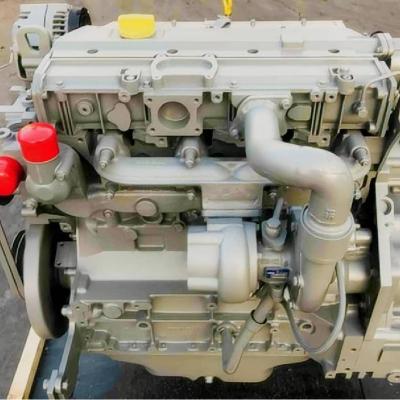
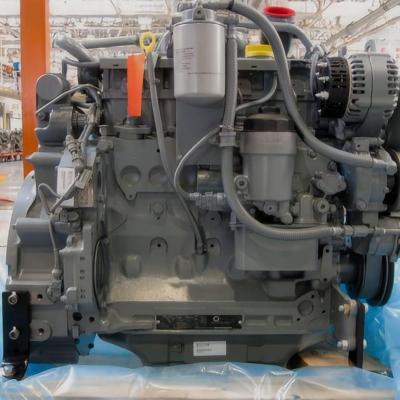
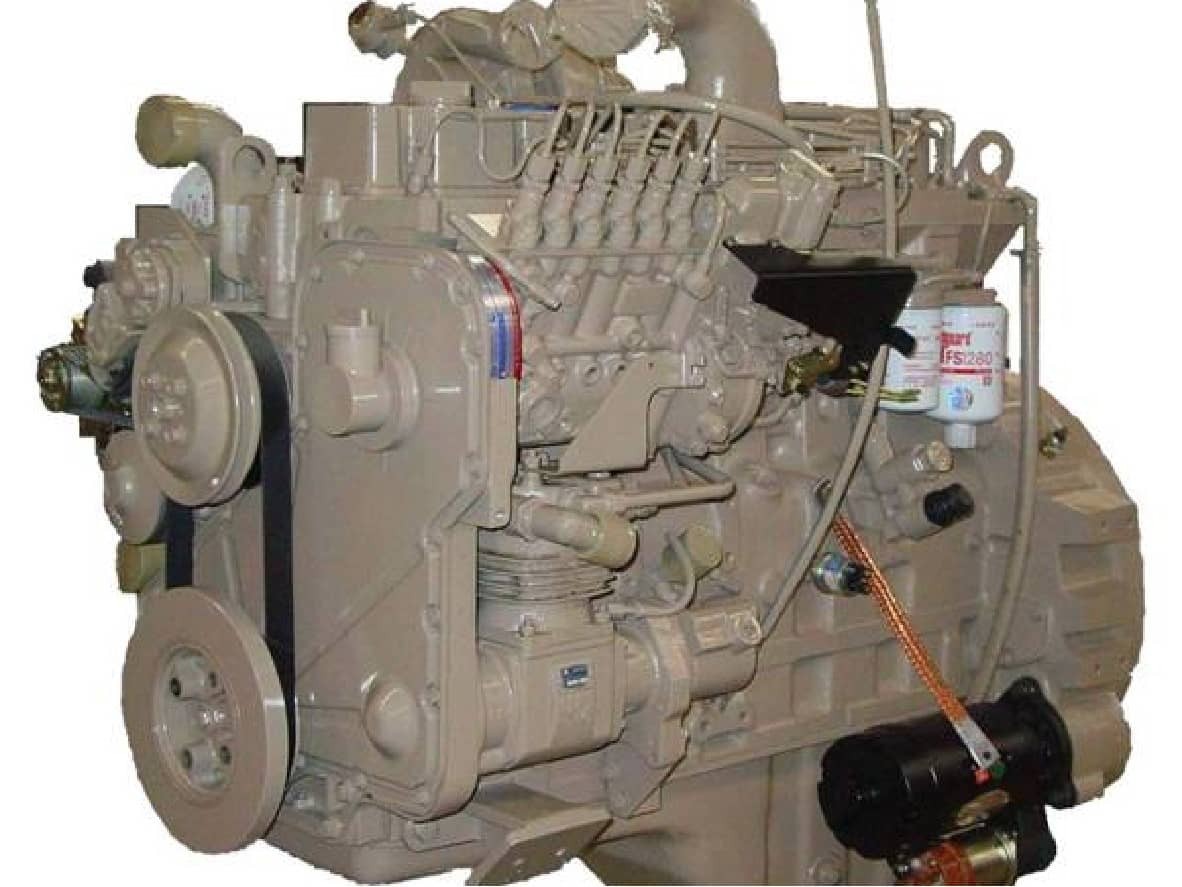
The Cummins C280-20 stands as a benchmark in heavy-duty commercial propulsion, forged within the Dongfeng Cummins (DCEC) manufacturing facility to handle grueling operational demands across transport and vocational sectors. Operating at an inline six-cylinder configuration with an 8.3-liter displacement, this mechanical power plant achieves a harmonious balance between thermal efficiency and structural durability. Unlike lighter-duty four-cylinder alternatives or over-stroked variants, the C280-20 utilizes a robust cast-iron block featuring replaceable wet cylinder liners, which significantly extends the engine's operational lifecycle through multiple overhaul cycles.
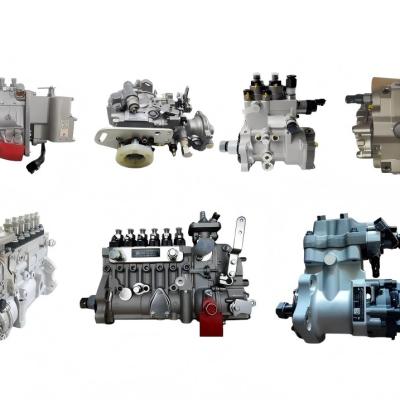
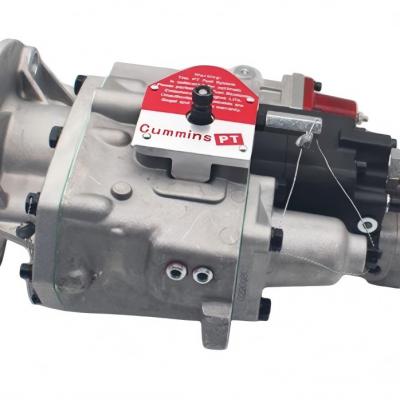
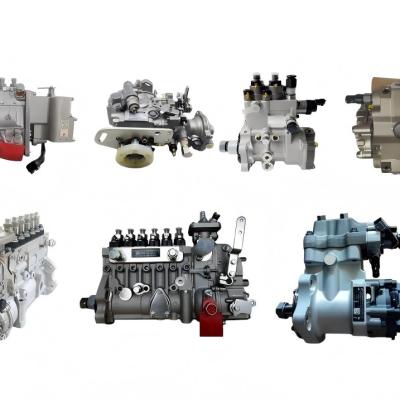
At the heart of its combustion efficiency is the precision-matched Weifu PW2000 inline fuel injection pump paired with an RQV-K mechanical governor. This fuel system architecture delivers exact fuel metering under high injection pressures, ensuring clean combustion and steady torque delivery across varying load conditions. The integration of a turbocharger combined with a front-mounted air-to-air intercooler ensures that dense, oxygen-rich air enters the combustion chambers, lowering thermal loads on piston crowns and reducing nitrogen oxide emissions to meet Euro II standards without the complexity of fragile electronic emission controls. Fleet operators and equipment rebuilders favor this specific rating because its purely mechanical architecture simplifies field diagnostics while delivering exceptional reliability in remote operating environments where electronic diagnostic tools are unavailable.
Tech Specs of Cummins C280-20
General Engine Data
Engine Model: Cummins C280-20
Type: 6 Cylinders in Line
Displacement: 8.3 L
Bore * Stroke: 114 * 135
Net Weight (with flywheel & alternator): 636 Kg
Overall Dimension: 1180mm*920mm*1280
Key Performance Data
Rated Power: 206 kW/280 HP
Rated Speed: 2200 rpm
Max Torque/Speed: 1125 N.m @ 1400 rpm
Fuel Consumption @ Rated Power: 231 g/Kw.h
Max. No-load Governed Speed: 2500 rpm
Idle-Speed: 750±100 rpm
Max Continuous Running Altitude: 3000 m
More Technical Data
Certification: Euro II
Aspiration: Turbocharged & Air-Air Intercooled
Fuel System: Weifu PW2000 Pump/RVQ-K Governor
Compression Radio: 17.5:1
Electrical System (Starter Motor/Alternator): 12V (500A)/24V (250A)
Lowest Starting Temp Without auxiliary system: -10℃/-25℃
Cooling Method: Water cooled
Engine Cooling Fluid Volume: 12.3 L
Narrative Technical Comparison: C280-20 Versus C260-20 and C300-20
When selecting a replacement power plant within the Cummins 8.3L C-series family, understanding the nuance between adjacent power ratings is vital for driveline longevity. While the foundational block, bore and stroke dimensions of 114 millimeters by 135 millimeters, and total displacement remain identical across the C260-20, C280-20, and C300-20, their internal calibration and thermal management strategies differ substantially.
Compared to the lower-output C260-20, the C280-20 is calibrated to sustain a higher continuous mean effective pressure, yielding an extra 20 horsepower and lifting peak torque delivery to 1125 N.m at 1400 RPM. This makes the C280-20 noticeably more responsive when hauling heavy payloads up sustained inclines, reducing the frequency of downshifting in commercial tippers and regional haul trucks. Conversely, when contrasted with the aggressive fueling profile of the C300-20, the C280-20 operates with a slightly more conservative thermal footprint. While the C300-20 extracts maximum output for high-speed highway applications, the C280-20 prioritizes lower exhaust gas temperatures under heavy load, translating into reduced turbocharger wear and prolonged valve train durability for vocational fleets operating in stop-and-go construction cycles.
Real-World Application Scenarios in Heavy-Duty Commercial Fleets
The versatility of the Dongfeng Cummins 280HP engine is best observed in its primary deployment across medium-to-heavy commercial vehicles, vocational trucks, and specialized transport equipment. In multi-axle dump trucks and regional tippers operating on unpaved construction sites, the C280-20 provides exceptional low-end torque characteristics. Because peak torque is achieved efficiently at 1400 RPM, drivers can maintain momentum in soft soil or steep quarry exits without over-revving the transmission or slipping the clutch prematurely.
Beyond construction and tipper applications, the C280-20 is widely integrated into long-wheelbase cargo trucks and specialized municipal vehicles such as heavy water tankers and crane carriers. In these operational scenarios, the engine's ability to drive power take-off (PTO) units directly from the front gear train or transmission auxiliary pads makes it an ideal platform for auxiliary hydraulic pumps. Fleet managers in regions with variable fuel qualities particularly value this engine because its mechanical injection tolerance handles sulfur variations better than high-pressure common-rail systems, minimizing injector fouling and unplanned roadside downtime.
Critical Maintenance, Overhaul, and Replacement Tips for the 8.3L Platform
Executing a successful engine replacement or mid-life overhaul on a Cummins C280-20 requires strict adherence to manufacturer clearance specifications and coolant chemistry maintenance. Because the engine utilizes wet cylinder liners, technicians must inspect the lower liner counterbores and replace the dual silicone sealing O-rings meticulously during any block teardown to prevent cavitation erosion and coolant leakage into the crankcase. Using a high-nitrite supplemental coolant additive is mandatory to protect the exterior surfaces of the iron liners from pitting caused by high-frequency vibration.
During turbocharger replacement or routine maintenance, always inspect the air-to-air intercooler plumbing for residual oil carryover from a failing turbine seal. Failing to thoroughly flush or pressure-test the charge air cooler after a turbo failure can lead to thermal runaway if accumulated engine oil is drawn into the intake manifold. Additionally, when reinstalling the Weifu PW2000 fuel pump, verify the static timing pin engagement against the accessory drive gear precisely; even a single-tooth error in pump timing can elevate exhaust gas temperatures, degrade fuel economy, and cause difficult cold-weather starting.
Common Misconceptions Regarding the C280-20 Mechanical Fuel System
A prevalent misconception among fleet operators transitioning from older mechanical engines is that the C280-20 fuel injection pump requires frequent manual recalibration to maintain power output. In practice, the Weifu PW2000 pump is an exceptionally stable mechanical unit designed to maintain its calibration throughout thousands of operating hours. Unnecessary bench-calibrating or tampering with internal governor spring tensions often leads to erratic idling and smoky acceleration.
Another frequent misunderstanding involves the engine's operating temperature thresholds. Because the C280-20 operates efficiently under high thermal loads, operators sometimes mistake normal working coolant temperatures of 85 to 95 degrees Celsius for overheating. As long as the cooling system pressure cap maintains system integrity and the thermostat opens at its rated temperature, operating within this window ensures optimal fuel vaporization and minimal cylinder wall wear.
Exploring Related Cummins C Series Power Solutions
Maintaining peak operational efficiency across an entire fleet often requires coordinating replacement components and engine assemblies across adjacent horsepower categories. Whether your fleet operates mixed vocational chassis or requires specialized sub-assemblies, HekoPower provides comprehensive supply support across the broader family. DCEC C Series, original products from Dongfeng Cummins Engine Plant (DCEC), Cummins Joint Venture Plant since 1986, 50% shareholding by Cummins USA. This series mainly includes C220-20, C230-20, C230-33, C240-20, C245-20, C245-33, C260-20, C260-33, C280-20, C280-33, C300-20, C300-33, C325-20.
Frequently Asked Questions (FAQ)
Can the C280-20 engine be retrofitted to replace an older mechanical Cummins 6CT8.3 model?
Yes, the C280-20 serves as a direct drop-in replacement for legacy 6CT8.3 automotive ratings. Engine mounting brackets, bellhousing bolt patterns, and primary accessory drives align directly, though minor adjustments to throttle linkage brackets and exhaust downpipe flanges may be necessary depending on the specific vehicle chassis.
What vehicles can use this as a replacement engine?
It is primarily used as a 280 HP Cummins engine for heavy trucks, large buses, and vocational vehicles. If you are replacing an older 8.3L Cummins engine for a truck, our technical team can help verify fitment based on your chassis and transmission.
What causes excessive black smoke under acceleration on a C280-20 engine?
Black smoke under heavy load typically indicates restricted airflow through a clogged air filter element, a leaking charge air cooler hose, or incorrect fuel injection timing. Inspect the intake tract pressure drop before adjusting fuel pump delivery rates.