Details
Engineering Distinction: Why the BF6M1015-M Stands Apart
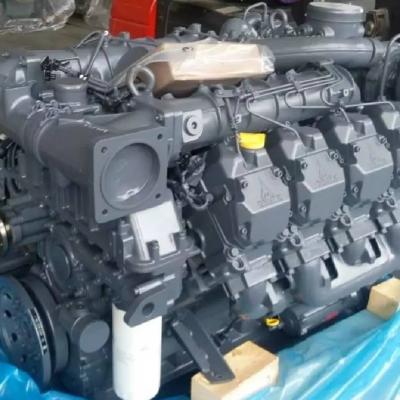
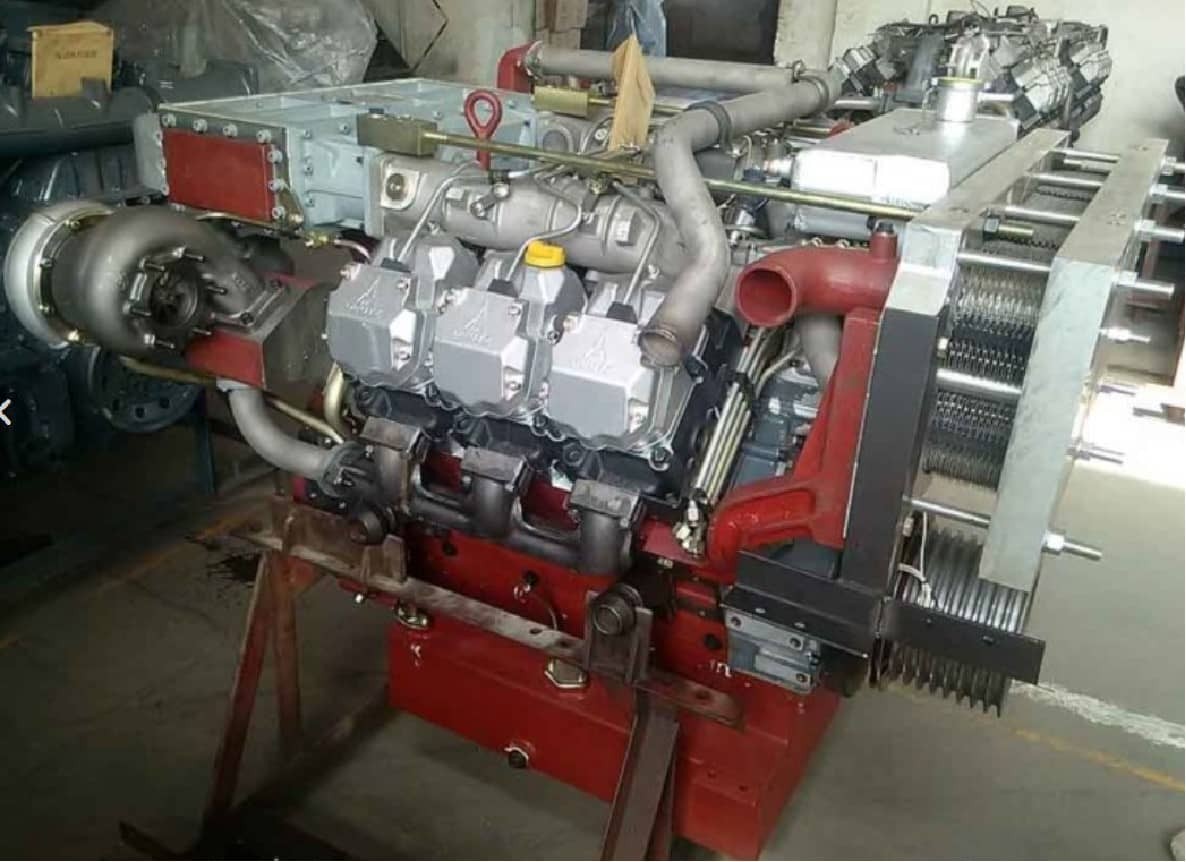
The Deutz BF6M1015-M occupies a critical niche in maritime auxiliary power, engineered specifically to satisfy continuous heavy-load profiles required by commercial watercraft. Unlike land-based industrial variants that experience variable duty cycles, marine auxiliary units operate under sustained load demands coupled with aggressive cooling constraints. HekoPower supplies original-spec BF6M1015-M units built with robust V-6 cylinder geometry, offering exceptional power-to-weight ratios for vessel engine rooms where space is at a premium.
Tech Specs of Deutz BF6M1015-M
General Engine Data
Engine Model: Deutz BF6M1015-M
Type: 6 Cylinders, V type, 4 stroke
Displacement: 11.906 L
Bore * Stroke: 132 * 145
Net Weight (with flywheel and alternator): 1100 Kg
Overall Dimension: 1484mm*1050mm*1468mm
Key Performance Data
Rated Power: 203 kW
Rated Speed: 1800 rpm
Low Idle Speed: 550 rpm
Max. Torque/Speed: 1300 N.m @ 1500 rpm
More Technical Data
Certification: CCS/IMO Certificates
Aspiration: Turbocharged
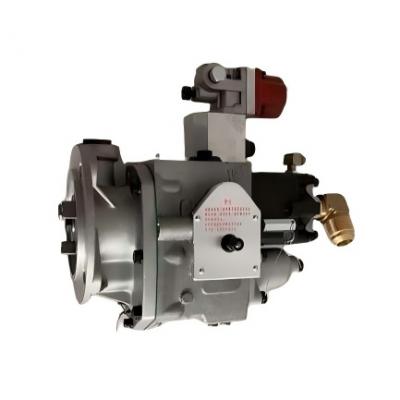
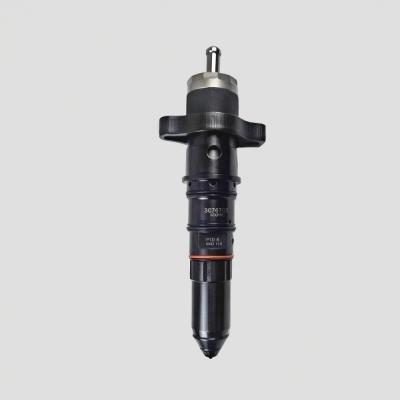
Fuel System: EUP
Compression Ratio: 16.5:1
Starting Method: Electrical Start (24V), Air Start
Cooling Method: Water Cooled
Governor Type: Electronic/Mechanical
Lubricant Capacity: Around 36 L
Running Type: Continuous
Technical Comparisons and Thermodynamic Differences
Evaluating the BF6M1015-M against smaller inline configurations or older legacy powerplants reveals distinct thermodynamic advantages. When contrasted with inline six-cylinder engines of similar displacement, the V-6 architecture of the BF6M1015-M delivers a significantly shorter overall engine block length, reducing torsional crankshaft vibrations and easing installation constraints in tight hulls.
Unlike older mechanical injection systems found in generic industrial engines, the BF6M1015-M utilizes high-pressure Electronic Unit Pump (EUP) fuel injection technology. This enables precise metering and higher injection pressures, resulting in cleaner combustion, lower particulate emissions under fluctuating auxiliary loads, and improved specific fuel consumption (SFC). Furthermore, thermal management in the 1015 series separates jacket water cooling circuits from charge-air cooling, preventing the localized hot spots common in high-output marine applications without sacrificing turbocharger efficiency.
Real Application Scenarios and Vessel Integration
Commercial Fishing Boats and Trawlers
In coastal and deep-sea fishing fleets, auxiliary generator sets powered by the BF6M1015-M drive heavy onboard hydraulic winches, refrigeration compressors, and electronics arrays. The 203kW output at 1800 RPM provides the necessary headroom to handle sudden electrical and mechanical surge loads when hauling nets or running bulk freezing holds without dropping frequency or voltage stability.
Coastal Cargo Ships and Harbour Tugboats
Harbour tugboats and coastal freighters demand instant response from onboard power units for steering gear, bow thrusters, and deck machinery. The high torque output characteristic of the 11.906-liter V6 displacement ensures that auxiliary systems remain fully energized even during low-speed maneuvering and high-thrust bollard pulls.
Onboard Auxiliary Power Systems (Gensets)
For large workboats and dredgers requiring dedicated ship-service generator drives, the BF6M1015-M offers continuous prime power stability. Its sturdy cast-iron crankcase and wet-type cylinder liners simplify maintenance cycles during extended voyages far from port facilities.
Common Engineering Misconceptions About the BF6M1015-M
A frequent misunderstanding among marine operators is treating land-based Deutz industrial blocks interchangeably with marine auxiliary specifications. While the core block casting shares common lineage, marine variants require specialized corrosion-resistant heat exchangers, raw water pumps, marine gear housings, and customized exhaust manifolds designed for saltwater environments. Attempting to convert an industrial or vehicular 1015 engine into marine service without upgrading the cooling and exhaust architecture frequently leads to premature thermal fatigue and catastrophic component failure.
Maintenance, Overhaul, and Replacement Best Practices
Cooling System Installation: Raw Water vs. Keel Cooling
Proper heat dissipation dictates the longevity of the BF6M1015-M. When integrating the engine into a vessel, engineers must choose between raw water heat exchanger systems and external keel cooling configurations. Keel cooling is often preferred in silt-heavy or shallow waters to prevent raw water pump impeller erosion and internal tube-bundle scaling. Regular inspection of zinc sacrificial anodes and seawater pump clearances is mandatory regardless of the cooling medium selected.
EUP Fuel System Diagnostics and Maintenance
The Electronic Unit Pumps governing the fuel delivery of the BF6M1015-M require pristine fuel filtration. Marine environments are notoriously prone to moisture accumulation and microbial growth in fuel tanks. Installing primary water separator filters with a 10-micron rating—followed by secondary filtration—protects the tight tolerances of the unit pumps and injector nozzles against scoring and premature wear.
Series
Deutz BFM1015-Marine Auxiliary Series, Marine Auxiliary Diesel Engines for commercial and recreational applications, original products from Huachai Deutz Engine Plant. This series mainly includes BF6M1015-M, BF6M1015-MC, BF8M1015-MC.
Frequently Asked Questions
What type of fuel injection system does this engine use?
It employs high-pressure Electronic Unit Pumps (EUP), which allow for independent high-pressure generation per cylinder, optimizing fuel atomization and reducing emissions.
What are the main differences between the BF6M1015-M and standard industrial 1015 engines?
Marine auxiliary variants like the BF6M1015-M feature marine-grade cooling loops (heat exchangers or keel cooling connections), specialized water-cooled exhaust manifolds, and corrosion-resistant auxiliary pump mountings engineered for high-humidity marine environments.