Details
Comprehensive Guide to the Cummins 6CT8.3 C220-20 Vehicle Engine
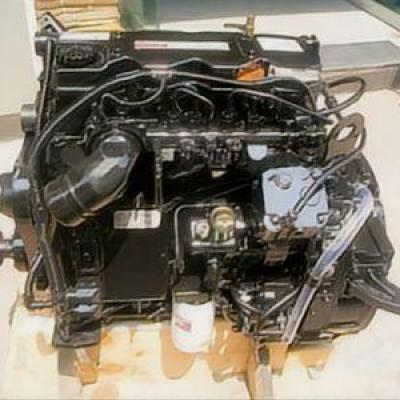
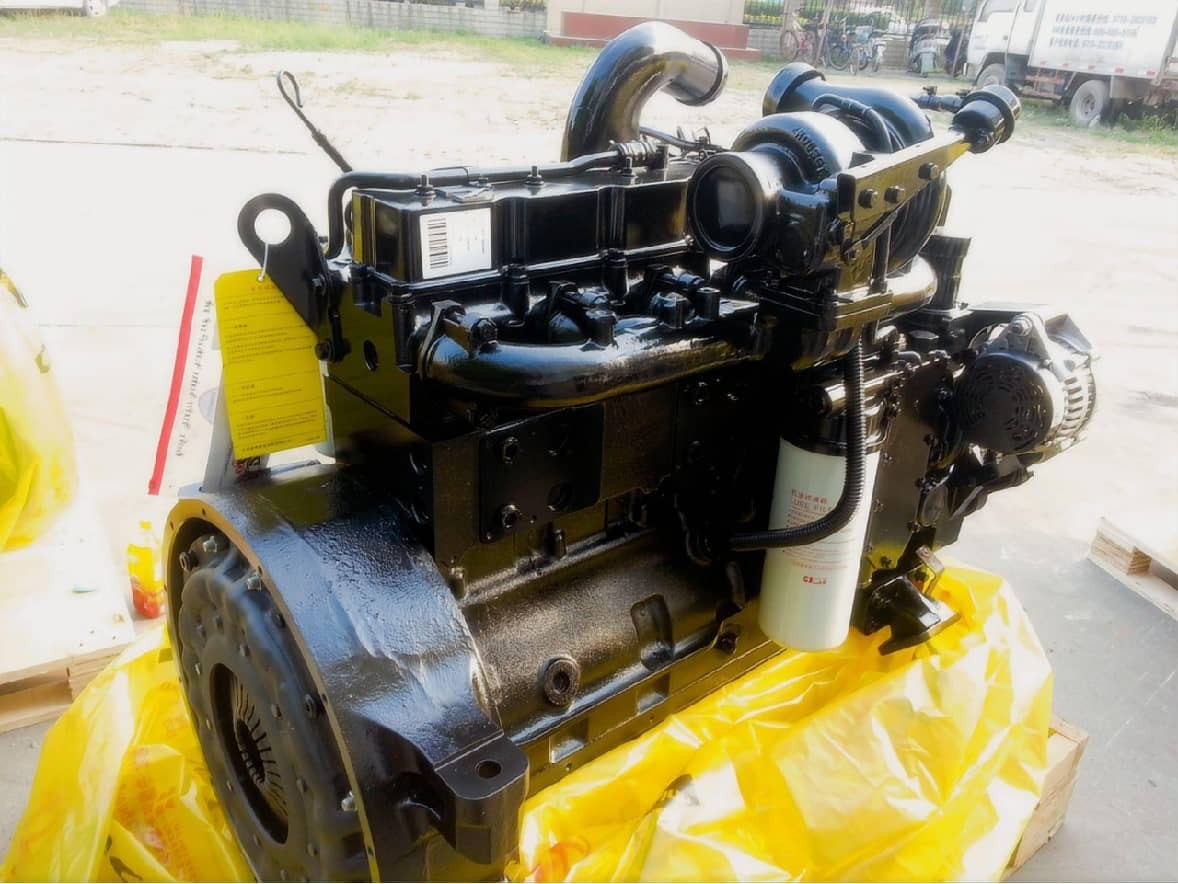
As a dedicated engine supplier, HekoPower understands that selecting the right powertrain for heavy commercial operations requires more than just looking at horsepower. The Cummins C220-20 diesel engine represents one of the most reliable mechanical power plants available for the commercial transport sector. Designed and manufactured by DCEC (Dongfeng Cummins), this 8.3L Cummins truck engine combines robust physical architecture with straightforward mechanical systems. It delivers an optimal balance of continuous torque and straightforward serviceability. Fleet operators searching for a genuine C220-20 replacement engine will find that this assembly offers exceptional durability under demanding payload conditions.
Tech Specs of Cummins C220-20
General Engine Data
Engine Model: Cummins C220-20
Type: 6 Cylinders in Line
Displacement: 8.3 L
Bore * Stroke: 114 * 135
Net Weight (with flywheel & alternator): 617 Kg
Overall Dimension: 1180mm*920mm*1280
Key Performance Data
Rated Power: 162 kW/220 HP
Rated Speed: 2400 rpm
Max Torque/Speed: 410 N.m @ 1500 rpm
Fuel Consumption @ Rated Power: 242 g/Kw.h
Max. No-load Governed Speed: 2720 rpm
Idle-Speed: 800 rpm
Max Continuous Running Altitude: 3000 m
More Technical Data
Certification: Euro II
Aspiration: Turbocharged & Intercooled
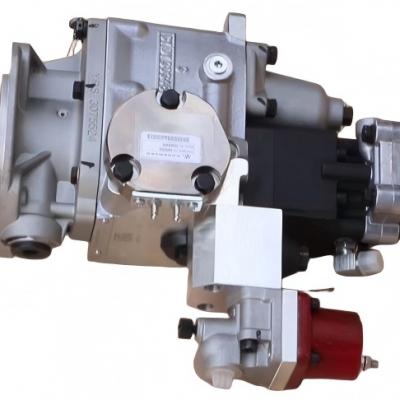
Fuel System: BYC PB Pump/R801 Governor
Compression Radio: 17.3:1
Electrical System (Starter Motor/Alternator): 12V (500A)/24V (250A)
Lowest Starting Temp Without auxiliary system: -10℃/-25℃
Cooling Method: Water cooled
Engine Cooling Fluid Volume: 12.3 L
Technical Comparison: Mechanical Reliability vs. Electronic Complexity
When fleet managers evaluate a Cummins Euro II vehicle engine replacement, they frequently compare traditional mechanical engines against newer, electronically controlled alternatives. Understanding the operational differences is critical for making an informed purchasing decision.
The Advantage of Mechanical Fuel Injection
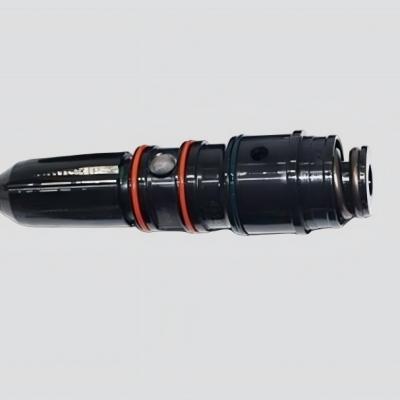
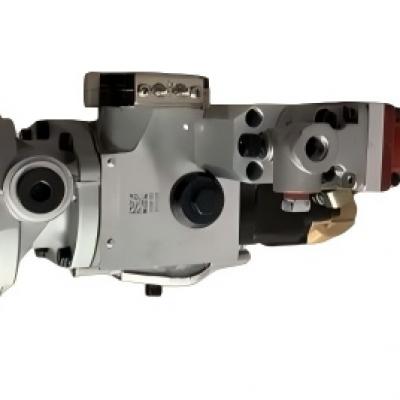
The most defining feature of the Cummins C220-20 fuel system is its reliance on purely mechanical fuel delivery. Unlike modern common-rail systems that utilize fragile electronic injectors and complex wiring harnesses, this engine utilizes a robust BYC PB fuel pump paired with an R801 governor. The C220-20 diesel injection pump operates via direct mechanical linkage, offering incredible tolerance to lower-quality diesel fuels often found in remote operational areas. If a truck encounters contaminated fuel, an electronic engine might trigger a catastrophic sensor failure and shut down. In contrast, the C220-20 mechanical fuel pump will typically continue to operate, allowing the driver to reach a service facility.
Simplified Diagnostics and Lower Lifetime Costs
Comparing the DCEC C220-20 to an electronic ISLe series engine reveals a stark contrast in maintenance requirements. Electronic engines require proprietary diagnostic software, laptop computers, and specialized technicians just to read a fault code. The Cummins C220-20 engine completely bypasses this requirement. A skilled mechanic can tune, adjust, and repair the engine using standard hand tools. For fleet operators, this translates to significantly reduced downtime. When you buy a Cummins C220-20 engine for sale, you are investing in a system that minimizes expensive diagnostic labor and avoids the high replacement costs associated with electronic control modules.
Real Application Scenarios for the DCEC C220-20
The versatility of the Cummins C220-20 automotive diesel engine makes it a prime candidate for a variety of heavy-duty applications. Its specific torque curve, peaking at 410 Nm, dictates its best use cases in the commercial transport industry.
Heavy Commercial Trucks and Vocational Vehicles
In the trucking sector, initial launch torque is critical. When a fully loaded dump truck or flatbed needs to accelerate from a dead stop, the engine must deliver power immediately without stalling. The 6CT8.3 220HP max torque profile is engineered specifically for these high-drag scenarios. The engine provides a steady surge of power at lower RPMs, reducing the need for excessive gear shifting. This makes it an ideal C220-20 engine replacement for truck fleets operating in construction logistics, regional freight forwarding, and municipal waste management.
Intercity Passenger Buses
Passenger transit demands a different operational profile. An ideal bus engine must operate quietly, smoothly, and reliably over thousands of highway miles. The Cummins C220-20 bus engine excels in this environment due to its inline-6 architecture, which naturally balances primary and secondary engine forces. This results in minimal cabin vibration, drastically improving passenger comfort. Furthermore, the straightforward C220-20 engine configuration fits easily into standard rear-engine bus chassis compartments, simplifying routine maintenance access for transit authority mechanics.
Routine Maintenance and Engine Replacement Strategies
Purchasing a C220-20 complete engine assembly is a major investment. To protect this asset, operators must implement rigorous preventative maintenance routines and understand the logistics of full engine replacement.
Fluid Management and Component Longevity
The lifespan of the Cummins C220-20 8.3L diesel engine is heavily dependent on clean oil and filtered air. Due to the tight tolerances within the BYC PB fuel pump, replacing fuel filters at exact factory intervals is non-negotiable. Furthermore, because the engine generates significant rotational mass, the oil viscosity must match the ambient operating temperature of your specific region. Fleet managers should also regularly inspect the turbocharger impeller blades for dust dusting, which indicates a failure in the air filtration system. Addressing these minor maintenance points ensures the engine consistently meets its factory Cummins C220-20 engine specifications over decades of use.
Strategic Replacement of the Engine Assembly
When a legacy vehicle experiences catastrophic block failure, rebuilding the engine piece by piece is often less economical than dropping in a brand new C220-20 engine assembly for sale. Sourcing a complete assembly from a reliable Cummins C220-20 engine supplier in China guarantees that all internal components are factory-calibrated. When performing a full swap, technicians should verify that the existing transmission bell housing, exhaust downpipe, and engine motor mounts align exactly with the new Cummins C220-20 engine dimensions. Upgrading peripheral components like the radiator and intercooler lines during the swap is highly recommended to protect the new powertrain.
Common Misconceptions About the 8.3L Cummins Engine
A prevalent misconception in the commercial transport industry is that all 8.3-liter Cummins engines are functionally identical. Many buyers assume that an industrial 8.3L power pack can be seamlessly dropped into a commercial truck. This is factually incorrect. The Cummins C220-20 vehicle power pack features specific governor settings, oil pan geometries, and fuel delivery curves calibrated exclusively for automotive road use. Attempting to use a stationary generator engine in a commercial truck will result in severe drivability issues and incorrect shift points. Always specify the exact genuine DCEC C220-20 engine part number when requesting a quotation to ensure automotive compatibility.
Another common myth is that mechanical Euro II engines are obsolete. In reality, for export markets lacking ultra-low sulfur diesel infrastructure, the mechanical Cummins C220-20 turbocharged diesel engine remains the most viable and legally compliant option available, offering unmatched reliability where advanced emissions equipment would rapidly fail.
Explore the Complete Engine Family
Understanding where the C220-20 sits within the broader DCEC product lineup can help operators make the best choice for their fleet. The 8.3L platform serves as the foundation for multiple power ratings and configurations designed for diverse operational needs.
DCEC C Series, original products from Dongfeng Cummins Engine Plant (DCEC), Cummins Joint Venture Plant since 1986, 50% shareholding by Cummins USA. This series mainly includes C220-20, C230-20, C230-33, C240-20, C245-20, C245-33, C260-20, C260-33, C280-20, C280-33, C300-20, C300-33, C325-20.
Frequently Asked Questions (FAQ)
What is the fuel consumption of the Cummins C220-20 engine?
Fuel consumption depends on load conditions, but the engine is designed for optimized efficiency at rated power.
Which vehicles use the C220-20 engine?
It is commonly used in Dongfeng trucks, buses, and commercial transport vehicles.
Is the C220-20 engine Euro III compliant?
No, it is designed to meet Euro II emission standards. For Euro III, alternative models are recommended.
How does the fuel consumption of this model impact fleet operating costs?
The Cummins C220-20 fuel consumption is rated at 242 g/kWh. Because it relies on a highly efficient mechanical direct injection system, it extracts maximum kinetic energy from every drop of diesel. For regional transport fleets, this specific consumption rate offers a highly predictable fuel expenditure model compared to older, naturally aspirated engines.
Why should I choose HekoPower as my engine supplier?
HekoPower is a specialized engine supplier providing genuine Cummins C220-20 replacement diesel engines. We focus entirely on commercial power solutions, ensuring that every engine we export includes complete factory documentation, exact specification matching, and robust logistical support from our facilities directly to your maintenance yard.