Details
Engineering Profile and Operational Characteristics of the Cummins C300-20 Diesel Engine
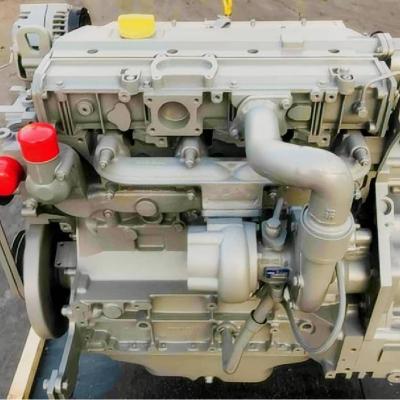
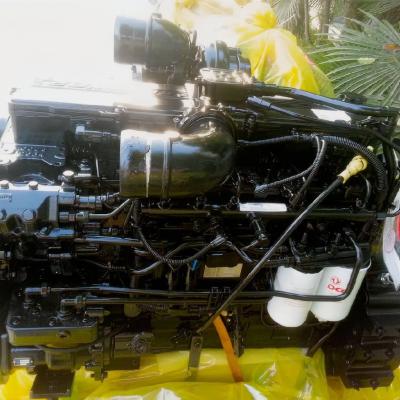
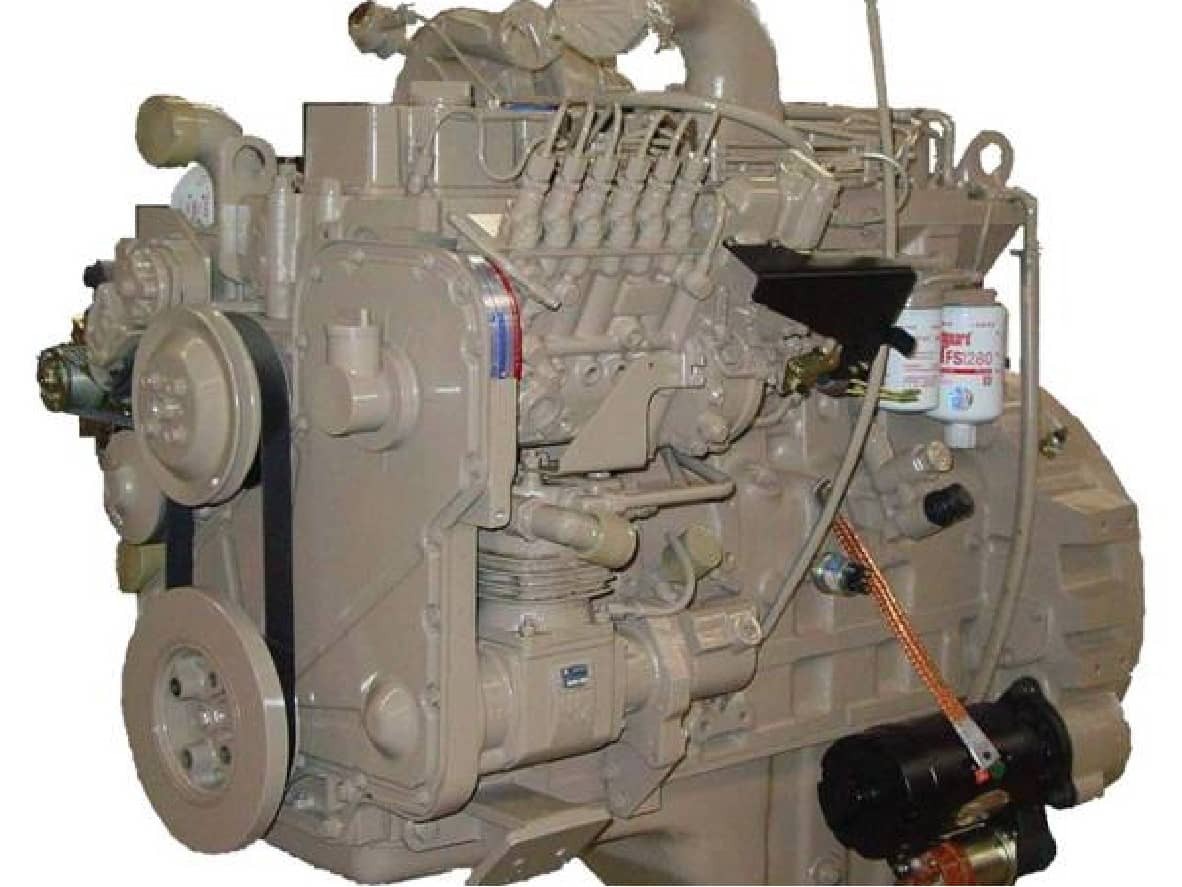
The Cummins C300-20 stands as a benchmark in heavy-duty mechanical diesel engineering, tailored specifically for rugged commercial applications where reliability and straightforward maintenance supersede complex electronic controls. As a core member of the DCEC 8.3-liter family, this engine delivers 300 horsepower at 2200 RPM, paired with a robust torque output of 1125 N.m available at a low 1200 RPM. This power band ensures exceptional pulling capability under heavy loads, making it a preferred power plant for heavy transport fleets, regional dump trucks, and vocational chassis operating across challenging terrain. HekoPower supplies fully tested, complete engine assemblies designed to drop directly into legacy commercial configurations with minimal modification.
Tech Specs of Cummins C300-20
General Engine Data
Engine Model: Cummins C300-20
Type: 6 Cylinders in Line
Displacement: 8.3 L
Bore * Stroke: 114 * 135
Net Weight (with flywheel & alternator): 636 Kg
Overall Dimension: 1180mm*920mm*1280
Key Performance Data
Rated Power: 221 kW/300 HP
Rated Speed: 2200 rpm
Max Torque/Speed: 1125 N.m @ 1200 rpm
Fuel Consumption @ Rated Power: 229 g/Kw.h
Max. No-load Governed Speed: 2500 rpm
Idle-Speed: 750±100 rpm
Max Continuous Running Altitude: 3000 m
More Technical Data
Certification: Euro II
Aspiration: Turbocharged & Air-Air Intercooled
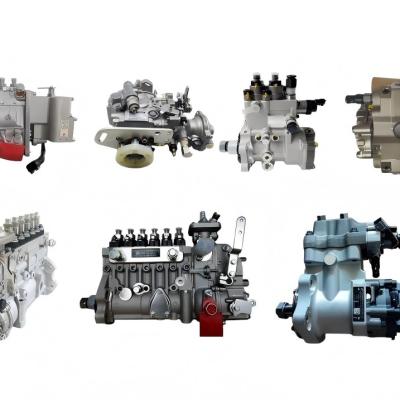
Fuel System: BOSCH P7100 Pump
Compression Radio: 17.5:1
Electrical System (Starter Motor/Alternator): 12V (500A)/24V (250A)
Lowest Starting Temp Without auxiliary system: -10℃/-25℃
Cooling Method: Water cooled
Engine Cooling Fluid Volume: 12.3 L
Technical Comparisons and Sub-Variant Architecture
When evaluating heavy mechanical diesels, operators frequently weigh the C300-20 against higher-tier or electronically governed siblings such as the C300-33. Unlike electronic variants that rely on complex engine control modules (ECMs) and high-pressure common rail injection, the C300-20 utilizes a purely mechanical fuel injection strategy. This mechanical design grants superior tolerance to fluctuating diesel fuel qualities found in remote operational zones.
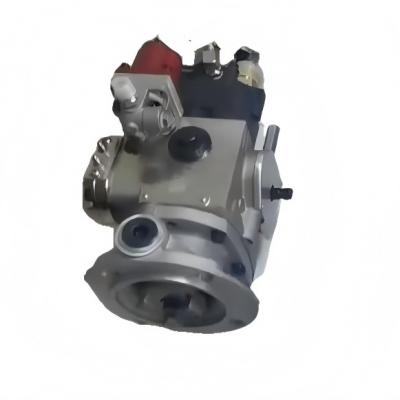
Within the C300-20 lineage, buyers must also account for specific factory sub-variants. The standard production configuration often bifurcates into the C300-20A and C300-20B iterations. The C300-20A traditionally features the heavy-duty Bosch P7100 inline injection pump, renowned for its aggressive fuel delivery curve and infinite adjustability during major overhauls. In contrast, the C300-20B frequently integrates a locally manufactured Weifu PW2000 mechanical pump system. While both configurations share the identical 114mm cylinder bore and 135mm stroke dimensions, understanding whether your vehicle requires the Bosch calibration or the Weifu setup is vital for matching governor linkage brackets, throttle response profiles, and high-pressure fuel line routing during replacement.
Real-World Application Scenarios in Heavy-Duty Commercial Fleets
The physical packaging of the 8.3-liter six-cylinder architecture makes the C300-20 an ideal replacement candidate for a wide array of heavy commercial vehicles. It is most commonly found powering Dongfeng heavy-duty dump trucks, long-haul regional cargo carriers, and heavy municipal chassis. Because these work vehicles frequently operate in environments characterized by high ambient temperatures, dust, and continuous heavy payload weight, the engine utilizes an advanced turbocharged and intercooled induction system. This setup ensures that intake air density remains optimal, preventing thermal runaway and maintaining peak combustion efficiency even when climbing long mountain grades at gross vehicle weight ratings (GVWR).
Furthermore, fleet operators utilizing older commercial bus chassis rely on the C300-20 for its predictable thermal management and steady low-end torque. The engine's ability to maintain high torque output at low revolutions reduces the frequency of gear shifting required by drivers, thereby reducing transmission wear and improving overall fuel economy across stop-and-go municipal routes.
Professional Maintenance, Overhaul, and Component Replacement Tips
Maintaining a mechanical 8.3L diesel requires adherence to specific service intervals to prevent premature component degradation. One common misconception in the field is that mechanical injection pumps require zero calibration adjustments over their operational lifespan. In reality, checking the timing of the inline injection pump every 100,000 kilometers ensures that fuel injection timing stays synchronized with piston top-dead-center, preventing excessive exhaust gas temperatures (EGTs) and cracked exhaust manifolds.
During a complete engine replacement or overhaul, technicians must pay close attention to the cooling system architecture. The C300-20 relies on a high-flow water pump and a precision thermostat housing to regulate internal block temperatures. Using low-grade coolant or failing to flush the block prior to installing a new assembly can lead to localized hot spots around cylinder liners #4 and #5. Additionally, when servicing the turbocharger, always pre-lubricate the center housing rotating assembly (CHRA) through the oil feed port before initial crank; failing to prime the turbocharger dry can destroy thrust bearings within the first ten seconds of operation. Another frequent maintenance error involves improper valve lash adjustment; clearance must be set strictly when the engine is completely cold, typically maintaining 0.30mm for intake valves and 0.61mm for exhaust valves.
Engine Lineup and Series Integration
When outfitting a fleet or searching for specific auxiliary hardware, understanding how this model fits within the broader manufacturing catalog is essential for sourcing compatible parts.
DCEC C Series, original products from Dongfeng Cummins Engine Plant (DCEC), Cummins Joint Venture Plant since 1986, 50% shareholding by Cummins USA. This series mainly includes C220-20, C230-20, C230-33, C240-20, C245-20, C245-33, C260-20, C260-33, C280-20, C280-33, C300-20, C300-33, C325-20.
Frequently Asked Questions (FAQ)
What transmission models are natively compatible with the Cummins C300-20 engine assembly?
The C300-20 is designed with a standard SAE flywheel housing configuration that natively accepts heavy-duty mechanical transmissions such as the Fuller 9-speed, 12-speed mechanical gearboxes, and Dongfeng-branded heavy commercial transmissions without requiring custom adapter plates.
Does the C300-20 engine require an external computer diagnostic tool for servicing?
No. Because the C300-20 utilizes a mechanical fuel injection system and mechanical governor, it does not feature an Electronic Control Unit (ECU) or digital diagnostic ports. Troubleshooting is conducted through mechanical gauge testing, such as monitoring fuel gallery pressure and compression metrics.
What is the primary difference between the C300-20 and higher emission variants like the C300-33?
The C300-20 is calibrated to Euro II emission standards using mechanical fuel injection control. Higher variants like the C300-33 often incorporate higher injection pressures, updated piston bowl designs, and electronic management to meet stricter regional emission thresholds.
Can the C300-20 engine assembly be retrofitted into older Cummins 6CT8.3 chassis slots?
Yes. Because it shares the identical 6CT8.3 engine block architecture, overall length, and motor mount footprint, the C300-20 serves as a direct drop-in replacement for older naturally aspirated or early turbocharged 8.3L mechanical platforms.