Details
Engineering Overview of the Dongfeng Cummins C240-20 Automotive Diesel Engine
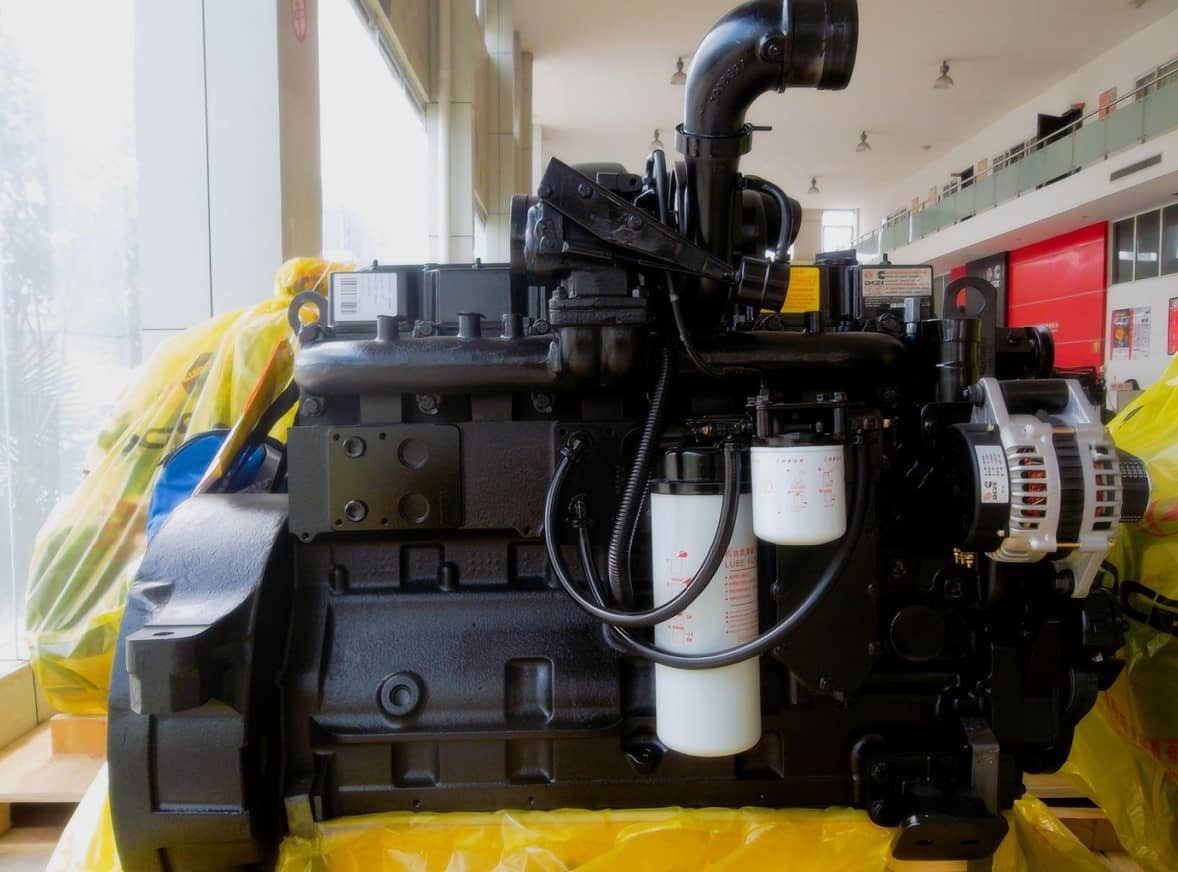
The Dongfeng Cummins C240-20 stands as a benchmark in the 8.3-liter mechanical diesel category, engineered explicitly to meet the grueling demands of medium-to-heavy commercial vehicles, vocational trucks, and long-haul transport. Displacing 8.3 liters across a robust six-cylinder inline configuration, this mechanical power plant delivers a rated output of 176 kilowatts, equivalent to 240 horsepower, sustained at a governed speed of 2400 revolutions per minute. Unlike electronic engines heavily dependent on complex sensor arrays, the C240-20 relies on proven mechanical governance and precision fuel delivery, making it exceptionally reliable in remote operating environments where electronic diagnostics may be limited. As a premier engine supplier, HekoPower provides fully verified DCEC assemblies built to factory metallurgical standards, ensuring seamless drop-in compatibility for fleet operators and vehicle rebuilders worldwide.
Tech Specs of Cummins C240-20
General Engine Data
Engine Model: Cummins C240-20
Type: 6 Cylinders in Line
Displacement: 8.3 L
Bore * Stroke: 114 * 135
Net Weight (with flywheel & alternator): 604 Kg
Overall Dimension: 1180mm*920mm*1280
Key Performance Data
Rated Power: 176 kW/240HP
Rated Speed: 2400 rpm
Max Torque/Speed: 880 N.m @ 1500 rpm
Fuel Consumption @ Rated Power: 247 g/Kw.h
Max. No-load Governed Speed: 2720 rpm
Idle-Speed: 800 rpm
Max Continuous Running Altitude: 3000 m
More Technical Data
Certification: Euro I
Aspiration: Turbocharged & Intercooled
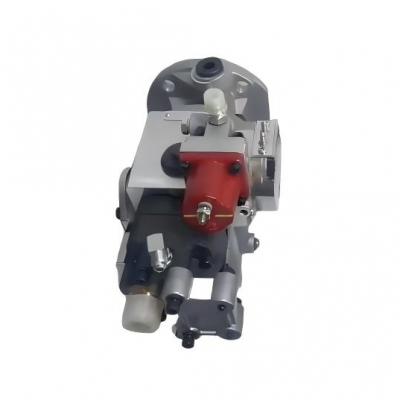
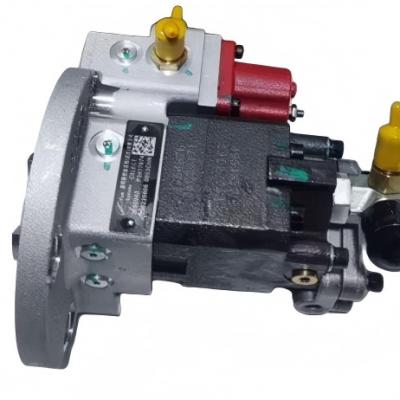
Fuel System: BYC PB Pump/R801 Governor
Compression Radio: 18:1
Electrical System (Starter Motor/Alternator): 12V (500A)/24V (250A)
Lowest Starting Temp Without auxiliary system: -10℃/-25℃
Cooling Method: Water cooled
Engine Cooling Fluid Volume: 12.3 L
Real Application Scenarios for the C240-20 Platform
Vehicle manufacturers and heavy-duty transport operators deploy the Cummins C240-20 across diverse vocational segments where low-end grunt and thermal resilience are paramount. In heavy cargo truck configurations, the engine delivers consistent pulling power across multi-speed manual transmissions, maintaining highway cruise speeds without excessive thermal degradation. For dump truck and construction support fleets operating on unpaved terrain, the high displacement-to-power ratio allows the vehicle to claw out of deep pits under maximum payload without stalling or bogging down. Additionally, transit bus applications benefit from its steady low-RPM torque band, which provides smooth acceleration from dead stops in congested urban traffic while optimizing fuel burn during frequent stop-and-go duty cycles.
Technical Comparisons and Performance Dynamics
When evaluating the C240-20 within the broader DCEC C-series family, engineers and fleet managers frequently analyze its performance profile relative to its sibling ratings, such as the C230-20 and C245-20. While the C230-20 is tuned for baseline regional transport with a slightly milder fuel delivery curve, and the C245-20 pushes higher output thresholds for demanding gradeability, the C240-20 strikes an optimal balance between peak thermal efficiency and component longevity. The engine achieves a maximum torque output of 880 Newton-meters delivered sharply at 1500 revolutions per minute. This wide torque plateau gives the C240-20 superior lugging ability compared to lighter 6-cylinder alternatives, meaning the driver has to downshift far less frequently when encountering steep inclines or heavy headwinds. Fuel consumption mapping on the C240-20 is optimized around its sweet spot between 1200 and 1600 RPM, where brake-specific fuel consumption reaches its lowest operational tier, translating directly to measurable fuel cost savings over hundreds of thousands of highway miles.
Maintenance Protocols and Overhaul Best Practices
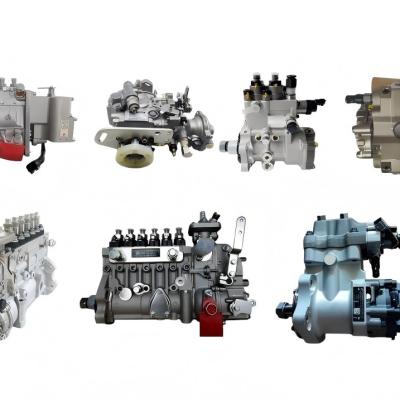
Maximizing the operational lifespan of a mechanical powerhouse like the Cummins C240-20 requires strict adherence to scheduled preventive maintenance, particularly concerning its fuel injection and cooling subsystems. The fuel system typically integrates a heavy-duty mechanical inline injection pump—such as the Weifu PW2000 or BYC PB series—which demands clean, water-free diesel fuel to prevent plunger scoring and premature calibration drift. Operators should inspect and drain primary fuel-water separators weekly, especially in regions with high ambient humidity or inconsistent fuel quality. Valve lash adjustments should be performed at designated mileage intervals to maintain proper breathing dynamics across the six cylinders, ensuring exhaust gas temperatures remain within safe engineering parameters. During major engine overhauls, replacing wet cylinder liners alongside matched piston and ring kits guarantees that compression pressures return to original factory tolerances, preventing blow-by and maintaining oil retention under heavy load.
Common Misconceptions Regarding Mechanical Cummins C-Series Engines
A persistent misconception among foreign buyers is that mechanical engines like the C240-20 are outdated and inherently less efficient than modern common-rail electronic counterparts. In reality, while electronic engines offer fine emissions control, mechanical systems provide unmatched resilience against contaminated fuel and electrical surges, which are primary failure modes in harsh developing-market operating conditions. Another frequent error is assuming that all C-series blocks share identical internal component dimensions regardless of the horsepower tuning tag; in truth, compression ratios, piston bowl designs, and turbocharger matching (such as wastegate actuation thresholds) are specifically calibrated for the 240HP rating. Mixing components from different horsepower tiers during a rebuild can lead to destructive detonation, elevated exhaust gas temperatures, and catastrophic failure.
Integration of Series Variants and Related Solutions
When servicing or upgrading commercial vehicle fleets, identifying the exact engine configuration is critical for seamless component matching and powertrain synergy. This series manufacturing architecture encompasses several closely related displacement and power variants engineered for distinct vocational demands.
DCEC C Series, original products from Dongfeng Cummins Engine Plant (DCEC), Cummins Joint Venture Plant since 1986, 50% shareholding by Cummins USA. This series mainly includes C220-20, C230-20, C230-33, C240-20, C245-20, C245-33, C260-20, C260-33, C280-20, C280-33, C300-20, C300-33, C325-20.
Frequently Asked Questions (FAQ)
Can the C240-20 engine be used as a direct replacement for older C230-20 installations?
Yes, the C240-20 utilizes the same fundamental 8.3L block geometry and mounting footprints, allowing it to drop directly into chassis previously configured for the C230-20, though cooling and transmission gearing compatibility should be verified.
Can the DCEC C240-20 truck engine be used to replace an older 6CT8.3?
Yes, the C240-20 is part of the same engine family as the mechanical 6CT8.3. It serves as an excellent replacement engine, offering updated components while maintaining the same physical footprint and mounting points, minimizing custom fabrication during installation.
What causes high exhaust gas temperatures (EGT) in a C240-20 truck engine?
Elevated EGT is usually caused by restricted air intake filters, improper fuel pump timing, worn fuel injector nozzles creating poor atomization, or operating under sustained overloads beyond the 176kW rated capacity.