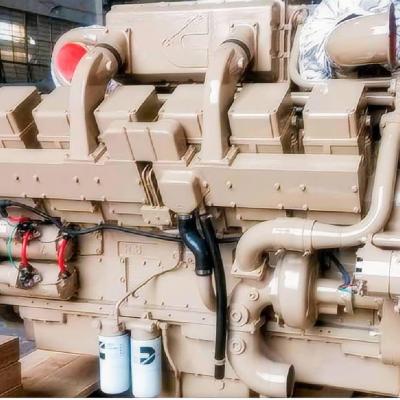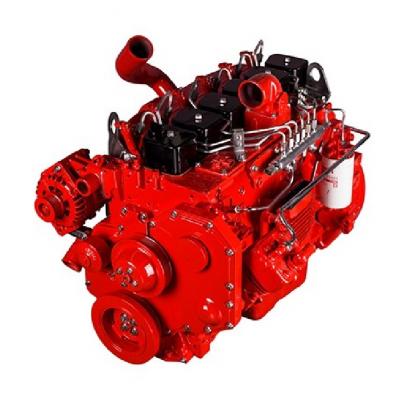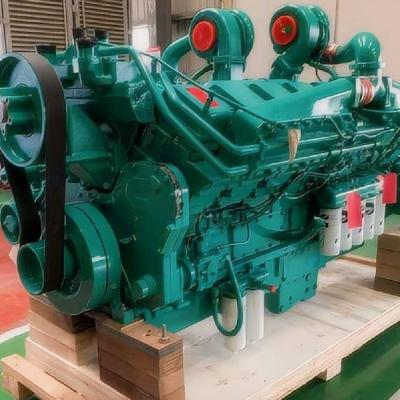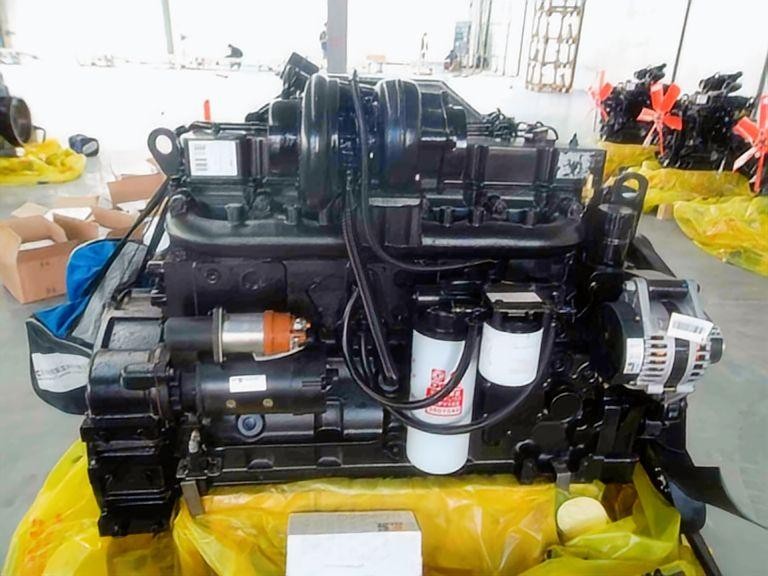
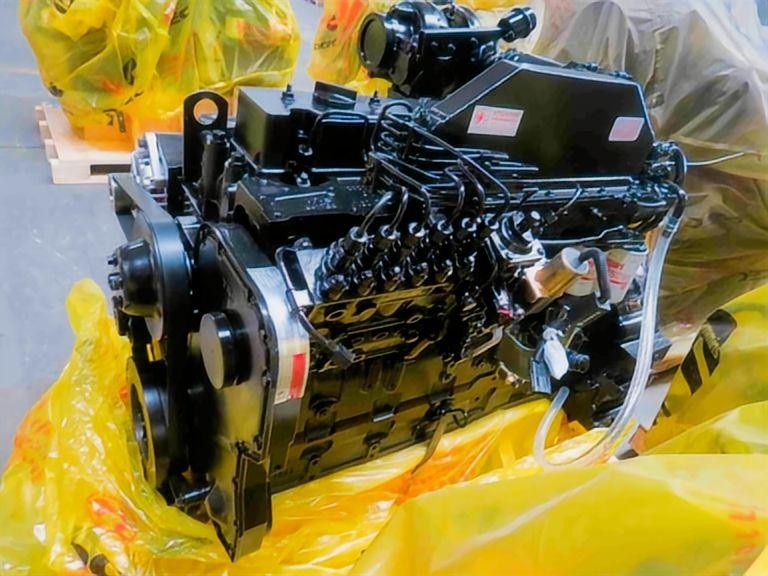
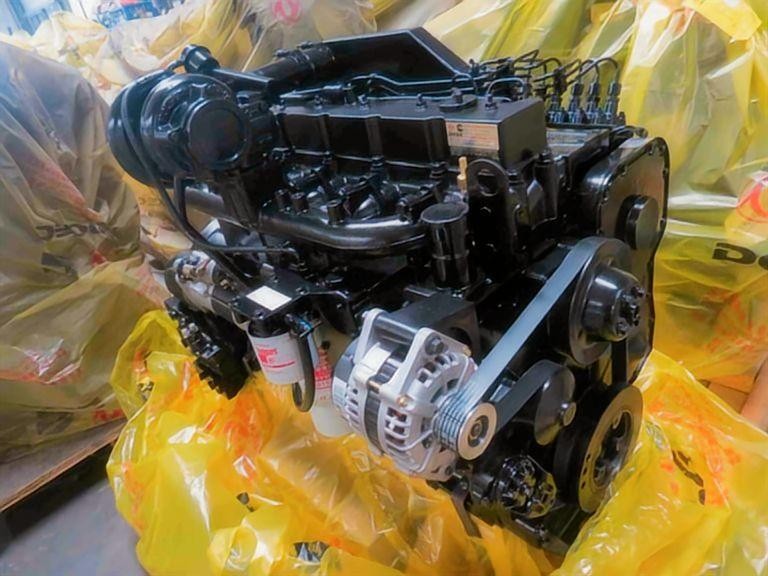
Navigating the procurement of heavy-duty industrial power plants requires more than skimming a generic data sheet. Equipment operators, fleet managers, and international machinery buyers frequently face downtime because replacement power units fail to match exact legacy tolerances or application duty cycles. As an established global engine supplier, HekoPower bridges this gap by providing thoroughly verified power assemblies that match exact operational profiles. The Cummins 6CTA8.3-C205 industrial engine stands out as a reliable workhorse in medium-to-heavy construction equipment, delivering a rated output of 205 horsepower at 1850 RPM. Unlike generic commercial listings that merely mirror manufacturer brochures, this optimization plan injects deep technical context, field-tested maintenance wisdom, and granular operational insights to satisfy modern search engine quality guidelines and human buyers alike.
The versatility of the DCEC 6CTA8.3-C205 diesel engine stems from its robust mechanical architecture, which makes it well-suited for demanding terrestrial environments where electronic control units might struggle with severe vibration, dust, or variable fuel quality. In heavy construction fleets, this specific 8.3-liter six-cylinder diesel engine is frequently deployed as the primary power source for mid-sized crawler excavators, heavy-duty wheel loaders, and high-capacity pneumatic tire rollers.
When installed in a 20-to-25-ton class excavator, the engine provides the exact torque curve required for simultaneous hydraulic boom operation and track mobilization under heavy load. The robust low-end torque delivery ensures that operators do not experience power sag when biting into compacted clay or rock. Similarly, in wheel loader applications, the engine handles frequent load-and-carry cycles with rapid throttle response. The turbocharged and intercooled design maintains volumetric efficiency even at elevated ambient temperatures or moderate altitudes, preventing thermal runaway during continuous multi-shift operations. Fleet operators prefer this mechanical injection variant because field repairs can be executed by local technicians without requiring proprietary diagnostic software or factory electronic service tools.
Choosing the correct power plant within the Cummins C-Series family requires distinguishing between closely related model numbers that often confuse procurement agents. When evaluating the 6CTA8.3-C205 against alternative variants such as the 6CTA8.3-C195, the 6CTA8.3-C215, and the C205-II, subtle calibrations in fuel delivery and governed speed dictate performance differences.
The Cummins 6CTA8.3-C195 is configured for applications prioritizing extended fuel longevity and lower thermal stress, operating at a slightly reduced output that suits lighter utility graders or stationary industrial pumps. Conversely, the 6CTA8.3-C215 pushes higher thermal and mechanical thresholds to achieve increased peak power, which demands enhanced radiator cooling capacity and stricter oil maintenance intervals. When comparing the target 6CTA8.3-C205 to the later C205-II variant, the primary differences lie in internal piston ring metallurgy and turbocharger matching rather than gross displacement. While the standard C205 utilizes a proven mechanical fuel injection setup optimized for rugged developing markets with variable diesel purity, the C205-II variant often incorporates refined combustion chamber geometries to meet stricter local emissions milestones without transitioning fully to high-pressure common rail electronics. Understanding these nuances ensures that buyers ordering a complete engine assembly or a replacement engine avoid compatibility issues with existing transmission bell housings and hydraulic pump mounting pads.
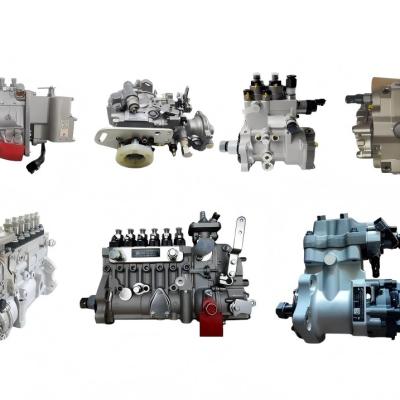
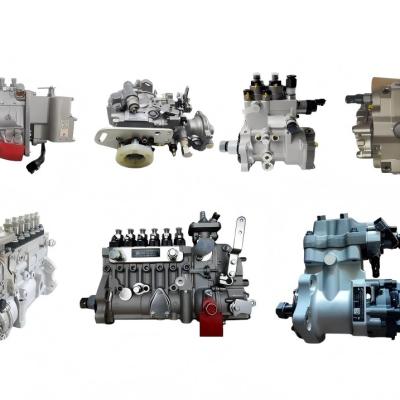
Maximizing the operational lifespan of a DCEC C-Series 8.3L industrial diesel engine requires adhering to strict preventive maintenance protocols while avoiding widespread misconceptions that circulate among workshop mechanics. A frequent misconception is that mechanical fuel injection pumps require zero calibration over the life of the engine. In practice, the inline injection pump and mechanical governor should be inspected every 2,000 operational hours to check plunger wear and timing drift, particularly if the equipment operates on biodiesel blends or fuels with high sulfur content.
Another common pitfall involves coolant maintenance. Because the 6-cylinder block experiences significant thermal gradients between the upper deck and lower crankcase, failing to maintain proper DCA (Diesel Coolant Additive) concentrations leads to liner pitting and premature cavitation corrosion. Operators must routinely test nitrite levels in the cooling system rather than simply topping off with plain water or uninhibited antifreeze. Furthermore, during turbocharger replacement or major overhauls, technicians must ensure that oil supply lines are thoroughly pre-lubricated and purged. Starving the turbocharger of oil during initial startup after a complete engine assembly replacement remains the leading cause of premature bearing failure in heavy-duty machinery.
When exploring power solutions for heavy equipment, it is essential to review how individual models fit into broader equipment categories. For broader fleet requirements, this unit belongs to a comprehensive lineup of industrial power options. Cummins C8.3-C Series, original products from Dongfeng Cummins Engine Plant (DCEC), Cummins Joint Venture Plant since 1986, 50% shareholding by Cummins USA. This series mainly includes 6CTA8.3-C145, 6CTA8.3-C175, 6CTA8.3-C180, 6CTA8.3-C195, 6CTA8.3-C205, 6CTA8.3-C215, 6CTA8.3-C230, 6CTA8.3-C240, 6CTA8.3-C260, 6CTAA8.3-C215, 6CTAA8.3-C260.
While both belong to the broader Cummins family, the 8.3L C-Series features a larger displacement, distinct physical dimensions, and different mounting footprints compared to the 5.9L 6BT. Direct retrofitting requires careful verification of chassis clearance, radiator sizing, and driveline torque capacity.
Yes. Due to its mechanical footprint and lack of complex ECU wiring harnesses, this model is an excellent candidate for repowering older machines. As long as the physical engine bay dimensions and bell housing adaptors match, this engine will restore your older excavator to factory performance levels.
Buyers should locate the Engine Serial Number (ESN) stamped on the gear housing data plate and cross-reference the CPL (Control Parts List) number to match exact fuel calibration and accessory configurations.