Details
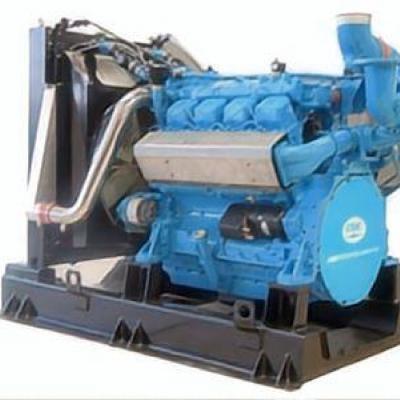
Genuine DCEC Cummins 4BTA3.9-G2 58kW G-Drive Engine
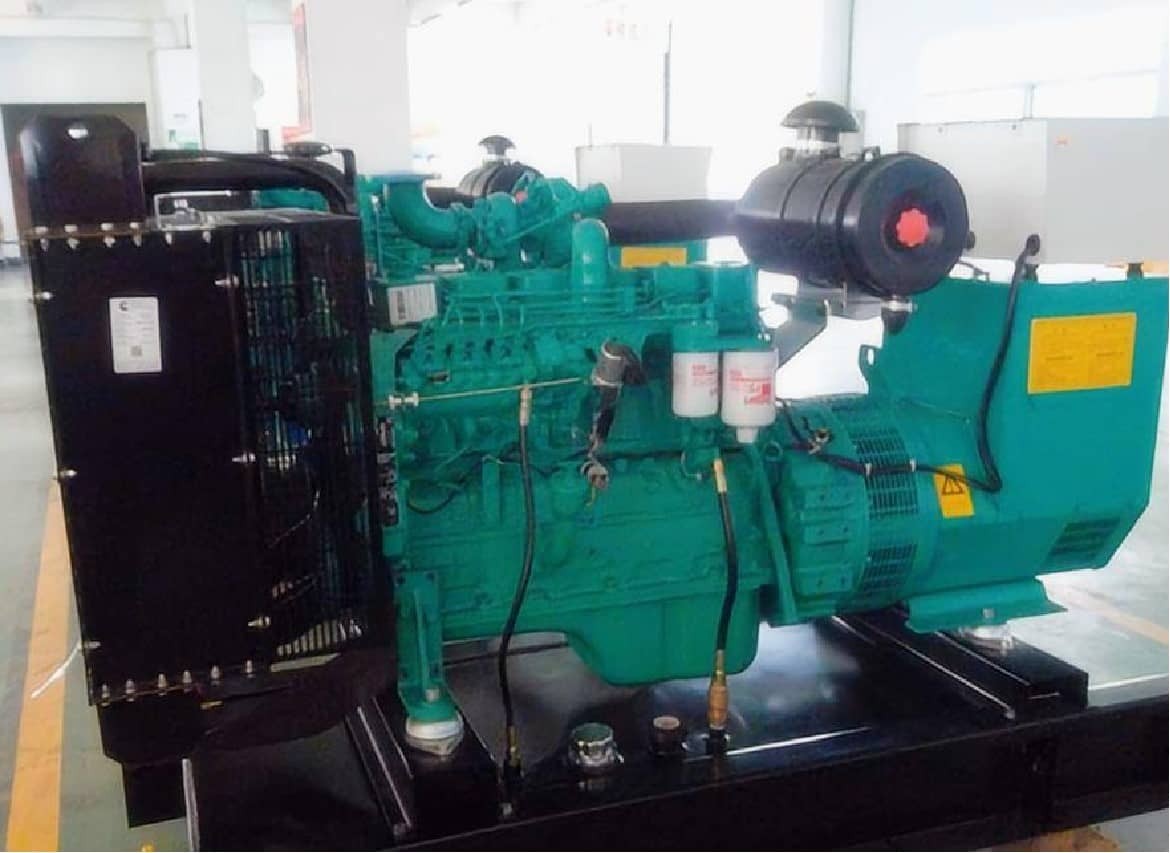
The Cummins 4BTA3.9-G2 engine stands as a cornerstone of reliable B2B industrial power generation worldwide. As an established wholesale engine supplier, HekoPower provides this premium DCEC Cummins 4BTA3.9-G2 configurations directly from the Dongfeng Cummins Joint Venture plant. Engineered specifically as a dedicated Cummins 4BTA3.9-G2 Generator Drive Engine, this robust inline Cummins 4-cylinder genset engine delivers stable, fuel-efficient performance for both critical standby emergency configurations and demanding continuous prime power infrastructures.
Tech Specs of Cummins 4BTA3.9-G2
General Engine Data
Engine Model: Cummins 4BTA3.9-G2-58kw
Type: 4 Cylinders in Line, 4 Stroke Diesel
Displacement: 3.9 L
Bore * Stroke: 102 * 120
Net Weight: 350 Kg
Overall Dimension: 867mm*544mm*988mm
Key Performance Data
Rated Power/Standby Power: 58 kW/79 HP, 63 kW/85 HP
Rated Speed: 1500 rpm
Low Idle Speed: 950-1050 rpm
Fuel Consumption @ Running: ≤ 230 g/kW.hr
More Technical Data
Aspiration: Turbocharged
Fuel System: BYC A Pump/RSV Governor
Electrical System (Starter Motor/Alternator): 12V/24V
Lowest Starting Temp Without auxiliary system: -12℃
Cooling Method: Water cooled
Engine Cooling Fluid Volume: 7.9 L
Governor Type: Electronic, Regulation 1%-5%
Dual-Speed Power Ratings & Rotational Dynamics
The mechanical governor settings support operational calibration across dual baseline operating speeds to meet distinct local grid frequencies:
- 50Hz Applications (1500 RPM): Rated Prime Power stands at 58 kW (78 HP), with an Emergency Standby Power ceiling of 64 kW (86 HP). At this speed, the unit delivers a steady peak torque profile of 318 N·m.
- 60Hz Applications (1800 RPM): Rated Prime Power scales up to 67 kW (90 HP), with an Emergency Standby Power peak capability of 74 kW (99 HP), maintaining optimal operational margins under higher transient loads.
Cummins 4BTA3.9-G2 Technical Comparison
Cummins 4BTA3.9-G2 vs 4BT3.9-G1
The 4BTA3.9-G2 is an upgraded generator drive configuration with improved power calibration and better generator compatibility.
Compared with the older 4BT3.9-G1:
- higher standby power output
- improved fuel delivery calibration
- better load acceptance
- more stable governor response
The G2 model is generally preferred for newer standby generator systems.
Cummins 4BTA3.9-G2 vs Perkins 1104
The Perkins 1104 engine series is commonly compared with the Cummins 4BTA3.9-G2 in the 50kVA to 70kVA generator market.
The Cummins engine is often selected for:
- wider spare parts availability
- easier service access
- strong performance in high-temperature regions
- simplified mechanical structure
Perkins engines may provide quieter operation in some configurations, but many customers in Africa, Southeast Asia and the Middle East prefer Cummins engines because of easier long-term maintenance support.
Cummins 4BTA3.9-G2 vs Weichai WP4
The Weichai WP4 is typically positioned as a lower-cost alternative.
However, many industrial users still choose the Cummins 4BTA3.9-G2 because of:
- stronger export-market acceptance
- broader international service support
- more mature generator integration
- higher resale value
For critical standby applications, engine stability and spare parts accessibility are usually more important than initial purchase price alone.
Real-World Application Scenarios and Sector Suitability
The Cummins industrial power engine is highly adaptable, making it a reliable choice across several key global B2B sectors.
Remote Telecom Base Station Networks
In remote telecom operations, power stability is critical. The 4BTA3.9-G2 serves as an ideal Cummins engine for telecom generator systems, delivering stable prime power to remote microwave arrays and cellular transceivers. Its electronic governance prevents voltage dips that can damage sensitive telecommunications gear.
Healthcare Facilities & Emergency Infrastructures
Hospitals and clinics require fast, reliable power restoration during blackouts. This engine serves as a dependable Cummins diesel engine for hospital generator setups, starting reliably and accepting full load steps well within national emergency time mandates.
High-Dust Construction Sites and Infrastructure Projects
With its heavy-duty air filtration options, this unit serves as a rugged Cummins genset engine for construction site usage, driving tower cranes, concrete batching plants, and high-intensity night lighting arrays without experiencing micro-abrasion wear from airborne particulate matter.
Agricultural Irrigation and Rural Cooperatives
Operating as a high-torque Cummins engine for agricultural generator sets, the unit handles the high inductive startup currents needed by deep-well submersible water pumps and localized food processing machinery.
Maintenance Intervals, Fluid Dynamics, and Replacement Tips
Maintaining a Cummins standby generator engine requires careful adherence to factory fluid specifications and precise physical alignment practices.
Fluid Subsystems Management
The standalone internal cooling jacket requires a total coolant capacity of 7.9 Liters. To prevent cavitation erosion on the cylinder liners, operators must use a high-quality 50/50 glycol-water mixture treated with supplemental coolant additives (SCAs). The internal lubrication system requires an overall lube system capacity of 10.9 Liters (including the full-flow spin-on filter assembly). The system requires a baseline oil pressure range between 207 kPa at low idle and 345 kPa at rated operational speeds.
Scheduled Maintenance Intervals
- Every 250 Hours: Perform full engine oil and spin-on fuel filter element replacement under standard duties. Clean the primary air intake element.
- Every 500 Hours: Replace the secondary fuel-water separator cartridge, inspect the automatic belt tensioner assembly, and check radiator core cleanliness.
- Every 1,500 Hours: Conduct manual valve clearance adjustments (Intake: 0.25mm / Exhaust: 0.51mm) and verify fuel injector spray patterns.
Replacement Guidelines for 50 kVA to 60 kVA Gensets
When deploying this unit as a replacement Cummins engine for 50 kVA to 60 kVA diesel generator setups, precision alignment is key. Ensure the flywheel housing matches standard SAE #3 configurations with an SAE 11.5-inch drive disc connection. Check that the flexible coupling misalignment stays under 0.1mm to avoid creating harmonic vibrations that could damage the main alternator bearings.
Comprehensive Fuel Consumption Metrics
Understanding real-world fuel consumption patterns allows procurement managers to project true operational expenses accurately. The Cummins 4BTA3.9-G2 fuel consumption at 100% load remains highly competitive due to its optimized fuel injection mapping.
Fuel Consumption Matrix at 1500 RPM (50Hz Grid)
Under a standard testing barometric pressure environment using standard No. 2 diesel fuel with a base density profile of 0.85 kg/L, the specific volumetric consumption rates track across the following load variations:
- 100% Emergency Standby Capacity: 14.7 Liters per hour (L/h) with a brake-specific fuel rate of 220 g/kW·h.
- 100% Prime Operational Capacity: 13.1 Liters per hour (L/h) with a brake-specific fuel rate of 216 g/kW·h.
- 75% Prime Operational Capacity: 9.8 Liters per hour (L/h) with a brake-specific fuel rate of 214 g/kW·h.
- 50% Prime Operational Capacity: 6.7 Liters per hour (L/h) with a brake-specific fuel rate of 221 g/kW·h.
This data demonstrates that the engine maintains excellent fuel efficiency even at partial loads, down to 75% capacity, preventing fuel wet-stacking issues.
Cummins B3.9-G Series, original products from Dongfeng Cummins Engine Plant (DCEC), Cummins Joint Venture Plant since 1986, 50% shareholding by Cummins USA. This series mainly includes 4B3.9-G1-24kw, 4B3.9-G2-24kw, 4BT3.9-G1-36kw, 4BT3.9-G2-36kw, 4BTA3.9-G2-50kw, 4BTA3.9-G2-58kw, 4BTA3.9-G11-70kw.In accordance with the criteria of Machinery Safety Directive 2006/42, movable elements such as distribution belts, fans, and parts that acquire high temperatures during operation, such as exhaust manifolds, have their respective safeguards. Before being delivered, the generator is thoroughly checked at the factory. Voltage, frequency, and load are all tested, as well as the appropriate operation of warnings and the influence of engine oil temperature on stop.
Technical Frequently Asked Questions (FAQs)
What is the exact governor configuration found on the HekoPower 4BTA3.9-G2?
Each wholesale engine comes equipped with a Cummins 4BTA3.9-G2 with BYC fuel pump electronic governor pairing. This system uses a dedicated actuator and a speed control unit to keep steady-state speed variation within 1%. This provides the precise frequency control required by modern telecom networks and hospital backup power systems.
Can this specific 4-cylinder engine structure safely replace a 6-cylinder layout?
Yes. When evaluating a Cummins 4-cylinder vs 6-cylinder generator engine setup for a 50kVA–60kVA application, the 4-cylinder 4BTA3.9-G2 offers distinct advantages. It provides identical power output to older, naturally aspirated 6-cylinder engines while reducing the overall physical footprint by 30% and net engine weight by over 120 kg. This allows for more compact, cost-effective canopy designs.
Where should I submit requests to buy genuine Cummins 4BTA3.9-G2 engine units?
As a specialized China Cummins generator engine supplier, HekoPower manages verified factory distribution channels. To buy authentic products with traceable serial numbers, requests should be submitted directly through our B2B trade portal. We provide complete export documentation, factory testing certificates, and shipping configurations via major ports, including Shanghai and Ningbo.
What are the precise coolant limits for high-ambient operations?
The cooling loop is designed to support ambient temperatures up to 50°C. The internal modulating thermostat regulates flow between an opening threshold of 82°C and a full-open ceiling of 95°C. The maximum permitted top-tank coolant temperature is capped at 104°C under Standby power conditions before automatic protection shutdowns trip.