Details
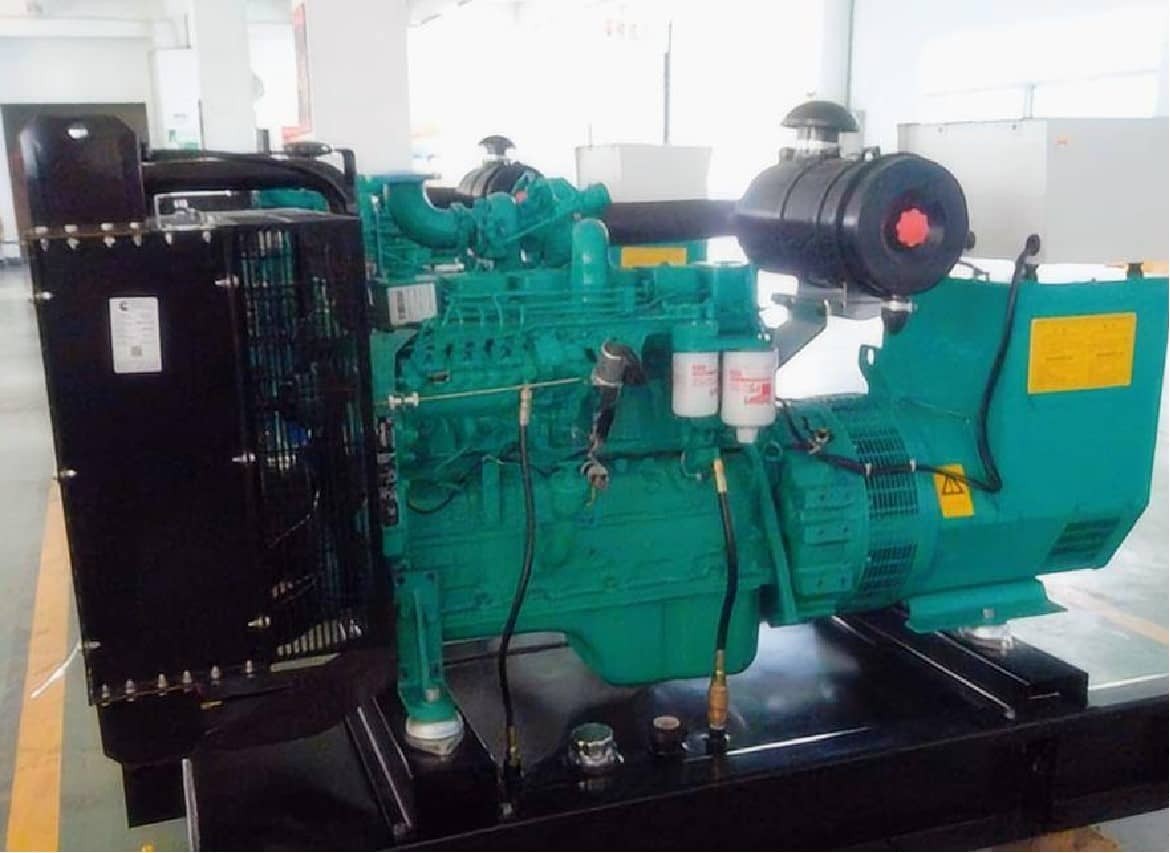
Cummins 4BTA3.9-G2 50kW Generator Engine: Engineering & Sourcing Guide
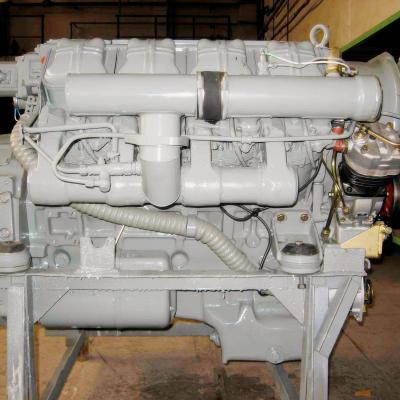
The Cummins 4BTA3.9-G2 stands as a benchmark in the 50kW industrial power generation sector. Built by Dongfeng Cummins Engine Co., Ltd. (DCEC), this four-cylinder, in-line, 3.9-liter power unit is purpose-built for continuous prime and standby generator sets operating at 1500 RPM for 50Hz electrical grids.
Unlike standard vehicle-duty blocks, the G-Drive variant incorporates specialized governor tuning and heavy-duty cooling provisions designed to handle fluctuating electrical loads without frequency drop. The inclusion of an exhaust gas turbocharger paired with a jacket-water aftercooler ensures dense air induction, optimizing fuel combustion efficiency even in high-ambient operating environments.
As an established engine supplier, HekoPower provides this complete engine assembly configured specifically for generator original equipment manufacturers and replacement project managers requiring exact mounting dimensions and reliable mechanical governance.
Tech Specs of Cummins 4BTA3.9-G2
General Engine Data
Engine Model: Cummins 4BTA3.9-G2-50kw
Type: 4 Cylinders in Line, 4 Stroke Diesel
Displacement: 3.9 L
Bore * Stroke: 102 * 120
Net Weight: 350 Kg
Overall Dimension: 867mm*544mm*988mm
Key Performance Data
Rated Power/Standby Power(1500 rpm): 50 kW/67 HP, 55 kW/74 HP
Rated Power/Standby Power(1800 rpm): 60 kW/80 HP, 66 kW/88 HP
Rated Speed: 1500/1800 rpm
Low Idle Speed: 950-1050 rpm
Fuel Consumption @ Running: ≤ 230 g/kW.hr
Torque @ Rated/Standby Output: 318/350 N.m @ 1500 rpm
More Technical Data
Aspiration: Turbocharged/Afatercooled
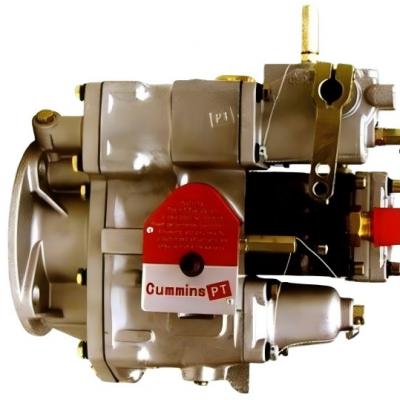
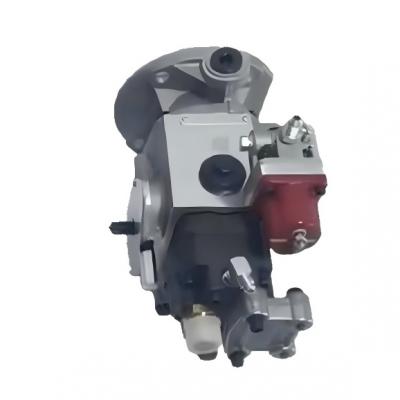
Fuel System: BYC A Pump/RSV Governor
Electrical System (Starter Motor/Alternator): 12V/24V
Lowest Starting Temp Without auxiliary system: -12℃
Cooling Method: Water cooled
Engine Cooling Fluid Volume: 7.9 L
Governor Type: Electronic, Regulation ≤5%
Technical Comparison: 4BTA3.9-G2 vs. 4BT3.9-G2 and 4BTA3.9-G11
When selecting a 3.9-liter Cummins power plant, engineers often evaluate how the 4BTA3.9-G2 compares to its naturally aspirated or non-intercooled stablemates.
The non-turbocharged or naturally aspirated baseline 3.9L blocks struggle to maintain stable thermal efficiency at higher output thresholds. Upgrading to the turbocharged 4BT3.9-G2 introduces forced induction, but it lacks the intake air cooling found on the 4BTA series.
The 4BTA3.9-G2 bridges this performance gap by adding a jacket-water aftercooler. This drops intake manifold temperatures significantly compared to standard turbocharged units, allowing for cleaner combustion, reduced thermal stress on piston crowns, and a stable 50kW prime power rating with a 55kW standby ceiling.
When measured against higher-tier iterations like the 4BTA3.9-G11, the G2 model is optimized specifically for standard utility-grade frequency regulation rather than high-altitude derating profiles. Understanding these thermal and volumetric distinctions prevents improper block selection during generator assembly design.
Real-World Application Scenarios for 50kW Generator Sets
The 50kW output bracket occupies a vital commercial niche. The Cummins 4BTA3.9-G2 engine is frequently deployed in prime and backup power configurations across several key industries.
In telecommunications, this engine powers remote cellular tower base transceiver stations where uninterrupted electrical supply is mandatory. Its compact four-cylinder footprint allows installation inside standard weatherproof canopy enclosures on tight concrete pads.
Agricultural facilities utilize the 4BTA3.9-G2 to drive large-scale irrigation pumps during peak summer months. Because agricultural pumping demands sustained, uninterrupted runtime under heavy torque loads, the engine's robust crankshaft design and gear-driven water pump prevent cavitation and overheating during multi-day operations.
Additionally, small commercial retail centers, remote mining camps, and municipal water treatment monitoring stations rely on this 50kW platform as an emergency standby unit, ensuring seamless automatic transfer switch (ATS) activation during municipal grid failures.
Common Misconceptions in Sourcing Dongfeng Cummins 3.9L Engines
Sourcing industrial diesel engines across global export markets involves navigating several persistent misconceptions.
A common error among buyers is assuming that all 3.9-liter blocks share identical internal component tolerances regardless of application origin. Vehicle-spec 4BTA engines utilize different camshaft profiles, fuel injection timing maps, and oil pan configurations compared to true G-Drive generator engines. Installing a converted automotive surplus block into a generator set frequently leads to governor hunting and premature thermal fatigue.
Another frequent misconception is that horsepower ratings are interchangeable between 1500 RPM (50Hz) and 1800 RPM (60Hz) operating windows without adjusting fuel pump calibration and turbocharger matching. The 4BTA3.9-G2 is specifically engineered, balanced, and governed for 1500 RPM synchronous speed. Attempting to force higher continuous speeds without manufacturer-approved governor modifications compromises service life and voids performance guarantees.
Maintenance, Fuel System Tips, and Overhaul Best Practices
Maximizing the operational lifespan of a DCEC 4BTA3.9-G2 engine requires strict adherence to scheduled maintenance intervals and fuel quality standards.
The fuel system relies on a precision rotary distributor injection pump (such as the BYC or Bosch VE type) paired with mechanical or electronic governing. Because modern high-pressure rotary pumps maintain tight internal clearances, water contamination is the primary cause of premature plunger wear. Operators must install primary fuel-water separators with transparent collection bowls and inspect them weekly.
Oil and Filtration: Change engine lubricating oil and full-flow bypass filters every 250 operating hours using Cummins-approved 15W-40 CI-4 or higher grade oils.
Cooling System Integrity: Flush the jacket-water aftercooler core annually to prevent mineral scaling from degrading heat transfer efficiency.
Valve Clearance Inspection: Verify and adjust intake and exhaust valve lash every 1,000 operating hours to maintain optimal compression pressures.
Exploring the Cummins B3.9-G Engine Series
When planning industrial power solutions, examining sibling configurations within the same displacement family ensures complete project alignment. Cummins B3.9-G Series, original products from Dongfeng Cummins Engine Plant (DCEC), Cummins Joint Venture Plant since 1986, 50% shareholding by Cummins USA. This series mainly includes 4B3.9-G1-24kw, 4B3.9-G2-24kw, 4BT3.9-G1-36kw, 4BT3.9-G2-36kw, 4BTA3.9-G2-50kw, 4BTA3.9-G2-58kw, 4BTA3.9-G11-70kw.In accordance with the criteria of Machinery Safety Directive 2006/42, movable elements such as distribution belts, fans, and parts that acquire high temperatures during operation, such as exhaust manifolds, have their respective safeguards. Before being delivered, the generator is thoroughly checked at the factory. Voltage, frequency, and load are all tested, as well as the appropriate operation of warnings and the influence of engine oil temperature on stop.
Technical FAQs
What alternator size matches a 50kW Cummins 4BTA3.9-G2 engine?
To build a reliable 50kW generator set, engineers typically pair this engine with a 50kW to 60kW synchronous brushless alternator (such as Stamford UCI224 series or equivalent), ensuring adequate headroom for inductive startup loads.
Is this engine compatible with 60Hz power generation layouts?
The base 4BTA3.9-G2 model is configured as a 1500RPM Cummins genset engine for 50Hz applications. For 60Hz configurations requiring 1800RPM speeds, the internal governor counterweights and injection timing require adjustment. Contact the HekoPower technical team to order factory-set 60Hz engine options.
Does this engine comply with local emissions standards?
The 4BTA3.9-G2 is a mechanically-governed industrial engine engineered primarily for off-highway stationary and prime power generation in regions requiring robust, maintenance-friendly mechanical fuel injection.
Is the 4BTA3.9-G2 suitable for continuous prime power operation?
Yes. The engine is commonly used in both standby and prime power generator applications when operated within rated specifications.
Can the engine operate in high-temperature environments?
The water-cooled turbocharged design supports operation in demanding ambient conditions when the cooling system is properly maintained.