Details
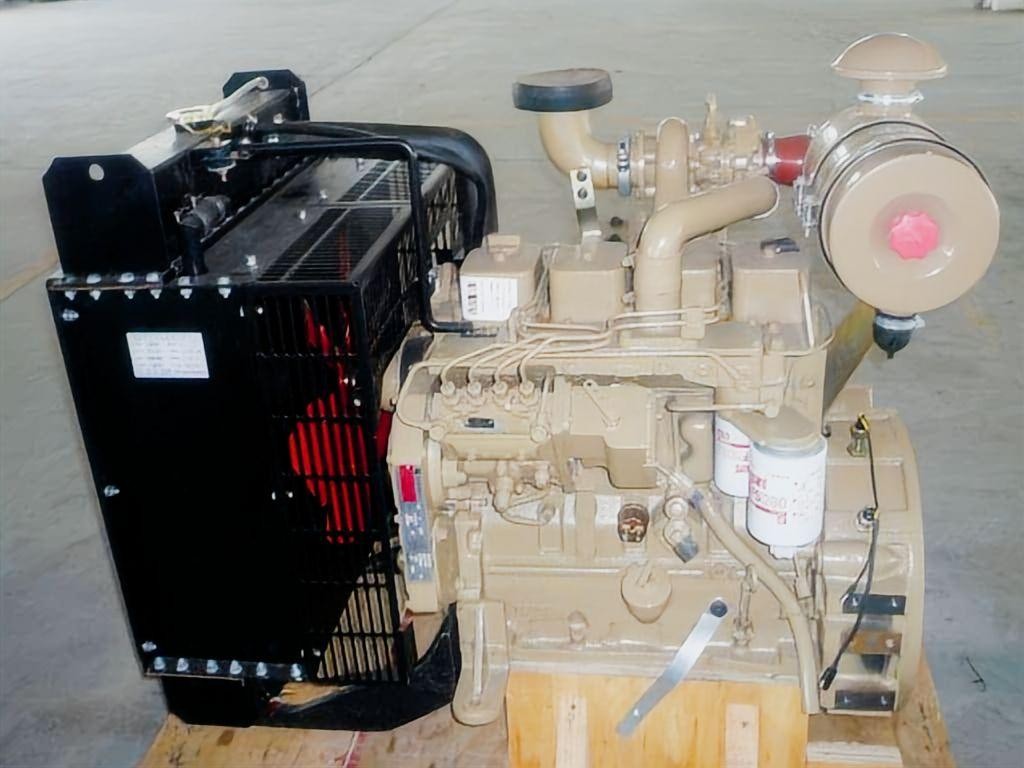
Genuine DCEC Cummins 4BT3.9-G2: 36kW Diesel Generator Engine
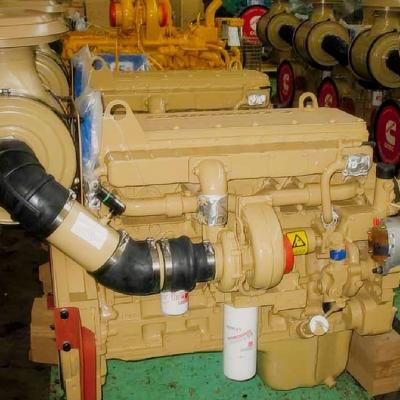
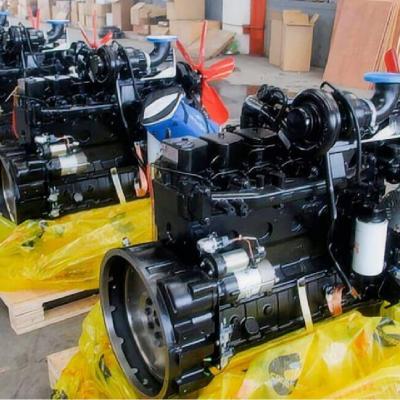
The Cummins 4BT3.9-G2 engine represents one of the most reliable 4-cylinder power solutions in the industrial generator sector. Manufactured by DCEC, this 3.9-liter turbocharged diesel engine is specifically engineered for continuous and standby power generation. HekoPower supplies this genuine DCEC Cummins 4BT3.9-G2 to manufacturers, maintenance crews, and export markets globally.
Delivering a steady 36kW, or roughly 48HP, this G-drive engine operates seamlessly at 1500 RPM. This makes it the ideal prime mover for 50Hz electrical systems. Finding a reliable 36kW Cummins engine supplier requires more than just checking a model number. It requires technical expertise in exact alternator matching, fuel consumption optimization, and exact engine data plate identification. We provide that technical assurance for every 36kW diesel engine for generator set applications we export.
Tech Specs of Cummins 4BT3.9-G2 (36kW)
General Engine Data
Engine Model: Cummins 4BT3.9-G2-36kw
Type: 4 Cylinders in Line, 4 Stroke Diesel
Displacement: 3.9 L
Bore * Stroke: 102 * 120
Net Weight: 321 Kg
Overall Dimension: 867mm*544mm*988mm
Key Performance Data
Rated Power/Standby Power: 36 kW/48HP, 40 kW/54HP
Rated Speed: 1500 rpm
Low Idle Speed: 950-1050 rpm
Fuel Consumption @ Running: ≤ 244 g/kW.hr
Torque/Rated Output: 229 N.m @ 1500 rpm
Torque/Standby Output: 255 N.m @ 1500 rpm
More Technical Data
Aspiration: Turbocharged
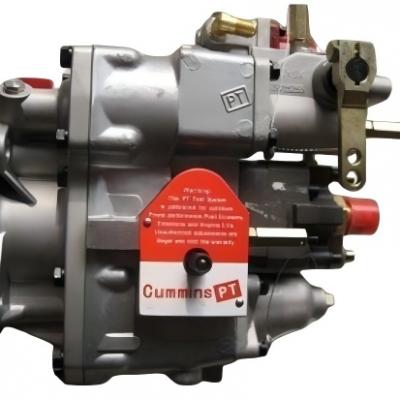
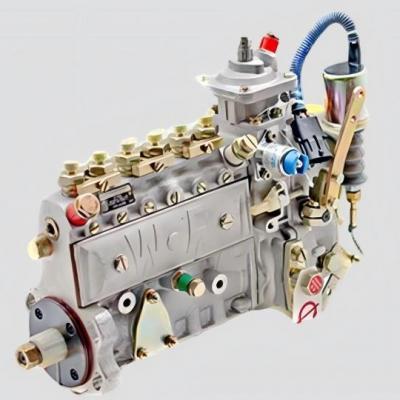
Fuel System: BYC A Pump/RSV Governor
Electrical System (Starter Motor/Alternator): 12V/24V
Lowest Starting Temp Without auxiliary system: -12℃
Cooling Method: Water cooled
Engine Cooling Fluid Volume: 7.2 L
Governor Type: Electronic, Regulation ≤5%
Technical Comparisons Within the B Series
Selecting the right Cummins water-cooled genset engine 1500RPM model requires understanding the subtle differences within the DCEC lineup. The primary point of confusion often lies between the 4BT3.9-G2 and the 4BT3.9-G1.
When evaluating the 4BT3.9-G2 vs 4BT3.9-G1, the distinction primarily comes down to power output and fuel delivery calibration. The G1 is tuned for lower prime power requirements. The G2 is engineered specifically to push a higher continuous output, safely generating the 36kW required for robust applications. Upgrading from a G1 to a G2 provides extra headroom for motor-starting loads without sacrificing the footprint.
Another common technical comparison involves the 4BT3.9-G2-A vs 4BT3.9-G2-B configurations. These variations usually denote specific accessory arrangements or cooling package integrations from the factory. The DCEC 4BT3.9-G2-A generator engine typically comes as a complete package ready for standard alternator mating. When sourcing a replacement, specifying whether you need the base engine or the full G2-A assembly ensures there are no surprises during installation.
Operators also occasionally confuse frequency requirements, leading to searches comparing the 4BT3.9-G2 1500 RPM vs 1800 RPM configurations. The 1500 RPM engine is strictly designed for 50Hz power generation. Adjusting the mechanical governor to run a 1500 RPM rated engine at 1800 RPM for 60Hz applications without the proper factory calibration can lead to inefficient fuel burn and increased thermal stress.
Real-World Application Scenarios
The 36kW Cummins diesel engine thrives in specific, demanding environments. Its primary application is serving as the driving force behind 40kVA standby 4BT3.9-G2 engine setups. It is also frequently utilized as the prime power source for a 43kVA generator operating in remote locations off the main grid.
In the telecom industry, cellular towers require uninterrupted power. The 4BT3.9-G2 prime power engine is a staple in these remote installations because of its low maintenance requirements and stable 50Hz output.
For commercial real estate, including small supermarkets and office buildings, this engine powers reliable backup systems. The 4BT3.9-G2 standby power engine ensures that critical systems like refrigeration, security, and emergency lighting remain operational during grid failures. Its compact footprint makes it highly favorable for tight basement or rooftop installations.
Engine Identification and Replacement Guidelines
Replacing a failed generator engine requires exact matching. A generic 36kW Cummins generator engine replacement might not align with your existing mounts, cooling radiator, or alternator. This is where HekoPower excels as a 4BT3.9-G2 engine replacement supplier.
Knowing how to identify a Cummins 4BT3.9-G2 engine is the first step. The most critical piece of information is the Cummins 4BT3.9-G2 engine data plate. This metal tag is typically riveted to the side of the engine block, near the fuel injection pump.
For accurate Cummins 4BT3.9-G2 replacement identification, you must locate the Engine Serial Number (ESN) and the Control Parts List (CPL) number on this data plate. The CPL number dictates the exact internal components, fuel pump calibration, and emissions standard of your specific build.
When you contact us for a DCEC 4BT3.9-G2 replacement engine, providing this data plate information guarantees a one-to-one match. Whether you need a bare block or a complete Cummins 4BT3.9-G2 engine assembly replacement, verifying the data plate eliminates installation downtime and compatibility issues with your existing 40kVA or 43kVA alternator.
Maintenance and Longevity Tips
Keeping your 4-cylinder Cummins generator engine running at peak efficiency requires disciplined maintenance. The 4BT3.9-G2 is a turbocharged engine, meaning the quality of both the air intake and lubricating oil is critical.
A common misconception is that standby generator engines require less frequent oil changes because they run fewer hours. In reality, oil degrades over time and accumulates moisture from condensation. Even if your 36kW 4BT3.9-G2 diesel engine only runs a few hours a month for testing, you must replace the oil and filters annually.
Another frequent oversight involves the cooling system. Because this is a Cummins water-cooled engine, the coolant mixture must be properly maintained to prevent cavitation and cylinder liner pitting. Always use the manufacturer-recommended supplemental coolant additives (SCA).
If you are undertaking a rebuild rather than a full replacement, sourcing genuine Cummins 4BT3.9 parts and engine replacement components is vital. Using aftermarket fuel injectors or inferior gaskets on the A-pump can drastically negatively impact your 4BT3.9-G2 fuel consumption per hour.
Frequently Asked Questions
What is the standard lead time for this engine?
As a leading DCEC Cummins 36kW engine supplier in China, our standard Cummins 4BT3.9-G2 lead time is around 10 business days, depending on current factory inventory and your specific configuration requirements.
What electrical system does this engine use?
The starting motor and alternator can be configured for either a Cummins 4BT3.9-G2 12V or 24V system. You must specify your existing control panel voltage when ordering a replacement.
Are wholesale prices available for bulk orders?
Yes. As an established Cummins 4BT3.9-G2 exporter, HekoPower offers competitive Cummins 4BT3.9-G2 wholesale price structures for OEM generator manufacturers and international equipment distributors. The final 4BT3.9-G2 engine price depends on the order volume and shipping terms.
Understanding the specific technical parameters of your required 36kW power plant ensures a successful installation and decades of reliable service. However, we understand that power requirements scale differently across various industrial projects. Beyond this specific 36kW configuration, HekoPower supplies a comprehensive range of related power solutions to meet diverse output demands.
Cummins B3.9-G Series, original products from Dongfeng Cummins Engine Plant (DCEC), Cummins Joint Venture Plant since 1986, 50% shareholding by Cummins USA. This series mainly includes 4B3.9-G1-24kw, 4B3.9-G2-24kw, 4BT3.9-G1-36kw, 4BT3.9-G2-36kw, 4BTA3.9-G2-50kw, 4BTA3.9-G2-58kw, 4BTA3.9-G11-70kw.In accordance with the criteria of Machinery Safety Directive 2006/42, movable elements such as distribution belts, fans, and parts that acquire high temperatures during operation, such as exhaust manifolds, have their respective safeguards. Before being delivered, the generator is thoroughly checked at the factory. Voltage, frequency, and load are all tested, as well as the appropriate operation of warnings and the influence of engine oil temperature on stop.