Details
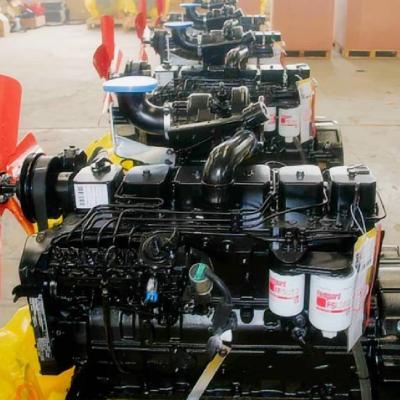
Cummins 4B3.9-G2 24kW Generator Engine
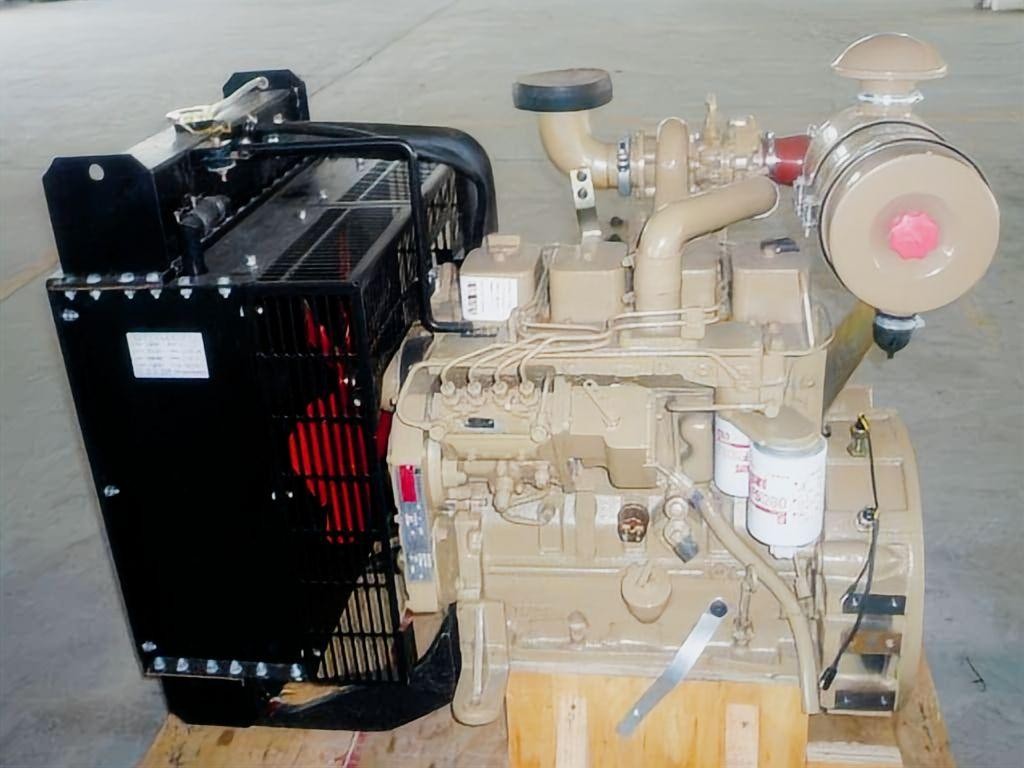
The DCEC Cummins 4B3.9-G2 is a robust, naturally aspirated water-cooled generator engine designed for steady, long-term power generation. Operating as a 3.9L 4-cylinder in-line diesel engine, it delivers a highly stable 24kW of prime power at a continuous 1500 RPM. This specific G-Drive configuration is engineered to serve as the reliable core for a 25kVA Cummins diesel generator set. As a dedicated Cummins 4B3.9-G2 complete engine supplier, HekoPower provides this unit for both new power installations and industrial machinery retrofits.
Engineers and procurement managers rely on the DCEC 4B3.9-G2 G-Drive for its simplified mechanical design. Because it lacks a turbocharger, there are fewer moving parts, which dramatically reduces the mechanical failure rate in harsh operating environments. The engine block features precise 4B3.9-G2 102×120 mm bore and stroke dimensions, ensuring optimal combustion efficiency without over-stressing the block. Weighing approximately 308 kg, the Cummins 4B3.9-G2 engine assembly provides an excellent power-to-weight ratio for stationary power generation.
Tech Specs of Cummins 4B3.9-G2
General Engine Data
Engine Model: Cummins 4B3.9-G2-24kw
Type: 4 Cylinders in Line, 4 Stroke Diesel
Displacement: 3.9 L
Bore * Stroke: 102 * 120
Net Weight: 308 Kg
Overall Dimension: 867mm*544mm*988mm
Key Performance Data
Rated Power/Standby Power: 24 kW/32HP, 27 kW/36HP
Rated Speed: 1500 rpm
Low Idle Speed: 950-1050 rpm
Fuel Consumption (Running Speed): ≤ 275 g/kW.hr
Torque @ Rated/Standby Output: 153/172 N.m @ 1500 rpm
More Technical Data
Aspiration: Natural Aspiration
Fuel System: BYC A Pump/RSV
Compression Ratio: 16.6:1
Electrical System (Starter Motor/Alternator): 12V/24V
Lowest Starting Temp Without auxiliary system: -12℃
Cooling Method: Water cooled
Engine Cooling Fluid Volume: 7.2 L
Governor Type: Electronic, Regulation ≤5%
Technical Comparisons Within the Cummins B Series
Understanding the exact differences between the 4B3.9-G2 and its sister models is critical when selecting the right power plant for your generator. We frequently consult with clients comparing the Cummins 4B3.9-G2 vs 4B3.9-G1. While both are naturally aspirated engines sharing the same 3.9L displacement, the G2 variant is calibrated for a slightly higher output, making it the preferred choice when supporting a full 24kW load continuously. The G1 is typically reserved for slightly lower capacity requirements where fuel economy at lower loads is prioritized.
When evaluating the Cummins 4B3.9-G2 vs 4BT3.9-G2, the primary distinction is aspiration. The 4BT3.9-G2 is turbocharged, which allows it to push higher kilowatts from the same 3.9-liter block. However, the naturally aspirated 4B3.9-G2 generator engine excels in remote environments where simplified maintenance is more valuable than maximum output. Without a turbocharger, the 4B3.9-G2 avoids high-heat forced induction, extending the baseline lifecycle of the piston rings and cylinder liners.
A similar contrast exists between the 4B3.9-G2 vs 4BTA3.9-G2. The 4BTA model adds both a turbocharger and an air-to-air aftercooler to maximize power density. If your application requires powering a heavy industrial facility, the 4BTA is necessary. However, if you need a dependable 24kW Cummins generator engine for a rural telecom tower, agricultural pump, or a standard 25kVA generator set, the naturally aspirated 4B3.9-G2 is far more cost-effective and easier to maintain./span>
Real Application Scenarios for the 24kW Engine
The Cummins 4B3.9-G2 is primarily deployed as a 4B3.9-G2 50Hz generator engine for regions utilizing European and Asian electrical standards. Its ability to hold a steady 1500 RPM makes it a highly sought-after Stamford alternator compatible Cummins engine. When paired with a quality alternator, this 32 HP engine provides incredibly clean sine-wave power.
We frequently supply the Cummins 4B3.9-G2 for construction machinery support systems. While it is a stationary G-Drive engine, it is often mounted on mobile construction trailers to power high-draw site lighting, localized concrete mixers, and site offices. Its compact Cummins B3.9-G series dimensions allow it to fit comfortably within sound-attenuated canopies without requiring oversized trailer beds.
Additionally, we see high demand for this model as a Cummins 4B3.9-G2 standby generator engine. Facilities requiring emergency backup power for safety systems or localized refrigeration units rely on its 27kW standby power rating. When the primary grid fails, the 24V starting motor for the Cummins 4B3 ensures immediate ignition, quickly ramping up to 1500 RPM to take over the electrical load.
Essential Maintenance and Engine Replacement Tips
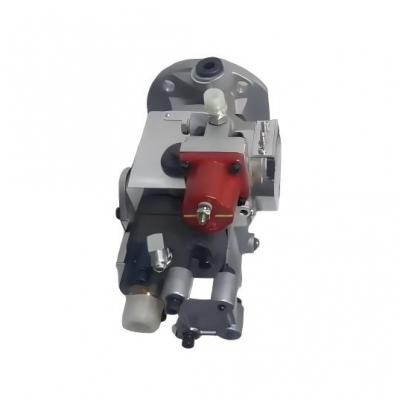
As an experienced Cummins 4B3.9-G2 engine exporter, we always advise our clients on proper maintenance protocols to maximize engine life. The fuel system is the heart of this engine, specifically the BYC A Pump electronic governor 4B3.9-G2 setup. This BYC A pump must be calibrated strictly according to factory specifications. Using contaminated diesel can foul the pump internals, leading to erratic RPMs and unstable voltage output from the generator. Always ensure heavy-duty fuel-water separators are installed inline before the injection pump.
When monitoring 4B3.9-G2 fuel consumption data, operators should track usage against load percentages. At a 100% prime power load of 24kW, the fuel consumption at 1500 RPM should remain highly predictable. If you notice a sudden spike in fuel usage without a corresponding increase in electrical load, inspect the BYC A pump timing and check the air intake manifold for blockages.
For clients looking for a 4B3.9-G2 24kW replacement engine, the process is straightforward due to the standardized Cummins engine dimensions and weight. If your existing 24kW DCEC Cummins G-Drive engine has suffered catastrophic failure, replacing the entire block is often more economical than a major overhaul. As a direct Cummins 4B3.9-G2 wholesale supplier, we ensure that every replacement unit matches your existing motor mounts, bell housing, and cooling radiator connections for a drop-in 4B3.9-G2 1500 RPM engine replacement.
Common Misconceptions in Generator Sizing
A frequent misunderstanding occurs regarding the prime versus standby ratings. The Cummins 4B3.9-G2 prime power generator engine is rated for 24kW. This means it can run continuously at this output for an unlimited number of hours per year, assuming proper maintenance. It also features a Cummins 4B3.9-G2 27kW standby capacity. However, standby power is strictly for emergency use during utility outages and should never exceed one hour in any twelve-hour operating cycle. Pushing the engine to 27kW continuously will cause severe overheating and premature component failure.
Another misconception involves using the engine for a 30kVA generator setup. The Cummins 4B3.9-G2 for a 30kVA generator is perfectly viable for standby applications because 30kVA roughly translates to 24kW at a 0.8 power factor. However, you must carefully calculate your actual continuous load to ensure it does not exceed the engine's prime operational limits.
Exploring the Cummins B3.9-G Generator Engine Series
Choosing the exact engine configuration is the most important step in building a reliable generator set. While the 4B3.9-G2 offers incredible stability for 24kW requirements, your projects may eventually require different power bands or aspiration methods. To support our clients in finding the perfect match for every industrial application, we maintain a comprehensive catalog of related configurations.
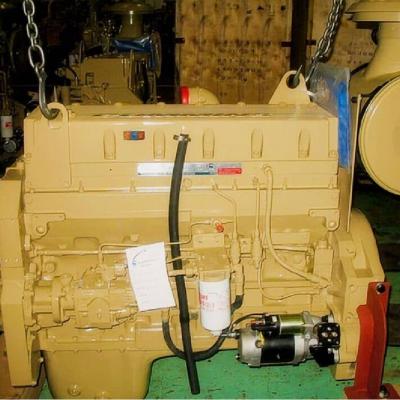
Cummins B3.9-G Series, original products from Dongfeng Cummins Engine Plant (DCEC), Cummins Joint Venture Plant since 1986, 50% shareholding by Cummins USA. This series mainly includes 4B3.9-G1-24kw, 4B3.9-G2-24kw, 4BT3.9-G1-36kw, 4BT3.9-G2-36kw, 4BTA3.9-G2-50kw, 4BTA3.9-G2-58kw, 4BTA3.9-G11-70kw.In accordance with the criteria of Machinery Safety Directive 2006/42, movable elements such as distribution belts, fans, and parts that acquire high temperatures during operation, such as exhaust manifolds, have their respective safeguards. Before being delivered, the generator is thoroughly checked at the factory. Voltage, frequency, and load are all tested, as well as the appropriate operation of warnings and the influence of engine oil temperature on stop.
Product Technical FAQ
Can the 4B3.9-G2 run continuously at 1800RPM for 60Hz power generation?
Yes. While optimized for 1500RPM (50Hz), the DCEC Cummins 4B3.9-G2 G-Drive engine can be recalibrated via governor adjustments to run at 1800RPM. This modification increases the standby output to roughly 27kW to match 60Hz grid requirements in North American and specific South American markets.
Does the engine assembly include a radiator and control panel?
HekoPower supplies this unit as a complete mechanical power pack. Customers can buy the Cummins 4B3.9-G2 engine with a pre-mounted radiator, cooling fan, safety guards, and integrated dry-element air cleaner assembly. Control panels can be added based on project specs.
How does the mechanical governor handle sudden electrical block loads?
The RSV mechanical governor reacts to sudden load drops or spikes within 3 to 5 seconds. It adjusts the fuel rack position inside the BYC inline pump to maintain stable engine speeds and prevent hazardous frequency drops across your electrical systems.
What certifications accompany a genuine DCEC engine from HekoPower?
Every engine ships with an official factory testing certificate, a unique stamped serial number traceable through the global Cummins network, and full compliance documentation for ISO9001 and ISO14001 manufacturing standards.
Is the Cummins 4B3.9-G2 fuel consumption efficient at partial loads?
Yes, the naturally aspirated design provides excellent fuel economy. While specific 4B3.9-G2 fuel consumption data depends on environmental factors and generator efficiency, the 102×120 mm cylinder design is optimized to maintain steady combustion even when the electrical load drops to 50 percent of the rated capacity.