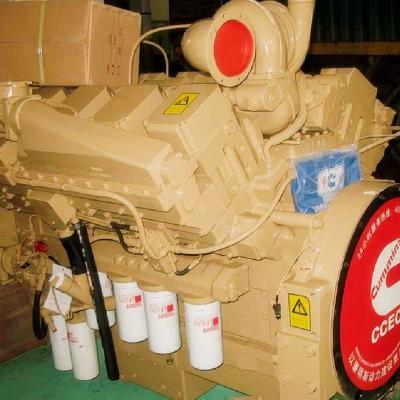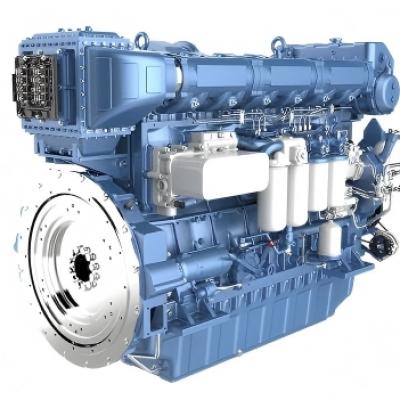
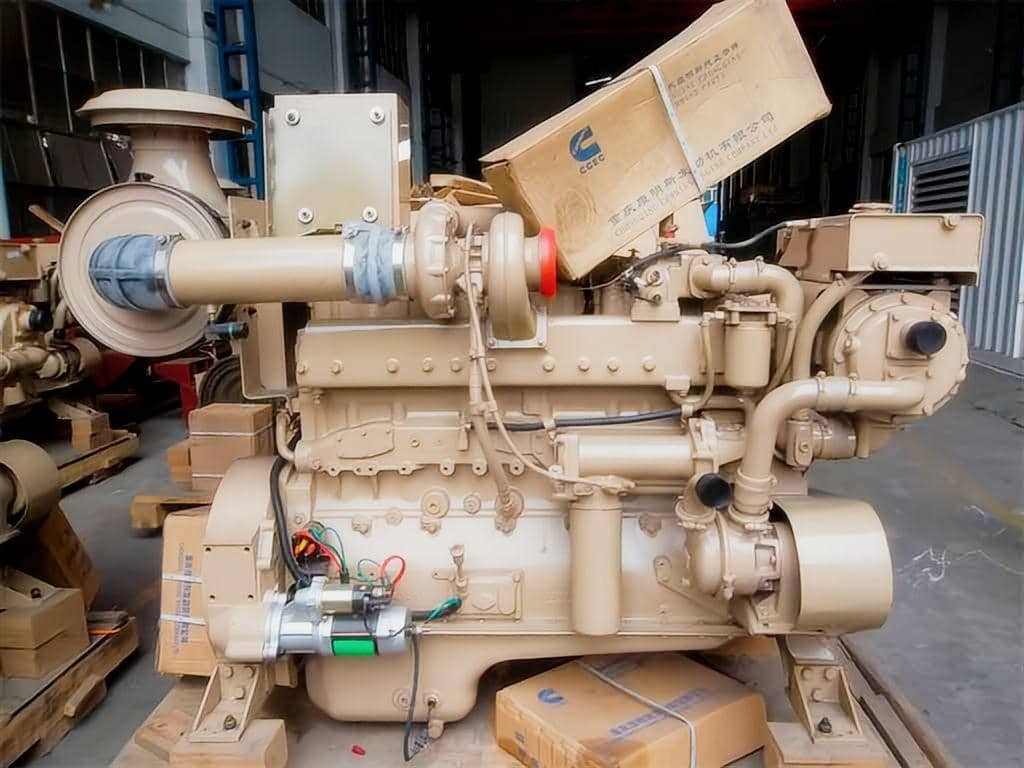
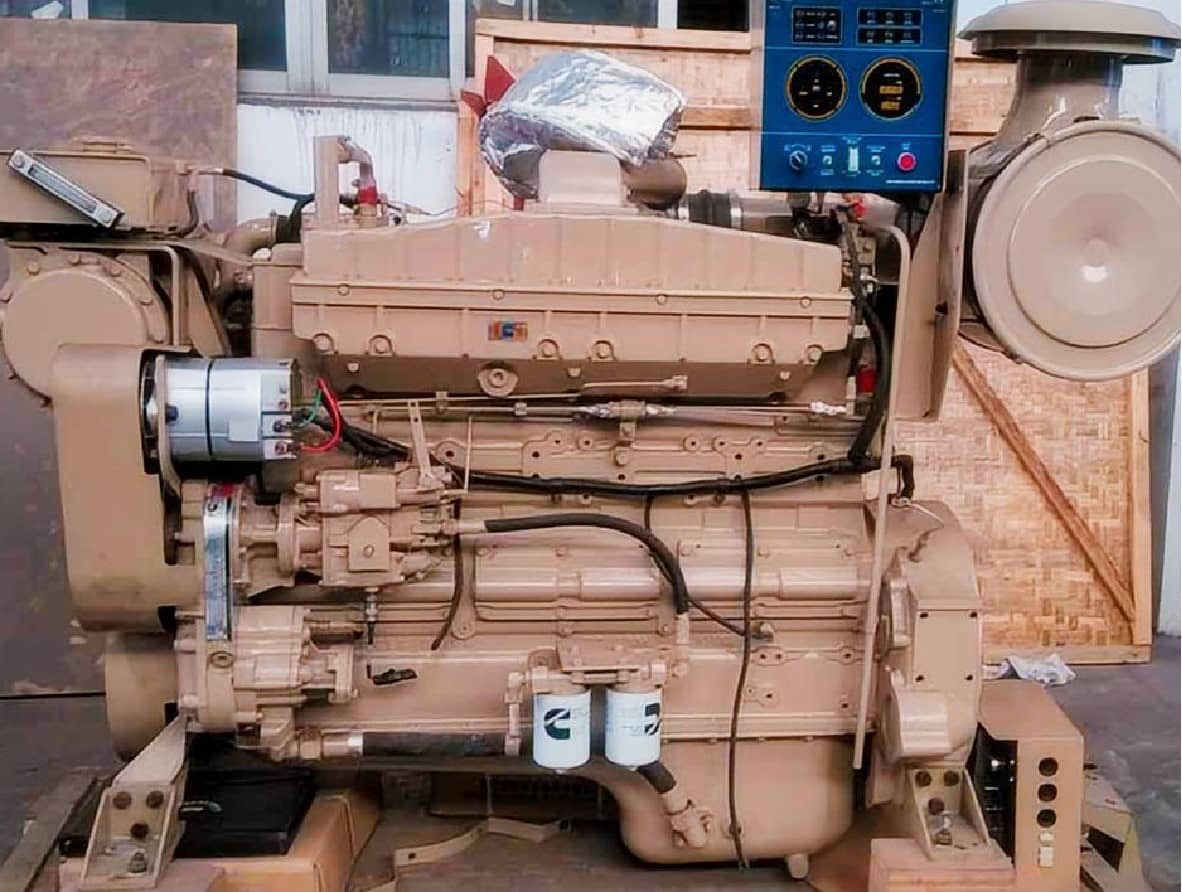
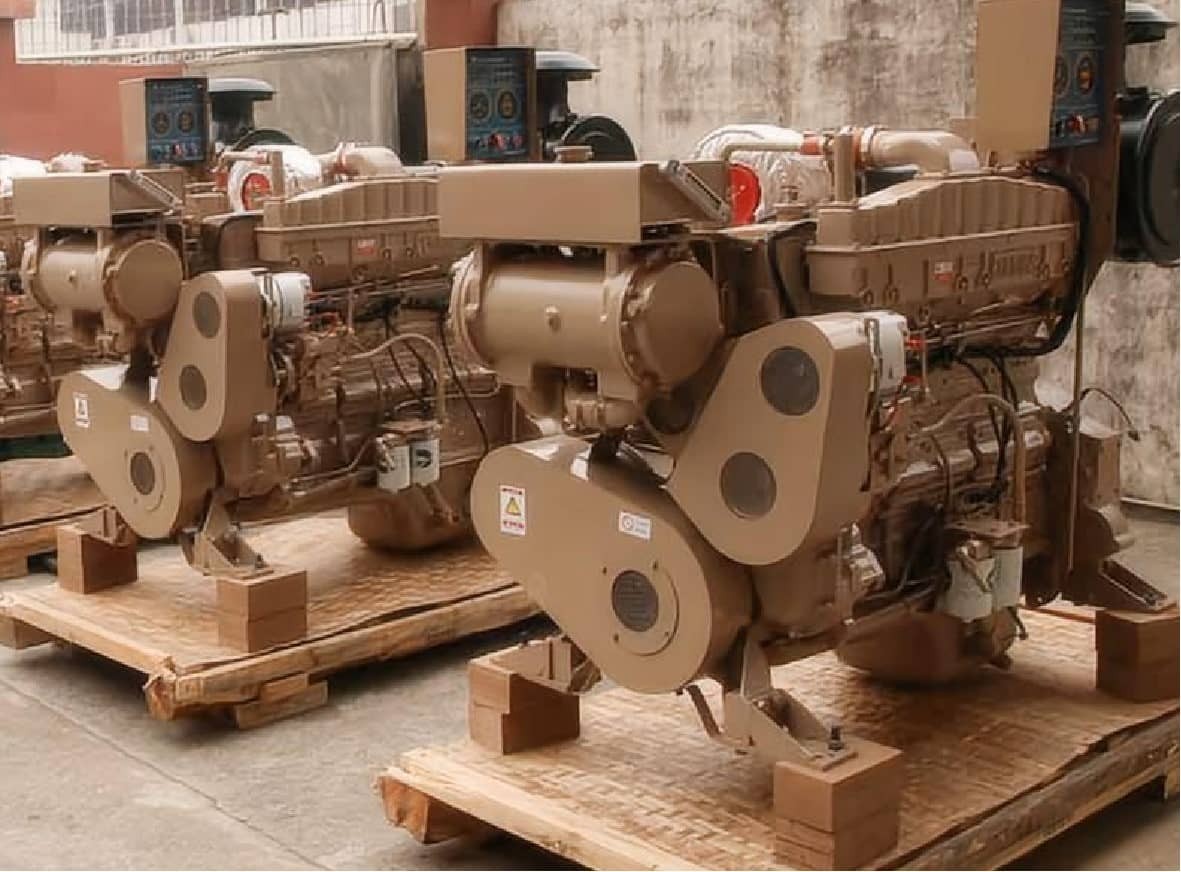
Selecting a reliable prime mover for commercial vessel electrical networks requires evaluating thermal mass, fuel metering stability, and continuous load endurance. The Cummins NTA855-DM240 marine auxiliary engine is built upon a legendary 14-liter six-cylinder inline architecture manufactured by Chongqing Cummins Engine Co., Ltd. (CCEC). Unlike standard truck or industrial variants adapted haphazardly for marine duty, this power unit is engineered from the block up to withstand continuous saltwater operating conditions.
The structural foundation relies on a precision-machined 140mm bore and 152mm stroke configuration. This exact geometric ratio provides the heavy thermal mass and mechanical leverage required to sustain a continuous 240kW output at 1500 RPM while maintaining stable 50Hz electrical frequencies for shipboard generators. Furthermore, the engine configuration number D093641MX02 dictates specific internal calibration parameters that ensure optimal combustion efficiency even when operating in high ambient engine room temperatures.
Understanding the engineering divergence between the NTA855-DM240 and adjacent models clarifies why this specific 14-liter platform dominates auxiliary deck applications. When comparing the NTA855-DM240 to the older or simpler NT855-M240, the primary differentiator lies in the thermal management architecture. The letter "A" in the NTA designation signifies an integrated aftercooler, specifically a water-to-air heat exchanger core that utilizes raw seawater to cool the compressed intake air before it enters the combustion chambers. This aftercooled design lowers manifold air temperatures, reduces thermal stress on piston crowns, and allows the engine to achieve a higher continuous power density without sacrificing component longevity.
When evaluated against higher output nodes within the same family, such as the CCEC NTA855-DM264, the DM240 is calibrated explicitly for steady-state thermal equilibrium at a 240kW rating with a 264kW overload capacity capability. While higher-rated variants push fuel injection pressures and turbocharger boost ratios to extract greater horsepower, the DM240 operates within a more conservative thermal envelope. This conservative tuning translates directly to extended overhaul intervals, lower exhaust gas temperatures, and superior fuel consumption stability when running under fluctuating auxiliary electrical loads like cargo winches and refrigeration compressors.
Deploying the NTA855-DM240 within commercial shipping operations demands an understanding of its performance under real-world maritime stress. Commercial vessels operating on multi-week ocean voyages rely on auxiliary generator sets to power critical life-support, navigation, and cargo-preservation systems. At a rated speed of 1500 RPM, the 14-liter displacement delivers a robust torque output of 1,681 N.m, allowing the genset to absorb sudden electrical block loads—such as the startup surge of heavy bow thrusters or large air conditioning compressors—without experiencing severe voltage drops or frequency sagging.
In emergency generator applications, classification societies require prime movers to achieve rapid start-up and immediate load acceptance under cold conditions. Without relying on auxiliary grid heating down to minus twelve degrees Celsius, the compression ignition dynamics of the NTA series ensure reliable ignition. The closed-loop cooling system—incorporating a dedicated raw water pump, a robust heat exchanger, and a wet exhaust manifold—isolates internal engine components from corrosive marine salts. This cooling methodology ensures that vessel operators can maintain strict adherence to international maritime safety codes without unexpected thermal shutdowns.
Executing a successful engine repower project using the NTA855-DM240 requires meticulous attention to installation geometry and fuel system upkeep. When swapping an older, fatigued auxiliary engine, verifying the exact dimensions and dry weight with flywheel ensures the unit drops cleanly into existing machinery space footprints without requiring extensive bulkhead modifications. Alignment tolerances between the flywheel housing and the main generator alternator must be measured within fractions of a millimeter to prevent premature main bearing wear and torsional vibration failures.
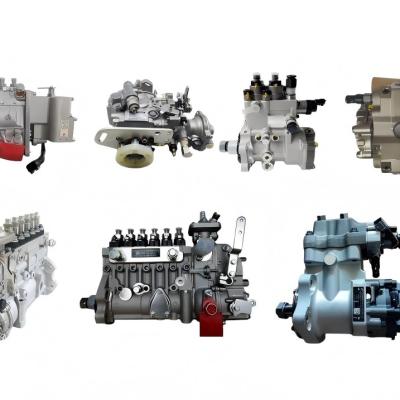
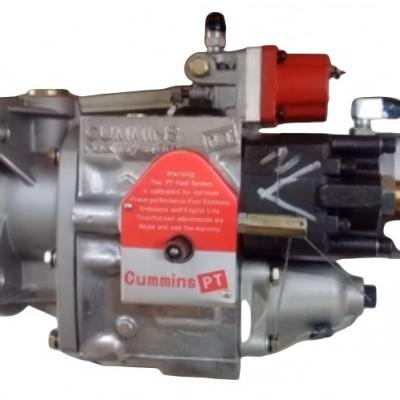
A frequent technical misconception among marine engineers involves the mechanical Cummins Pressure Time (PT) fuel system. Operators occasionally attempt to manually adjust the internal governor springs or throttle shafts of the PT fuel pump to increase power output beyond the factory 322HP rating. This practice disrupts the precise fuel consumption curve, elevates exhaust gas temperatures beyond safe metallurgical limits, and frequently leads to cracked cylinder heads or turbocharger failure. The mechanical calibration of the PT pump must remain strictly within factory specifications. Additionally, annual inspection of the raw water pump impeller and the heat exchanger tube bundle is mandatory; neglecting raw water scale buildup is the leading cause of overheating in marine auxiliary installations.
HekoPower supplies the complete CCEC Cummins marine auxiliary engine portfolio to match precise electrical power nodes across diverse commercial fleet requirements. Cummins N855-DM Series, Marine Auxiliary Engines for commercial and recreational applications, original products from Chongqing Cummins Engine Plant(CCEC). This series mainly includes NT855-DM180, NT855-DM205, NT855-DM230, NT855-DM240, NTA855-DM264, NTA855-DM284, NTA855-DM287, NTA855-DM306, NTA855-DM313,NTA855-DM317. All engines complete with sea water pump, heat exchanger, CCS/IMO certificates.
The engine is rated for a continuous output of 240 kW (322 HP) at a governed speed of 1500 RPM, with an intermittent overload capacity of up to 264 kW (354 HP) for regulated operational demands.
The integrated heat exchanger leverages raw seawater pulled by the engine-mounted sea water pump to cool a closed freshwater loop. This design provides superior thermal exchange efficiency in marine engine rooms while protecting internal cooling passages from raw water corrosion.
Engine configuration number D093641MX02 identifies the precise bill of materials assigned by CCEC. Matching this configuration when ordering replacement components ensures that internal parts—such as cylinder liners, injector plungers, and gasket kits—precisely align with the factory build specifications.
Absolutely. The NTA855-DM240 replacement for existing marine genset applications is highly popular. Its robust, straightforward mechanical design makes it an excellent NTA855-DM240 repower engine to replace complex, electronics-heavy auxiliary engines that frequently fail in harsh marine environments.