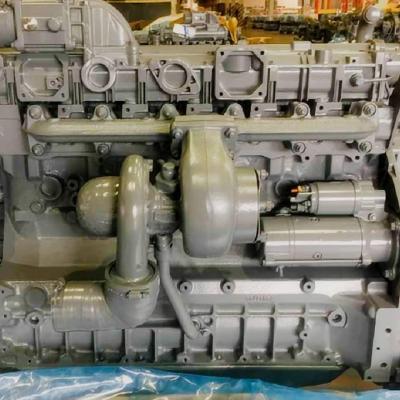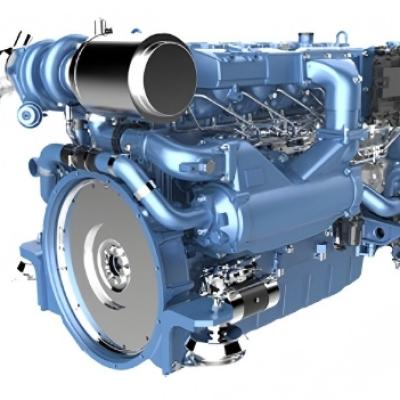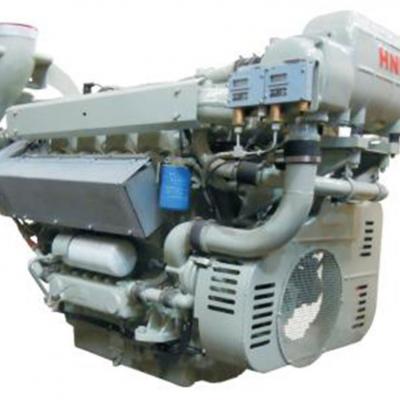
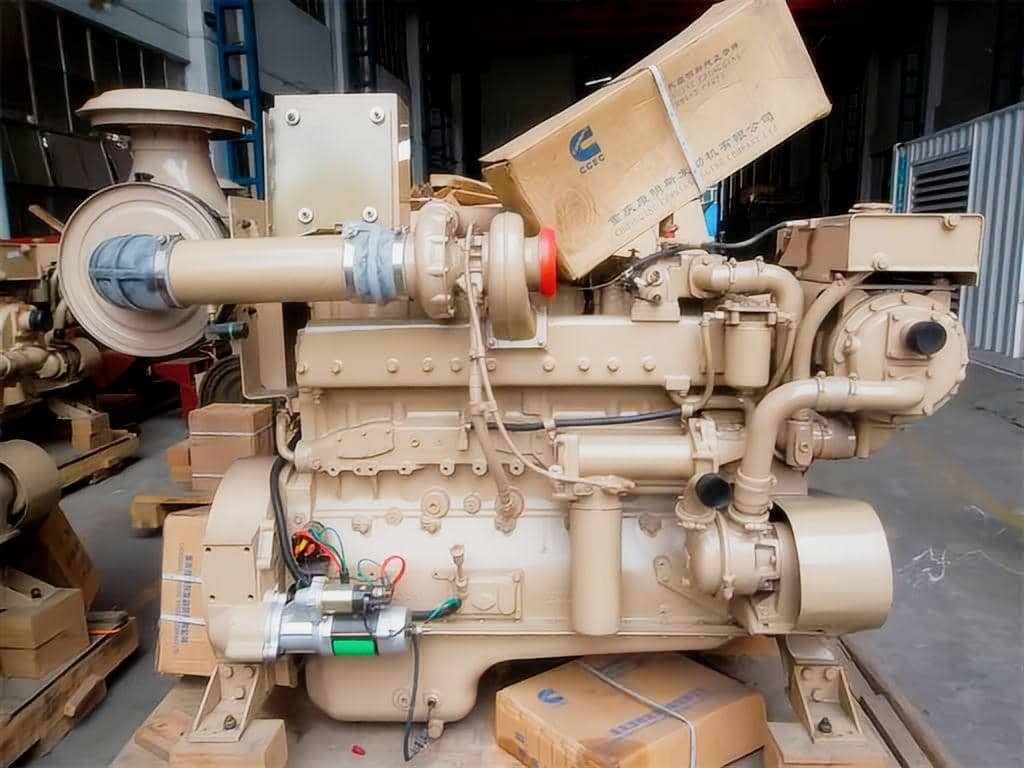
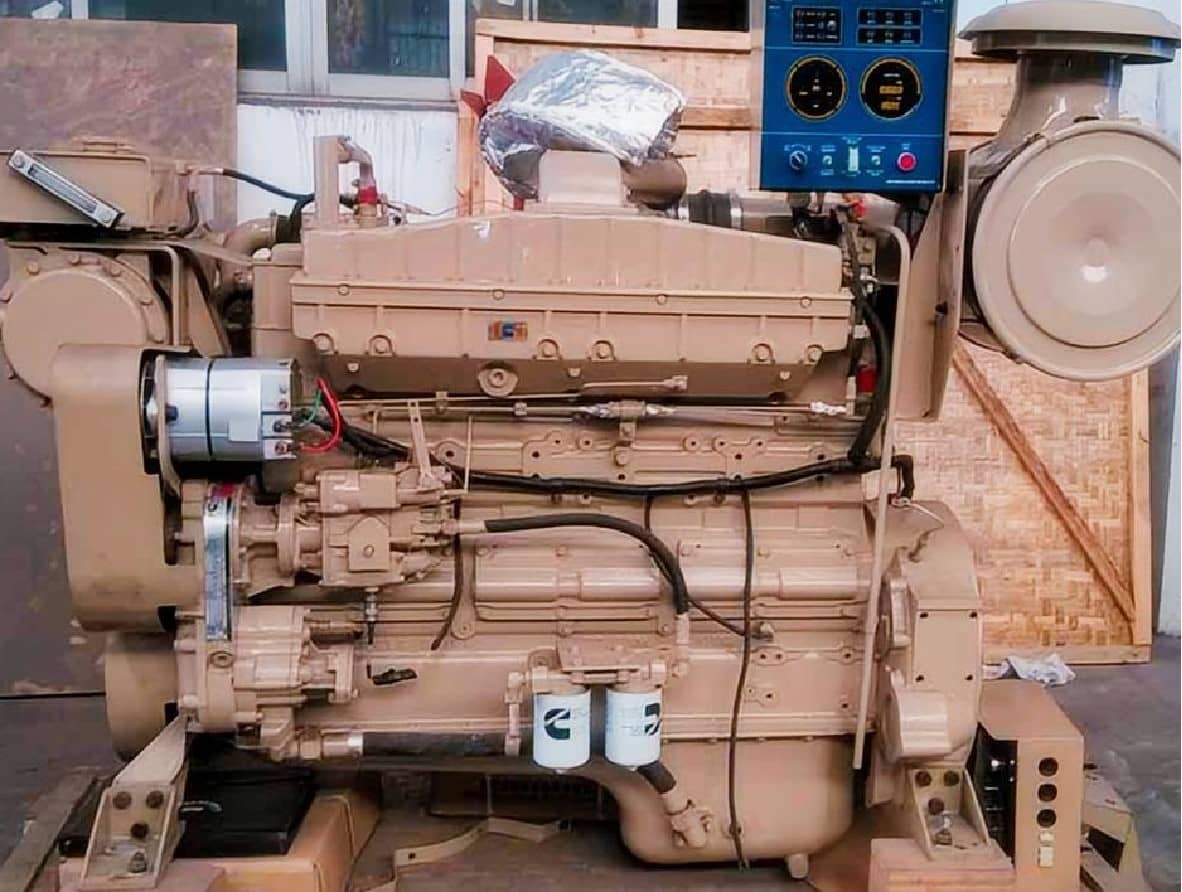
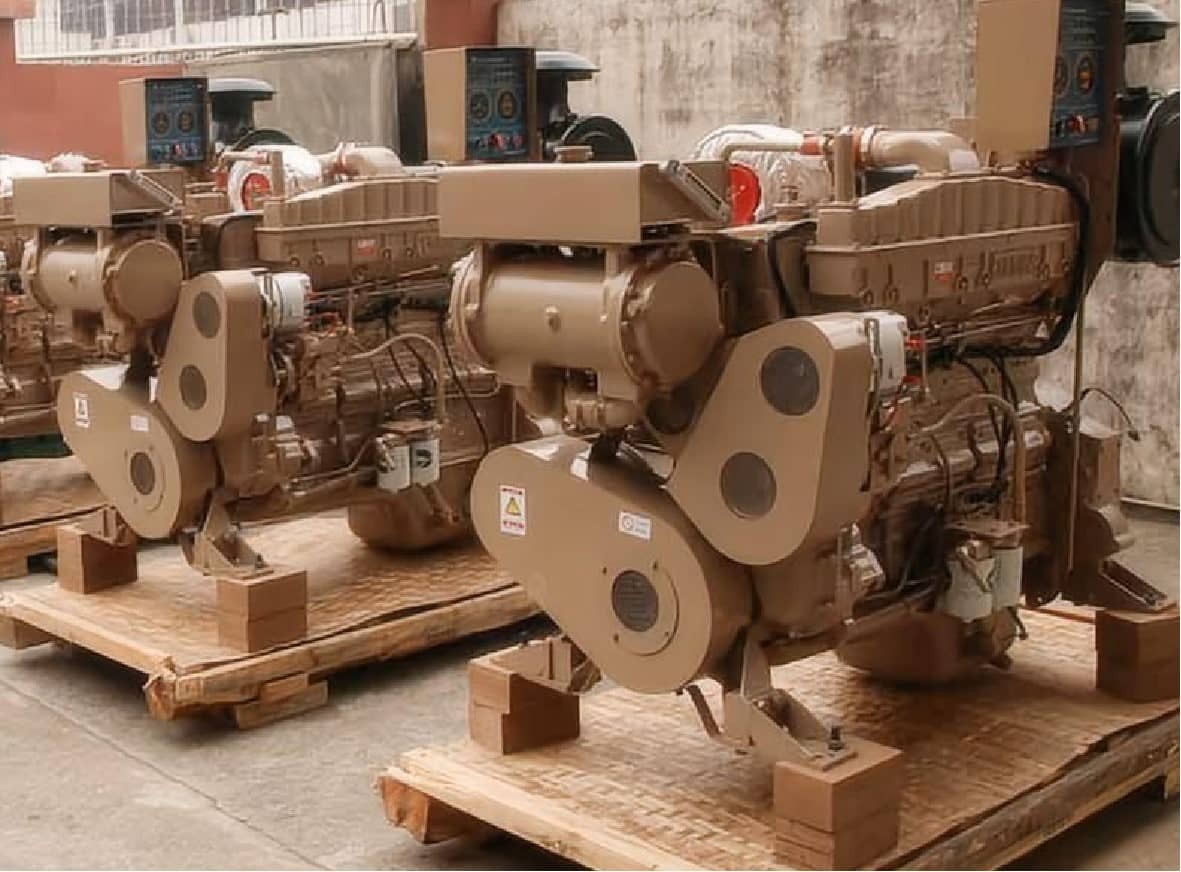
The Cummins NTA855-DM284 is a cornerstone of marine auxiliary power. Operating at a fixed 1500 RPM, this 14-litre, 6-cylinder diesel engine delivers 284 kW (380 HP) of prime continuous power. It is specifically engineered to drive marine generator sets, providing reliable electricity to shipboard systems across the globe. HekoPower supplies genuine Chongqing Cummins (CCEC) NTA855-DM284 engines, ensuring fleet operators receive robust, IMO-compliant power solutions. Our standard auxiliary packages come fully tested and documented with the necessary marine classification society certificates, making integration straightforward for shipyards, naval architects, and vessel owners.
The 284 kW output of the NTA855-DM284 makes it the ideal prime mover for a 300 kVA marine generator set. When paired with a marine-grade alternator, the engine comfortably handles the base electrical load of a commercial vessel. This includes powering navigation electronics, cargo handling winches, HVAC systems, and heavy-duty lighting. Because shipboard electrical grids demand strict frequency stability, the engine's mechanical governor and integrated PT fuel system maintain a precise 1500 RPM to deliver stable 50Hz power.
The synergy between the 14-litre displacement and the heavy rotating mass of the balanced crankshaft provides exceptional transient response. When large electric motors start on deck, the temporary surge in current can drag a smaller engine down. The robust torque reserve of the NTA855-DM284 powers through these transient spikes, preventing the generator's voltage regulator from tripping off-line.
Marine auxiliary engines face distinct operational challenges compared to terrestrial standby generators. A cargo vessel might run its auxiliary engine continuously for weeks while navigating congested waterways or running cargo operations at port. The NTA855-DM284 thrives in these heavy-duty cycles. The robust cast-iron block and single-piece aluminium pistons withstand prolonged operation at high load factors.
Oil management is a critical factor in these continuous applications. The engine accommodates a large capacity 37-litre oil pan, which safely extends the oil change intervals during long voyages. Furthermore, the pre-lubrication system pressurises the engine's oil galleries before the starter motor engages, protecting the crankshaft bearings from dry starts after a long period of standby.
Selecting the correct engine model requires matching the vessel's electrical requirements with the engine's optimal operating speed. A common engineering decision involves choosing between the DM264, DM284, and DM287 variants.
The primary distinction lies in rotational speed. The DM284 operates at 1500 RPM, making it the standard choice for European and Asian vessels utilising 50Hz electrical systems. Conversely, the DM287 runs at 1800 RPM, which is necessary for North American standard 60Hz grids. The DM264 serves as a slightly de-rated option for vessels with lower power demands, prioritising fuel economy over maximum total output. HekoPower assists engineering teams in selecting the exact model based on the target frequency and total shipboard load.
Cooling a marine engine in the cramped confines of a hot engine room requires highly efficient thermal management. The NTA855-DM284 is primarily supplied with a heat exchanger configuration. In this setup, an engine-driven seawater pump draws ambient ocean water through a tube-and-shell heat exchanger, cooling the enclosed jacket water circuit. This method is highly efficient but requires regular inspection of the seawater pump impeller and the clearing of sea strainers.
Alternatively, some vessels utilise keel cooling. In a keel-cooled configuration, the engine's jacket water circulates through a network of pipes attached to the exterior of the ship's hull, using the surrounding ocean as a giant radiator. Keel cooling eliminates the need for an engine-mounted seawater pump and raw water strainers, greatly simplifying routine maintenance. However, it requires a more complex initial hull design. HekoPower provides technical installation datasheets for both configurations to ensure the shipyard can route the plumbing correctly.
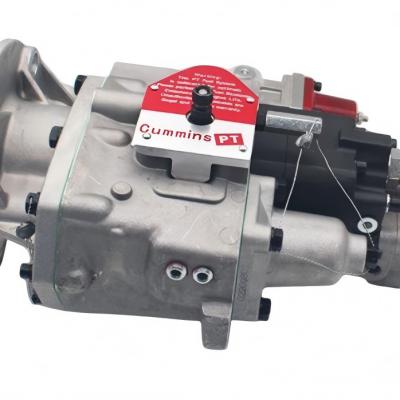
The heart of the NTA855 series is the proprietary Cummins Pressure-Time (PT) fuel system. Unlike modern electronic common-rail systems, the PT system relies on mechanical camshaft actuation and a low-pressure fuel gear pump. The pump regulates fuel pressure based on engine speed and throttle position, while the time the injector remains open determines the exact fuel volume delivered to the cylinder.
Maintaining the PT system requires strict adherence to fuel cleanliness. The NTA855-DM284 features dual spin-on fuel filters to separate impurities down to 10 microns. Engine room operators must drain the water separators daily. Injector replacement is a standard part of the mid-life overhaul. The ceramic components within the premium injectors offer extended durability, but poor fuel quality will accelerate wear. HekoPower supplies genuine PT pump rebuild kits and calibrated injectors to keep fuel consumption at the factory specification of approximately 70 litres per hour at full load.
For heat exchanger models, the seawater cooling circuit is the most vulnerable system. The raw seawater pump utilises a rubber impeller that can degrade or shear if the engine ingests debris or runs dry. Marine engineers should inspect the impeller annually and replace it every two years as preventative maintenance.
The heat exchanger itself contains sacrificial zinc anodes. These pencil-shaped anodes corrode preferentially to protect the expensive metal cooling components from galvanic corrosion. The anodes must be checked monthly and replaced when half depleted. Furthermore, the jacket water aftercooler requires regular flushing to remove scale buildup, which can restrict airflow and elevate intake manifold temperatures. A complete top-end overhaul is typically scheduled between 10,000 and 15,000 operating hours. During this service, technicians inspect the cylinder head valves, replace the nitride-coated piston rings, and assess the hardened cylinder liners for wear. HekoPower supplies complete gasket kits to ensure the rebuilt engine remains leak-free for its next operational lifecycle.
Cummins N855-DM Series, Marine Auxiliary Engines for commercial and recreational applications, original products from Chongqing Cummins Engine Plant(CCEC). This series mainly includes NT855-DM180, NT855-DM205, NT855-DM230, NT855-DM240, NTA855-DM264, NTA855-DM284, NTA855-DM287, NTA855-DM306, NTA855-DM313,NTA855-DM317. All engines complete with sea water pump, heat exchanger, CCS/IMO certificates.
A frequent misconception is that an auxiliary engine and a propulsion engine of the same engine block are interchangeable. This is strictly incorrect. The NTA855-DM284 is an auxiliary engine, indicated by the 'DM' designation, meaning it features a fixed-speed governor optimised to hold exactly 1500 RPM under varying electrical loads. Propulsion engines, designated by an 'M', have variable-speed governors designed to respond to throttle changes from the bridge and drive a propeller. Using a propulsion engine for a generator set will result in severe electrical frequency instability.
The Control Parts List (CPL) code is a critical identifier for engine configuration. The NTA855-DM284 operates under CPL code CQ126. This code dictates the exact combination of fuel pump calibration, injector part numbers, piston type, and turbocharger used to achieve the certified emission and power levels. When ordering spare parts from HekoPower, providing the CPL code ensures perfect compatibility. Additionally, this engine complies with IMO Tier II NOx regulations. HekoPower can arrange for China Classification Society (CCS) inspection and certification prior to dispatch.
The standard scope of supply provides a complete, runnable engine ready for alternator coupling. It includes the base engine block, PT fuel pump, turbocharged and water-air intercooled aspiration system, 24V electric starter motor, and a 100-amp alternator. The standard configuration utilises a dry-type exhaust manifold and turbocharger, along with a primary silencer. HekoPower also includes the engine-mounted heat exchanger, dual spin-on oil and fuel filters, and the local instrument panel. If a water-cooled exhaust system is required for passenger vessel safety compliance, we provide that modification prior to shipping.
Shipping heavy industrial machinery requires specialised packaging. The dry weight of the NTA855-DM284 engine alone is approximately 1315 kg. When fully dressed with the heat exchanger and standard accessories, the weight increases to 1420 kg. For international export, HekoPower secures the engine to a heavy-duty steel skid and encloses it in a fumigated wooden case to protect against moisture and impact during ocean transit. The standard overall dimensions are approximately 1975 mm in length, 934 mm in width, and 1598 mm in height. We manage all logistics from our facility to your designated port, ensuring the equipment arrives ready for installation.