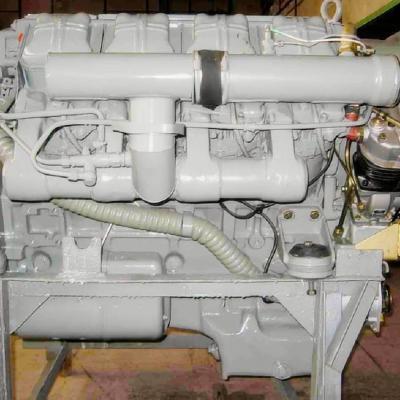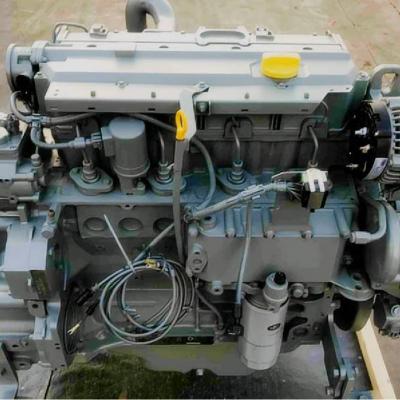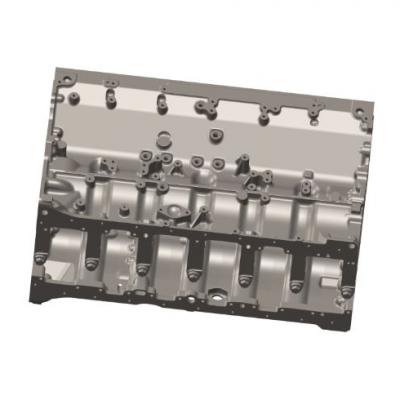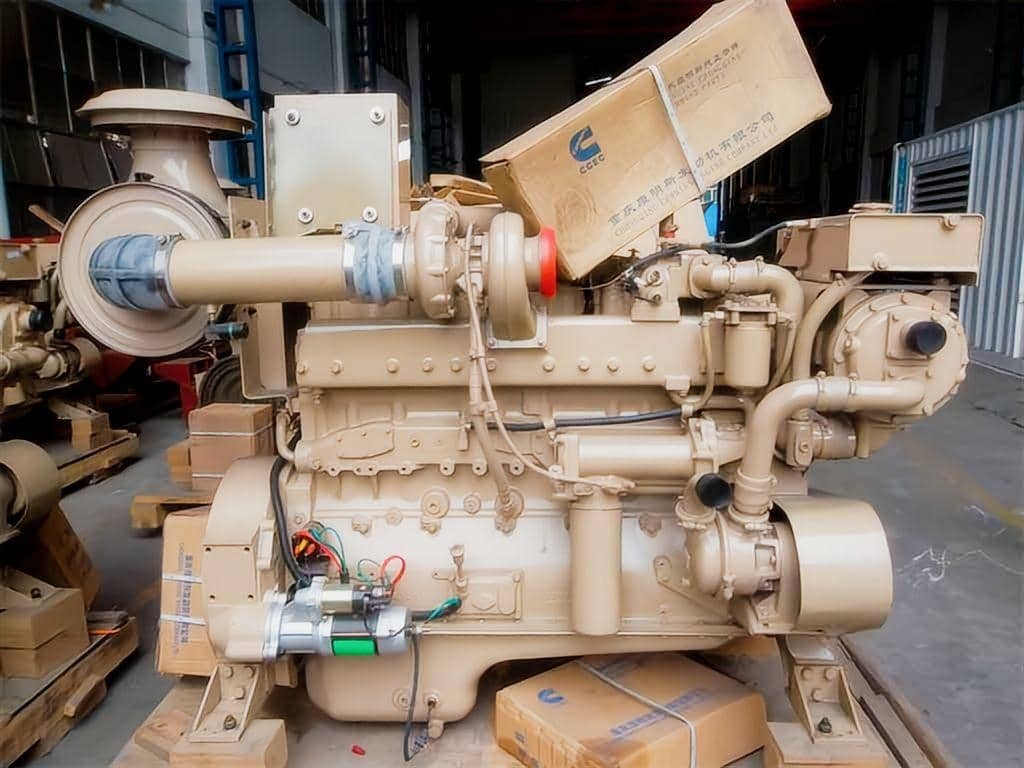
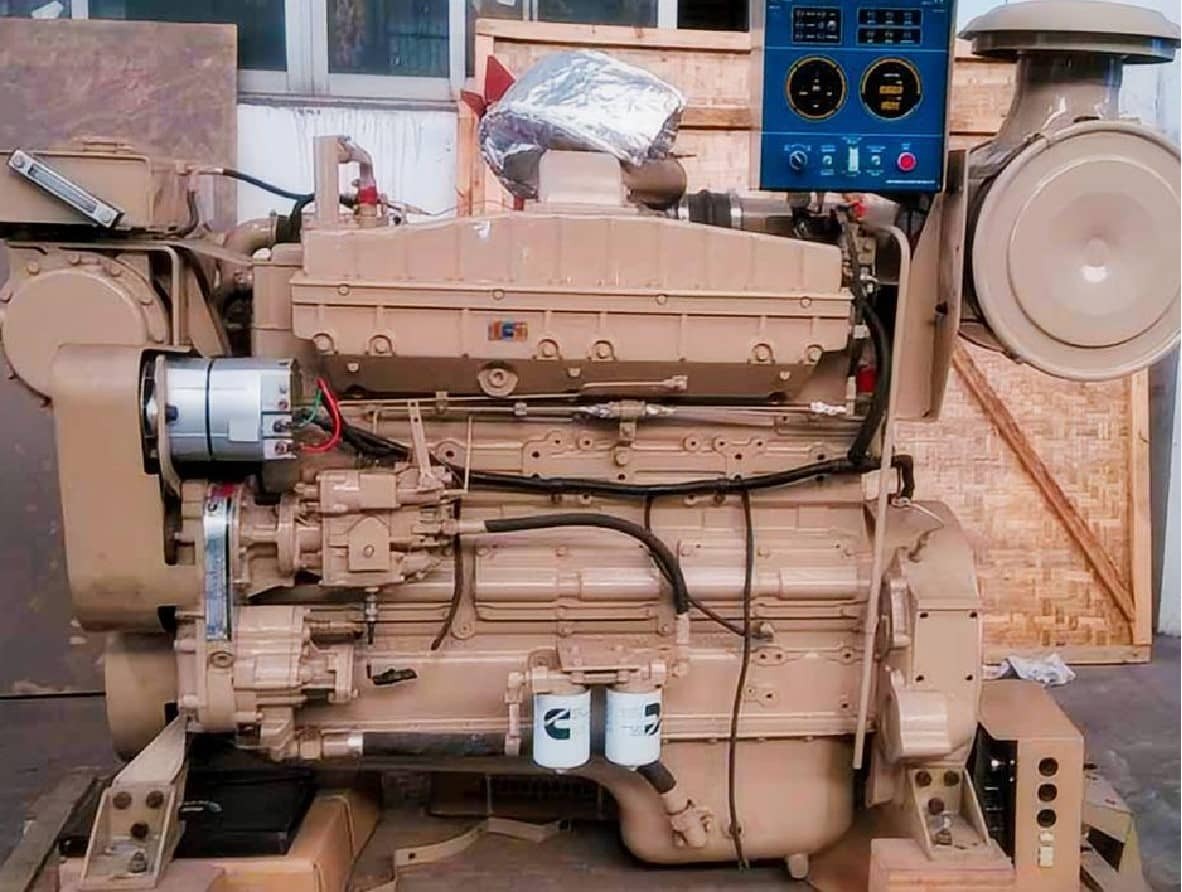
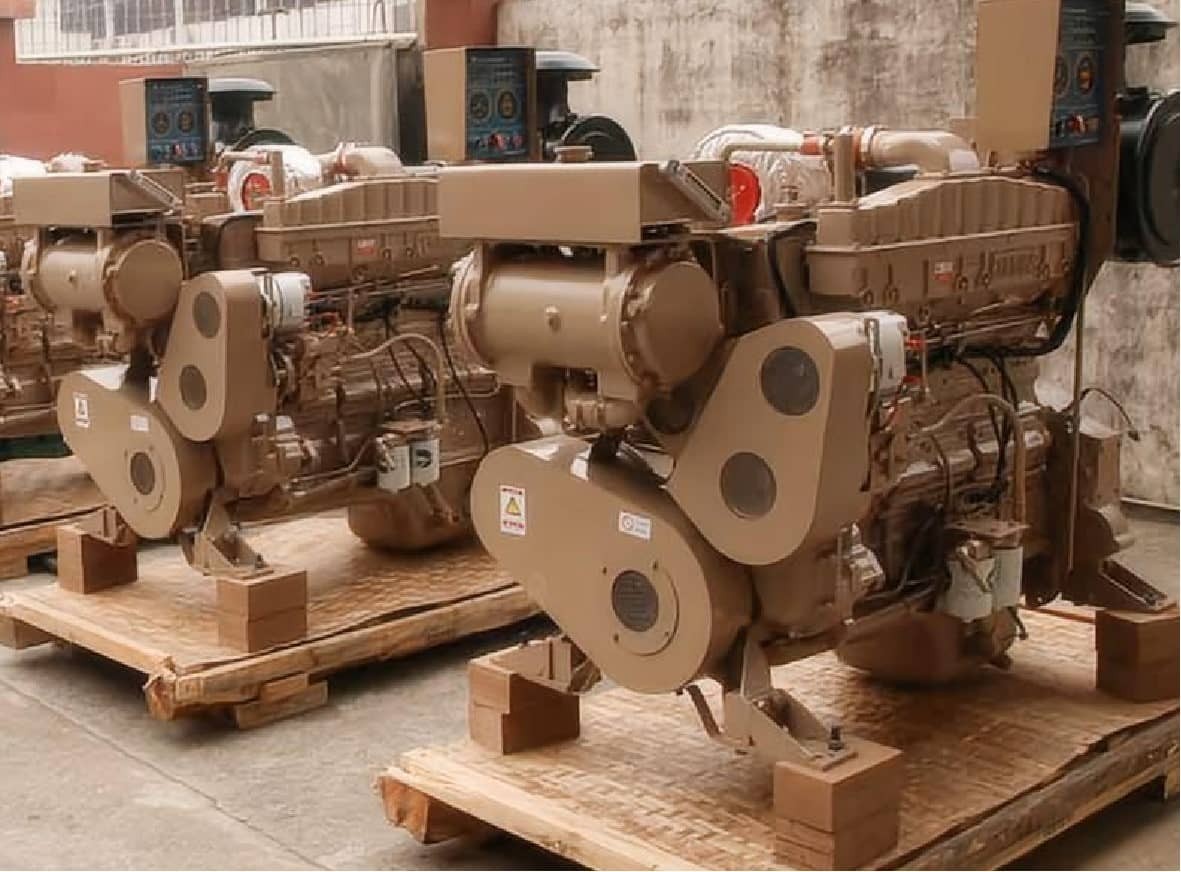
The Chongqing Cummins NT855-DM180 stands as a benchmark in auxiliary marine propulsion and electrical generation power plants. Built around a robust 14-liter, six-cylinder inline architecture with a 140mm bore and 152mm stroke, this engine delivers a reliable continuous output of 180kW (241HP) at 1500 RPM. Designed specifically to meet the rigorous demands of commercial marine electrical grids operating at 50Hz, the NT855-DM180 bridges the gap between heavy-duty endurance and precise governor response.
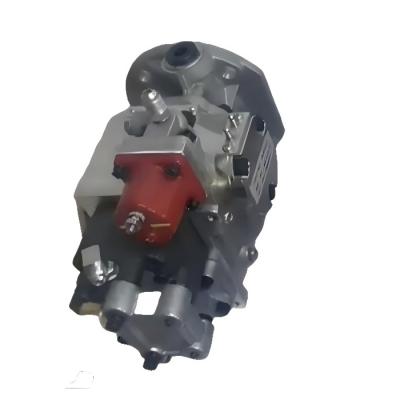
Unlike standard vehicular or industrial variants, marine auxiliary engines must maintain thermal equilibrium and stable frequency regulation under fluctuating shipboard electrical loads. The integration of Cummins' proven PT (Pressure Time) fuel system ensures that fuel metering is exceptionally precise, reducing combustion noise and minimizing exhaust emissions across varying operational thresholds. Vessel operators relying on steady auxiliary power find that this specific displacement-to-output ratio prevents thermal fatigue during prolonged voyages.
Deploying the NT855-DM180 requires understanding its optimal operating environment within modern commercial fleets. This engine is engineered primarily to drive shipboard auxiliary generator sets aboard coastal cargo vessels, harbor tugs, river transport barges, and mid-sized fishing processors.
When installed in a 50Hz marine generator configuration, the engine pairs seamlessly with synchronous alternators to supply primary ship service electricity for winches, bow thrusters, refrigeration units, and vessel accommodation loads. A common misconception among buyers is that auxiliary engines can be operated indefinitely at maximum overload capacity; however, the NT855-DM180 is optimized for prime continuous rating (COP) where steady-state thermal management guarantees extended overhaul intervals. The inclusion of a factory-matched seawater pump and shell-and-tube heat exchanger cooling system ensures rapid dissipation of thermal energy even when operating in high-salinity, warm-water equatorial shipping lanes.
Selecting the correct auxiliary engine often involves evaluating closely related models within the Cummins NT855 family. When comparing the NT855-DM180 against higher-output variants such as the NT855-DM205 or NTA855-DM240, engineers must look beyond nominal horsepower ratings.
The DM180 is naturally aspirated or turbo-charged with a fixed-geometry configuration tuned explicitly for conservative thermal loading at 180kW. In contrast, higher-output models introduce more aggressive turbocharging and intercooling strategies to achieve 205kW or 241kW+ outputs. While those models deliver higher electrical capacity, they demand stricter intake air temperature monitoring and higher-grade cooling water flow rates. For vessels where uninterrupted reliability under continuous base load takes precedence over peak output spikes, the NT855-DM180 offers superior mechanical longevity and lower specific fuel consumption curves at 50 to 75 percent partial loads.
Maximizing the operational lifespan of the CCEC NT855-DM180 requires adherence to strict maintenance protocols tailored to marine environments. Because raw seawater is utilized in the secondary cooling loop, sacrificial zinc anodes within the heat exchanger must be inspected and replaced every 250 operating hours to prevent galvanic corrosion of the core bundles.
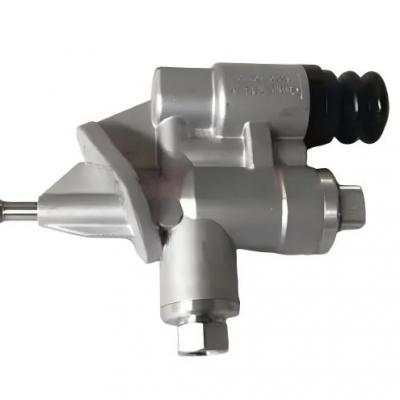
The PT fuel pump requires regular calibration and the replacement of internal filter screens to prevent particulate accumulation from bunkered marine diesel. When sourcing overhaul replacement parts—such as cylinder liners, piston rings, and injector components—procuring genuine CCEC components ensures dimensional tolerances match the original factory build sheet (D092642MX02 configuration standards). During top-end overhauls, technicians should verify valve bridge clearances and injector drop settings with extreme precision to maintain optimal fuel efficiency at 1500 RPM.
When evaluating power requirements for auxiliary generator installations, exploring related configurations across our catalog helps ensure the exact vessel matching. Cummins N855-DM Series, Marine Auxiliary Engines for commercial and recreational applications, original products from Chongqing Cummins Engine Plant(CCEC). This series mainly includes NT855-DM180, NT855-DM205, NT855-DM230, NT855-DM240, NTA855-DM264, NTA855-DM284, NTA855-DM287, NTA855-DM306, NTA855-DM313,NTA855-DM317. All engines complete with sea water pump, heat exchanger, CCS/IMO certificates.
As a professional CCEC engine supplier, HekoPower provides engines that support compliance with major marine classification standards, including CCS (China Classification Society) and IMO Tier requirements upon request.
Installing this 180 kW marine generator engine with sea water pump requires specific foundational planning. Shipyards must account for the CCEC NT855 14-liter marine engine dimensions and footprint to ensure adequate ventilation and maintenance access. The engine requires flexible mounting systems to reduce vibration transfer to the hull, and proper routing for the seawater intake and exhaust systems.
The system utilizes a closed-loop jacket water circuit to cool the engine block, which is subsequently cooled by a raw seawater circuit running through a corrosion-resistant cupronickel shell-and-tube heat exchanger driven by an engine-mounted seawater pump.