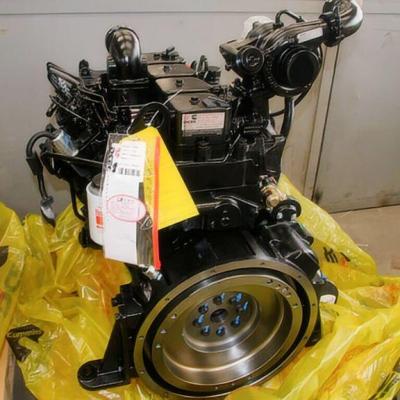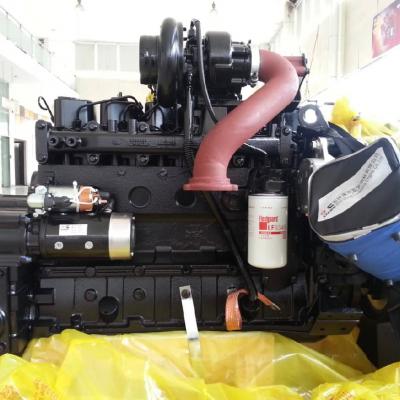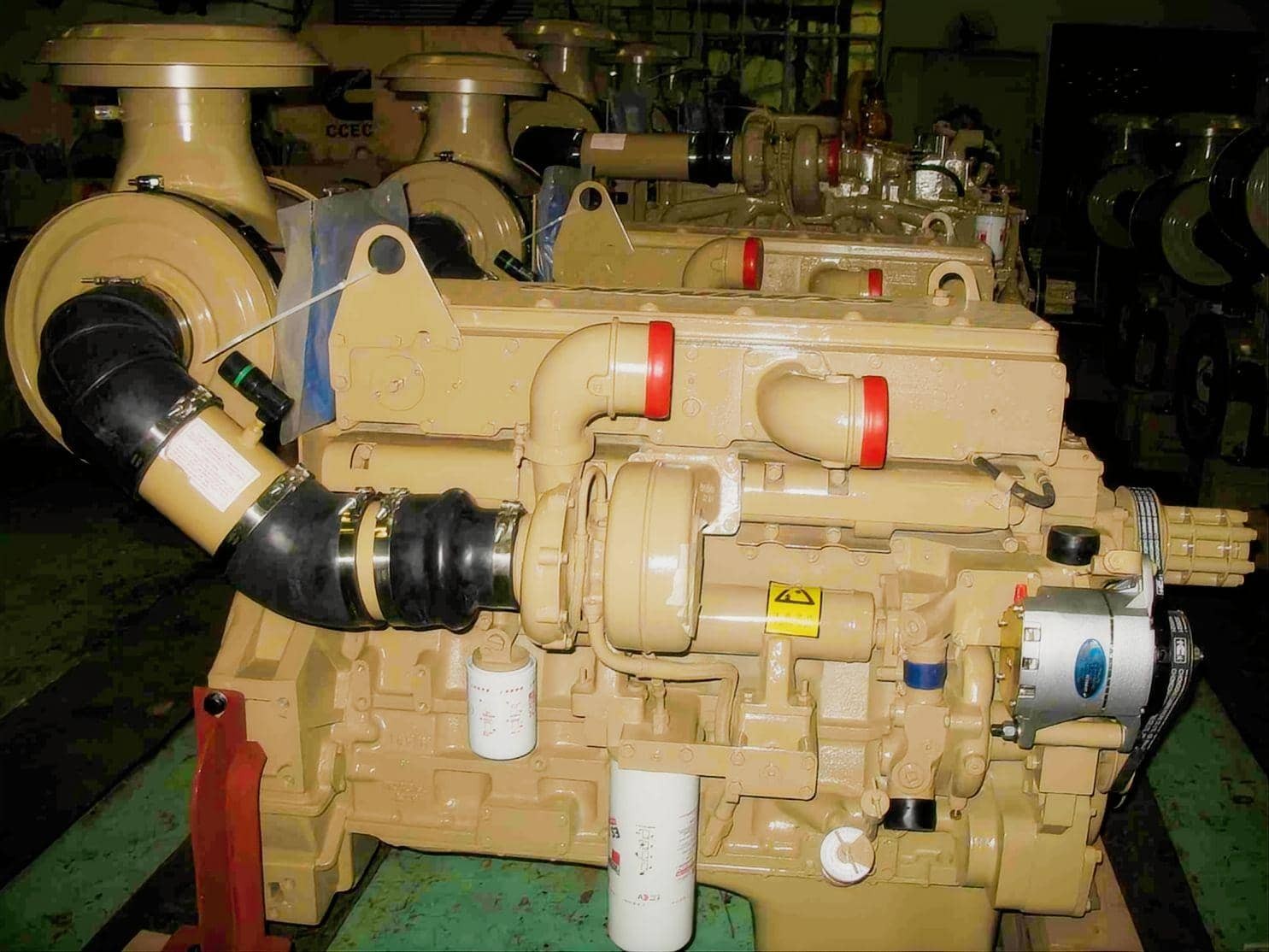
Details
Engineering Superiority and Performance Dynamics of the Cummins M11-C270
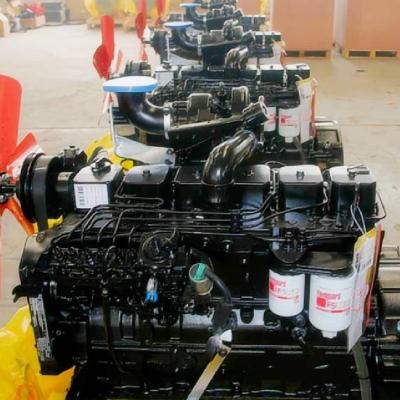
When machinery operators and equipment fleet managers evaluate heavy-duty diesel options, the balance between volumetric displacement and structural durability dictates long-term operational viability. The CCEC Cummins M11-C270 stands out in the 10.8-liter class not merely because of its nominal 270 horsepower output, but due to its torque delivery profile. Operating at a rated speed of 2100 RPM, this inline six-cylinder engine manages high shock loads typical of heavy construction sites without compromising thermal efficiency.
A common misconception among equipment buyers is that higher horsepower ratings automatically translate to superior performance in earthmoving machinery. In practice, mid-range industrial applications demand stable torque backup rather than peak horsepowers achieved at unsustainable RPMs. The M11-C270 delivers a robust peak torque of 1248 N.m at a low 1300 RPM. This characteristic ensures that excavators and large wheel loaders maintain hydraulic pump pressure and track traction when biting into compacted soil or rocky overburden, preventing engine lugging and reducing mechanical stress on the transmission drivetrain.
Tech Specs of Cummins M11-C270
General Engine Data
Engine Model: Cummins M11-C270
Type: 6 Cylinders in Line
Displacement: 10.8 L
Bore * Stroke: 125 * 147
Overall Dimension: 1450mm*950mm*1010mm
Net Weight (with flywheel & alternator): 980 Kg
Key Performance Data
Rated Power: 201 kW/270HP
Rated Speed: 2100 rpm
Max Torque/Speed: 1288 N.m @ 1300 rpm
Max. No-Load Speed: 2450 rpm
Fuel Consumption @ Rated Power: 64.4 L/hr
Idle Speed: 675-750 rpm
Max. Continuous Running Altitude: 3048 m
More Technical Data
Certification: Tier 1
Aspiration: Turbocharged-Intercooled
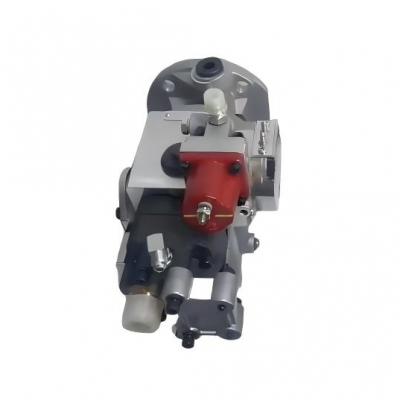
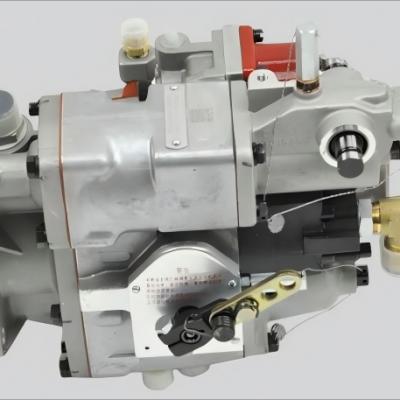
Fuel System: Direct Injection PT Pump, STC
Compression Ratio: 16.1:1
Electrical System (Starter Motor/Alternator): 12V/24V
Lowest Starting Temp Without auxiliary system: -12℃
Cooling Method: Water cooled
Engine Cooling Fluid Volume: 9.5 L
Technical Comparisons Within the M11 Series Landscape
Evaluating the M11 platform requires looking closely at how fuel calibration and air-handling configurations alter operational output. Unlike lighter duty variants in the Cummins portfolio, the M11 architecture relies on an integrated cylinder block and head design that eliminates external coolant lines across the deck face, drastically mitigating the risk of gasket failure under high thermal loads.
When compared against its lower sibling, the M11-C250, the C270 configuration utilizes recalibrated fuel timing and distinct injector sizing within the PT system to release an additional 20 horsepower while maintaining identical displacement and block dimensions. This allows equipment operators to achieve higher cycle rates in excavators without scaling up engine bay footprints or modifying chassis mount brackets. Conversely, when stacked against higher-output versions like the M11-C300, the C270 operates at a more conservative thermal threshold. This lower thermal loading reduces exhaust gas temperatures during sustained continuous operation, yielding extended valve train life and lower turbocharger wear rates in dusty construction environments. Furthermore, unlike electronic fuel-injected engines that require specialized diagnostic laptops for basic troubleshooting, the mechanical governor interface and PT fuel architecture of the CCEC M11-C270 allow field technicians in remote regions to diagnose fuel pressure anomalies and execute adjustments using conventional pressure gauges and mechanical hand tools.
Real-World Construction Scenarios and Equipment Compatibility
The versatility of the Cummins M11 Construction Diesel Engine stems from its adaptability across multiple heavy equipment categories. In heavy crawler excavators operating within open-pit quarries, the engine's compact 10.8-liter envelope fits neatly into narrow side-service compartments while providing the sustained hydraulic flow required for heavy bucket breakout forces.
Beyond excavators, this complete engine assembly is frequently specified for large vibratory soil compactors, high-capacity material handlers, and heavy-duty industrial pumps. In these applications, the combination of a water-air intercooler and a robust turbocharger ensures that dense, oxygen-rich air enters the combustion chambers even when operating at elevated ambient temperatures or moderate altitudes. HekoPower verifies each complete engine assembly prior to export, ensuring that the flywheel housing, starter motor position, and oil pan configuration align precisely with original equipment specifications for seamless drop-in replacement.
Proactive Maintenance, Fuel System Care, and Replacement Guidance
Achieving the expected service life from a heavy-duty industrial diesel engine requires strict adherence to maintenance intervals, particularly regarding the proprietary Pressure-Time (PT) fuel system. The PT fuel injectors operate under unique internal pressures governed by the gear pump and governor rather than high-pressure rail lines. Consequently, maintaining clean fuel filtration down to industry-standard micron ratings is critical to prevent microscopic scoring of the injector plunger barrels.
When performing an engine overhaul or complete replacement, technicians must always cross-reference the Control Parts List (CPL) stamped on the engine data plate. Relying solely on marketing model names can lead to discrepancies in accessory drive pulley ratios or exhaust manifold angles. If an operator experiences unexpected power loss during heavy digging cycles, maintenance personnel should first check the fuel manifold pressure upstream of the PT pump before suspecting internal mechanical wear. Similarly, engine overheating in construction machinery is frequently caused by external debris clogging the water-air intercooler fins rather than failure of the water pump or thermostat. Keeping the cooling matrix free of particulate buildup ensures that heat rejection rates remain within design tolerances during heavy summer workloads.
Series Integration
Cummins M11-C Series, original products from Chongqing Cummins Engine Plant(CCEC). This series mainly includes M11-C225, M11-C245, M11-C250, M11-C265, M11-C270, M11-C275, M11-C280, M11-C290, M11-C300, M11-C310, M11-C315, M11-C320, M11-C330, M11-C335, M11-C350.
Frequently Asked Questions (FAQ)
What is the primary difference in fuel delivery between the M11-C270 and electronic Cummins engines?
The M11-C270 utilizes a mechanical PT (Pressure-Time) fuel system with optional STC (Step Timing Control), which regulates fuel pressure through a gear pump and mechanical governor rather than complex electronic control modules and high-pressure common rail injectors.
Can I replace my M11-C270 with a higher power model like the M11-C300?
In many cases, yes, but you must verify that your machine's cooling package (radiator and charge-air cooler) and hydraulic pump torque limits can handle the additional heat and load of a 300 HP engine.
Can the M11-C270 engine be used for repowering older construction machinery brands?
Yes, because of its standardized mounting dimensions and mechanical fuel control architecture, it is frequently utilized as a direct repowering solution for heavy construction equipment where electronic wiring harnesses from newer tier engines would require extensive modifications.
What routine checks should be performed on the PT fuel pump during scheduled maintenance?
Technicians should regularly inspect fuel supply pressure, check for external fuel weeping around the throttle shaft seals, and ensure that primary and secondary fuel-water separators are drained daily to prevent moisture contamination in the injector rail.