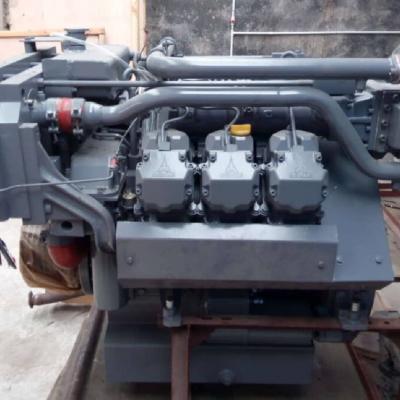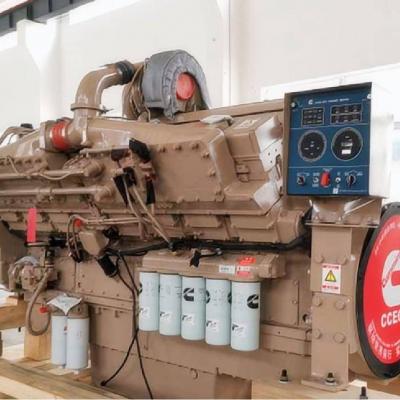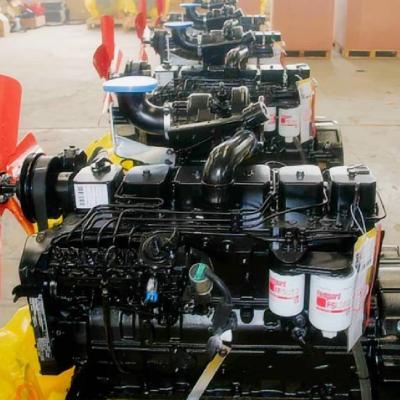
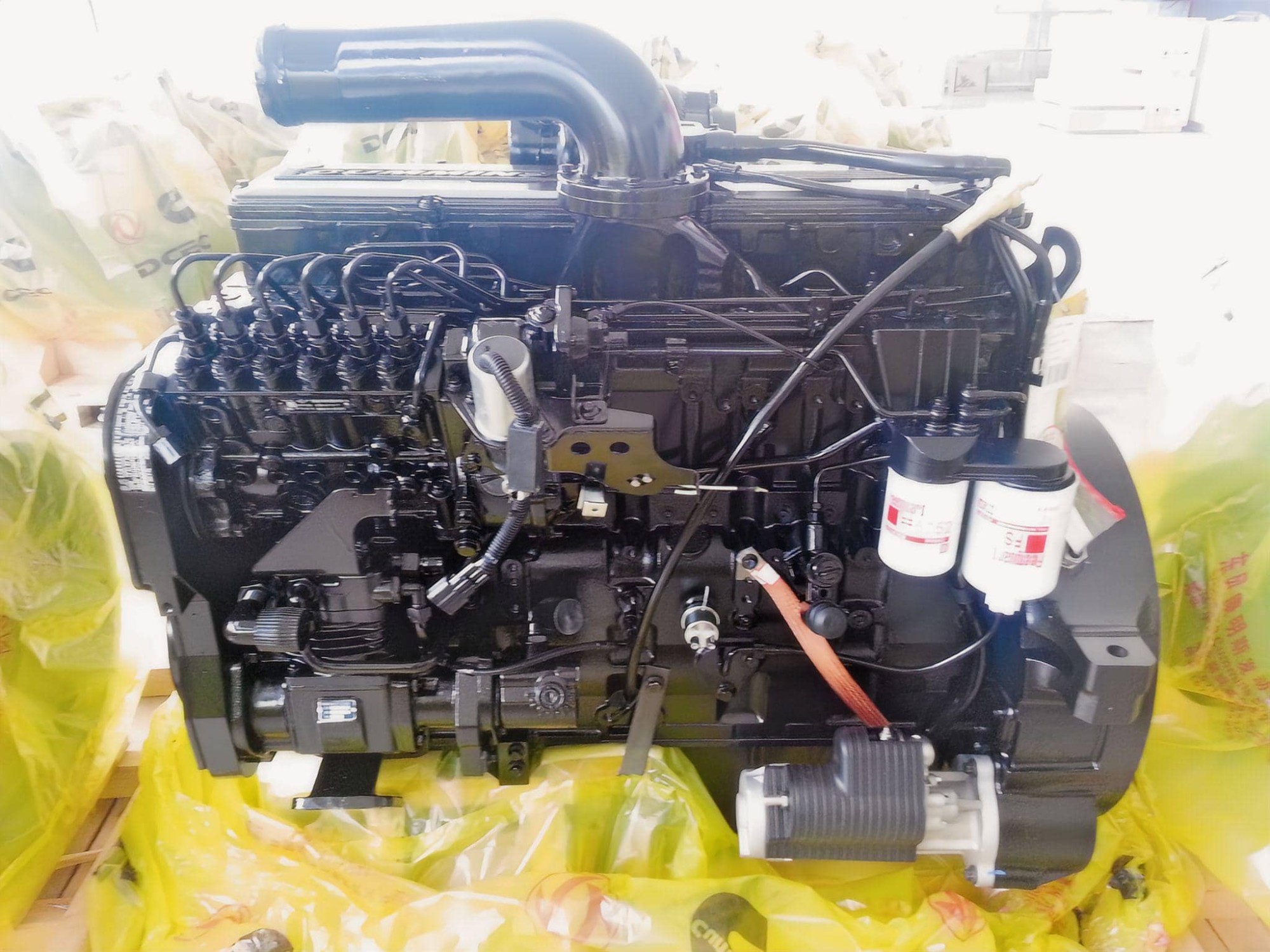

The DCEC Cummins L375-30 is an 8.9-liter, 6-cylinder inline diesel engine designed for heavy-duty commercial vehicles, dump trucks, and regional freight haulers. Delivering a rated power of 276 kW (375 HP) at 2200 RPM and a peak torque of 1480 N.m at 1400 RPM, this engine combines robust mechanical reliability with Euro III emission compliance.
Unlike modern electronic common rail engines, the L375-30 utilizes an advanced mechanical fuel injection system paired with an air-to-air intercooled turbocharger. This design makes it a prime choice for fleet operators working in regions where fuel quality varies or where simple field serviceability is essential. At HekoPower, we supply factory-tested, brand-new DCEC Cummins L375-30 complete engine units ready for immediate export and repower applications.
Choosing the right 8.9L engine for your vehicle requires understanding how fuel delivery, emission controls, and power delivery curves differ across models. Below is an engineering comparison between the L375-30 and adjacent engines in the market.
While both engines share the same 8.9-liter block, 114 mm bore, and 145 mm stroke, their fuel delivery systems are tuned for different emission tiers. The older L375-20 meets Euro II standards using a standard mechanical pump setup.
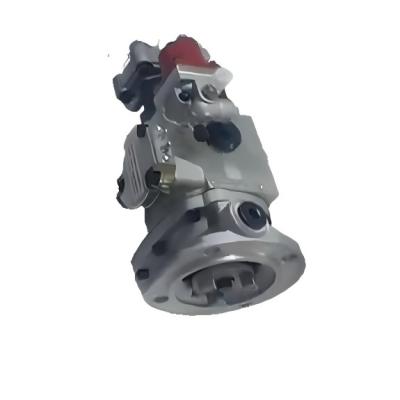
In contrast, the DCEC L375-30 achieves Euro III compliance through an upgraded Weifu PH mechanical inline fuel pump equipped with an RQV-K mechanical governor and revised injection timing. This configuration optimizes combustion efficiency, lowering particulate emissions and smoke density under full load while maintaining the exact same 375 HP output and 1480 N.m torque profile as the Euro II engine.
The fundamental difference between the L375-30 and the ISLe375-30 lies in fuel control. The ISLe375-30 relies on a High-Pressure Common Rail (HPCR) system controlled by an Electronic Control Module (ECM) and multiple engine sensors.
The L375-30 remains entirely mechanical. It uses a mechanical fuel pump and a simple electrical shut-off solenoid instead of complex ECU wiring harnesses. For haulers operating in remote mining sites or developing infrastructure zones, the mechanical L375-30 eliminates downtime caused by sensor failures or contaminated high-pressure injectors, offering greater tolerance to varying fuel grades.
The DCEC L-series engine platform includes power ratings from 290 HP up to 375 HP. The L340-30 (340 HP / 1350 N.m) and L360-30 (360 HP / 1480 N.m) share the basic 8.9L architectural footprint with the L375-30.
However, the L375-30 utilizes higher-flow fuel pump plungers and specific turbocharger matching to deliver the maximum rated 276 kW output at 2200 RPM. This higher continuous power output prevents gear hunting and engine lugging when pulling heavy loads up steep inclines.
The DCEC Cummins L375-30 engine assembly serves as a primary power unit for heavy-duty commercial haulage across demanding operational environments.
Construction tippers operating in quarries and earthmoving sites require strong low-end torque to pull out of soft terrain. The L375-30 reaches its 1480 N.m peak torque at 1400 RPM, providing steady tractive force to 8x4 and 6x4 dump trucks (such as Dongfeng, Shacman, and Foton chassis) operating under maximum gross vehicle weight limits.
For regional logistics fleets pulling 30-ton to 40-ton articulated trailers, maintaining road speed on highway grades is essential for transit schedules. The 375 HP output allows trucks to cruise efficiently at lower engine speeds, helping reduce fuel consumption during long highway runs.
When retrofitting an older commercial vehicle or replacing a worn engine unit, the L375-30 provides a straightforward mechanical drop-in solution. Because it requires no custom wiring modifications or engine computer matching, fleet mechanics can install the assembly using standard mechanical mounting procedures.
Proper routine care ensures that the Cummins L375-30 delivers maximum uptime and longevity. Understanding its mechanical design helps avoid common service errors.
Misconception 1: Euro 3 compliance always requires electronic fuel injection. Many mechanics assume any Euro III engine must have an ECU and common rail injectors. The DCEC L375-30 proves that mechanical fuel pumps, when calibrated with precise injection timing and an RQV-K governor, can meet Euro 3 emission standards reliably.
Misconception 2: Mechanical fuel pumps do not require clean fuel. Although the Weifu PH mechanical pump is more resilient than electronic injectors, water and abrasive debris can still wear out internal pump plungers and cause premature power loss. Regular fuel filter replacements remain critical.
Fuel Filter Replacement: Always install dual-stage fuel filters with water separators. Drain water traps daily to prevent moisture from reaching the mechanical pump.
Valve Lash Adjustment: Check and adjust intake and exhaust valve clearances every 40,000 km to maintain optimal cylinder breathing and peak brake horsepower.
Turbocharger & Intercooler Inspection: Routinely check air intake piping and intercooler hose clamps. Charge-air leaks cause high exhaust gas temperatures (EGT) and loss of boost pressure.
Oil Viscosity Selection: Use high-quality 15W-40 heavy-duty engine oil to protect the overhead valve gear and engine bearings under high thermal loads.
As a professional engine exporter, HekoPower maintains a comprehensive supply chain for genuine Dongfeng Cummins power plants. Whether you need a complete mechanical unit or a specific horsepower rating for commercial repowering, we supply factory-new engines tested for performance and durability.
Cummins L Series, original products from Dongfeng Cummins Engine Plant (DCEC), Cummins Joint Venture Plant since 1986, 50% shareholding by Cummins USA. This series mainly includes L270-30, L290-30, L300-20, L315-30, L325-20, L340-20, L360-20, L360-30, L375-20, L375-30.
Standard order processing and export packaging typically take around 10 business days. Custom marine or industrial conversions may require additional lead time before dispatch.
Every genuine DCEC Cummins engine comes stamped with a unique Engine Serial Number (ESN) on the engine dataplate. HekoPower provides ESN verification prior to shipping so you can cross-check details in the official Cummins database.
The dry weight of the L375-30 engine assembly is approximately 680 kg. When packed in an export-grade wooden crate with standard accessories, total shipping weight is approximately 750–780 kg.
Yes, but physical and fuel line adjustments are required. Replacing an electronic ISLe engine with a mechanical L375-30 involves bypassing the ECU throttle connections and fitting a traditional mechanical throttle cable and shutdown solenoid wire.