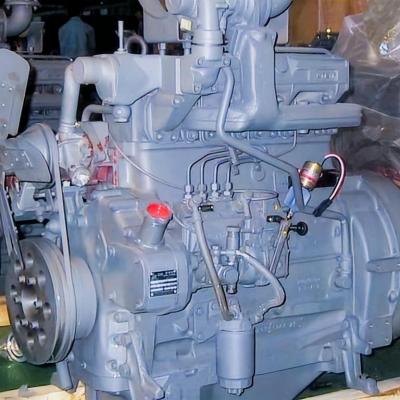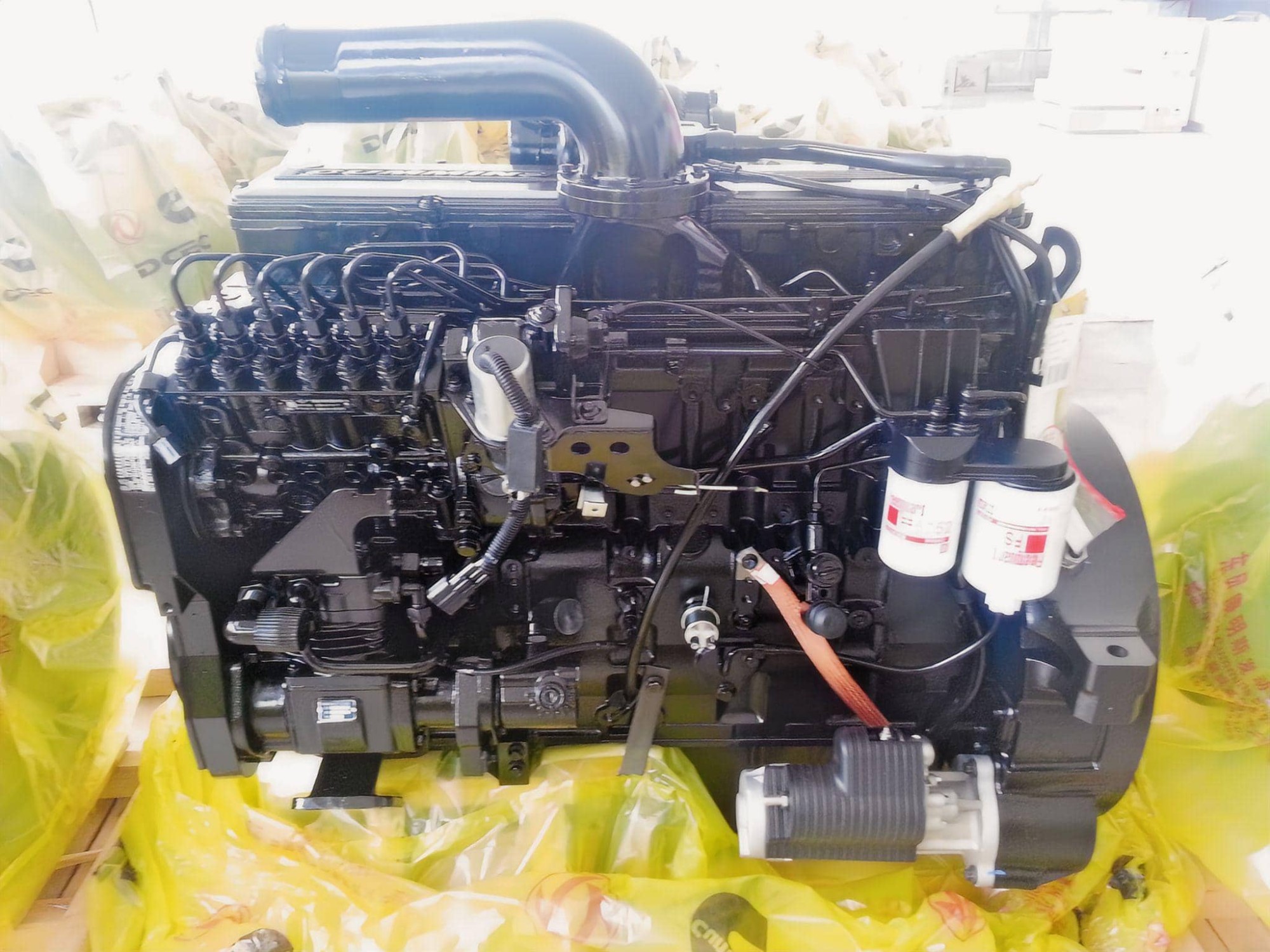
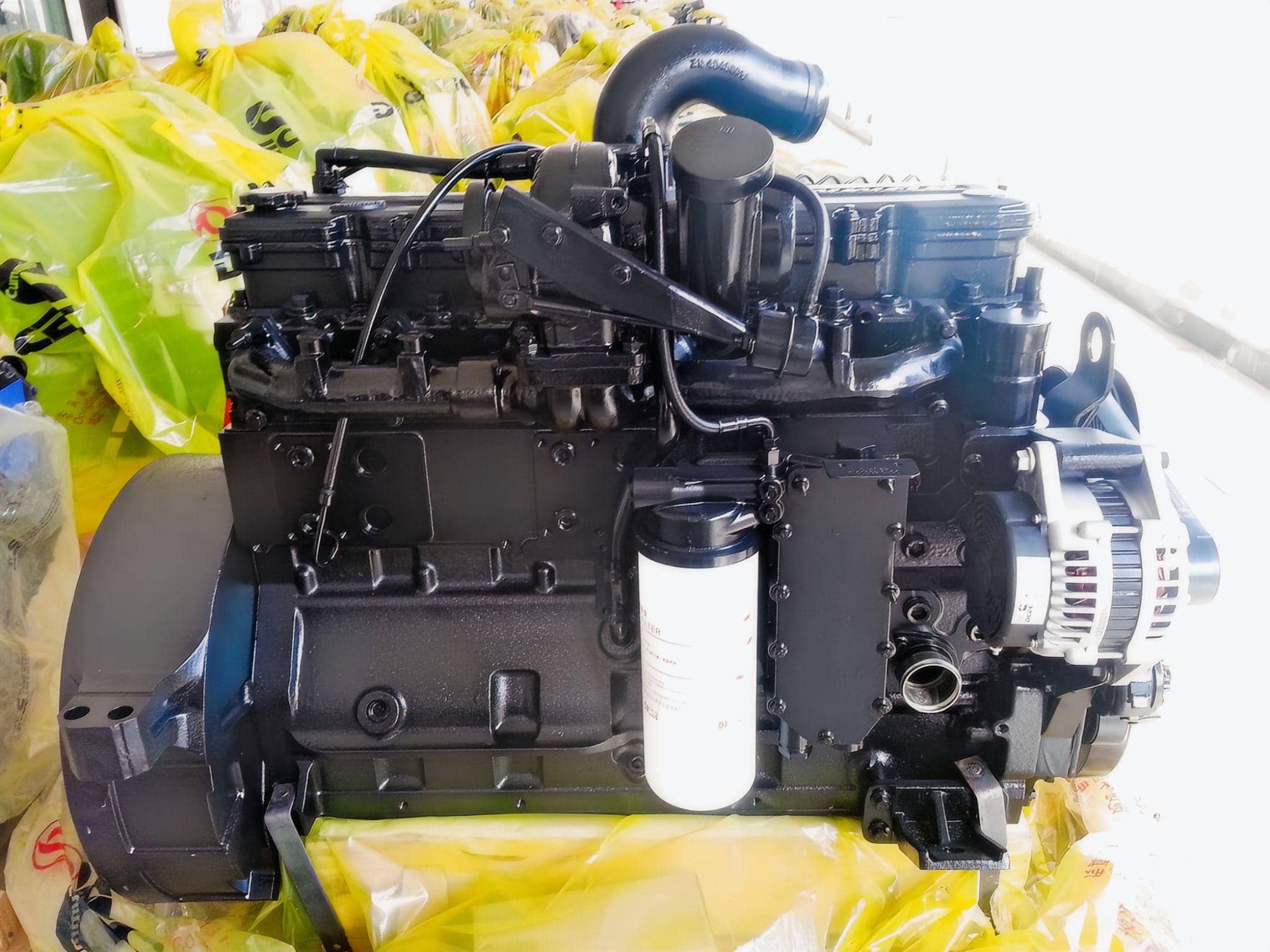
Operating in demanding commercial transport requires a power plant that balances robust output with sustained fuel efficiency. The Dongfeng Cummins L270-30 represents a benchmark in heavy-duty engineering, delivering 199 kilowatts of rated power at 2200 revolutions per minute. As an authorized Cummins L270-30 engine supplier, HekoPower provides this 8.9L six-cylinder engine engineered specifically for operators seeking uncompromising reliability in regional freight and vocational hauling.
The architecture of this Cummins L270-30 270HP engine centers around a durable in-line cylinder configuration featuring a precision-balanced 114 mm bore and 145 mm stroke. This geometric design optimizes the cylinder volume, allowing the unit to generate a maximum torque of 1150 Nm at 1400 rpm. Such torque characteristics ensure that medium-duty trucks maintain pulling power on steep inclines without requiring excessive gear shifting, directly reducing transmission wear and fuel consumption over long operating cycles.
Selecting the correct power unit dictates the operational lifespan of commercial fleets. The DCEC L270-30 diesel engine for heavy-duty trucks is deployed extensively across municipal utility vehicles, medium-cargo carriers, regional dump trucks, and intercity passenger buses. Because commercial vehicle fleets operate under strict schedules, downtime directly impacts profitability.
When operators integrate the Cummins L270-30 commercial vehicle engine assembly into their chassis, they benefit from exceptional thermal management and structural rigidity. The engine block utilizes high-strength alloy iron with reinforced ribbing, minimizing vibration and noise inside the cab. Whether navigating congested urban delivery routes or sustaining highway speeds under full payload, the Cummins L270-30 truck engine delivers stable combustion dynamics and reliable cold-weather starting performance.
Understanding how the L270-30 compares to alternative power ratings helps fleet managers and procurement specialists make informed decisions. When evaluating the Cummins L270-30 vs L290-30 engine specifications, the primary difference lies in calibration and power output. While the L290-30 delivers 221 kW at 2000 rpm for heavier long-haul applications, the L270-30 is tuned for high-frequency regional distribution where mid-range throttle response and fuel economy take precedence.
Similarly, comparing the Cummins L270-30 vs ISLe270-30 engine differences reveals a fundamental distinction in fuel delivery philosophy. The L270-30 relies on a rugged mechanical governor system, whereas electronic variants like the ISLe utilize full authority electronic control modules (ECM). Many fleet operators running in regions with variable fuel quality prefer the Euro II Cummins L270-30 truck motor because its mechanical robustness simplifies field diagnostics. When contrasted with light-duty alternatives such as the Cummins L270-30 vs ISDe270-30 engine comparison, the L-series architecture provides a significantly larger displacement and heavier crankshaft journals, translating to extended overhaul intervals exceeding hundreds of thousands of kilometers under harsh working conditions.
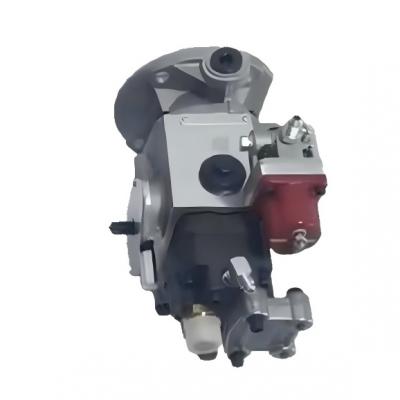
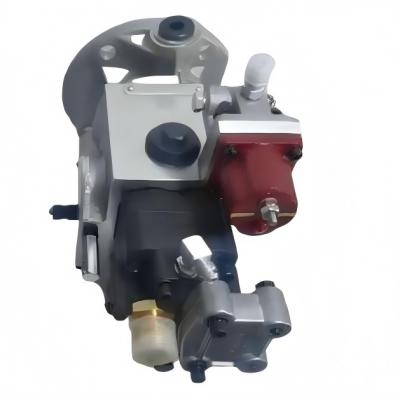
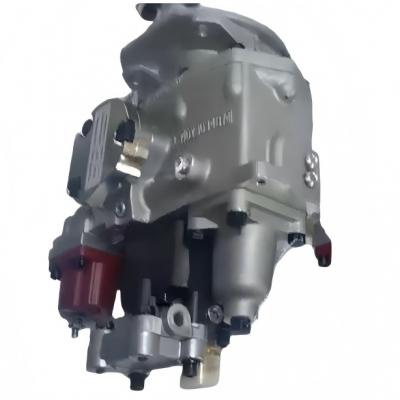
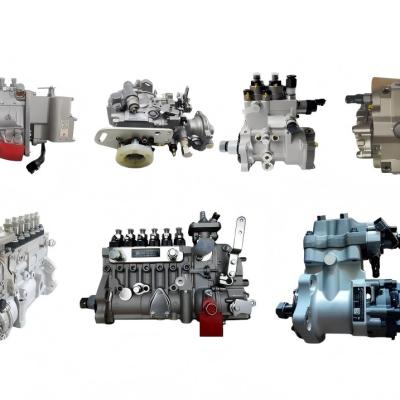
Maximizing the operational lifespan of your Cummins L270-30 replacement engine requires strict adherence to scheduled preventive maintenance. A common misconception in the transport industry is that mechanical fuel injection systems require minimal attention compared to modern common-rail setups. In practice, the Bosch P7100 pump Cummins L270 fuel system demands rigorous fuel filtration to prevent premature plunger wear. Operators must inspect fuel water separators daily and replace primary filter elements every 10,000 kilometers.
When troubleshooting power loss or black smoke emission on a Cummins L270-30 mechanical fuel system maintenance cycle, technicians should first verify turbocharger boost pressure and check for intake manifold leaks before adjusting injection timing. A frequent pitfall during engine overhauls is mismatching piston protrusion heights; the articulated pistons used in the L-series require precise clearance measurements to maintain compression efficiency. If an existing motor has suffered catastrophic block failure, sourcing a genuine DCEC Cummins L270-30 engine for sale as a complete drop-in assembly is often more cost-effective than a complete field rebuild, drastically reducing vehicle turnaround time.
Cummins L Series, original products from Dongfeng Cummins Engine Plant (DCEC), Cummins Joint Venture Plant since 1986, 50% shareholding by Cummins USA. This series mainly includes L270-30, L290-30, L300-20, L315-30, L325-20, L340-20, L360-20, L360-30, L375-20, L375-30.
Yes, the engine features a turbocharged and air-to-air intercooled intake system. This configuration cools compressed air entering the combustion chambers, raising air density, improving thermal efficiency, and lowering nitrogen oxide emissions to comply with applicable emission standards.
The Bosch P7100 mechanical fuel pump is renowned throughout the heavy-duty diesel industry for its high injection pressure, mechanical durability, and tolerance for varying diesel fuel lubricity. It allows operators to service and calibrate the fuel system without requiring specialized computerized diagnostic terminals.
For optimal fleet maintenance, facilities should keep a stock of primary and secondary fuel filters, lube oil filters, fan belts, thermostat assemblies, and genuine overhaul gasket kits to support routine servicing intervals and prevent unplanned downtime.
The L270-30 is famously reliable, so "common problems" are usually tied to neglected maintenance. The most frequent issue we see in the field is a clogged air-to-air intercooler. If the intercooler becomes restricted with dirt or oil residue, the engine will be starved of oxygen, leading to black smoke, higher exhaust temperatures, and a noticeable drop in power. Regular inspection of the intake system prevents this entirely./span>