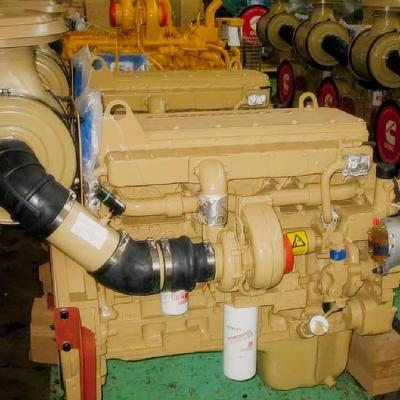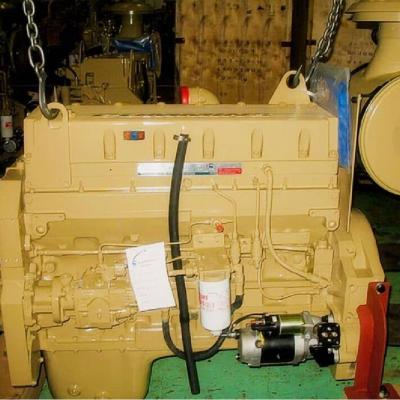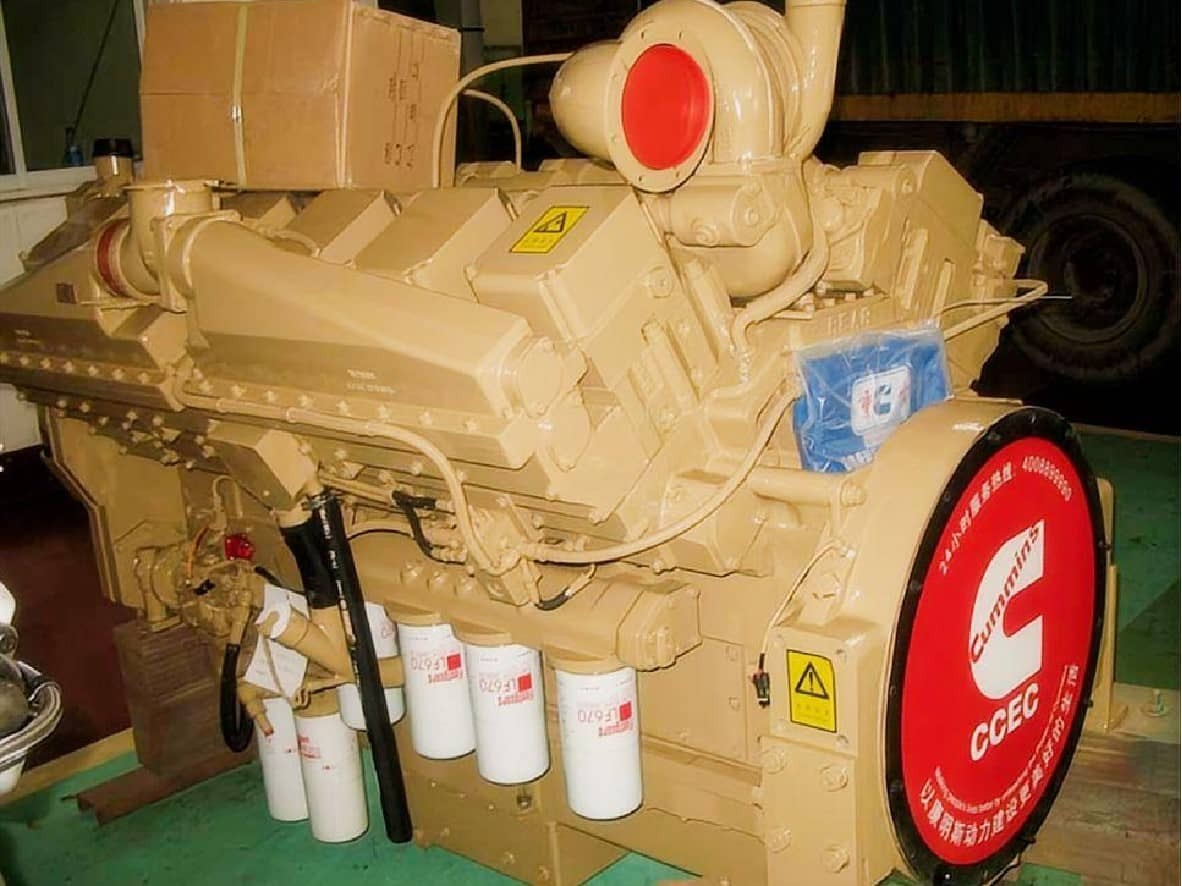
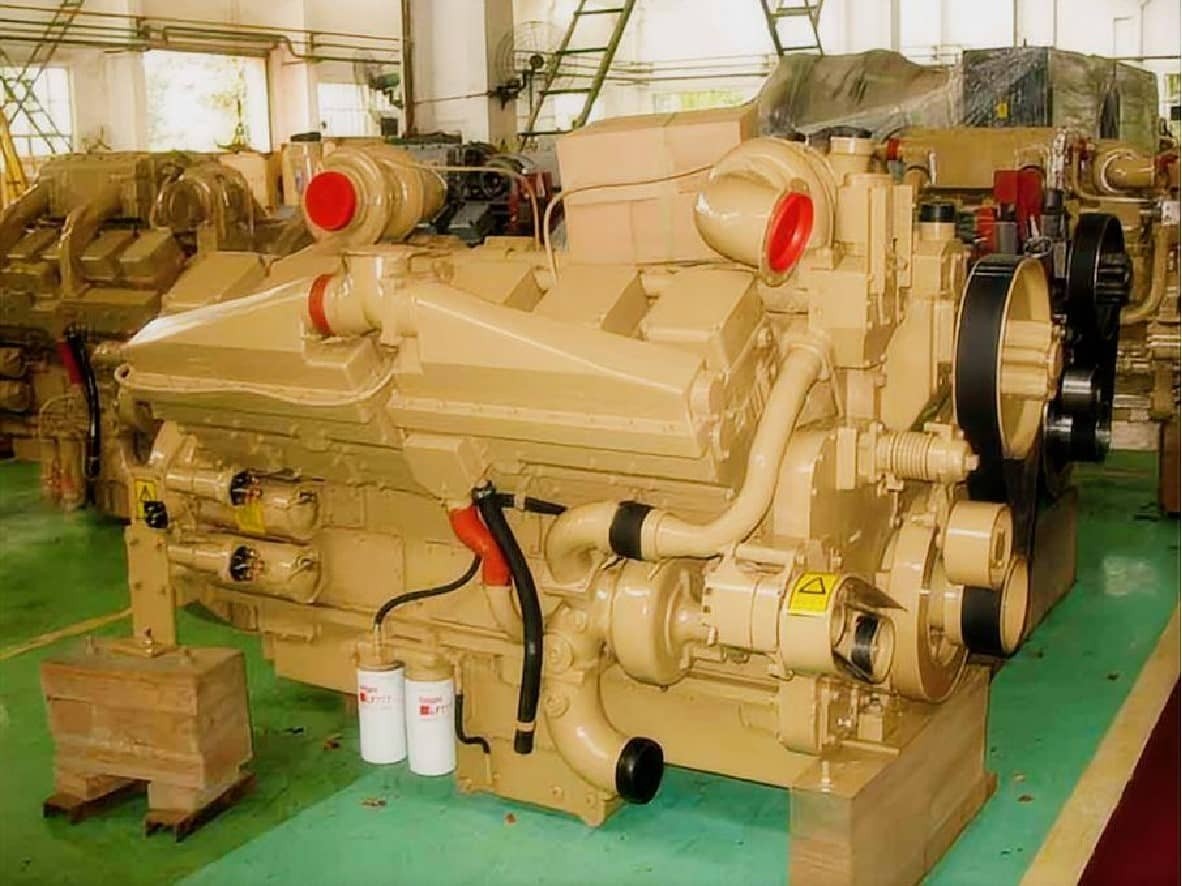
Built by Chongqing Cummins Engine Company (CCEC) for 60 Hz power generation, the Cummins KTA38-G4 delivers 1007 kW (1350 HP) prime power and 1112 kW (1490 HP) standby power at 1800 RPM. While it shares the proven 37.8-liter (38L) 60° V12 architecture and 159 mm × 159 mm square bore-and-stroke geometry of the K38 family, the G4 model occupies the upper performance tier of mechanical PT-fuel-system generator drives.
To sustain higher thermal and mechanical loads at 1800 RPM without excessive cylinder pressure, the KTA38-G4 uses a 13.9:1 compression ratio paired with high-capacity turbocharging and jacket-water aftercooling. Under standard ISO 3046 reference conditions, this configuration supports continuous operation at 776 kW (1040 HP) and operates up to 1,525 meters (5,000 feet) elevation and 40°C ambient temperature before altitude or temperature derating applies. For generator set OEMs, switchgear integrators, and facility engineers, the KTA38-G4 1800RPM generator drive engine offers a purely mechanical Cummins PT fuel system that avoids the sensor complexity of high-pressure common-rail platforms while comfortably driving a 1000 kW prime / 1100–1250 kVA standby 60 Hz alternator.
Selecting the right 38-liter V12 engine requires looking closely at rated speed, compression ratio, and thermal headroom rather than displacement alone. Many buyers cross-shop the Cummins KTA38-G4 against lower-output or 50 Hz K38 models, which often leads to mismatched alternator sizing or frequency errors.
Within the 1800 RPM 60 Hz lineup, the Cummins KTA38-G2 is rated at 809 kW prime (895 kW standby), and the Cummins KTA38-G2A steps up to 915 kW prime (1007 kW standby). Both the G2 and G2A rely on a higher 14.5:1 compression ratio tailored to their lower boost pressures and fuel delivery rates. By contrast, the Cummins KTA38-G4 pushes prime output to 1007 kW—essentially matching the G2A’s standby ceiling as a continuous prime rating—while stepping down to a 13.9:1 compression ratio to accommodate higher intake manifold pressure and larger injector fuel metering. If your 60 Hz generator set must carry sustained 900 kW to 1000 kW electrical loads rather than brief emergency peaks, stepping up from a G2A to a G4 prevents exhaust gas temperature (EGT) overload and extends top-end overhaul intervals.
A frequent point of confusion on international RFQs is comparing the KTA38-G4 1800RPM against the KTA38-G5 1500RPM. Although both carry closely related model designations, they are built for different electrical grids. The KTA38-G5 is calibrated for 50 Hz (1500 RPM) markets, producing 880 kW prime and 968 kW standby. The KTA38-G4 is engineered specifically for 60 Hz (1800 RPM) grids, where the 20% higher rotational speed increases airflow and fuel burn capacity to reach 1007 kW prime and 1112 kW standby. Converting a G5 to 1800 RPM or slowing a G4 down to 1500 RPM is not a simple governor adjustment; turbocharger matching, camshaft timing, and PT fuel pump calibration differ between the two builds.
At 1800 RPM prime power operation, the CCEC Cummins KTA38-G4 consumes approximately 245 liters per hour at 100% load (1007 kW), dropping to roughly 190 liters per hour at 75% load and 136 liters per hour at 50% load (with standby 100% load peaking near 271 L/h). Sizing a prime-duty genset so the KTA38-G4 runs in its 70% to 80% load sweet spot minimizes specific fuel consumption per kilowatt-hour while keeping combustion temperatures high enough to prevent wet stacking.
Because the Cummins KTA38-G4 1350HP engine balances mechanical durability with fast transient load acceptance, it is widely deployed in 60 Hz regions across North and South America, the Middle East, the Philippines, and island power grids.
In data center backup and hospital emergency power systems, the G4 pairs with a brushless four-pole alternator (such as a Stamford HCI634J or Leroy-Somer LSA 50.2 series) to deliver 1000 kW / 1250 kVA standby power at 480V or 4160V. Its mechanical flyweight or electronic EFC governor stabilizes frequency quickly during large UPS rectifier or chiller step loads, while its low-voltage PT fuel architecture remains immune to electromagnetic interference during grid disturbances.
In mining camps, oilfield drilling rigs, and remote industrial plants, operators run the KTA38-G4 prime power engine continuously as a primary utility source. Here, the engine’s 170 HP (127 kW) friction power and 617 kW prime coolant heat rejection demand a properly sized remote or skid-mounted radiator rated for at least 50°C ambient air, especially when operating inside acoustic enclosures.
One common misconception is assuming the 1007 kW rating is net electrical output at the generator terminals. In reality, 1007 kW (1350 HP) is gross flywheel mechanical power without a radiator cooling fan. Once you subtract roughly 35 kW to 45 kW for an engine-driven pusher fan and account for 94%–95% alternator efficiency, a KTA38-G4 typically yields 900 kW to 915 kW net prime electrical power and 1000 kW net standby electrical power.
Another misconception is treating all KTA38-G4 engines as interchangeable during drop-in replacements. Before ordering a Cummins KTA38-G4 replacement engine, always verify the CPL 1542 critical parts list and configuration number D233031DX02 on the existing engine dataplate. Differences in flywheel housing size (such as SAE 0 vs. SAE 00), front PTO pulleys, and exhaust manifold orientation can otherwise require costly field modifications.
Routine maintenance on the Cummins KTA38-G4 centers on fuel cleanliness, cooling system chemistry, and valve-and-injector overhead adjustments.
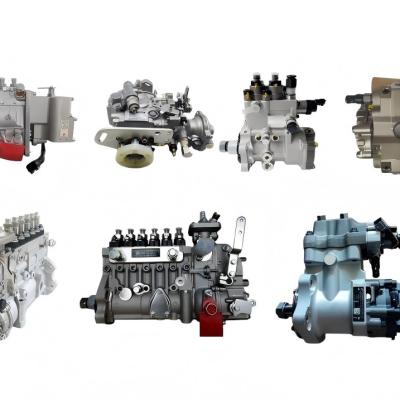
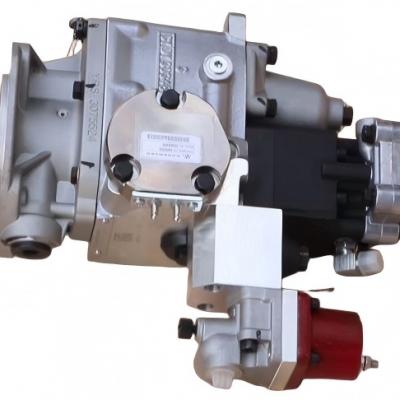
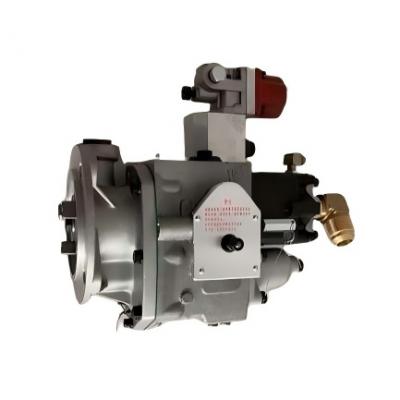
Protect the PT Fuel System: The Cummins Pressure-Time (PT) fuel pump relies on tight mechanical tolerances and diesel fuel lubrication. Drain water separators daily, replace spin-on fuel filters every 250 operating hours, and inspect injector cups and O-rings if fuel dilution appears in the lubricating oil.
Maintain Coolant Chemistry and DCA4 Levels: Because the KTA38-G4 uses removable wet cylinder liners in an alloy cast-iron block, cavitation erosion is a primary risk if coolant additive levels drop. Test Supplemental Coolant Additive (SCA/DCA4) concentration at every 250-hour oil change and replace the spin-on corrosion resistor on schedule.
Verify Overhead Lash and Turbo Boost: Check intake/exhaust valve lash and injector travel at the initial break-in interval and every 1,500 hours thereafter. Proper injector timing keeps the 13.9:1 compression combustion clean and prevents high exhaust temperatures under full 1007 kW load.
As an experienced CCEC Cummins KTA38-G4 engine supplier, HekoPower supplies complete factory-tested engines—including CPL 1542 / D233031DX02 builds with factory test documentation—alongside matched PT fuel pumps, injectors, turbochargers, and overhaul kits for international shipment.
If your project requires a different power output, 50 Hz (1500 RPM) grid compatibility, or an alternative rating within the same 37.8-liter V12 footprint, you can compare other configurations across our K38 generator drive catalog below.
Cummins K38-G Series, original products from Chongqing Cummins Engine Plant(CCEC). This series mainly includes KT38-G-560KW, KTA38-G1-634KW, KTA38-G2-664KW, KTA38-G2A-813KW, KTA38-G2B-711KW, KTA38-G5-880KW, KTA38-G9A-1195KW, KT38-G-679KW, KTA38-G2-809KW, KTA38-G2A-915KW, KTA38-G4-1007KW.
Under ISO 8528 and ISO 3046 standards, the 1007 kW (1350 HP) prime rating applies to unlimited annual operating hours under variable electrical loads, with an average load factor below 70% over any 24-hour period and a 10% overload allowance for 1 hour in every 12 hours. The 1112 kW (1490 HP) standby rating is reserved strictly for emergency utility outages with no overload capability and a typical limit of 200 to 500 operating hours per year.
No, the KTA38-G4 is factory-calibrated for 1800 RPM (60 Hz) operation under performance curve FR-6138 / FR-6139. Running it at 1500 RPM reduces airflow, oil pressure, and power output outside its certified calibration curve. For 50 Hz applications in the 880 kW to 915 kW range, specify the KTA38-G5 (1500 RPM) or KTA38-G2A (1500 RPM) instead.
After accounting for radiator fan parasitic draw (typically 35–45 kW) and alternator efficiency (around 94.5%), the KTA38-G4 pairs best with a 1000 kW (1250 kVA at 0.8 power factor) standby or 900 kW (1125 kVA) prime 60 Hz, 1800 RPM brushless alternator.