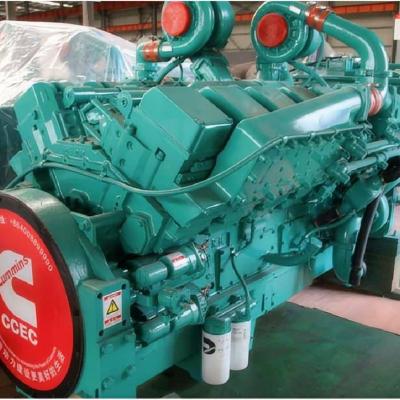
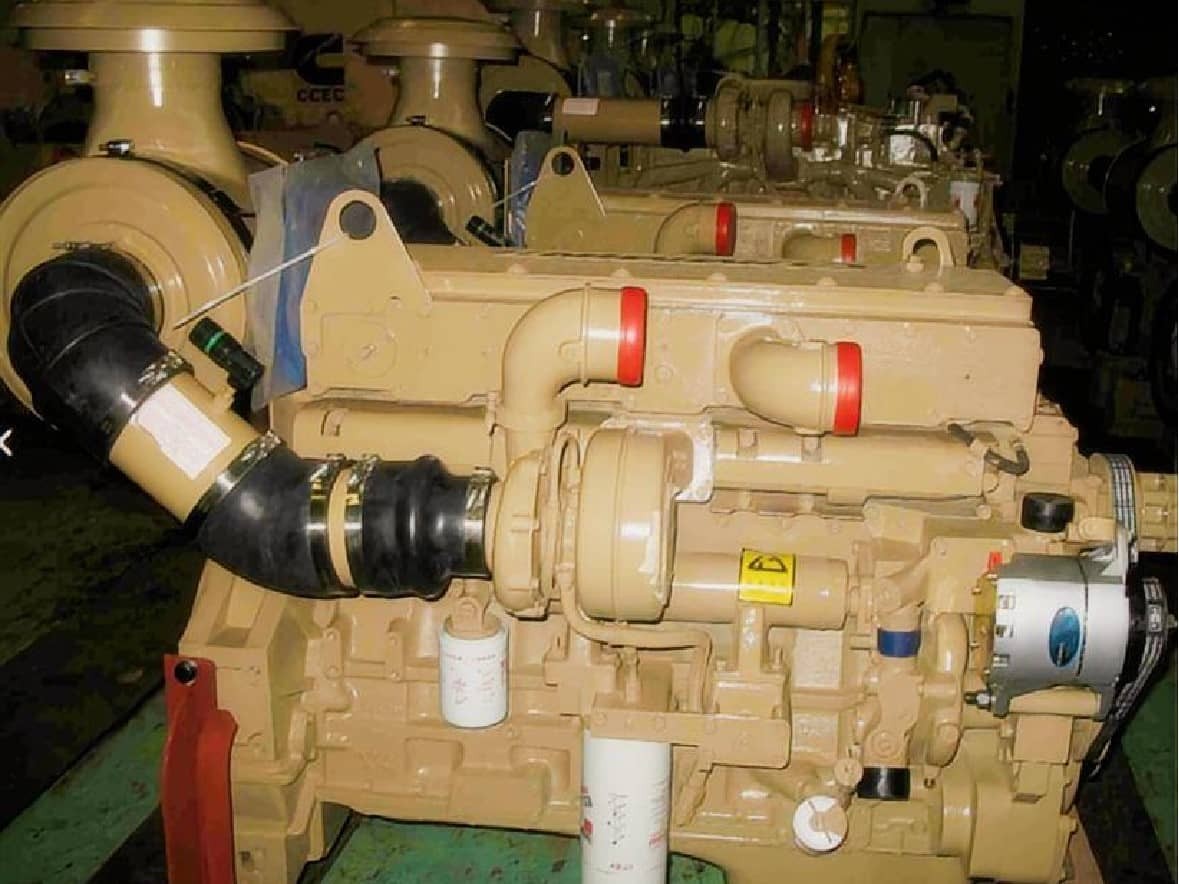
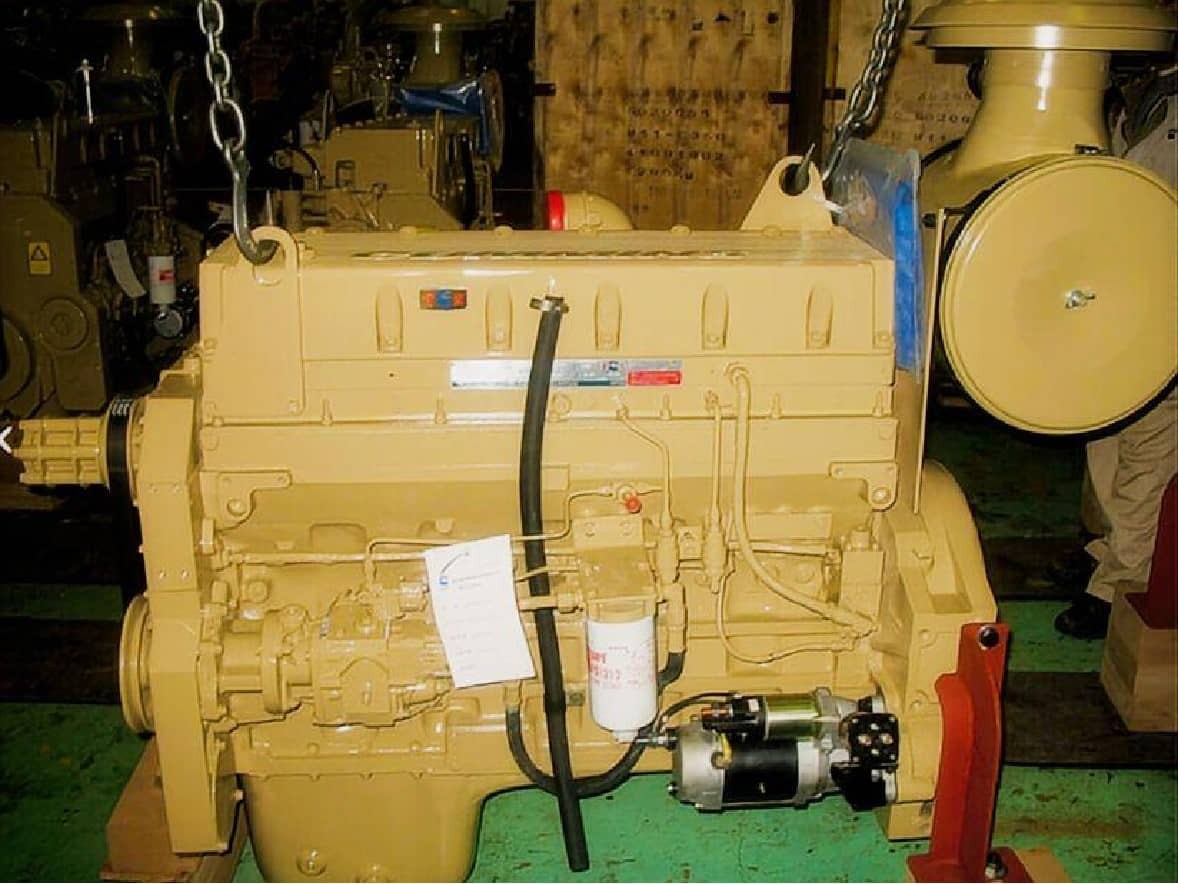
The CCEC Cummins QSM11-290 (frequently identified as the QSM11-C290) is a 10.8-liter, in-line 6-cylinder diesel engine engineered specifically for heavy industrial and construction equipment. It outputs a rated 216 kW (290 HP) at 2100 RPM and delivers a peak torque of 1478 Nm at a low 1400 RPM. This platform features the Cummins electronic fuel injection system and is designed to meet Tier 3 / Stage IIIA emissions standards without requiring complex exhaust aftertreatment.
As a dedicated supplier of industrial diesel power, HekoPower provides complete factory-new QSM11-290 engine assemblies, short blocks, and exact drop-in replacements for fleet operators, mining contractors, and repair facilities worldwide.
Equipment manufacturers select the QSM11-290 for machinery requiring rapid transient response and durability in harsh environments. The engine provides high breakout force and steady hydraulic flow under extreme load spikes.
In 30-ton to 40-ton crawler excavators, the QSM11-290 powers variable displacement main hydraulic pumps while maintaining steady RPM recovery. As the bucket hits hard rock or compacted clay, the load on the hydraulic system spikes instantly. The engine’s 1478 Nm torque peak at 1400 RPM prevents stalling, giving the operator consistent breakout force without experiencing severe RPM droop.
Heavy wheel loaders rely heavily on torque converter drives. The 10.8-liter displacement (125 mm bore by 147 mm stroke) delivers the air volume needed for the turbocharger to spool quickly. The QSM11-290's electronic injection mapping prevents power loss when the loader is simultaneously driving into a gravel pile and lifting a full bucket. The strict 216 kW power rating prevents torque converter stall while safeguarding the transmission from input shaft overload.
Foundation drilling rigs and 50-ton mobile cranes endure long idling periods followed by immediate full-load operational demands. The QSM11-C290 uses its electronic control module (ECM) to adjust fuel timing dynamically. This prevents cylinder wet-stacking during low-load positioning and provides instant maximum torque for pile driving or heavy boom lifts. The block's high-strength iron alloy handles the continuous torsional vibration generated by heavy auger drives.
A widespread misconception among equipment managers is that the QSM11-290 only generates a flat 216 kW across its entire RPM band. The 216 kW figure is strictly the rated continuous power at 2100 RPM.
On the engine performance curve, as the equipment load pulls the engine speed down from 2100 RPM toward 1400 RPM, the engine actually delivers a massive torque rise. This torque reserve is what field operators refer to as "lugging power." The engine exerts its maximum rotational force at lower RPMs to meet peak hydraulic pressure demands, meaning the machine performs best when the RPM drops into the engine's torque sweet spot rather than running constantly at the maximum RPM limit.
Repowering a construction machine requires exact engine matching. Swapping engines based only on engine family or displacement often leads to severe mechanical overheating or hydraulic mismatch.
The QSM11-290, QSM11-300, and QSM11-335 all share the identical 10.8-liter iron block and cylinder head architecture. The core differences lie in the ECM fuel mapping, turbocharger trim configurations, and overall heat rejection rates. The QSM11-290 deliberately restricts power to 216 kW to extend engine life in machines equipped with limited cooling packages. Upgrading an excavator originally fitted with a 290 HP engine to a 335 HP version without upsizing the hydraulic oil coolers and radiator will typically result in chronic thermal overload and premature hydraulic pump failure.
Older construction fleets often run legacy mechanical M11-C290 engines equipped with mechanical unit injectors and Step Timing Control (STC). The modern QSM11-C290 replaces mechanical governors with an advanced ECM and high-pressure electronic unit injectors (EUI). The electronic version yields an 8% to 12% improvement in partial-load fuel consumption and significantly reduces exhaust smoke during hard throttling. However, replacing an old mechanical M11 with a new electronic QSM11 requires integrating a new engine wiring harness, an electronic throttle position sensor, and a CAN bus interface into the equipment cab.
Executing a successful engine replacement requires precise physical and electronic identification before issuing a purchase order. Ordering an engine based strictly on the machine model name is a frequent cause of costly installation delays.
Cummins tracks exact engine builds using an Engine Serial Number (ESN) and a Control Parts List (CPL) code. The CPL dictates the turbocharger part number, injector flow rate, flywheel housing type, and specific ECM calibration. Providing the HekoPower engineering team with your 8-digit ESN ensures the replacement QSM11-290 matches your original equipment mounting brackets and chassis wiring harnesses perfectly.
Industrial equipment typically connects the engine flywheel directly to the hydraulic pumps using flexible couplings. The QSM11-290 generally uses an SAE #1 or SAE #2 flywheel housing. During a replacement, you must verify the rear gear train flange and flexplate dimensions. A mismatch in bolt circle diameters or pilot bearing dimensions will cause alignment binding, which can destroy hydraulic pump input shaft bearings within the first few hours of operation.
Tier 3 QSM11 engines operate with extreme fuel injection pressures. A common error among maintenance crews is assuming that standard spin-on fuel filters are adequate for electronic engines. The QSM11-290 absolutely requires proper primary fuel filtration utilizing a water-in-fuel (WIF) sensor alongside strict 2-micron secondary filtration. Allowing microscopic particulate or water to bypass the filter will quickly erode the electronic injector tips, resulting in rough idling, poor fuel economy, and eventual cylinder wash-down.
Selecting the correct engine calibration within the Cummins lineup is essential to matching your equipment's operating weight and hydraulic pump capacity. CCEC produces multiple variations within the 10.8-liter family to accommodate different drivetrain setups and regional emission requirements. Reviewing these alternatives allows you to verify that your selected engine rating aligns perfectly with your machine's physical capabilities.
Cummins QSM11-Construction Diesel Engine Series, original products from Xi’an Cummins Joint Venture Plant (XCEC), since 1986, 50% owned by Cummins USA, under Cummins Technical & Product Line. This series mainly includes QSM11-290, QSM11-300, QSM11-335, QSM11-350, QSM11-360, QSM11-375, QSM11-400.
HekoPower maintains a streamlined supply chain for complete factory-new engine assemblies. Units are normally bench-tested and prepped for dispatch within 10 to 15 business days. Sea freight transit times vary by destination port, while expedited air freight logistics are available for urgent machine-down scenarios.
Yes. CCEC (Chongqing Cummins Engine Company) and XCEC (Xi'an Cummins Engine Company) both manufacture the 11-liter platform. A CCEC QSM11-C290 can directly replace an XCEC equivalent, provided the CPL numbers and ESN cross-reference accurately. HekoPower engineers will verify this compatibility prior to finalizing your order.
At its rated output of 216 kW at 2100 RPM, the QSM11-290 consumes approximately 205 to 210 g/kWh. Operating the engine lower in the RPM band—specifically in the 1400 to 1600 RPM torque sweet spot—drastically reduces fuel consumption while maximizing breakout force.
The Control Parts List (CPL) is a 4-digit or 5-digit number stamped on the metallic Cummins dataplate on the engine's rocker cover. If the dataplate is missing or illegible due to wear, HekoPower can retrieve the factory build sheet using the 8-digit Engine Serial Number (ESN) stamped directly into the cylinder block casting above the oil cooler housing.
If diagnostic checks show excessive crankcase blow-by, low compression across multiple cylinders, or copper debris in the oil filter, a complete engine replacement is usually more economical and reliable than an in-frame rebuild. A full drop-in assembly eliminates workshop downtime and guarantees factory-spec clearances across all internal moving parts.