Details
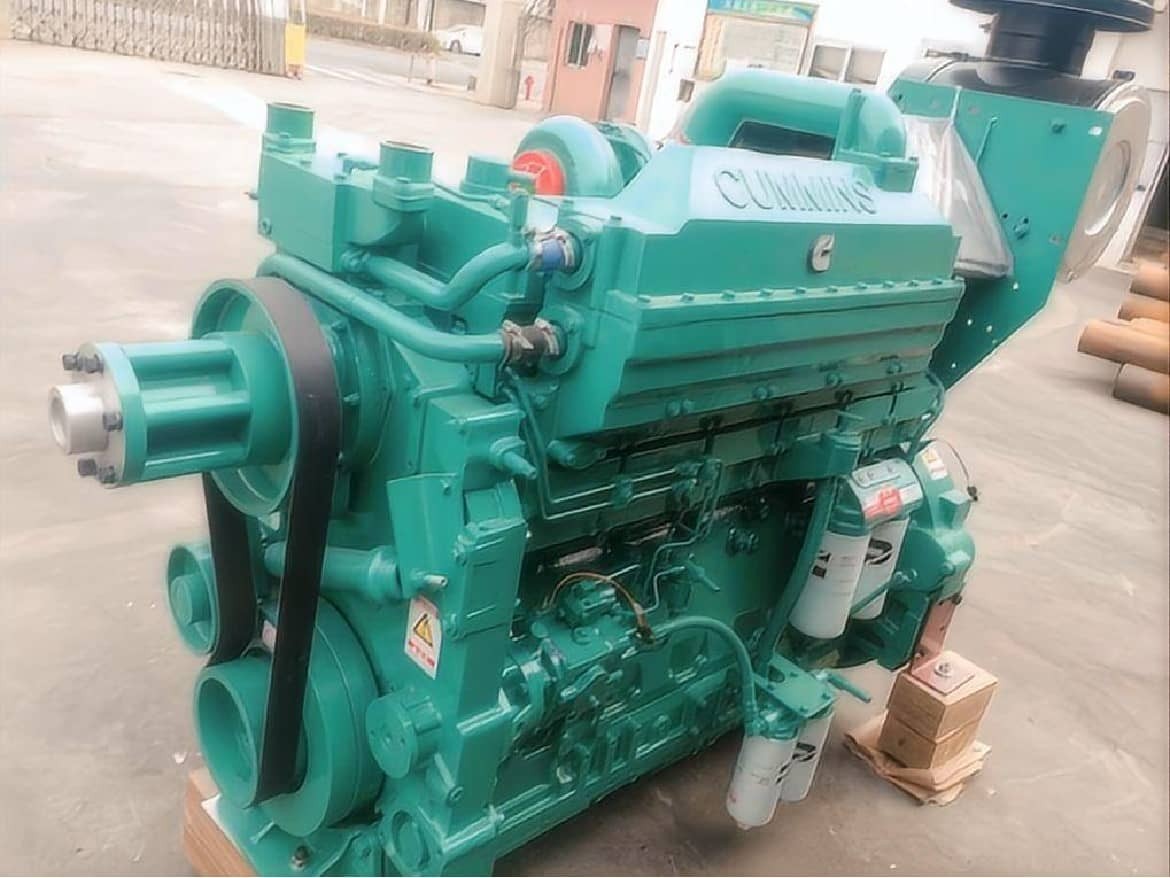
Engineering Architecture and Operational Performance of the KTA19-G2-B
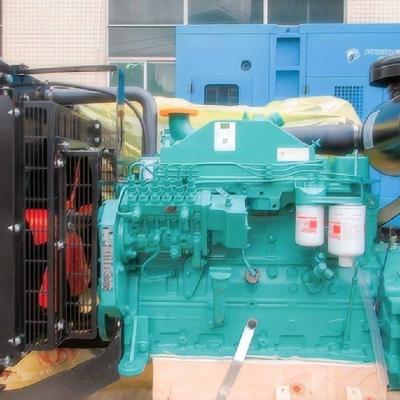
The CCEC Cummins KTA19-G2 392kW diesel engine stands as a cornerstone of heavy-duty 60Hz power generation engineering. Built around a robust 18.9-liter six-cylinder inline configuration, this power unit utilizes a 159 mm bore and 159 mm stroke geometry to achieve optimum thermal efficiency under sustained mechanical stress. As an authorized engine supplier, HekoPower recognizes that specifying a 60Hz generator drive engine requires precise alignment between thermal dissipation, fuel injection pressures, and load-acceptance profiles. Operating at a synchronous speed of 1800 RPM, the Cummins KTA19-G2-B engine delivers a prime power output of 392 kW (525 HP) and a maximum standby rating of 448 kW (600 HP).
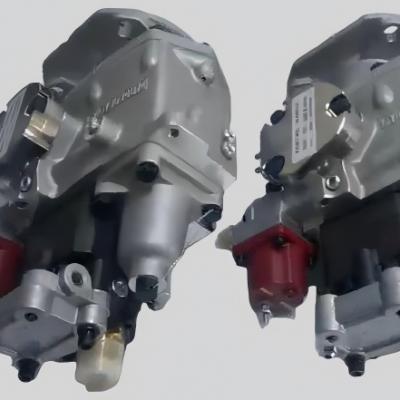
Unlike lighter automotive-derived power plants, this industrial powerplant features a heavy-duty cast-iron cylinder block designed to withstand higher cylinder pressures. The integrated turbocharged and aftercooled system forces dense air into the combustion chambers, ensuring complete fuel atomization even when operating in high-ambient-temperature environments. Fuel metering is handled entirely by the proprietary Cummins PT (Pressure Time) fuel injection system. This mechanical-hydraulic system operates at exceptionally high injection pressures, granting the CCEC KTA19-G2 generator drive engine superior transient response capabilities when sudden block loads are applied by heavy industrial machinery or commercial facility switchgear.
Tech Specs of Cummins KTA19-G2
General Engine Data
Engine Model: Cummins KTA19-G2-392KW
Type: 6 Cylinders in Line, 4 Stroke Diesel
Displacement: 19 L
Bore * Stroke: 159 * 159
Net Weight: 1927 Kg
Overall Dimension: 1324mm*835mm*1183mm
Key Performance Data
Standby Power/Standby Output: 392 kW/525HP, 448 kW/600HP
Engine Type: Standby Output
Rated Speed: 1800 rpm
Continuous Output/Speed: 336 kW/450HP @ 1800 rpm
Low Idle Speed: 575-775 rpm
Fuel Consumption @ Rated Power: 98 L/Kw.h
More Technical Data
Engine Exhaust Manifold: Optional for Wet Exhaust manifold Heat exchanger
Aspiration: Turbocharged/Aftercooled
Compression Radio: 14.5:1
Fuel System: Cummins PT Pump, Direct Injection
Starting System: Electrical starting motor (24V)
Cooling Method: Water cooling
Lowest Starting Temp (Without auxiliary system): -12℃
Governor Type: Mechanical Control
Technical Comparisons: Dissecting Performance Variations
Engineering professionals frequently encounter confusion regarding how the K19 family variants perform across different frequencies and ratings. A common misconception is that a K19 engine block can be freely switched between 50Hz (1500 RPM) and 60Hz (1800 RPM) service simply by adjusting the electronic governor. In reality, thermal dynamics, turbocharger matching, and valve timing differ significantly.
Comparing the Cummins KTA19-G2 336kW continuous power variant against the KTA19-G2 392kW prime power variant reveals distinct internal calibration adjustments. The 336kW configuration is tuned for continuous, uninterrupted baseload operation where thermal longevity takes precedence over peak torque responsiveness. Conversely, the 392kW 1800RPM model is optimized for prime and standby duty cycles, utilizing a distinct turbocharger wastegate setting and fuel cam profile to support a higher thermal and mechanical loading threshold.
When evaluating the KTA19-G2-A vs KTA19-G2-B generator engine designations, the suffix strictly denotes operational frequency and governor mapping. The "-A" suffix typically corresponds to 50Hz applications running at 1500 RPM, whereas the "-B" suffix defines the 1800 RPM 60Hz specification. Furthermore, differentiating the Cummins KTA19-G2 vs KTA19-G3 model lines involves examining power output ceilings. While both engines share the same 18.9-liter displacement, the G3 variant is rated for higher output tiers, requiring enhanced piston cooling nozzle flow and upgraded oil cooler capacity. Attempting to force a lower-tier engine into higher kW duty cycles without matching CPL (Control Parts List) specifications leads to premature turbocharger failure and exhaust gas temperature (EGT) spikes.
Maintenance Protocols and Replacement Best Practices
Maximizing the operational lifespan of a Cummins 19L six-cylinder diesel engine requires strict adherence to scheduled maintenance intervals and component replacement best practices. Because the PT fuel system relies on precise mechanical tolerances within the injectors and gear pump, fuel filtration is paramount. Facility managers should deploy primary water-separating fuel filters alongside secondary 10-micron filters to prevent abrasive particulate ingress. A frequent misconception in the field is that PT fuel injectors are maintenance-free until complete failure occurs; however, periodic calibration of injector timing and flow testing at every major overhaul interval ensures optimal fuel efficiency and prevents unburned hydrocarbon emissions.
When sourcing a Cummins KTA19-G2 392kW replacement engine, procurement teams must verify the specific CPL number stamped on the engine data plate. Two engines bearing the same "KTA19-G2" model string may possess different fuel pump calibrations, flywheel housing sizes (such as SAE 0 vs. SAE 1), or starter motor voltage configurations (24V electric starting systems standard). HekoPower supplies genuine CCEC Cummins KTA19-G2-B complete engine assemblies that match factory specifications down to the exact wiring harness and sensor layout, eliminating costly on-site modification delays during genset repowering projects. Cooling system maintenance is equally critical: maintaining a 50/50 ethylene glycol and deionized water mixture prevents cavitation erosion on the wet cylinder liners—a common failure mode in heavy-duty industrial diesels operated without proper coolant conditioning additives.
Real-World Application Scenarios
The CCEC KTA19-G2 diesel engine for industrial power generation is engineered to meet the demanding energy demands of diverse mission-critical sectors. One primary deployment environment is in 500kVA generator sets utilized as prime power sources for remote mining operations, aggregate processing plants, and large-scale agricultural irrigation networks. In these settings, the engine runs continuously under fluctuating loads, requiring steady fuel consumption characteristics—averaging approximately 98 liters per hour at 100% prime load, and dropping proportionally at 75% load intervals.
Another major deployment vector is commercial standby power for telecommunication data centers, manufacturing complexes, and municipal water treatment facilities. When grid power fails, the 60Hz Cummins KTA19-G2 generator engine must achieve full frequency and voltage synchronization within ten seconds, assuming full block loads without dropping phase voltage. Its robust 14.5:1 compression ratio ensures reliable cold-starting capability even in unheated enclosure shelters during harsh winter conditions, making it an indispensable asset for continuous facility protection.
Series Integration and Related Offerings
Cummins K19-G Series, original products from Chongqing Cummins Engine Plant(CCEC). This series mainly includes KTA19-G2-336KW, KTA19-G3-403kW, KTA19-G3A-448kW, KTA19-G4-448KW, KTAA19-G5-502KW, KTAA19-G6-570KW, KTAA19-G6A-610KW, KTAA19-G7-610KW, KTA19-G2-392KW, KTA19-G3-463KW, KTA19-G3A-507KW, KTA19-G4-507KW, KTAA19-G5-555KW, KTAA19-G6-620KW, KTAA19-G6A-664KW, KTAA19-G7-664KW, KTAA19-G8-575KW.
Frequently Asked Questions
What is the specific difference between prime power and standby power ratings for the Cummins KTA19-G2?
The prime power rating of 392 kW allows for variable load operation for an unlimited number of hours per year, with an allowable 10% overload capability for emergency use. The standby power rating of 448 kW is strictly reserved for supplying emergency power for the duration of normal utility power interruption, prohibiting sustained overload operation.
Does the KTA19-G2-B engine require a special electronic control module (ECM)?
No. The standard KTA19-G2-B utilizes a mechanical-governed Cummins PT fuel system combined with an external magnetic pickup speed control unit. It does not rely on a complex full-authority electronic control module (ECM), making it exceptionally reliable and easy to service in remote field locations without proprietary diagnostic software.