Details
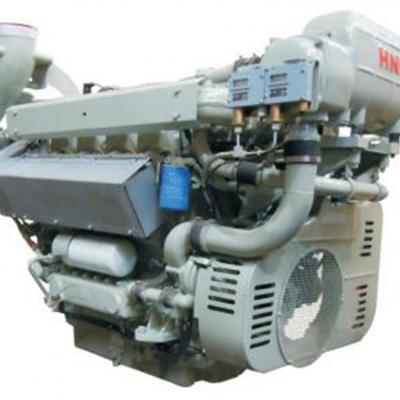
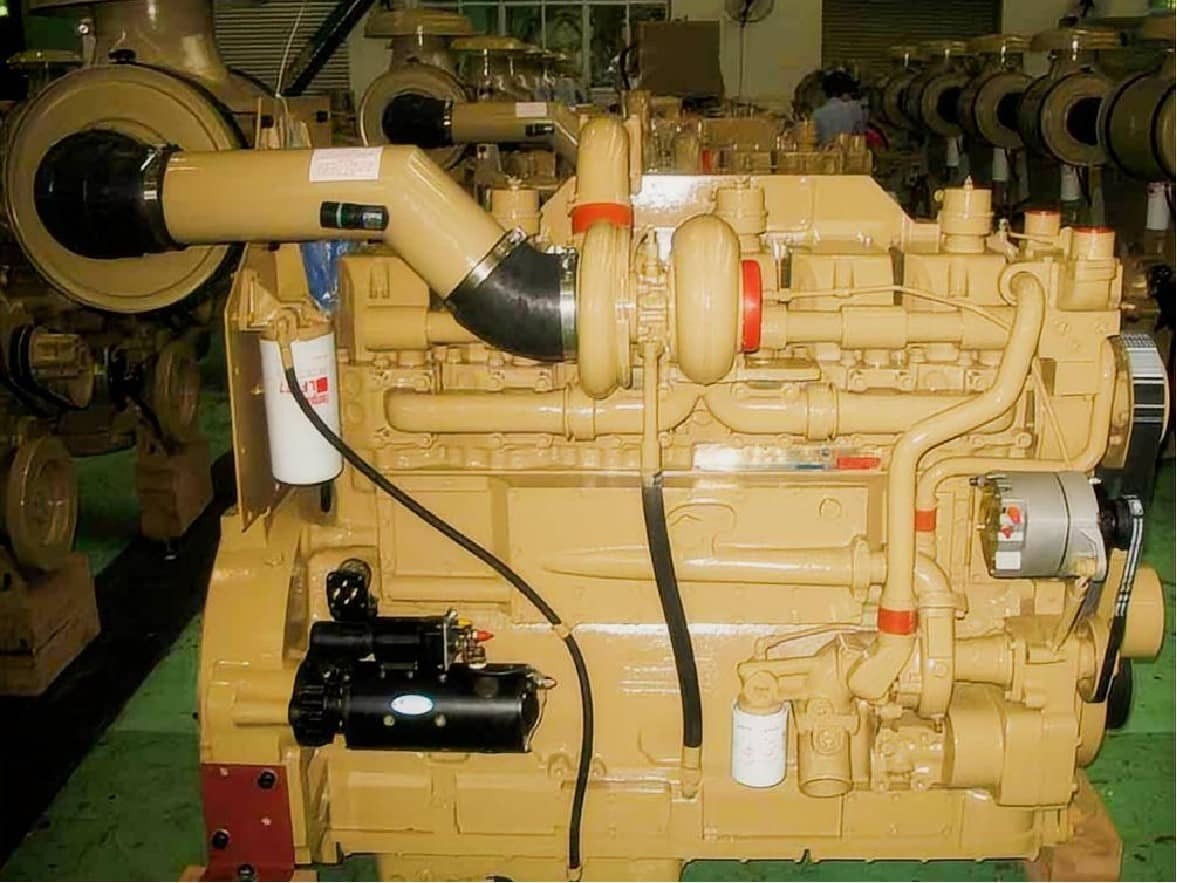
Comprehensive Engineering Guide: Cummins KTAA19-G8 575kW Generator Engine
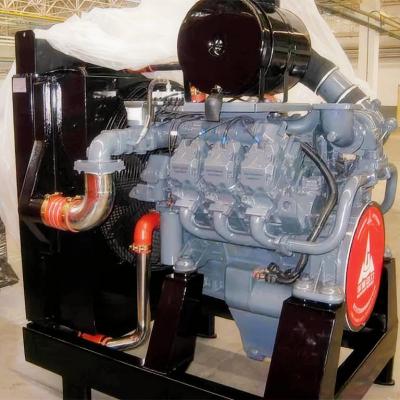
Selecting a heavy-duty industrial prime mover requires a thorough evaluation of thermal efficiency, load response, and fuel dynamics. As an established global engine supplier, HekoPower works directly with original equipment manufacturers and emergency power contractors who demand absolute reliability. The Chongqing Cummins (CCEC) KTAA19-G8 platform represents a pinnacle of 19-liter inline six-cylinder engineering, specifically built to sustain continuous operation under demanding electrical loads. Understanding how this particular variant operates in the field helps engineers and procurement teams avoid costly specification mismatches.
Tech Specs of Cummins KTAA19-G8 575kW
General Engine Data
Engine Model: Cummins KTAA19-G8-575KW
Type: 6 Cylinders in Line, 4 Stroke Diesel
Displacement: 19 L
Bore * Stroke: 159 * 159
Net Weight: 1927 Kg
Overall Dimension: 1324mm*835mm*1183mm
Key Performance Data
Standby Output: 575 kW/771HP
Rated Speed: 1500 rpm
Low Idle Speed: 725-775 rpm
Fuel Consumption @ Rated Power: 127.8 L/Kw.h
Engine Type: Standby Output
More Technical Data
Engine Exhaust Manifold: Optional for Wet Exhaust manifold Heat exchanger
Aspiration: Turbocharged/Aftercooled
Compression Radio: 13.9:1
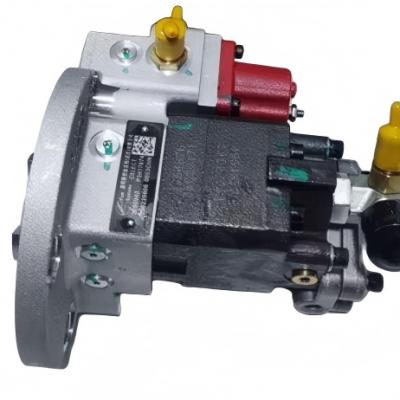
Fuel System: Cummins PT Pump, Direct Injection
Starting System: Electrical starting motor (24V)
Cooling Method: Water cooling
Lowest Starting Temp (Without auxiliary system): -12℃
Governor Type: Mechanical Control
Operating Dynamics and Real-World Application Scenarios
The Cummins KTAA19-G8 is engineered explicitly for 50Hz stationary emergency standby and prime power generation at 1500 RPM, delivering an impressive 575 kW (771 HP) output. In practical field deployments, this power unit is predominantly integrated into critical infrastructure where downtime carries severe financial or operational penalties.
Data center backup power installations frequently utilize the KTAA19-G8 because of its rapid block-load acceptance and robust governing system. When commercial utility grids fail, data centers require backup generators that can synchronize and absorb high electrical surges within seconds without severe frequency droop. Similarly, large-scale manufacturing facilities, municipal water treatment plants, and remote mining operations rely on this 19L platform. In remote mining environments, where ambient temperatures fluctuate wildly and dust loads are heavy, the jacket-water aftercooled design maintains stable combustion chamber temperatures, ensuring long overhaul intervals.
Technical Comparisons Within the K19 Family
Navigating the various iterations of the Cummins K19 series can be challenging for buyers, as minor suffix changes often alter cooling strategies and power ratings entirely.
When evaluating the KTAA19-G8 against the KTAA19-G6A, operators often notice a difference in rated output and cooling configuration. While the G6A variant is sometimes pushed to higher standby thresholds, the G8 variant is finely tuned for optimal thermal equilibrium at 575 kW under specific jacket-water aftercooled parameters. Unlike turbocharged-only models in the K19 family that rely solely on standard air intake cooling, the KTAA19-G8 incorporates sophisticated aftercooling mechanics that cool compressed intake air via jacket water before it enters the cylinders. This process dramatically increases air density, which optimizes fuel combustion efficiency and reduces thermal stress on the piston crowns during extended runtime hours. Furthermore, comparing the G8 to older mechanical governor iterations reveals significant advancements in electronic fuel control integration, resulting in tighter frequency regulation and smoother parallel operation across multi-genset synchronized plants.
Common Misconceptions Regarding the KTAA19-G8
Misunderstandings frequently arise during the procurement phase regarding how this engine handles continuous versus standby ratings. A common misconception is that a 575 kW standby engine can be run indefinitely at full 100% capacity without adhering to variable load guidelines. Standby engines are engineered to supply emergency power for the duration of normal utility interruptions, meaning overloading them outside certified duty-cycle parameters will lead to premature turbocharger wear and exhaust valve carbon buildup.
Another widespread myth is that generic aftermarket fuel injectors can match the exact flow calibration of genuine CCEC PT (Pressure-Time) fuel systems. The KTAA19-G8 relies on precise fuel metering dictated by the PT pump and injector orifices. Utilizing non-genuine calibration components often disrupts fuel spray patterns, leading to uneven cylinder temperatures, black smoke emissions, and compromised engine longevity.
Maintenance, Replacement, and Service Best Practices
Protecting your investment in a CCEC K19 series engine requires disciplined adherence to preventive maintenance schedules.
The PT fuel system demands rigorous filtration of diesel fuel to prevent microscopic particulate matter from scoring precision injector plungers. Water separators must be inspected and drained daily, especially in humid or tropical climates where condensation accumulates rapidly in bulk fuel storage tanks. During major service intervals, technicians should inspect the aftercooler core for mineral scaling or oil residue buildup, as restricted coolant or airflow drastically reduces engine output efficiency.
When planning a full engine replacement or retrofitting an older gen-set chassis, verify the flywheel housing alignment, vibration damper condition, and exhaust backpressure tolerances carefully. Ensuring that the cooling radiator capacity matches the heat rejection data of the KTAA19-G8 prevents overheating during high ambient temperature operations.
Series Navigation
As part of our comprehensive inventory of heavy-duty power solutions, this model is part of a broader family of dependable industrial power units. For clients exploring alternative configurations or complementary models. Cummins K19-G Series, original products from Chongqing Cummins Engine Plant(CCEC). This series mainly includes KTA19-G2-336KW, KTA19-G3-403kW, KTA19-G3A-448kW, KTA19-G4-448KW, KTAA19-G5-502KW, KTAA19-G6-570KW, KTAA19-G6A-610KW, KTAA19-G7-610KW, KTA19-G2-392KW, KTA19-G3-463KW, KTA19-G3A-507KW, KTA19-G4-507KW, KTAA19-G5-555KW, KTAA19-G6-620KW, KTAA19-G6A-664KW, KTAA19-G7-664KW, KTAA19-G8-575KW.
Frequently Asked Questions
What fuel injection technology does this model utilize?
The KTAA19-G8 utilizes the proprietary Cummins PT (Pressure-Time) fuel injection system, which allows precise control over fuel delivery pressure and injection timing across varying engine loads.
Can this engine run continuously at high altitudes?
Yes. The turbocharged aftercooled generator engine design actively compensates for thinner air at higher elevations. However, if your installation site exceeds 1,500 meters above sea level, contact HekoPower's engineering team. We will calculate the exact altitude de-rating factors to ensure your generator set maintains its required electrical output.
Does the KTAA19-G8 engine comply with modern emissions standards?
The CCEC Chongqing Cummins KTAA19-G8 is primarily designed as a high reliability diesel engine for continuous power and standby use in regions or applications requiring non-regulated emissions profiles, or Tier 1/Stage I standards. This mechanical setup makes it highly durable and compatible with variable fuel quality in developing industrial markets.
What are the standard cooling system requirements for this engine?
The Cummins KTAA19-G8 cooling system specifications require an integrated radiator matrix that can handle ambient temperatures up to 50°C without overheating. It features a high-capacity water pump and a built-in corrosion resistor filter. This setup keeps the internal jacket water loops and air-to-air aftercooling cores within their ideal operating temperature windows.