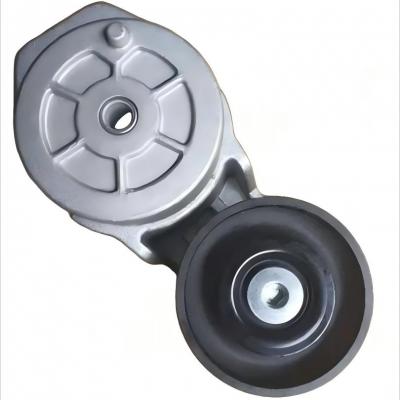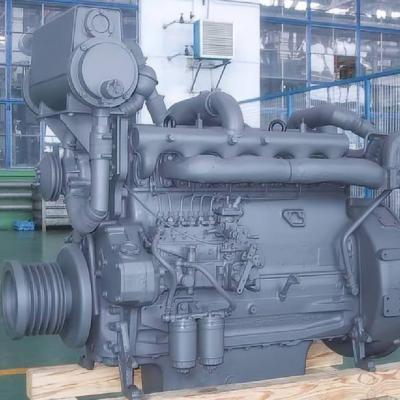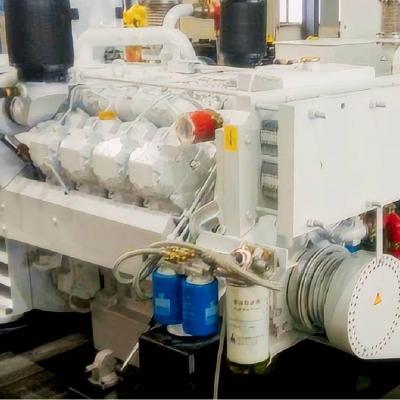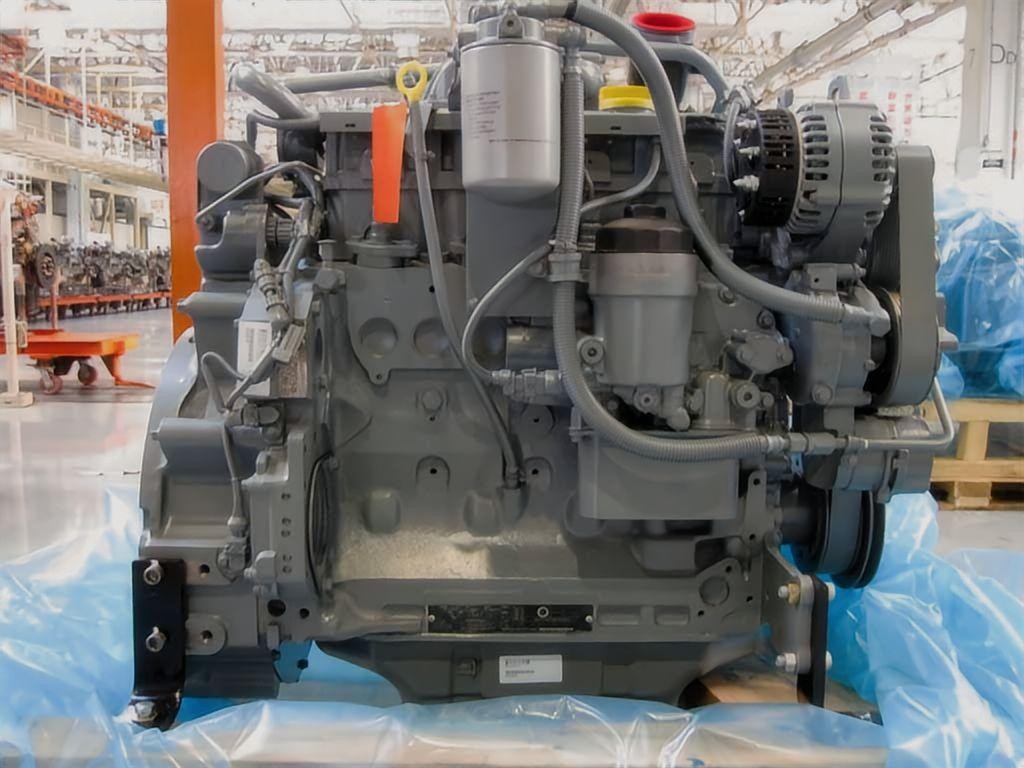
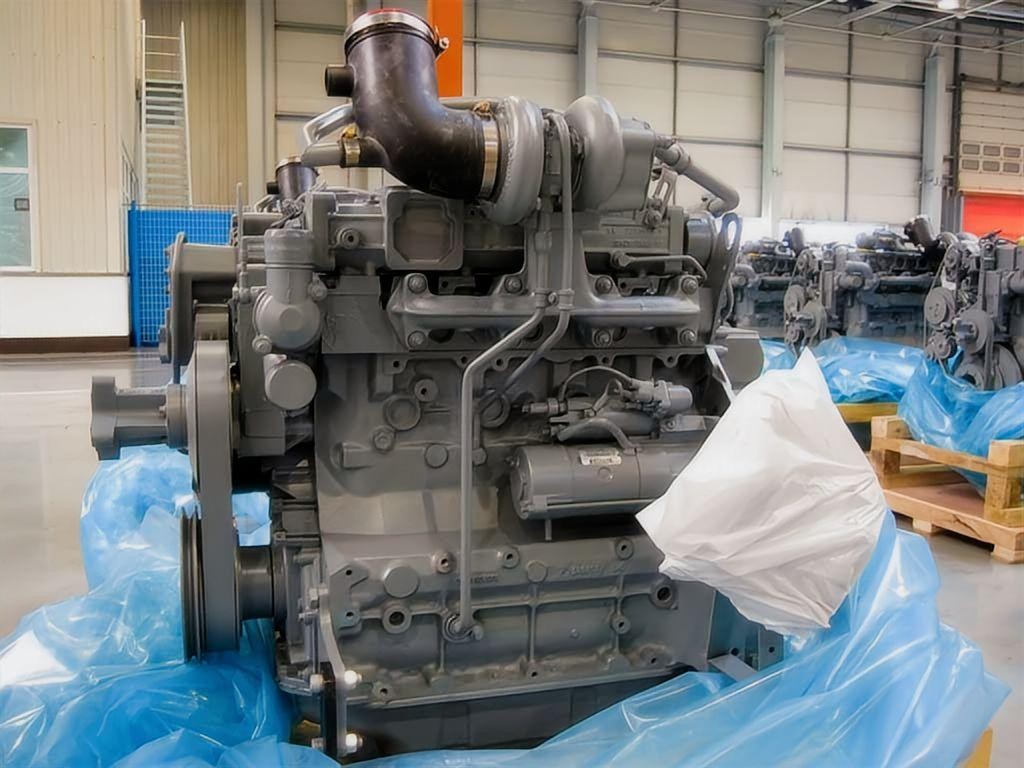
The Deutz BF4M2012C stands as a cornerstone power plant within the modern heavy construction sector, engineered specifically to withstand high shock loads, prolonged high-load factors, and demanding site environments. Displacing 4.04 liters across a robust 4-cylinder inline architecture, this water-cooled diesel engine delivers a rated power output of 103 kW (approximately 138 horsepower) at 2,500 RPM.
What separates this unit in real-world operation is its deep torque reserve. Producing a maximum torque of 493 Nm, the engine sustains strong pulling power even as RPM drops under heavy hydraulic or mechanical resistance. This characteristic makes it an ideal replacement or primary power unit for contractors who require consistent bucket breakout force in excavators or steady compaction energy in heavy rollers.
When specifying or replacing industrial power units, misconceptions frequently arise regarding model variants within the BFM2012 family. A prevalent error among buyers is treating the standard BF4M2012 and the BF4M2012C as interchangeable drop-in units without verifying fuel system architecture and power calibration.
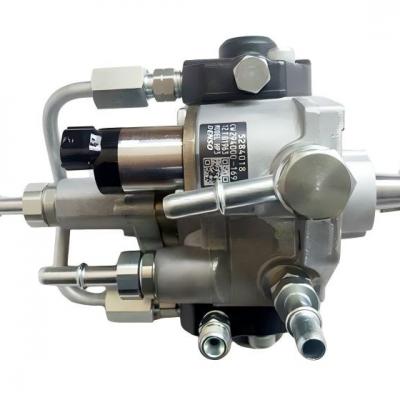
The standard naturally aspirated or lower-output configurations of the 2012 series often rely on traditional mechanical rotary injection pumps, whereas the BF4M2012C utilizes an advanced Electronic Unit Pump (EUP) fuel system. This electronic governance allows for higher injection pressures, significantly sharper fuel atomization, and tighter control over injection timing. Consequently, the BF4M2012C achieves cleaner combustion emissions, better responsiveness under sudden throttle transients, and optimized fuel consumption down to roughly 202 g/kWh under optimal load conditions.
Another common misconception involves confusing the 103 kW high-output rating of the BF4M2012C with lower-tier 88 kW variants found in select agricultural applications. While cylinder bore and stroke remain identical at 101 mm and 126 mm respectively, the turbocharger matching, charge air cooling (intercooler) efficiency, and electronic control mapping are optimized specifically for construction duty cycles. Attempting to substitute a lower-rated agricultural engine into a heavy excavator application often results in thermal stress, premature turbocharger wear, and chronic power fade during sustained digging operations.
The physical dimensions, weight distribution, and power delivery profile of the Deutz BF4M2012C make it heavily sought after across diverse earthmoving and infrastructure segments. In medium-sized hydraulic excavators, the engine is packaged tightly within compact engine bays, providing immediate torque recovery when multiple hydraulic functions—such as boom lifting, arm crowd, and swing rotation—are engaged simultaneously.
For road construction fleets, this engine serves as a dependable power core for tandem vibratory rollers and soil compactors. The turbocharged and charge-air-cooled design ensures that the engine maintains its volumetric efficiency and rated output even when operating in high-ambient dust and elevated temperatures typical of paving sites. Furthermore, its structural flywheel housing configuration and robust mounting rigidity absorb high-frequency torsional vibrations transmitted through heavy-duty hydrostatic transmission systems, protecting internal crankshaft bearings from fatigue.
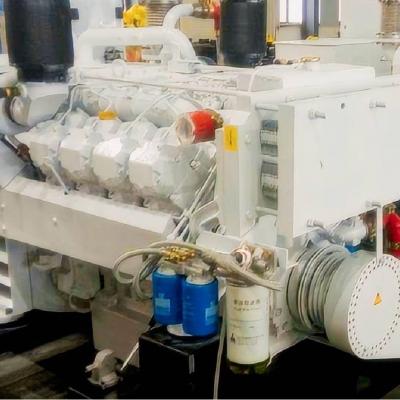
Achieving the full design lifespan of a Deutz BF4M2012C engine assembly requires disciplined maintenance routines tailored to its electronic fuel and cooling architectures. Because the Electronic Unit Pump (EUP) system relies on tight manufacturing tolerances and high internal pressures, fuel filtration is paramount. Operators must strictly utilize primary and secondary water-separating fuel filters rated to OEM specifications to prevent microscopic particulate contamination from scoring the individual high-pressure pumping units.
Cooling system integrity is equally critical. The water-cooled layout requires a balanced mixture of ethylene glycol and deionized water to prevent localized hot spots around the cylinder head valve bridges. During replacement procedures, mechanics must ensure that charge air cooler (CAC) piping is pressure-tested and thoroughly cleaned of any residual oil film left from a previous turbocharger failure. A compromised intercooler hose can introduce oil into the combustion chamber or starve the engine of oxygen, resulting in black smoke, elevated exhaust gas temperatures, and sudden derating.
Deutz BFM2012-Construction Diesel Engine Series, original products from Dalian Deutz Engine Plant. This series mainly includes Deutz BF4M2012, Deutz BF4M2012C, Deutz BF4M2012-C, Deutz BF6M2012C, Deutz BF6M2012-C.
The EUP system allows each cylinder to manage its own high-pressure injection event independently of a central distributor pump. This results in higher peak injection pressures, precise timing control, reduced particulate emissions, and better throttle response under fluctuating construction loads.
While the physical mounting dimensions and block geometry share similarities, direct replacement requires careful evaluation of the electrical harness, control unit compatibility, and throttle signal wiring to support the electronic management system of the 'C' variant.
A peak torque of 493 Nm delivered efficiently across the operating band ensures that excavators, loaders, and rollers maintain high breakout and tractive force without stalling when encountering sudden ground resistance.