Details
Understanding the Engineering Foundation of the Cummins KT38-M800
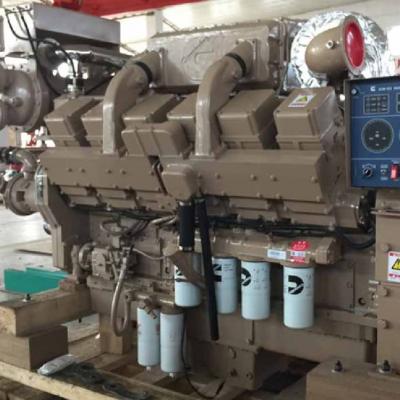
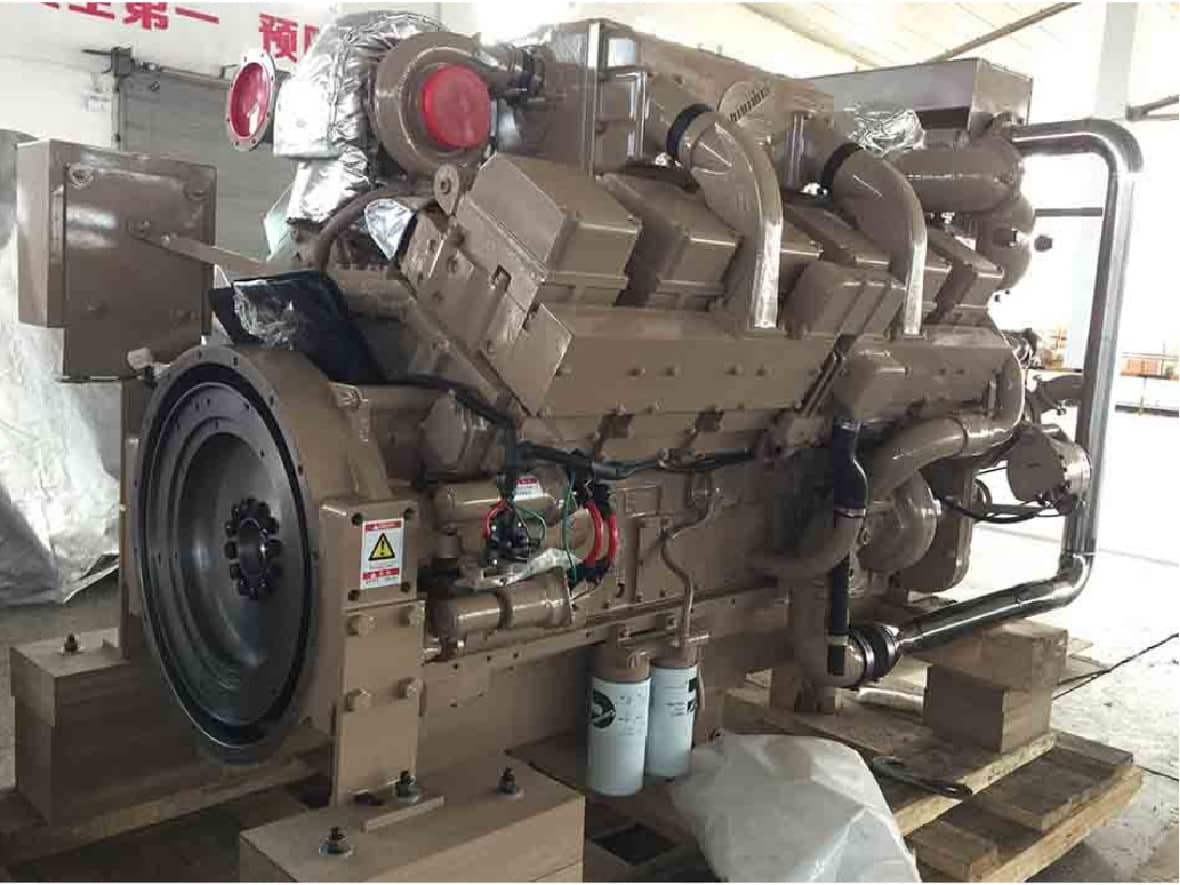
The Cummins KT38-M800 stands as a premier heavy-duty marine propulsion power plant engineered by Chongqing Cummins Engine Company (CCEC). Built on a robust 38-liter V-12 architecture, this continuous-duty diesel engine is purpose-built to meet the rigorous demands of commercial marine operators who require uncompromising reliability under sustained high loads.
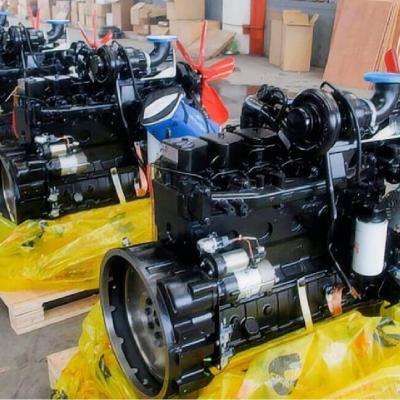
As an established industrial engine supplier, HekoPower provides complete engine assemblies, original CCEC replacement parts, and customized export packages tailored to shipyard requirements and commercial fleet operators worldwide. The KT38 platform utilizes advanced metallurgy and heavy-duty structural design, featuring individually replaceable cylinder heads and wet liner cylinders designed for extended overhaul intervals in marine environments.
Tech Specs of Cummins KT38-M800
General Engine Data
Engine Model: Cummins KT38-M800
Type: 12 Cylinders, V Type, 4 strokes
Displacement: 38 L
Bore * Stroke: 159 * 159
Net Weight (with flywheel & alternator): 4457 Kg
Overall Dimension: 2152mm*1462mm*2083mm
Engine Configuration No.: D232007MX02
Key Performance Data
Rated Power: 596 kW/800HP
Rated Speed: 1800 rpm
Low Idle Speed: 575-675 rpm
High Idle Speed: 1962-2200 rpm
Rating Type: Continuous Running
Fuel Consumption (Running Speed): 147 L/hr
Max Torque/Speed: 3484 N.m @ 1500 rpm
More Technical Data
Certification: CCS/IMO Certificates
Governor Type: Mechanical Control
Aspiration: Turbocharged
Compression Radio: 15.5:1
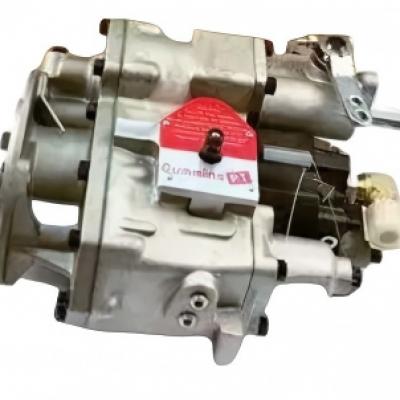
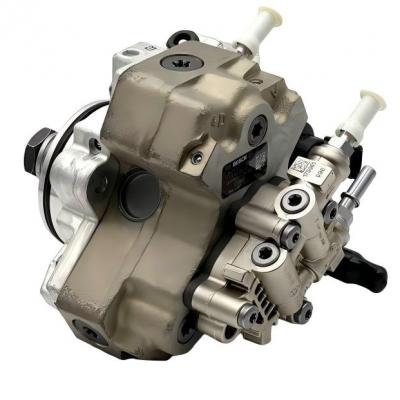
Fuel System: Cummins Pressure Time (PT Pump)
Starting System: Electrical Start (24V)
Lowest Starting Temp Without auxiliary system: -12℃
Cooling Method: Sea water pump, Heat exchanger, Water cooled
Technical Comparisons and Performance Dynamics
Navigating the K38 engine family requires distinguishing between closely related ratings. When evaluating the Cummins KT38-M800 against alternative configurations such as the KT38-M780 or higher-output intermittent models, marine engineers must analyze thermal loading and duty-cycle profiles rather than relying solely on peak horsepower numbers.
The KT38-M800 is rated at 596 kilowatts (800 horsepower) at 1,800 RPM, optimized specifically for continuous operation where engines run at full load for 24 hours a day without interruption. A common misconception in marine propulsion is that upgrading to a higher nominal horsepower rating yields better vessel speed in displacement hulls. In practice, pushing a continuous-duty hull beyond the engineered torque curve of the KT38-M800 increases exhaust gas temperatures (EGT) and accelerates thermal fatigue on turbochargers and exhaust manifolds.
Compared to lighter-duty V12 configurations, the KT38-M800 balances its 159 mm bore and 159 mm stroke geometry to deliver a peak torque of 3,484 N.m at 1,500 RPM. This torque reserve allows commercial vessels to maintain cruising speed against strong river currents or adverse sea states without lugging the engine. Furthermore, the low-temperature aftercooled (LTA) system separates jacket water cooling from intake air cooling, ensuring denser oxygen charges enter the combustion chambers for cleaner combustion and reduced particulate emissions.
Real-World Application Scenarios
The operational profile of the Cummins KT38-M800 makes it the preferred propulsion choice across several demanding commercial marine sectors.
Inland river cargo vessels and push boats operating on major commercial waterways rely on the KT38-M800 for its instantaneous torque response when maneuvering heavy barges in confined locks and shallow channels. The engine's V12 configuration fits smoothly into standard mid-ship engine rooms while providing the redundancy and mechanical simplicity expected by marine engineers.
Twin-screw harbor tugboats and coastal workboats utilize the 1800 RPM continuous rating to manage sudden bollard pull demands during towing and docking operations. Because tugboat operations involve erratic load variations, the Cummins PT (Pressure Time) fuel system provides precise mechanical governance, preventing fuel starvation or over-fueling during rapid throttle adjustments.
Maintenance, Overhaul, and Replacement Best Practices
Maximizing the operational lifespan of a complete Cummins KT38-M800 assembly requires strict adherence to scheduled preventive maintenance protocols.
The mechanical PT fuel pump system on the KT38 series requires periodic calibration and flow testing to maintain precise injection pressures. Operators should inspect the fuel injector cups and check for carbon buildup every 1,500 operating hours to prevent fuel dilution in the lubricating oil.
Cooling system integrity is paramount for marine propulsion engines operating in brackish or saltwater environments. Whether configured with a standard heat exchanger and sea water pump or integrated into a keel-cooling circuit, sacrificial zinc anodes must be inspected and replaced regularly to prevent galvanic corrosion within the raw water aftercoolers and heat exchanger bundles. When replacing legacy engines, verifying the Control Parts List (CPL) code ensures that flywheel housings, marine gear mounting flanges, and torsional vibration dampeners align perfectly with existing reduction gears.
Series Integration and Related Marine Power Solutions
As commercial operators evaluate different vessel power requirements, matching the correct displacement tier to the vessel's displacement tonnage is essential for operational efficiency.
Cummins K38-M Series (K38 Marine Engine), marine propulsion engines for commercial and recreational applications, original products from Chongqing Cummins Engine Plant(CCEC). This series mainly includes KT38-M600, KT38-M780, KT38-M800, KT38-M850, KT38-M900, KTA38-M1 (1000 HP), KTA38-M1 (1100 HP), KTA38-M2 (545 HP), KTA38-M2 (1050 HP), KTA38-M2 (1200 HP), KTA38-M2 (1300 HP), KTA38-M2 (1350 HP). All engines complete with sea water pump, heat exchanger, CCS/IMO certificates.
Frequently Asked Questions
What is the recommended operating oil pressure range for the KT38-M800 at rated speed?
Under normal operating temperatures (70°C to 90°C), the lubricating oil pressure at rated 1800 RPM should remain between 241 and 379 kPa (35 to 55 PSI). Idle oil pressure should not drop below 103 kPa (15 PSI).
How does the low-temperature aftercooled (LTA) circuit function in high-ambient marine environments?
The LTA circuit utilizes a separate raw water or keel cooler loop to cool intake air after it leaves the turbocharger. By maintaining lower intake manifold temperatures independent of jacket water temperature, the LTA system reduces thermal stress on pistons and lowers nitrogen oxide (NOx) emissions.
What reduction gear ratios pair most effectively with the 1800 RPM output of the KT38-M800?
Gearbox selection depends on propeller diameter and hull design, but commercial displacement vessels typically pair this engine with reduction ratios between 4:1 and 6:1 to optimize propeller blade efficiency and maximize static bollard pull.
Can the KT38-M800 be retrofitted with a water-cooled exhaust manifold upgrade?
Yes. Upgrading to factory-approved water-cooled exhaust manifolds significantly reduces radiant engine room temperatures and complies with SOLAS (Safety of Life at Sea) insulation requirements for commercial vessels.