Operating heavy construction machinery in remote infrastructure projects, quarrying sites, and desert construction zones exposes diesel power plants to severe environmental stress. Traditional water-cooled engines frequently fail in these conditions due to radiator clogging from airborne dust, coolant boiling during prolonged high-load lugging, and hose degradation caused by persistent vibration.
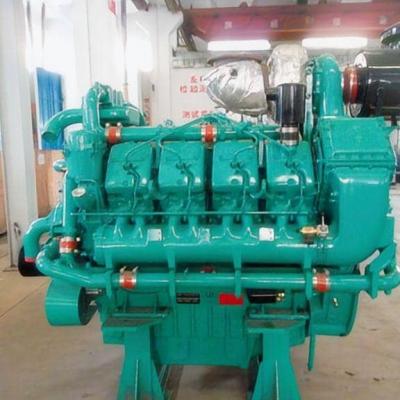
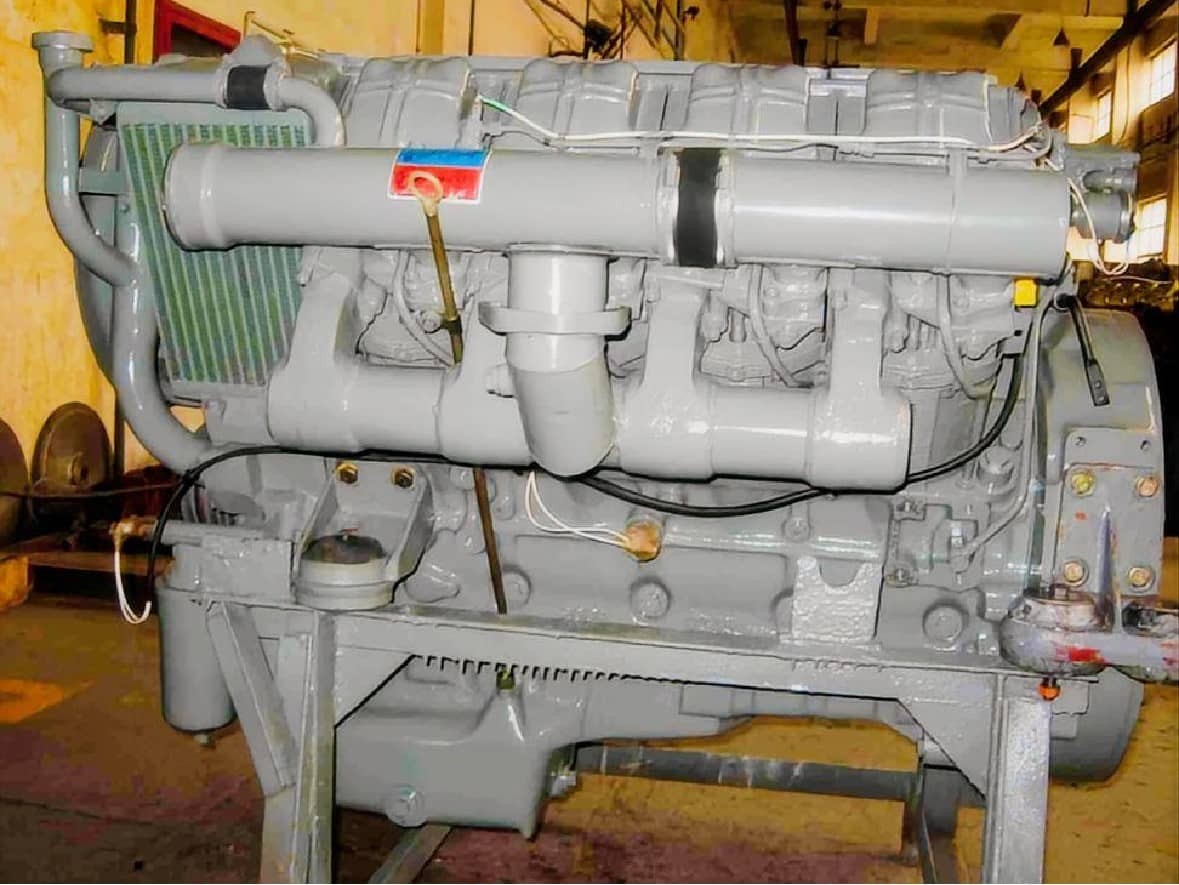
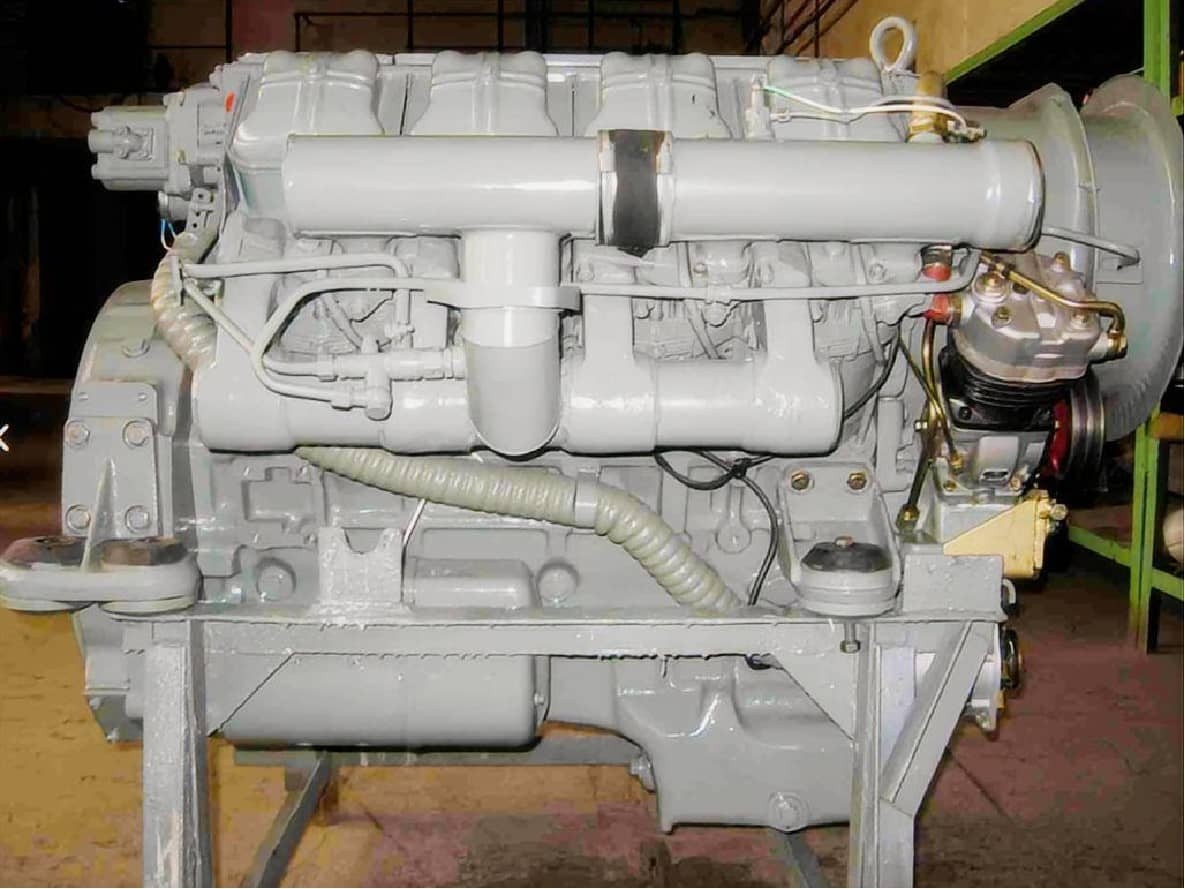
HekoPower supplies complete Deutz F8L413F engine assemblies engineered specifically to bypass these vulnerabilities. By utilizing an independent cylinder head architecture with deep-finned air cooling, this 8-cylinder V-type power plant eliminates radiator maintenance entirely. Each cylinder head acts as an individual thermal dissipation unit, preventing localized overheating from cascading into catastrophic engine failure. For fleet managers and heavy equipment operators seeking uncompromising reliability in hostile job-site conditions, the F8L413F provides a robust, maintenance-reduced power solution.
Selecting the proper power plant requires understanding the nuanced mechanical distinctions within the Deutz air-cooled lineup. When evaluating alternatives, many operators struggle to differentiate between naturally aspirated variants, turbocharged configurations, and higher-cylinder counts.
Comparing the F8L413F against the turbocharged BF8L413FC reveals a distinct operational trade-off. The naturally aspirated F8L413F relies on atmospheric induction, delivering steady, predictable torque curves without the thermal spikes associated with turbocharger lag or boost pressures. This characteristic makes the F8L413F exceptionally well-suited for steady-state industrial drives and low-speed, high-torque construction tasks where throttle modulation must remain linear.
When weighed against the larger F10L413F 10-cylinder variant, the 8-cylinder F8L413F strikes an optimal balance between displacement mass and spatial constraints. While the F10L413F offers expanded power output for massive mining earthmovers, its extended engine block length prevents drop-in installation in standard medium-duty construction chassis. The V8 layout of the F8L413F concentrates 12.763 liters of displacement into a compact envelope, allowing contractors to repower existing machinery without modifying chassis mounts or redesigning driveline geometry. Furthermore, unlike the subsequent 513 series which features an increased stroke and altered cooling fin spacing, the 413 series retains complete legacy hardware compatibility, ensuring straightforward parts interchangeability during field overhauls.
The structural resilience of the Deutz F8L413F makes it the preferred prime mover for a wide array of heavy-duty earthmoving and material handling machinery.
In large-scale road construction, heavy vibrating rollers and pneumatic compactors subject their power units to continuous high-frequency vibration and choking silica dust. The rigid crankcase casting and direct air-cooling design of the F8L413F absorb these mechanical harmonics without structural fatigue or thermal degradation.
Similarly, concrete batching plants and heavy mobile crushers demand constant load acceptance under high ambient temperatures. Because air-cooled engines maintain a high thermal differential against scorching outdoor air, the F8L413F sustains continuous rated output without the cooling system cavitation or radiator boil-overs that plague liquid-cooled competitors. Municipal utility contractors also rely on this engine for specialized trenching equipment and heavy-duty water pumps operating in remote regions where water supply for radiator maintenance is scarce or entirely unavailable.
Maximizing the operational lifespan of a heavy-duty construction engine requires adhering to strict preventive maintenance protocols tailored to air-cooled architectures.
The primary maintenance priority for the F8L413F is preserving unobstructed airflow across the cylinder cooling fins. Construction job sites generate fine particulate matter that settles between the cooling fins, insulating the metal and raising cylinder head temperatures. Maintenance technicians should inspect and clean the cylinder fins using compressed air or approved solvents at regular operational intervals, particularly when operating in sandy or dusty environments.
Another critical consideration involves monitoring valve clearance adjustments. Because air-cooled engines operate across wider thermal expansion ranges than liquid-cooled units, thermal clearances shift more dynamically. Checking and adjusting valve lash every specified operating hours prevents valve train clatter and maintains optimal volumetric efficiency.
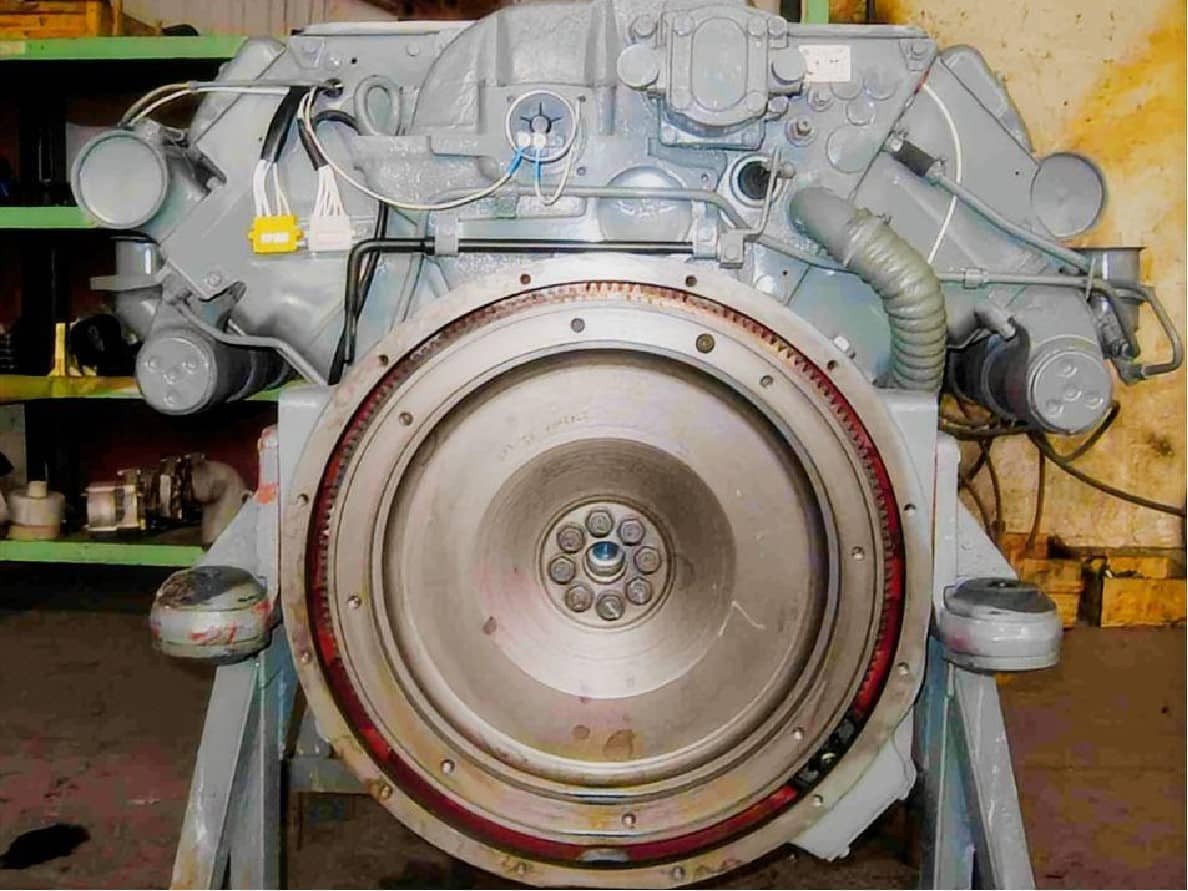
When executing a complete engine replacement or repowering project, technicians must verify flywheel housing alignment and torsional vibration damper integrity. Mismatched bell housings or worn pilot bearings introduce shaft misalignment, leading to premature main bearing wear. HekoPower verifies exact application specifications, serial numbers, and mounting configurations prior to dispatch to ensure a seamless drop-in installation.
Deutz FL413-Construction Diesel Engine Series, original products from Huachai Deutz Engine Plant. This series mainly includes Deutz F8L413F, Deutz BF8L413FC, Deutz BF12L413F, Deutz F10L413F, Deutz BF8L513FC, Deutz BF10L513, Deutz BF12L513, Deutz BF12L513C.
The F8L413F utilizes an independent cylinder head and external cooling fin design, eliminating radiators, water pumps, and coolant hoses. In dusty construction environments, liquid-cooled radiators quickly become choked with airborne debris, leading to restricted airflow and overheating. Air-cooled systems avoid radiator clogging entirely, significantly reducing maintenance downtime.
Yes. Because the F8L413F features a compact V8 footprint and standardized mounting points, it serves as an ideal drop-in replacement engine for various heavy construction machinery brands. HekoPower evaluates your existing engine specifications and flywheel housing requirements to ensure physical compatibility prior to delivery.
The naturally aspirated configuration provides a linear, predictable torque curve and eliminates turbocharger lag. This is particularly advantageous in low-speed, high-load construction tasks where operators require immediate throttle response without sudden thermal surges or exhaust gas temperature spikes.
In standard construction environments, cooling fins should be inspected and cleaned every 250 to 500 operating hours. If operating in extremely dusty environments such as quarries or desert job sites, inspection frequency should be increased to prevent particulate buildup from insulating the cylinder heads.