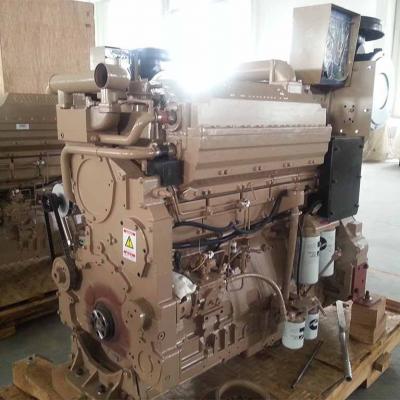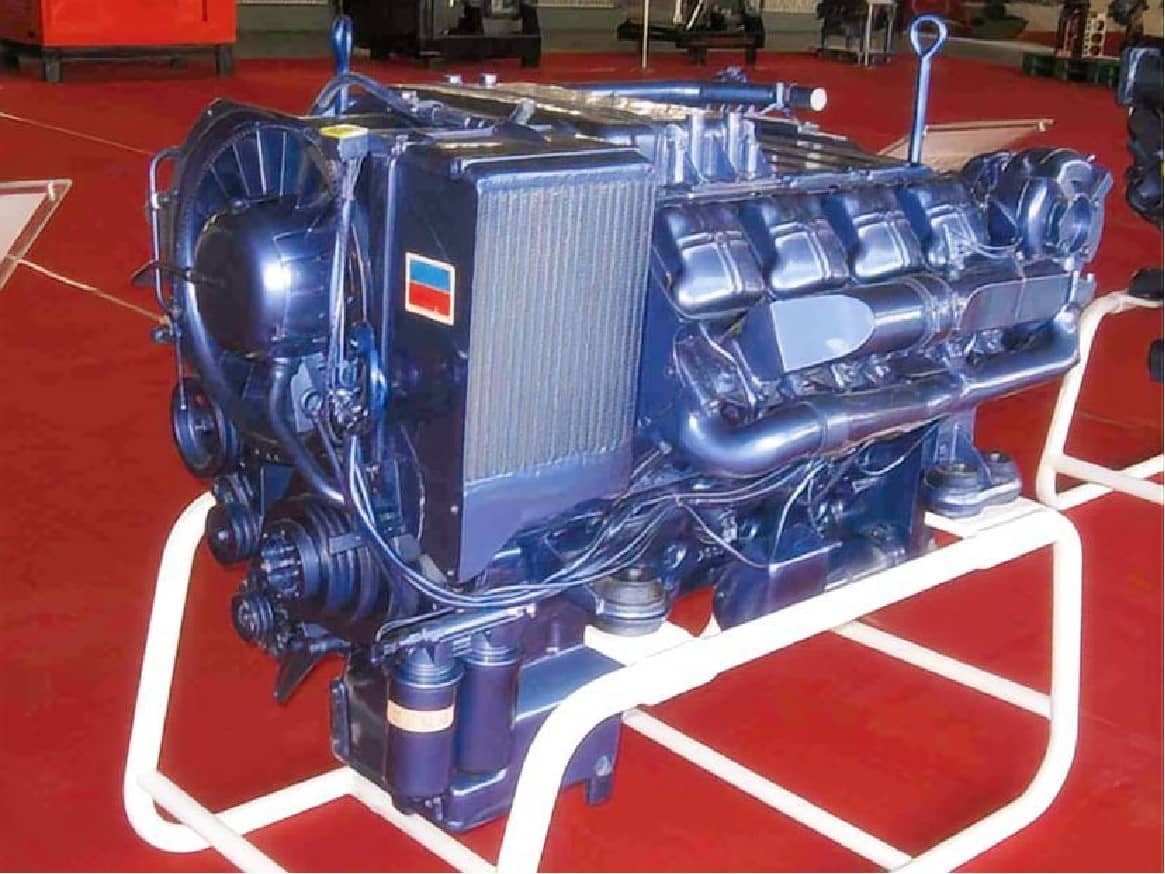
Details
Engineering Depth and Operational Integrity of the Deutz BF12L513C V12 Engine
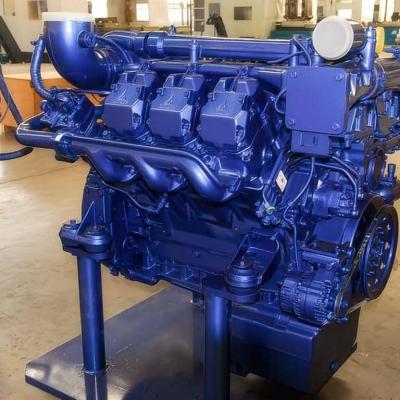
The heavy construction sector demands powerplants capable of enduring extreme thermal stress, abrasive ambient dust, and continuous high-load cycles without performance degradation. As a premier engine supplier, HekoPower recognizes that equipment operators cannot afford unexpected thermal throttling or fluid-leak vulnerabilities inherent in conventional liquid-cooled platforms. The Deutz BF12L513C addresses these industrial realities through an uncompromised air-cooled V12 architecture. Displacing 19.144 liters and generating a robust 410 kilowatts at 2300 RPM, this engine represents a pinnacle of reliability for remote, high-altitude, and arid construction sites where water cooling infrastructure is impractical or unavailable.
Tech Specs of Deutz BF12L513C Construction Diesel Engine
General Engine Data
Engine Model: Deutz BF12L513C-Construction Diesel Engine
Type: 10 Cylinders, V Type
Displacement: 19.144 L
Bore * Stroke: 125 * 130
Net Weight (with flywheel & alternator): 1200 Kg
Overall Dimension: 1590mm*1380mm*1192mm
Key Performance Data
Rated Power/Speed: 103-174 KW
Rated Speed: 1500-2300 rpm
Max Torque/Speed: 760 N.m @ 1500 rpm
Min Fuel Consumption @ Full Load: 214 g/Kw.h
Idle Speed: 600 rpm
More Technical Data
Certification: Euro II
Aspiration: Turbocharged/Intercooled
Fuel System: Direct Injection Pump
Compression Ratio: 15.8:1
Governor Type: Mechanical/Electronic Governor
Cooling Method: Air Cooled
Electrical System (Starter Motor/Alternator): Electronic Starting (12V/24V)
Dispelling Common Misconceptions Regarding Air-Cooled V12 Engines
A prevailing misconception within the heavy machinery industry is that air-cooled diesel engines struggle to maintain stable operating temperatures under heavy load compared to their liquid-cooled counterparts. In practice, the modular cylinder arrangement of the BF12L513C series eliminates the single greatest point of failure in heavy equipment: coolant system leaks, water pump cavitation, and radiator core clogging. Each cylinder features its own independent cast-iron head and individual finned barrel, allowing direct thermal dissipation into the driven airflow generated by an integrated, high-capacity axial blower. This design ensures that localized thermal spikes are contained immediately rather than propagating through a shared engine block coolant jacket.
Another frequent misconception is that large-displacement air-cooled engines produce excessive acoustic signatures or vibrations. While any V12 configuration inherently achieves primary and secondary mechanical balance, the BF12L513C employs optimized camshaft profiling and precision-balanced crankshaft counterweights to dampen torsional harmonic resonance across its operating spectrum, ensuring smooth power delivery even when torque output peaks at 1800 Nm.
Comparative Engineering Analysis: BF12L513C vs. Traditional Liquid-Cooled Alternatives
Evaluating the structural differences between the Deutz BF12L513C and standard heavy-duty liquid-cooled engines reveals distinct operational advantages for extreme duty cycles. Liquid-cooled engines rely on complex auxiliary networks including radiators, thermostats, hoses, water pumps, and coolant recovery tanks. In heavy construction applications such as massive earthmoving machinery, deep-foundation drilling rigs, and large-scale primary crushing plants, these auxiliary components are vulnerable to severe vibration fatigue and external debris puncture.
The BF12L513C bypasses these vulnerable points entirely. Without coolant hoses to perish under prolonged ultraviolet exposure or radiator fins to become choked with fine clay, silica dust, and quarry particulate, the engine maintains sustained thermal equilibrium through direct mechanical cooling. Furthermore, the absence of a liquid coolant circuit significantly reduces warm-up times in sub-zero operating environments. Engine oil reaches optimal operating viscosity faster, reducing internal friction and mitigating cold-start cylinder bore wear. While liquid-cooled systems require rigorous chemical maintenance—including regular coolant flushes, anti-cavitation additive checks, and pH balancing—the air-cooled architecture of the BF12L513C streamlines preventive maintenance routines significantly, reducing fleet downtime across remote infrastructure projects.
Real-World Application Scenarios in Extreme Construction Environments
The operational envelope of the Deutz BF12L513C extends into domains where standard industrial engines frequently fail due to environmental constraints.
In high-altitude infrastructure development, such as remote mountain tunnel excavation and high-elevation highway construction, atmospheric pressure drops reduce the boiling point of liquid coolants, causing premature overheating and vapor lock in conventional water-cooled engines. Because the BF12L513C relies on mass airflow rather than liquid boiling thresholds, it retains exceptional thermal stability at elevations exceeding 3,000 meters, especially when paired with its precision-matched turbocharged and intercooled induction system that compensates for thinner air densities.
Similarly, in arid desert construction and large-scale open-pit mining operations, water scarcity makes traditional coolant replenishment a logistical burden. The BF12L513C powers heavy-duty rock crushers, massive screening plants, and heavy-duty transit mixers operating continuously in ambient temperatures exceeding 50 degrees Celsius. The robust dual-entry centrifugal blower forces ambient air across the deep-finned cylinder barrels with relentless volume, ensuring that continuous-duty cycle ratings are sustained without requiring auxiliary cooling fans or complex electronic thermal management override systems.
Comprehensive Maintenance Protocols and Replacement Strategies
Maximizing the operational lifespan of a 19.144-liter V12 powerhouse requires disciplined adherence to specific maintenance intervals and replacement thresholds.
Thermal Management and Intercooler Maintenancey
While the engine cylinders are air-cooled, the intake charge relies on a high-efficiency charge-air cooler to manage combustion temperatures and emissions compliance under Euro II parameters. Operators must inspect the intercooler core weekly for dust accumulation or oil residue from crankcase ventilation blow-by. Cleaning the cooling fins with compressed air directed opposite to normal airflow prevents the gradual choking of boost pressure, which directly protects fuel economy and prevents exhaust gas temperature (EGT) spikes.
Overhaul Milestones and Component Lifecycle
During major service intervals, technicians should inspect the individual cylinder head clamping studs and torque specifications meticulously. Because each cylinder operates independently, differential expansion rates are naturally accommodated, but head gasket seals and pushrod tube seals must be replaced during top-end overhauls to prevent minor oil seepage. Fuel injection pump calibration and injector nozzle spray pattern verification are vital every 4,000 operating hours to maintain the precise atomization required for the 410 kW output rating, preventing unburnt fuel wash and premature ring wear.
Series Architecture and System Integration
When planning a complete engine assembly replacement or upgrading legacy heavy machinery fleets, understanding the wider product lineage is essential for proper driveline matching and accessory compatibility. Deutz FL413-Construction Diesel Engine Series, original products from Huachai Deutz Engine Plant. This series mainly includes Deutz F8L413F, Deutz BF8L413FC, Deutz BF12L413F, Deutz F10L413F, Deutz BF8L513FC, Deutz BF10L513, Deutz BF12L513, Deutz BF12L513C.
Frequently Asked Questions
How does the air-cooled design of the BF12L513C perform in high ambient temperatures?
The engine utilizes a high-capacity, mechanically driven axial cooling blower that forces high-volume ambient air directly across independent, deeply finned cylinder heads and barrels, ensuring stable operation in extreme desert climates up to and exceeding 50 degrees Celsius without coolant boil-over risks.
What maintenance advantages does an air-cooled V12 engine offer over liquid-cooled alternatives?
It eliminates vulnerable auxiliary components such as radiators, water pumps, coolant hoses, and thermostats, thereby removing common points of failure related to coolant leaks, hose degradation, and radiator clogging from construction dust or mud.
What makes the BF12L513C different from water-cooled engines?
The air-cooled system eliminates coolant-related maintenance while providing excellent reliability in dusty construction and mining environments.