Details
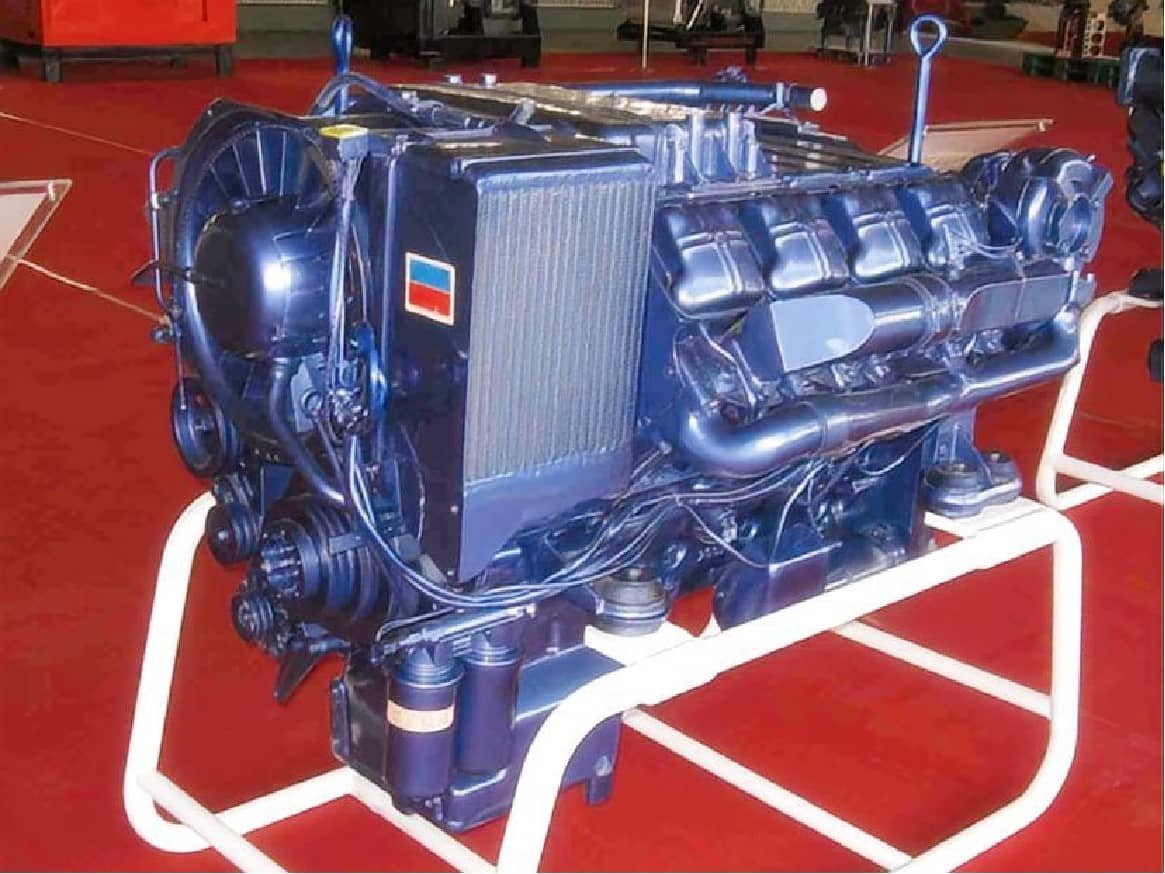
Deutz BF12L513 Construction Diesel Engine (206-334 kW Air-Cooled V12)
The Deutz BF12L513 construction diesel engine is a 19.144 L turbocharged, air-cooled V12 built for heavy off-highway machinery operating far from paved roads and water-cooling service bays. Rated from 206 kW to 334 kW across a 1500 to 2300 rpm operating band, it produces 1650 N.m of peak torque at 1500 rpm while holding full-load specific fuel consumption to 212 g/kWh. Direct mechanical fuel injection and a 15.8:1 compression ratio keep this Euro II unit straightforward to service where ultra-low-sulfur diesel and OEM diagnostic laptops are unavailable.
HekoPower supplies the complete Huachai Deutz BF12L513 construction engine assembly factory-configured for equipment repowers and OEM machinery builds. Each assembly can be matched to your machine's flywheel housing, power take-off interface, oil pan sump position, and 12V or 24V electrical system before dispatch.
Tech Specs of Deutz BF12L513 Construction Diesel Engine
General Engine Data
- Engine Model:
- Deutz BF12L513-Construction Diesel Engine
- Type:
- 10 Cylinders, V Type
- Displacement:
- 19.144 L
- Bore * Stroke:
- 125 * 130
- Net Weight (with flywheel & alternator):
- 1250 Kg
- Overall Dimension:
- 1573mm*1380mm*1152mm
Key Performance Data
- Rated Power/Speed:
- 206-334 KW
- Rated Speed:
- 1500-2300 rpm
- Max Torque/Speed:
- 1650 N.m @ 1500 rpm
- Min Fuel Consumption @ Full Load:
- 212 g/Kw.h
- Idle Speed:
- 600 rpm
More Technical Data
- Certification:
- Euro II
- Aspiration:
- Turbocharged
- Fuel System:
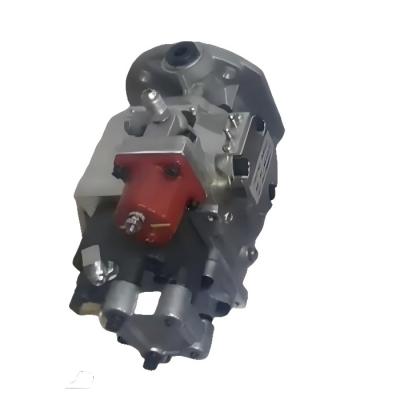
- Direct Injection Pump
- Compression Ratio:
- 15.8:1
- Governor Type:
- Mechanical/Electronic Governor
- Cooling Method:
- Air Cooled
- Electrical System (Starter Motor/Alternator):
- Electronic Starting (12V/24V)
Technical Positioning Against Sibling Models and Other BF12L513 Variants
BF12L513 vs. BF12L513C and BF10L513
Within the FL513 construction lineup, the BF12L513 sits directly between the 10-cylinder BF10L513 (15.953 L, 278 kW at 2300 rpm, 1400 N.m) and the charge-cooled BF12L513C (410 kW at 2300 rpm, 1800 N.m). Stepping up from the BF10L513 adds 56 kW of top-end output and 250 N.m of mid-range torque for heavier hydraulic circuits while adding roughly 110 kg of net engine mass.
Compared to the BF12L513C, the standard BF12L513 omits the air-to-air intercooler loop and charge-air piping. Equipment builders frequently choose the non-intercooled BF12L513 when tight engine compartments cannot house an external charge-air cooler core, or when simpler plumbing and lower cylinder thermal loads matter more than the extra 76 kW rating.
Construction Spec vs. Vehicle and Generator BF12L513 Ratings
Buyers ordering by model code alone should note that HekoPower supplies the BF12L513 in three distinct calibrations. The generator-drive BF12L513 locks speed at 1500 rpm for 206 kW continuous 50 Hz duty, while the vehicle-spec BF12L513 uses a narrower 1192 mm package and a higher intermittent torque peak (1755 N.m, up to 353 kW peak) for multi-axle haul trucks. This construction version is governed for variable-speed off-highway work between 1500 and 2300 rpm, sustaining continuous hydraulic pump loads and auxiliary PTO drives without rapid thermal cycling.
Real-World Construction and Mining Applications
The BF12L513 construction assembly powers 45 to 60 ton hydraulic excavators, rotary blast-hole and foundation drilling rigs, heavy quarry wheel loaders, tracked crushers, large crawler dozers, and high-head mine dewatering skids. Because the engine carries no radiator, coolant pump, or pressurized hoses, it operates reliably in desert mines exceeding 50°C ambient heat and in sub-zero winter quarries where liquid-cooled blocks risk cracked jackets or gelled antifreeze.
Delivering its 1650 N.m torque ceiling at 1500 rpm gives strong lugging reserve when a main hydraulic pump hits relief pressure or a drill string bites into fractured granite. During mixed-duty part-load cycles—such as excavator swing phases or intermittent compaction passes—the direct-injection fuel curve maintains stable combustion without the exhaust backpressure or regeneration fuel penalties seen on modern DPF-equipped engines.
Maintenance, Cooling Architecture, and Retrofit Guidance
Correcting Common Air-Cooled Service Misconceptions
Technicians familiar with smaller belt-driven Deutz 912 or 913 engines often assume the BF12L513 cooling fan runs off a V-belt and check belt tension first during an overheat. On the FL513 V-series, the axial cooling blower is actually gear-driven through a hydraulic fluid coupling regulated by an exhaust thermostat or electro-hydraulic control. Overheating is almost always traced to a sluggish exhaust thermostat, restricted oil supply to the blower coupling, missing air-shroud sealing rubbers, or oil-bound dust caking the cylinder fins.
A second misconception is that eliminating liquid coolant eliminates thermal fluid maintenance. On the BF12L513, the roughly 34 L lubricating oil charge absorbs substantial internal heat through the engine-mounted oil cooler, so running low-grade monograde oil or stretching filter changes past 250 to 300 hours in dusty quarry air rapidly degrades oil-cooler transfer and turbocharger bearing life.
Key Servicing Thresholds and Repower Fitment
Blow out cylinder head fins and oil cooler cores with compressed air directed opposite normal airflow every 250 operating hours, and verify cold valve clearances (0.2 mm inlet, 0.3 mm exhaust) at 500-hour intervals. Because each cylinder barrel and head is an independent modular unit, mechanics can pull and rebuild a single cylinder pack in the field without lifting the 1250 kg block. Before finalizing a repower order, confirm your existing SAE flywheel housing size (commonly SAE #1, with dual-ear twin-starter housings available), crankshaft PTO port alignment, oil pan sump clearance, and 12V versus 24V starter wiring.
Deutz FL413/FL513 Construction Engine Series
Within the air-cooled Huachai Deutz construction lineup, the BF12L513 bridges the gap between the 10-cylinder turbocharged BF10L513 and the higher-output intercooled BF12L513C, sharing modular cylinder and valvetrain architecture across the 513 family to simplify fleet parts stocking.
Deutz FL413-Construction Diesel Engine Series, original products from Huachai Deutz Engine Plant. This series mainly includes Deutz F8L413F, Deutz BF8L413FC, Deutz BF12L413F, Deutz F10L413F, Deutz BF8L513FC, Deutz BF10L513, Deutz BF12L513, Deutz BF12L513C.
Frequently Asked Questions
Can a BF12L513 generator engine be dropped into construction machinery in place of this construction spec?
No, not without recalibration and hardware verification. The generator-drive BF12L513 is governed for fixed 1500 rpm operation at 206 kW with a narrower 1192 mm envelope, whereas the construction BF12L513 uses variable-speed governing from 1500 to 2300 rpm up to 334 kW, different torque curves, and machine-specific flywheel housing and PTO configurations.
When is the non-intercooled BF12L513 preferred over the intercooled BF12L513C?
Choose the BF12L513 when your equipment requires 206 to 334 kW and lacks engine-bay space or airflow clearance for a charge-air intercooler core. Skipping intercooler ducting eliminates boost-hose failure points in high-vibration drilling and earthmoving environments while keeping assembly weight around 1250 kg.
Are major wear parts interchangeable between German Deutz and Huachai Deutz BF12L513 engines?
Yes. Built under official license to the 125 x 130 mm FL513 blueprint, core wear components—including modular cylinder barrels, pistons, ring sets, bearings, cylinder heads, and direct-injection fuel pumps—match standard Deutz FL513 dimensions for global field servicing.
What prevents the air-cooled BF12L513 from overheating in 50°C desert mining sites?
The gear-driven axial blower scales airflow automatically through its exhaust-thermostat-controlled fluid coupling as exhaust gas temperatures climb. Keeping the cylinder cooling fins and oil cooler clear of dust buildup, maintaining intact sheet-metal air shrouds, and running thermally stable multi-grade oil across the 34 L sump preserve full cooling capacity in extreme ambient heat.