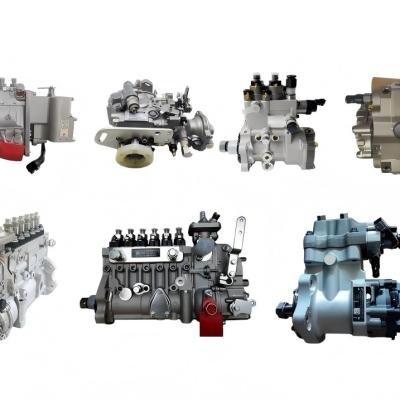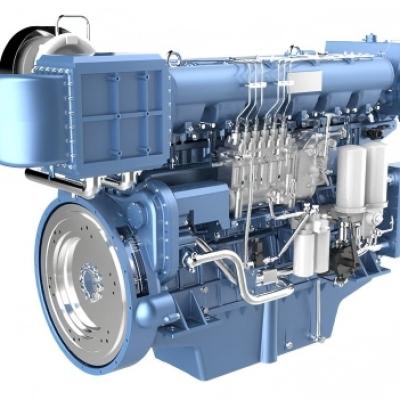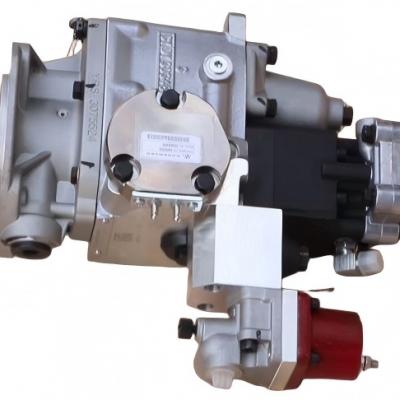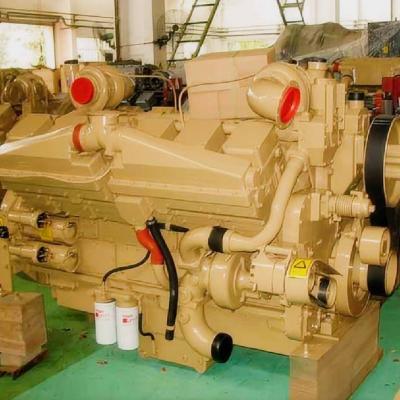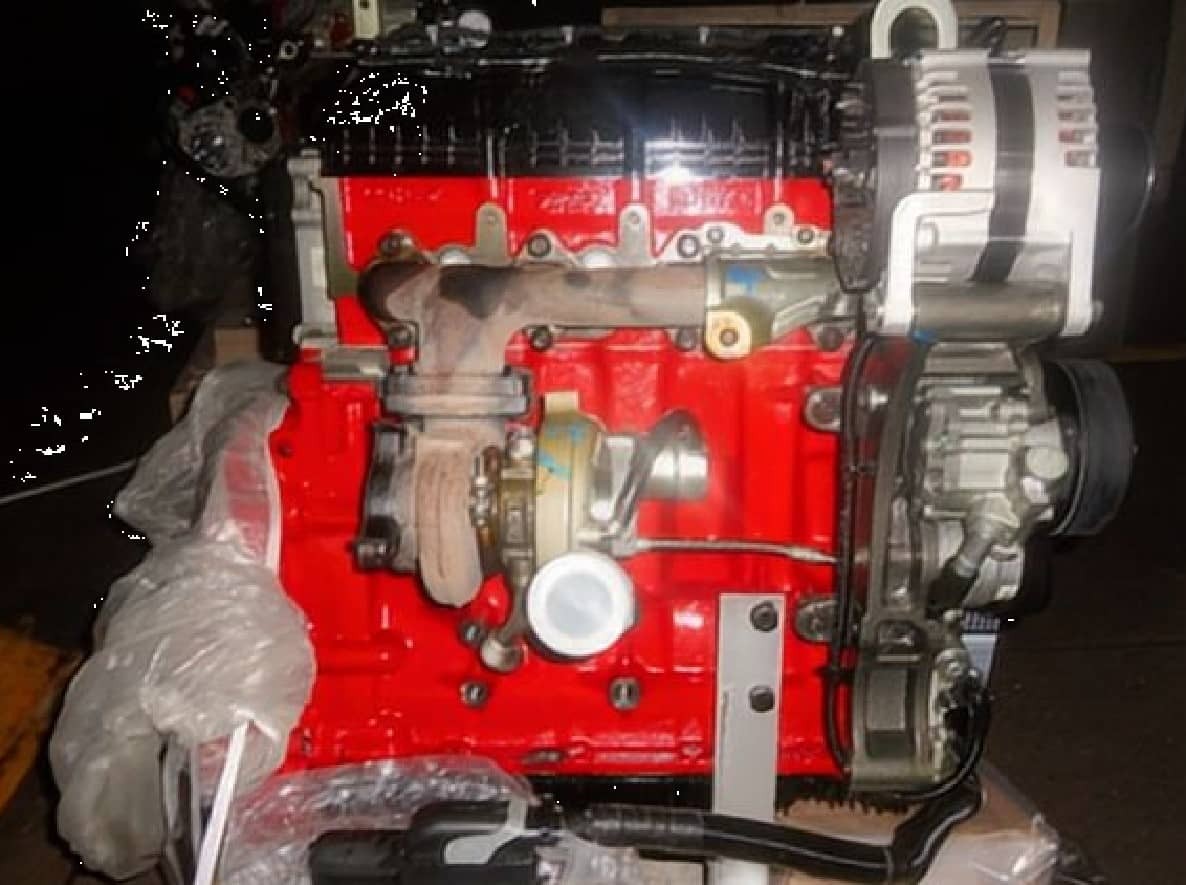
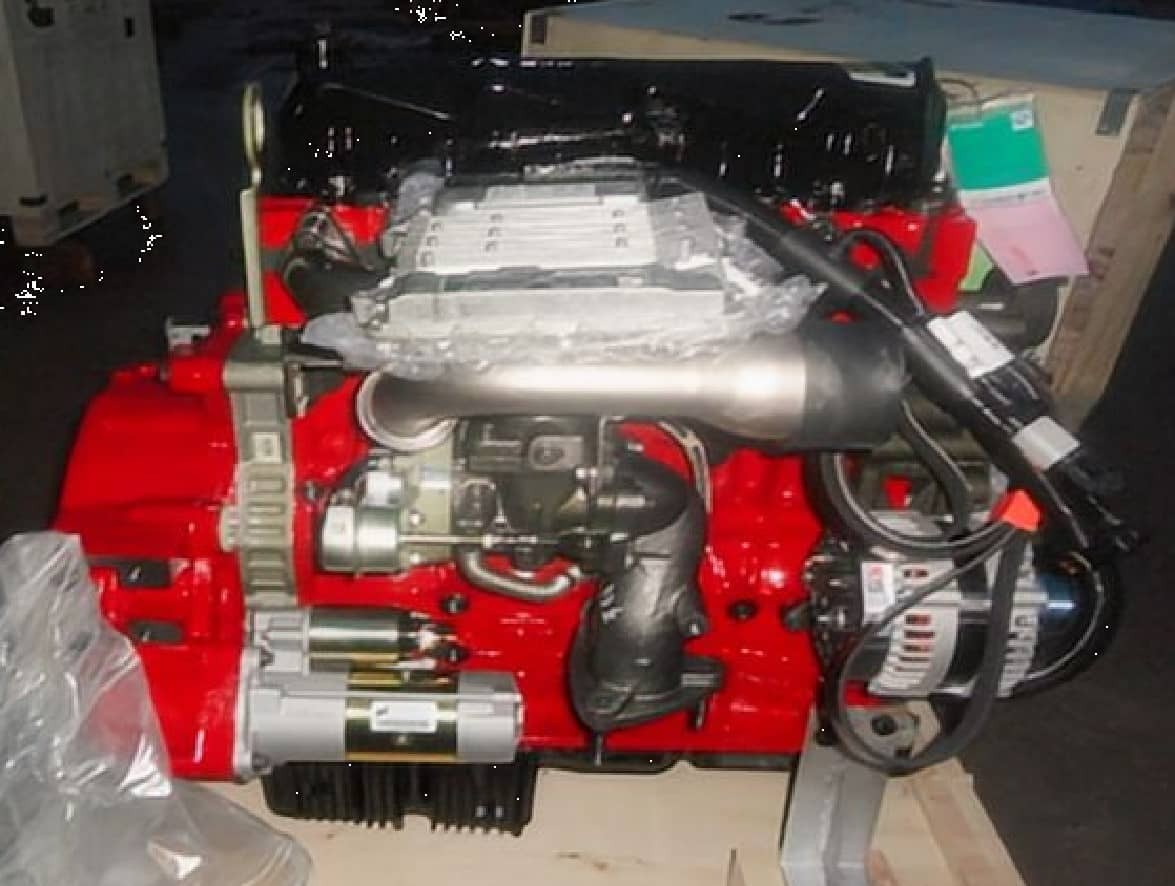
The Cummins ISF3.8S4141 is engineered specifically to meet the rigorous demands of modern light commercial vehicles, urban delivery trucks, and utility transport fleets. Operating at a rated output of 105 kW (141 HP) at 2600 rpm with a peak torque delivery of 450 Nm, this 3.76-liter four-cylinder, four-stroke turbocharged diesel engine bridges the gap between heavy-duty durability and compact automotive packaging.
Within real-world logistics applications, particularly when integrated into Foton light commercial truck chassis and medium-duty transit vans, the ISF3.8S4141 excels in stop-and-start urban distribution environments. Its Bosch high-pressure common rail (HPCR) electronic fuel injection system ensures precise fuel atomization across fluctuating load profiles, reducing particulate matter generation while optimizing fuel economy during sustained highway cruising. Fleet operators managing regional distribution routes rely on this specific 141HP calibration because it provides rapid throttle response at low RPM ranges, reducing gear shifting frequency and minimizing mechanical wear on manual and automated transmissions during city navigation.
When evaluating replacement options or diagnosing inventory compatibility, distinguishing the ISF3.8S4141 from closely related configurations within the ISF family is critical for engineers and procurement managers.
Unlike lower-powered variants such as the ISF3.8S3141, which typically adhere to older Euro III emissions configurations with mechanical-electronic calibration overlaps, the ISF3.8S4141 is optimized for stricter Euro IV compliance standards and features refined electronic control unit (ECU) mapping. When contrasted with higher output variants like the ISF3.8S4154 or ISF3.8S4168—which push higher horsepowers for heavier gross vehicle weight ratings (GVWR)—the ISF3.8S4141 strikes an optimal balance for mid-tier payload capacities. Pushing the engine beyond its intended 105kW ceiling via aggressive aftermarket tuning compromises turbocharger longevity and increases exhaust gas temperatures (EGT). Therefore, matching the exact suffix code (S4141) ensures that injection timing, piston cooling oil jet configurations, and turbocharger wastegate actuation match the vehicle’s original drivetrain parameters.
Maintaining a modern commercial vehicle power unit like the Cummins ISF3.8S4141 requires strict adherence to scheduled servicing protocols, yet several common misconceptions persist in secondary market maintenance.
A frequent misconception among fleet mechanics is that replacing individual fuel injectors or high-pressure pumps does not require complete system flushing. Because the Bosch HPCR system operates at extreme injection pressures, microscopic debris can permanently damage downstream components; a complete rail and line ultrasonic cleaning is mandatory during any major fuel system service. Another common pitfall involves turbocharger maintenance. Operators often mistake routine oil misting in the charge air cooler (intercooler) for immediate turbocharger failure, whereas minor blow-by through the crankcase ventilation system is normal under high-mileage operating conditions. Proper diagnosis requires measuring radial shaft play and checking intercooler pressure integrity rather than replacing the turbo assembly prematurely. Furthermore, when opting for a complete engine assembly replacement over a partial block overhaul, technicians must verify that the new unit’s electronic calibration file matches the chassis transmission control module to prevent shift-shock and fault code generation.
As global commercial vehicle operators demand reliable power solutions across diverse displacement tiers, selecting the correct engine series is vital for fleet standardization. HekoPower maintains an extensive inventory spanning multiple displacement classes and industrial applications to support diverse operational requirements. BFCEC ISF Series, original products from Beijing Foton Cummins Engine Company Limited (BFCEC), a 50/50 joint venture between Cummins Inc. and China's Beiqi Foton Motor Company (Foton Motor). BFCEC produces Cummins light-duty, high-performance ISF diesel engines. This series mainly includes ISF2.8s3129T, ISF2.8s3148T, ISF2.8s4129P, ISF2.8s4129T, ISF2.8s5129T, ISF2.8s4148T, ISF2.8s4161P, ISF3.8s3141, ISF3.8s3154, ISF3.8s3168, ISF3.8s4141, ISF3.8s4154, ISF3.8s4168, ISF2.8s4107P.
While the physical block dimensions and mounting footprints are identical, direct replacement requires careful verification of the harness connectors, exhaust gas recirculation (EGR) provisions, and ECU calibration mapping to ensure seamless communication with the vehicle's dashboard and transmission systems.
Yes. The ISF3.8s4141 specification uses a standard Bosch High-Pressure Common Rail (HPCR) injection system. This includes the fuel pump, injector lines, rail sensor, and electronic injector valves. This standardized layout ensures easy sourcing of replacement maintenance parts worldwide.
Fluctuations are usually attributed to restrictions in the dual-stage fuel filtration system or wear within the metering unit on the high-pressure fuel pump. Regular replacement of fuel filters with genuine-spec units prevents starvation and premature pump degradation.
Yes. When installing a complete replacement assembly, diagnostic software is recommended to clear stored historical fault codes, calibrate the electronic injector trim codes into the new ECM, and perform a stationary regeneration check if the exhaust aftertreatment system is disturbed.